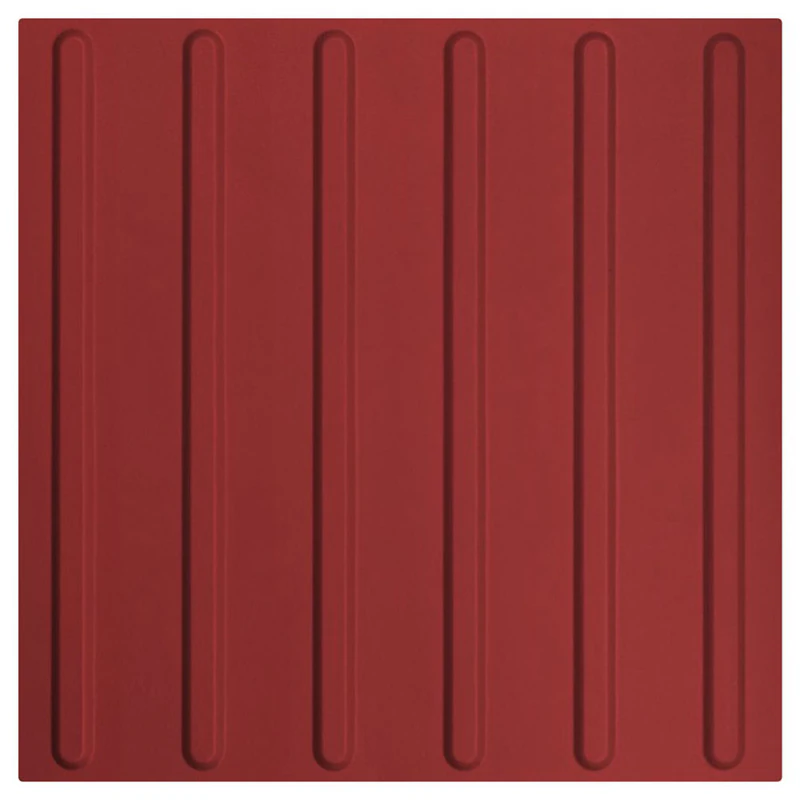
Touch mark orientare visually odded people red RAL 3001 300x300 mm is the essential element in modern accessibility infrastructure, designed to provide clear, intuitive and safe tactile guidance persons with visual impairments. Designed for public and private spaces with intense traffic, this type of marking quickly becomes the standard in projects compliant with current accessibility rules.
From railway stations, airports and shopping centres to public institutions or office buildings, red orientation tactile markings RAL 3001 are recognised for high visibility, exceptional resistance and ability to effectively direct flows of people.
Why is a tactile orientation marking essential?
In a world where accessibility is no longer optional, but mandatory, tactile markings for visually impaired people plays a critical role. These offer:
- directional guidance through tactile nerves
- Space orientation without visual support
- increased safety in crowded areas
- compliance with accessibility legislation
How the Orientation Touch Marks Work
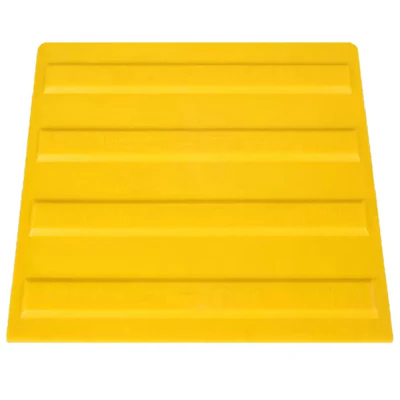
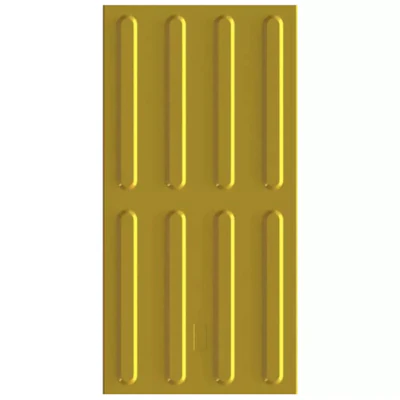
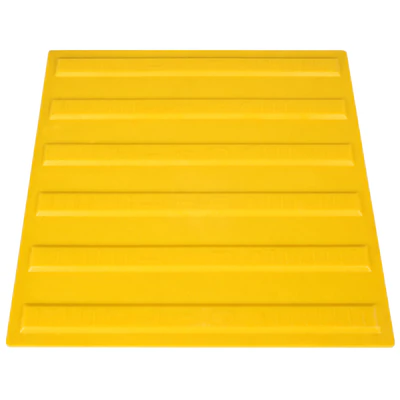
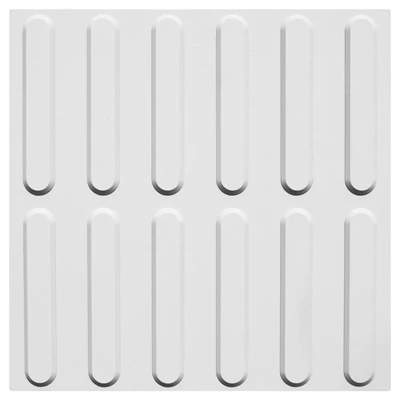
Orientation markings are provided for by parallel lines raised, perceived by cane or heel. They indicate the direction of movement and create a clear, easy-to-follow path.
Technical characteristics – performance in detail
Optimised dimensions for efficient coverage
- Format: 300 x 300 mm
- Ideal for making modular paths
- Compatible with network mounting standards
Strong signaling colour
- Red RAL 3001
- Excellent contrast with most surfaces
- High visibility including for people with partial vision
Durable material for intensive traffic
- Resistance to mechanical wear
- Anti-slip in wet conditions
- UV stability – do not lose color
Precisely defined tactile surface
- Longitudinal ribs conforming to standards
- Clear Tactile Perception
- Feedback immediately to contact
Where are the tactile guidance markings used?
Public spaces
- stations, metro stations
- airports
- sidewalks and pedestrian areas
Commercial buildings
- shopping malls
- supermarkets
- Showrooms
Institutions and administrative buildings
- city planning
- hospitals
- Schools and universities
Corporate environment
- office buildings
- Company offices
- Business hubs
Real advantages for your project
✔ Increased safety for users
Markings reduce the risk of disorientation and accidents.
✔ Legislative compliance
It complies with accessibility rules for people with disabilities.
✔ Quick installation
Easy to mount on various surfaces: concrete, gravel, asphalt.
✔ Reduced long-term cost
High durability reduces the need for replacement.
✔ Professional image
It demonstrates social responsibility and modernity.
Assembly and practical recommendations
Installation methods
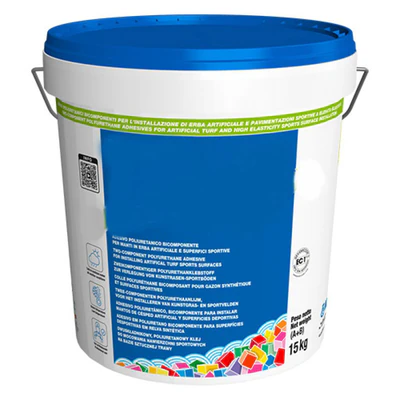
- Professional polyurethane adhesive
- mechanical fixing (depending on the surface)
Compatible surfaces
- concrete helicopterized
- stone and ceramics
- asphalt
- natural stone
Recommendations
- cleaning of the surface before assembly
- compliance with the tactical continuity alignment
- combination with warning markings at critical points
Difference between guidance and warning markings
- Orientation Marking → Lines → indicate direction
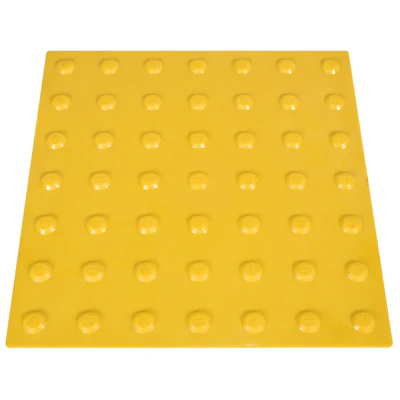
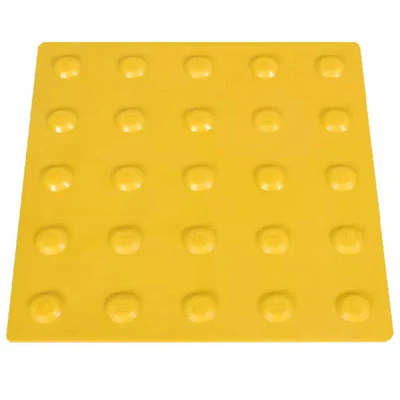
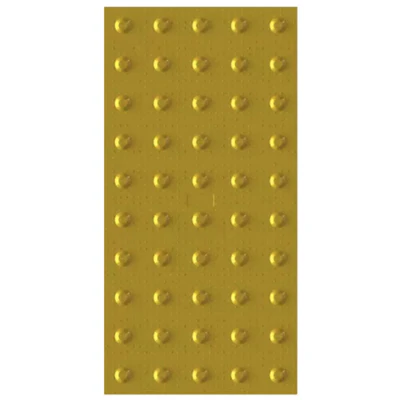
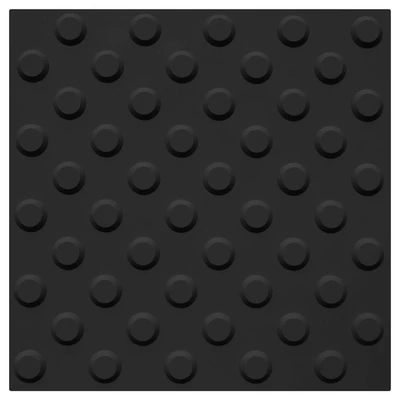
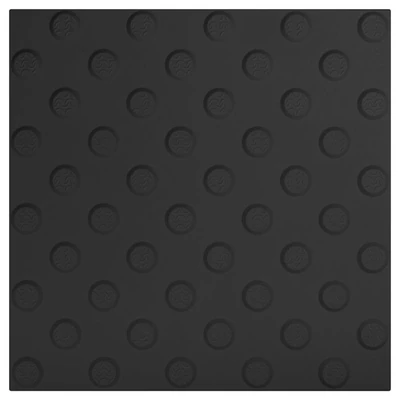
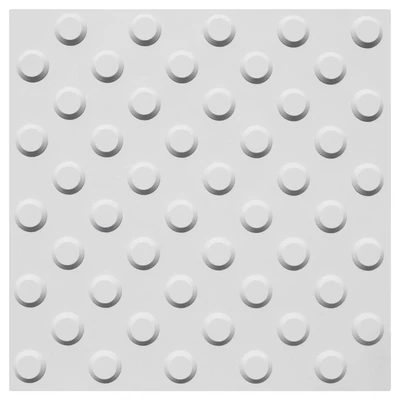
- Warning marking → points → signal danger or change
For a complete system, they are used together.
Commercial benefits
- Increase user safety in your space
- Avoid legal sanctions on accessibility
- Improve customer experience
- Increase the perceived value of the building
- Demonstrate real social responsibility
- Optimize traffic flows
- Reduce the risk of incidents
FAQ – Frequently Asked Questions
1. What is the role of tactile guidance marking?
It guides blind people on safe paths through tactile nerves.
2. Is it mandatory by law?
Yes, in many types of public and commercial buildings it is mandatory according to accessibility rules.
3. Can it be mounted outside?
Yes, the material is resistant to weather and UV radiation.
4. How do you maintain it?
It only needs regular cleaning, without special maintenance.
5. What difference does it make to other colors?
Red RAL 3001 offers superior contrast in certain environments and is frequently chosen for visibility.
6. How long does the assembly take?
Depends on the surface, but it is generally fast and efficient.
7. Can it be combined with other markings?
Yes, it is recommended to be used with warning markings.