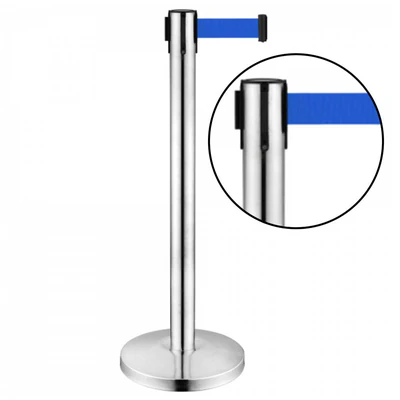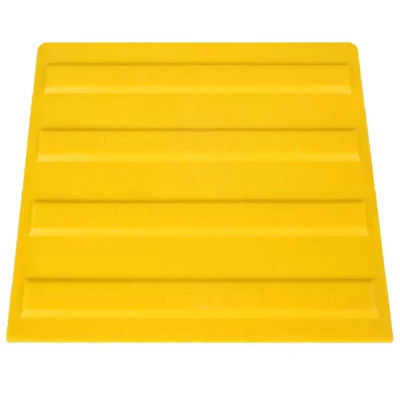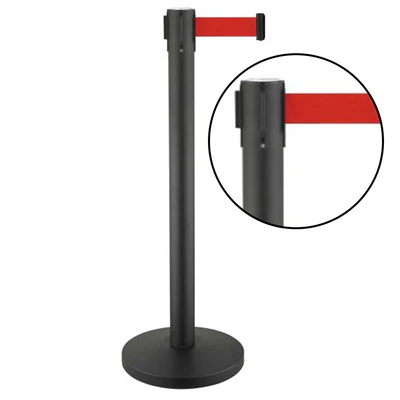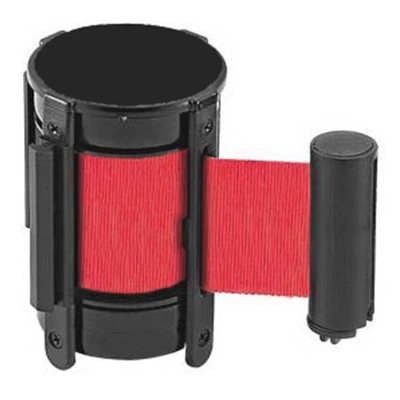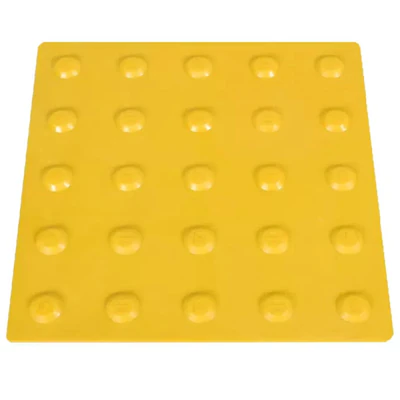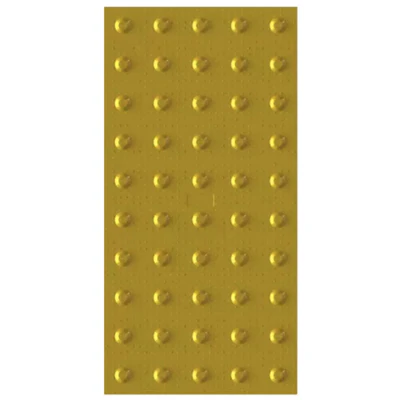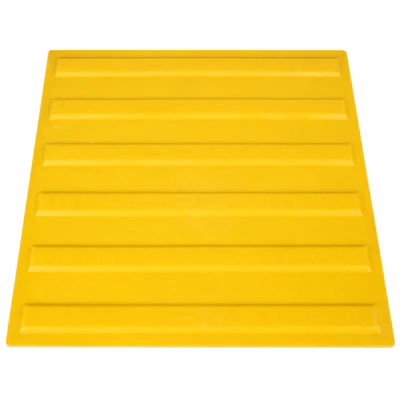

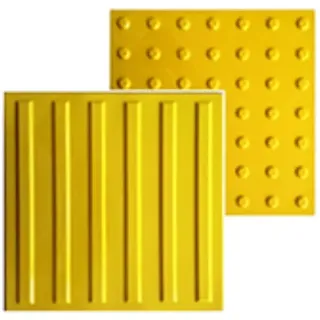
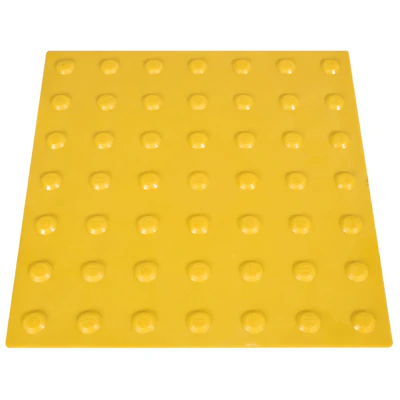
Touch mark for visually impaired people STOP 400x400 mm
27,01 lei
In stock
in6 variant
Request a quote – Touch mark for visually impaired people STOP 400x400 mm See options – Touch mark for visually impaired people STOP 400x400 mmWe use strictly necessary cookies to run the site and, only with your consent, to remember viewed products, for visit statistics and for YouTube video playback. You can change your mind at any time from “Cookie settings” at the bottom of the page. Cookie policy
Technical advice: 021 450 60 70 · Fast delivery nationwide · Blog
Orientation of pedestrian traffic means the organisation and clear guidance of the flow of people for safety, efficiency and avoidance of congestion.
27,01 lei
In stock
in6 variant
Request a quote – Touch mark for visually impaired people STOP 400x400 mm See options – Touch mark for visually impaired people STOP 400x400 mm218,99 lei
outOut of stock
Request a quote – Guide and delimiting post, chromat, with retractable tape, blue, 3 meters See options – Guide and delimiting post, chromat, with retractable tape, blue, 3 meters20,00 lei
In stock at supplier
sup6 variant
Request a quote – Touch mark for visually impaired people 300x300 mm See options – Touch mark for visually impaired people 300x300 mm45,00 lei
In stock
in Request a quote – Tape cassette for guiding posts See options – Tape cassette for guiding posts20,00 lei
In stock at supplier
sup6 variant
Request a quote – Touch mark for visually impaired people STOP 300x300 mm See options – Touch mark for visually impaired people STOP 300x300 mm158,99 lei
Made to order
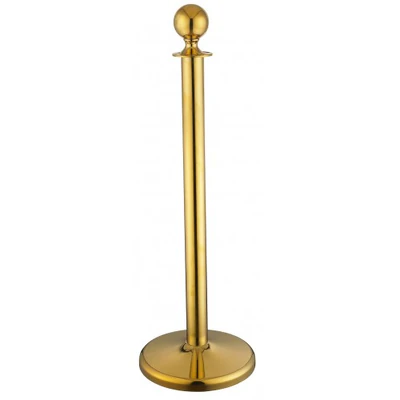
ord Request a quote – Gold queue post with ball top, for rope See options – Gold queue post with ball top, for rope20,00 lei
outOut of stock
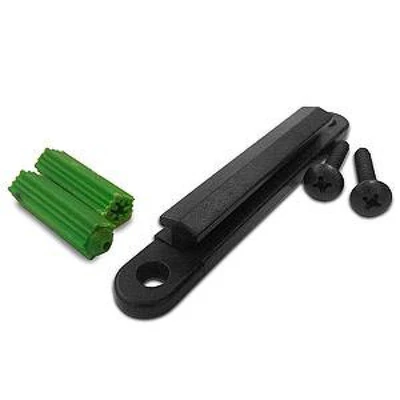
Request a quote – Wall gripping accessory for retractable taped delimiting pillars See options – Wall gripping accessory for retractable taped delimiting pillars76,00 lei
In stock
in6 variant
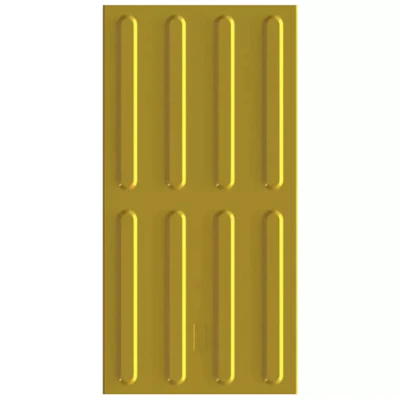
Request a quote – Touch mark for visually impaired people 300x600 mm See options – Touch mark for visually impaired people 300x600 mm64,00 lei
In stock
in6 variant
Request a quote – Touch mark for visually impaired people STOP 300x600 mm See options – Touch mark for visually impaired people STOP 300x600 mm361,40 lei
Made to order
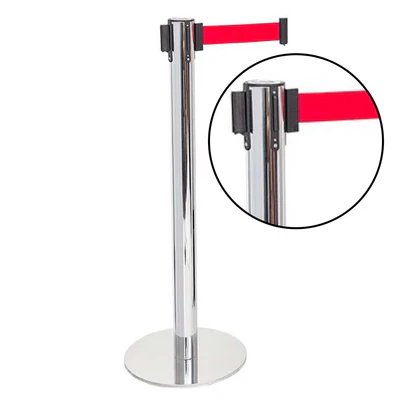
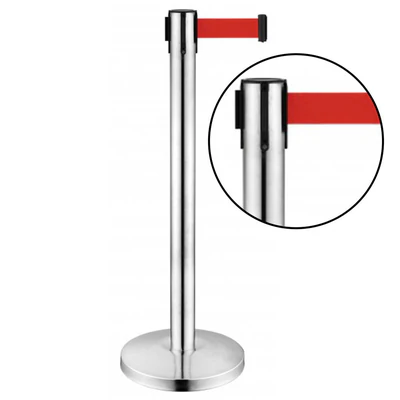
ord Request a quote – Guide and delimiting station, chromed, with retractable tape, red, 3 metres See options – Guide and delimiting station, chromed, with retractable tape, red, 3 metres158,99 lei
Made to order
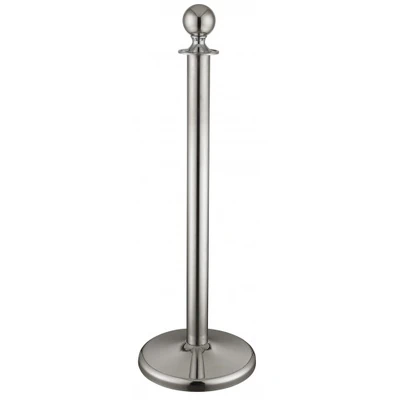
ord Request a quote – Spherical-head silver guide and delineation post for cord See options – Spherical-head silver guide and delineation post for cord498,23 lei
outOut of stock
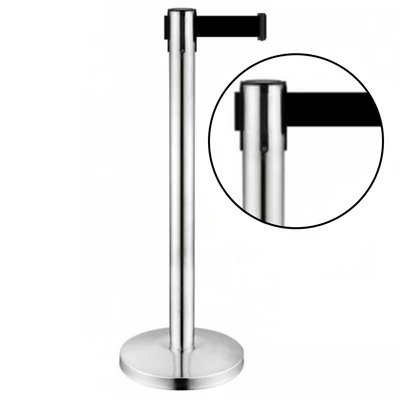
Request a quote – Guidance and delimitation post, silver, with retractable tape, black, 3 meters See options – Guidance and delimitation post, silver, with retractable tape, black, 3 meters752,44 lei
outOut of stock
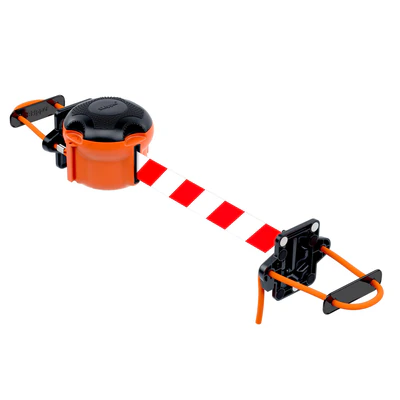
Request a quote – Retractable band post Skipper9m white/red (kit) See options – Retractable band post Skipper9m white/red (kit)27,01 lei
In stock
in6 variant
Request a quote – Touch mark for visually impaired people 400x400 mm See options – Touch mark for visually impaired people 400x400 mm158,99 lei
Made to order
ord Request a quote – Guide and delimitation post, chromed, with retractable band, red, 3 meters See options – Guide and delimitation post, chromed, with retractable band, red, 3 meters550,01 lei
In stock
in Request a quote – Sticker for tactile markings See options – Sticker for tactile markings55,00 lei
outOut of stock
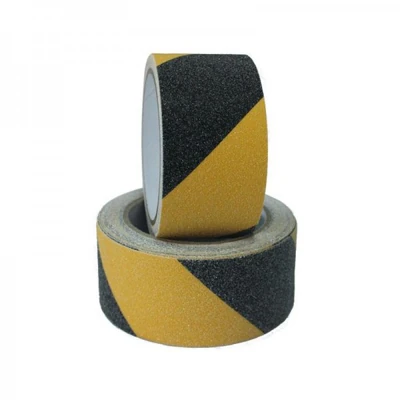
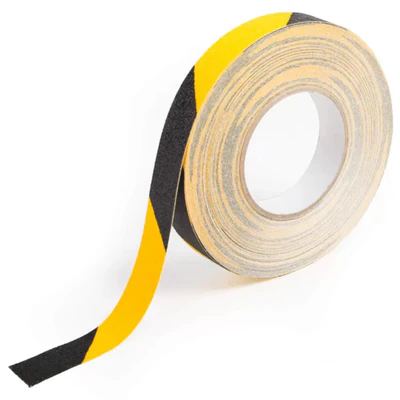
Request a quote – Black-yellow ladder anti-slip strip See options – Black-yellow ladder anti-slip strip39,00 lei
Made to order
ord Request a quote – Black-yellow anti-slip strip for stairs 2.5 cm See options – Black-yellow anti-slip strip for stairs 2.5 cm39,00 lei
Made to order
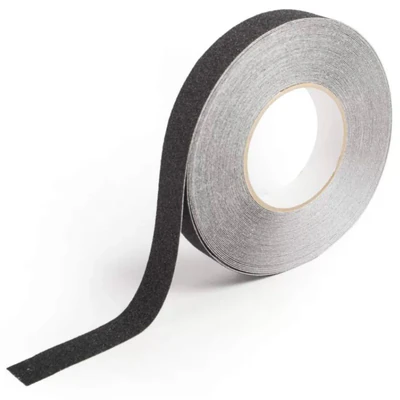
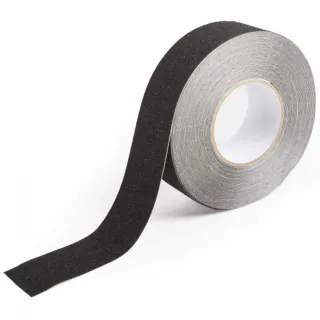
ord Request a quote – Black self-adhesive anti-slip tape, 2.5 cm x 25 m See options – Black self-adhesive anti-slip tape, 2.5 cm x 25 m59,00 lei
Made to order
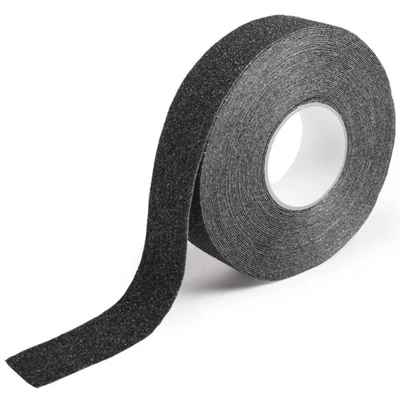
ord Request a quote – Anti-slip black tape, 5 cm x 25 m See options – Anti-slip black tape, 5 cm x 25 m149,00 lei
In stock
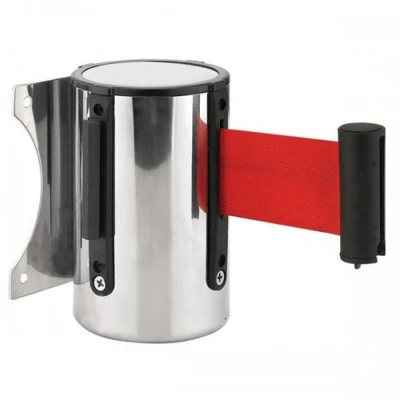
in Request a quote – Stoppers tape with wall grip mechanism, red color, length 3 meters See options – Stoppers tape with wall grip mechanism, red color, length 3 metersWe didn't find any products for the chosen filters.
Products in this category cover dimensions between 300 mm and 600 mm. Check the size, material and compatibility with your application in each product file.
In addition, for orders and questions, the TopTrafic.ro team offers delivery throughout the country and technical advice.
Orientation of pedestrian traffic implies organisation, guidance and delimitation of flows of persons in public or private spaces, so that the movement is safe, logical and efficient.
It's not just about the indicators. It is an integrated system which may include:
The main purpose is simple:
• reducing the risk of accidents
Prevention of congestion
• Fluidisation of circulation
• increasing comfort and safety
In spaces with intense traffic, the lack of a clear organisation leads quickly to chaos.
Here, effective guidance directly influences the customer's experience.
In such spaces, clarity of directions reduces stress and guidance time.
Clear separation between:
is essential for accident prevention.
Here, the solutions must be flexible and quick to install.
The absence of a clear guidance system may lead to:
A well thought out system offers:
✔ Increased safety
✔ Coherent flow
✔ Reducing stress
✔ Better access control
✔ Professional image
The efficient organisation of pedestal movement is an infrastructure element, not an optional detail.
A correct system is based on a few clear principles:
The indications shall be:
Arrows, symbols and simple messages reduce ambiguity.
Separators and barriers:
Depending on the context, the solutions may be:
Used for:
They may be:
Very effective in:
May indicate:
Ideal for:
They are mobile and easy to reconfigured.
Recommended for:
Guide plates and tactile warning for:
They contribute to the accessibility and legal compliance.
In many cases, the combination of the two is ideal.
For outdoors, resistant materials are required to:
Ask yourself:
Areas such as:
requires additional alerting.
In public spaces, certain rules concerning:
must be respected.
For outdoors → resistant materials
For indoors → aesthetic and durable solutions
A lack of real flow analysis
□ Exclusive use of markings without physical delimitation
• Indicators located too high or too low
Ambiguous Messages
Ignoring people with disabilities
An effective organization begins with planning.
From practical experience:
A good system is the one that works without further explanation.
An unmaintained system becomes inefficient.
Investment in the correct orientation of pedestrian traffic is not a cost, but a safety measure.
By establishing a single meaning and clear delimitation of the waiting areas.
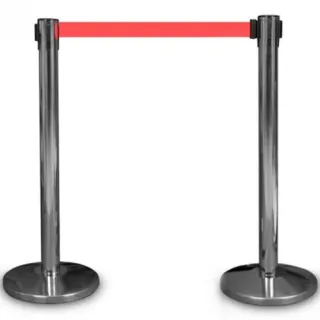
The retractable taped pillars and modular fences are the most flexible.
In many public spaces, yes, according to accessibility rules.
Orientation of pedestrian traffic is an essential element in any area with movement of persons.
The correct combination of visual signalling, physical delineation and intelligent planning results in a safe, efficient and predictable flow.
A well thought out system reduces risks, increases comfort and contributes to a modern and responsible infrastructure.
Get our offers and news once a month. You can unsubscribe at any time.