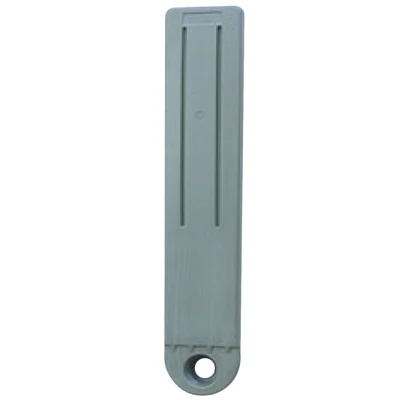
What anti-orbiting panels are and why they are essential in modern road infrastructure
At night, one of the most dangerous phenomena in traffic is temporary blindness caused by headlamps of vehicles of the opposite direction. Even a fraction of a second without visibility may mean a delayed reaction, sudden braking or a serious accident.
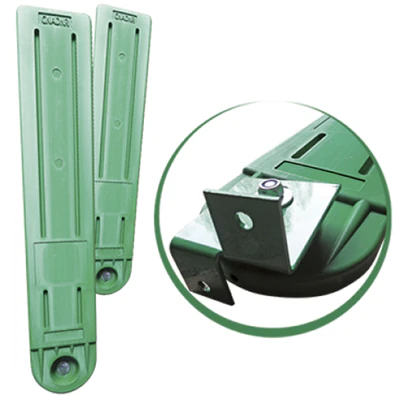
Anti-orbiting panels are safety elements generally mounted on the median area of the roads – on metal or concrete parapets – with the role of blocking the light beam of the headlamps and preventing temporary loss of visibility.
These systems are used in particular on:
- motorways
- express roads
- National roads with intense traffic
- Sectors with reduced medial separation
- areas with a level difference between directions
I am a discreet but extremely important component of modern infrastructure.
The real problem: the effect of blindness in traffic
What does temporary blindness mean?
When a driver is directly exposed to the light of the headlamps, especially the long phase or the strong LED/Xenon, the pupil contracts quickly. The return to normal adaptation can take a few seconds.
In this interval:
- decreased capacity to assess distance
- decreases the clarity of the contours
- increases the risk of leaving the band
- increase reaction time
On the highway, at 130 km/h, a second is more than 36 meters traveled almost "in blind.
How anti-orbiting systems work
The principle is simple: blocking the direct propagation line of the light beam between senses.
The panels shall be designed so that:
- allow air circulation
- reduce wind pressure
- do not affect parapet stability
- be effective at various angles
The design with vertical or inclined blades prevents the direct passing of light, but does not create a total opaque barrier.
Where to mount most frequently
On W-beam type metal parapet
It is one of the most common applications. The systems are adapted for quick attachment to existing structures.
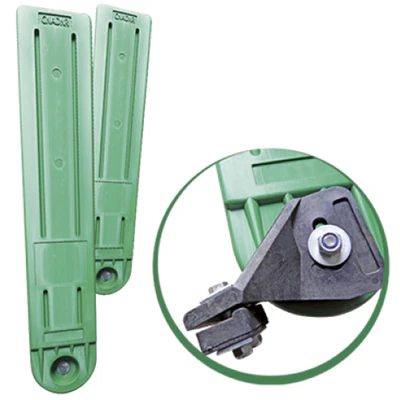
On the median parapet of concrete
It needs dedicated catch systems, but it provides high stability.
In sectors with a difference in level
In areas where the senses are at different heights, the headlamps can have a direct angle to the eyes of the drivers. Here the efficiency of the system is critical.
Actual safety benefits
1. Reduction of night accidents
Statistically, serious accidents increase at night, and blindness is a major contributor. The installation of these systems contributes to risk reduction.
2. Increased visual comfort
The leadership becomes more relaxed, especially in long distances.
3. Adaptation to modern traffic
Modern vehicles have much stronger lights. Infrastructure must keep up.
4. Passive solution without complex maintenance
Once properly assembled, minimal intervention is required.
Types of anti-orbiting panels
UV-resistant plastic panels
- Lightweight
- flexible
- resistant to extreme temperatures
Modular systems with vertical blades
- High efficiency
- Quick mounting
- easy replacement of damaged elements
Panels integrated in parapet
- unit design
- used in new infrastructure projects
Important differences between options
Height
The optimum height depends on:
- Median width
- Road type
- level difference between senses
Density of lamelles
A smaller space between elements:
- provides better protection
- increase wind resistance
Material
The quality materials shall be:
- UV-resistant
- ice-resistant
- resisting minor impact
How to choose the right solution
Common question: "What type of anti-orbiting panels are suitable for my highway?
The answer depends on:
1. Type of existing parapet
The compatibility check is essential.
2. Traffic intensity
Traffic hard and constant requires sustainable systems.
3. Climate conditions
Windy areas require aerodynamic structures.
4. Local regulations
It is important to comply with the technical standards in force.
Common errors in implementation
- Choosing an Insufficient Height
- Ignoring Level Differences
- Improper fixing on the parapet
- Choice of materials without UV protection
- Lack of assessment of wind resistance
An incorrect mounted solution can vibrate excessively or can deteriorate rapidly.
Professional recommendations
Based on experience in infrastructure projects:
- Choose certified systems for road use.
- Evaluate wind exposure before installation.
- Choose modular solutions for easy maintenance.
- Integrate anti-orbital design from the technical design phase.
Safety should be planned, not improvised.
Maintenance and lifespan
They are designed for long-term use, but it is recommended that:
- Annual visual inspection
- Checking catch elements
- Replacement of damaged modules
Life expectancy may exceed 10–15 years in normal conditions.
Frequently asked questions
"Are they mandatory on highways?
In many modern projects, yes, especially in the intensive traffic sectors.
"Does it affect visibility during the day?
No, no. The design is designed to block direct light from the headlamps, not natural light.
"Can they be later mounted on existing roads?
Yeah, most systems are designed for retrofitting.
Why I'm a smart investment
Road safety does not only mean markings and indicators. It means eliminating invisible risks.
Anti-orbital panels:
- reduce real risks
- improve driving experience
- increase safety level without major intervention in infrastructure
- offers constant protection, 24/7
Conclusion
In the context of increasing traffic intensity and modern lighthouse technology, protection against blindness is no longer optional.
Anti-orbiting panels are a mature, efficient and necessary solution for safe night-time roads.
Implemented correctly, they become a discrete barrier between risk and prevention – exactly where it matters most: between the two senses of circulation.