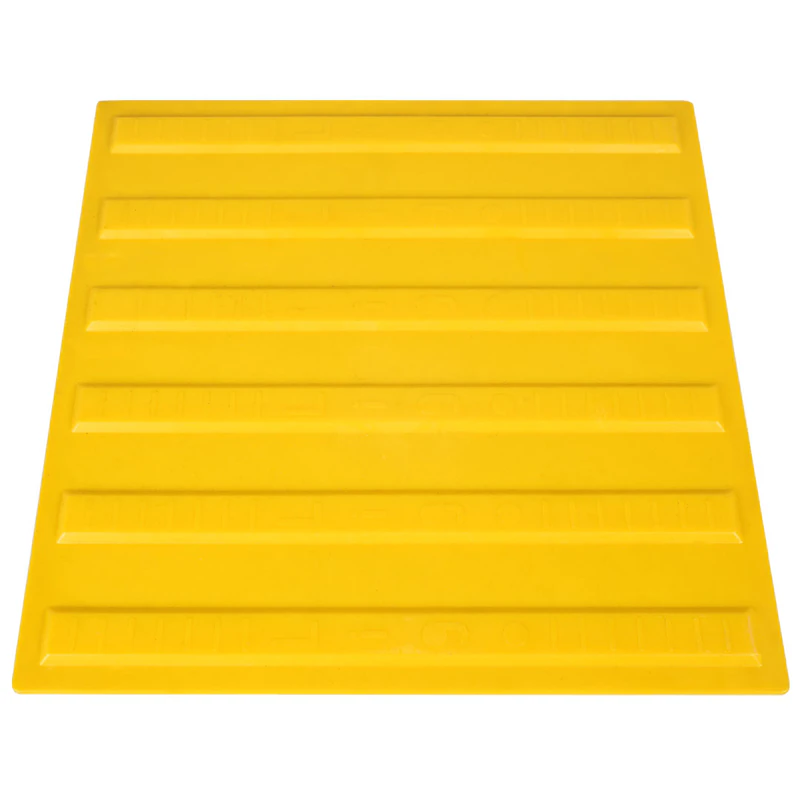
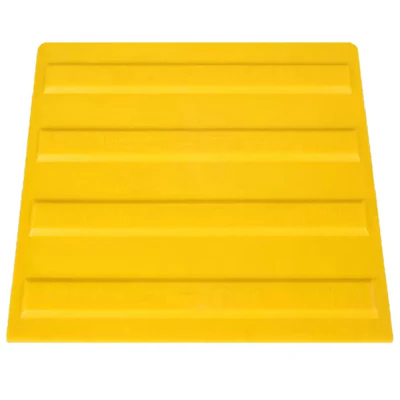
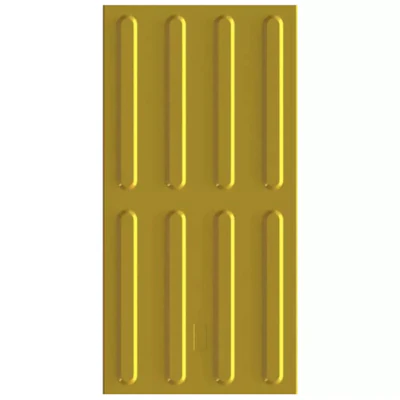
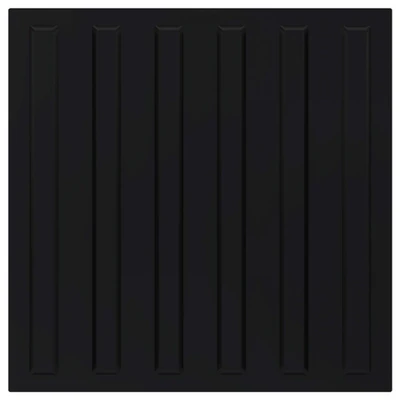
In a world where accessibility is no longer optional, but a legal and moral need, touch mark for visually impaired people 400x400 mm becomes an essential element in the design of public and private spaces. This type of directional or warning tactile paving is specially designed to guide people with impaired vision safely, providing them with autonomy and confidence in movement.
If you run a building, design an urban space, or implement accessibility-compliant solutions, this product is exactly what you need: sustainable, visible, anti-slip and in accordance with international standards.
What is the touch mark for visually odded people 400x400 mm and why it is indispensable
Tactical markings are signalling elements mounted on pedestal surfaces, which transmit information by touch (with the cane or foot sole). Model of 400x400 mm is one of the most used formats due to the perfect balance between visibility and modularity.
How it works
These plates are provided with:
- striations (line) – for directional guidance
- buttons (points) – for warning (danger, direction change, obstacle)
Through these texts, the user quickly perceives the route or risks around it.
Types of tactile markings and practical uses
Directional tactile marking
Ideal for:
- guide on the sidewalk
- inner corridors
- routes to stations, airports or malls
Tactical warning marking
Mount in critical areas:
- margin of the peron
- the beginning of the stairs
- pedestrian crossings
- high risk areas
Essential technical specifications for touch marking 400x400 mm
Dimensions and structure
- Standard format: 400 x 400 mm
- Variable fat (depending on material)
- Anti-slip textured surface
Material available
- Polyurethane (PU) – flexible, impact-resistant
- Industrial PVC – economic and easy to assemble
- Stainless steel – for intensive traffic
- Aluminium anodised – resistance and premium design
Resistance and sustainability
- Resistant to heavy pedestrian traffic
- UV protection (not discolored)
- Resistance to water, ice and chemicals
Installation
- Professional adhering
- Mechanical fixing (screws)
- Quick installation on concrete, asphalt, gravel
Where to use tactile markings for visually odded people
Public spaces
- urban sidewalk
- Transport stations
- intersections
Commercial buildings
- shopping malls
- hotels
- supermarkets
Institutions
- hospitals
- schools
- public institutions
Industrial spaces
- production hal
- Logistical deposits
Real benefits for the user and investor
Increased safety
It reduces the risk of accidents and provides clear guidance to people with impaired vision.
Legal compliance
It complies with accessibility requirements (European and local rules).
Professional image
Demonstrate social responsibility and care for users.
Long-term reduced costs
High durability = fewer replacements.
Why the size 400x400 mm is the optimal choice
- Efficient surface coverage
- Simple modular assembly
- Compatibility with most projects
- Excellent visibility
Detailed technical characteristics
Anti-skid surface
Regardless of the weather conditions, the marking provides optimal adherence.
Strong Visual Contrast
Available in standard colours:
- yellow (most commonly used)
- grey
- black
Mechanical resistance
It supports intense traffic without deformation.
Commercial benefits for customers
- Increase accessibility of your space
- Reduce legal risks
- Improve user experience
- Add Project Value
- Demonstrate social responsibility
- Complying with European standards
- Get a sustainable and efficient solution
How to choose the right tactile marking
Depending on location
Interior vs. exterior
Depending on traffic
Reduced or intense traffic
Depending on the budget
PVC (economic) vs. stainless steel (premium)
Installation and maintenance
Installation
- Surface cleaning
- Adhesive application or mechanical fixation
- Correct alignment
Maintenance
- Periodic cleaning
- Verification of fixation
- Timely replacement if necessary
FAQ – Frequently Asked Questions
1. Is the assembly of tactile markings mandatory?
Yes, in many public spaces it is required by accessibility legislation.
2. Can they ride on the outside?
Yeah, they're weather and UV resistant.
3. What is the difference between models?
The difference is in texture: lines (direction) vs points (warning).
4. Can they ride on the road?
Yes, with special adhesive or mechanical grip.
5. What lifespan do they have?
Between 5 and 15 years, depending on the material and traffic.
6. Are they visible to people without disabilities?
Yes, visual contrast helps all users.