What is the light signal?
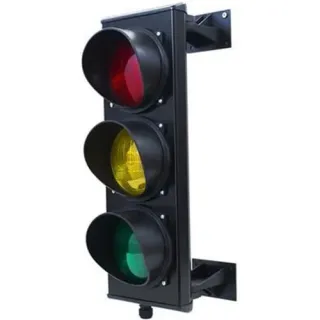
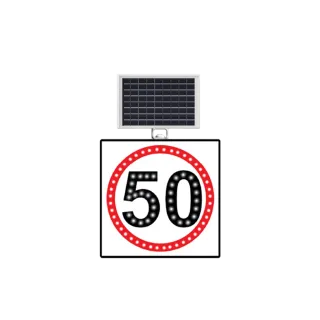
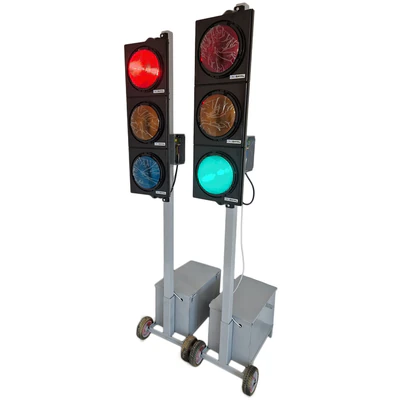
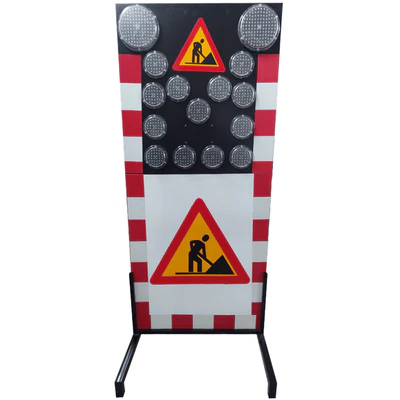
Light signal includes all devices and systems that use visible light to warn, guide or signal participants in traffic, industrial employees or pedestrians. These may be Markers, traffic lights, LED indicators, warning lamps and light bands.
The main purpose is to safety and visual clarity, allowing for correct orientation even in low visibility or at night.
Synonyms and similar terms: light signaling, light warning systems, LED beacons, Light indicators, road and industrial lighting devices.
Where the light signal is used
The light signal is essential in multiple contexts:
- Roads and motorways – for separation of bands, guidance signs and emergency signals
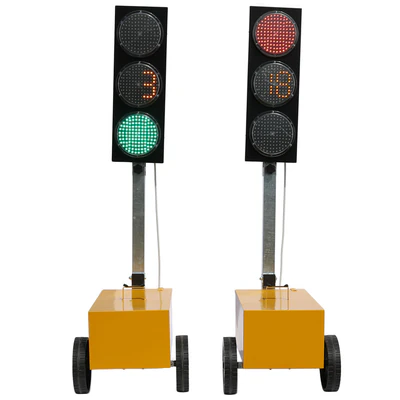
- Intersecting and rotating senses – light lights and light lights
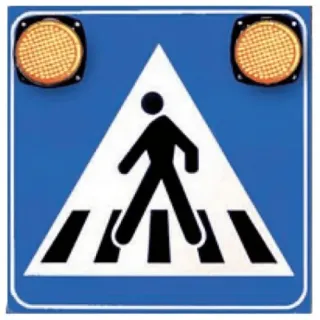
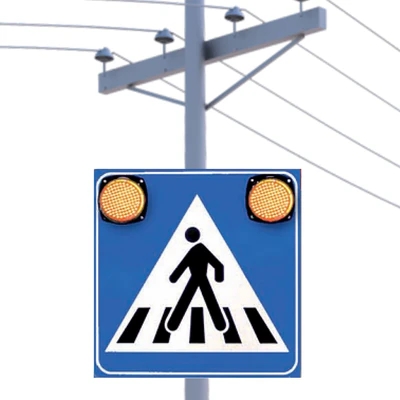
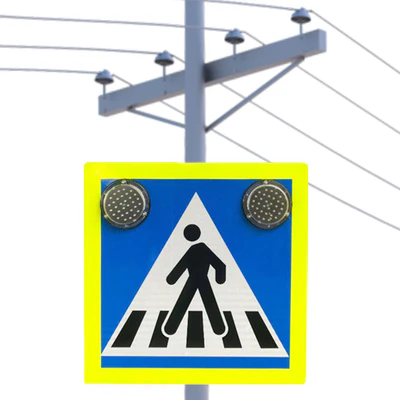
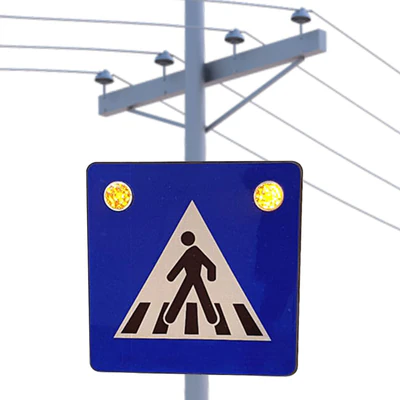
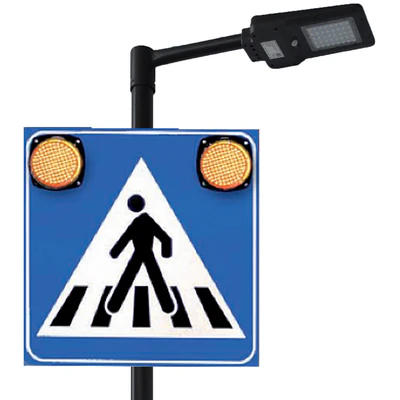
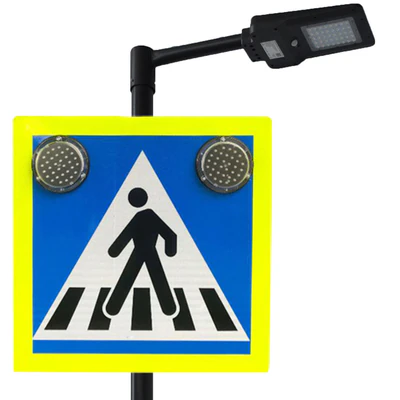
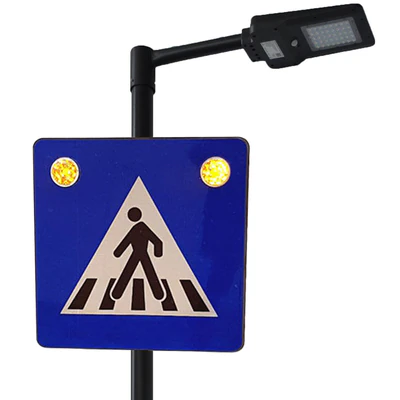
- Pedestrian tracks and pedestrian crossings – safety light lines and signals
- Industrial and logistical areas – warning for machinery and employees
- Parks and airports – visible markings and markings for orientation
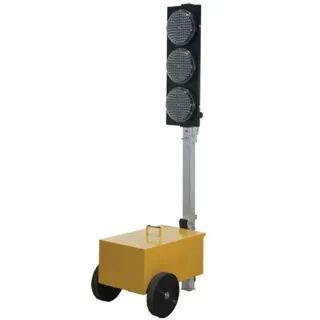
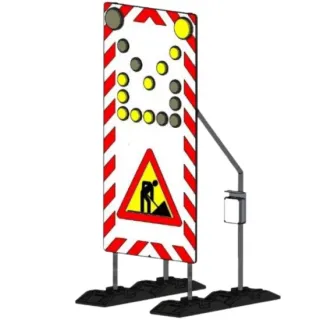
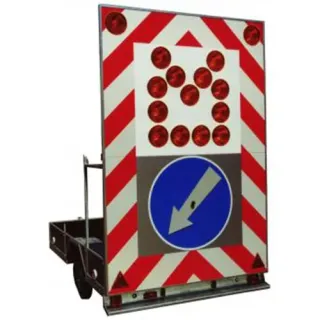
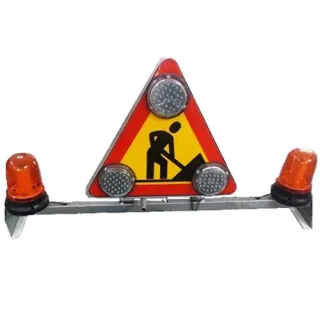
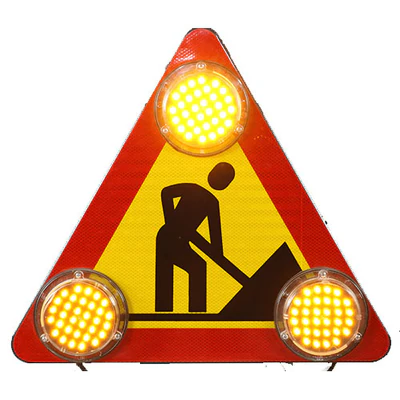
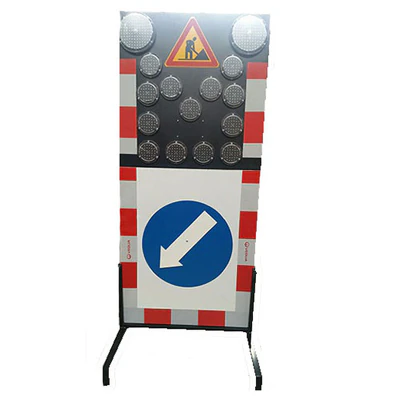
- Construction and temporary works – mobile signaling for the safety of participants
How the light signal works
Light signaling works by issuing a visible beam of light, which may be:
- Fixed or intermittent – for warning and drawing attention
- Colored – Standard colors: red, yellow, green, blue for different types of signaling
- Automated or manual – can work on motion sensors, timers or remote controls
- LED or xenon – different technologies for optimal visibility and durability
These devices are designed to be weather resistant, impact and temperature variations, ensuring continuous operation under any conditions.
Why is it important to signal light
Road and industrial safety
Light beacons and signals reduce accidents, guiding traffic and alerting participants to hazards.
Optimum visibility
In low visibility, fog, rain or night, the light signal ensures the correct orientation.
Compliance with standards
Compliance with road and industrial rules ensures legality and uniformity.
Operational efficiency
Automatic or intermittent systems allow traffic optimization and rapid alerting in case of emergency.
Real benefits for users and administrators
- Clear vision day and night
- Reducing the risk of accidents
- Effective guidance for road, pedestrian and industrial traffic
- High durability and low maintenance
- Flexibility: temporary parking or mobility
Types and variants of light signals
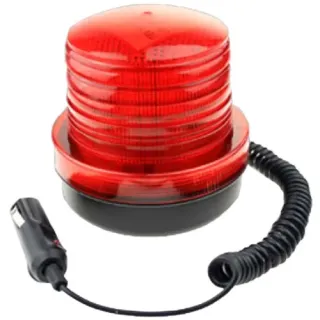
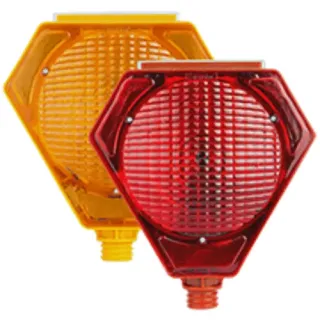
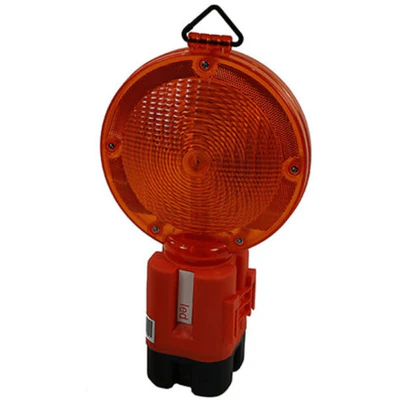
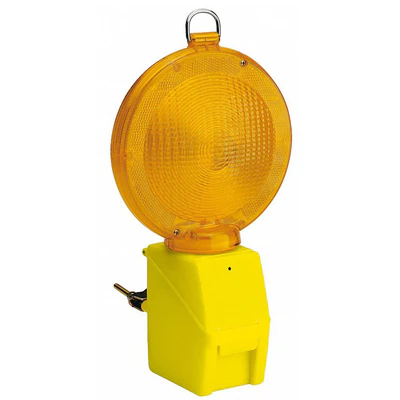
Light beacons
- Fixed or mobile
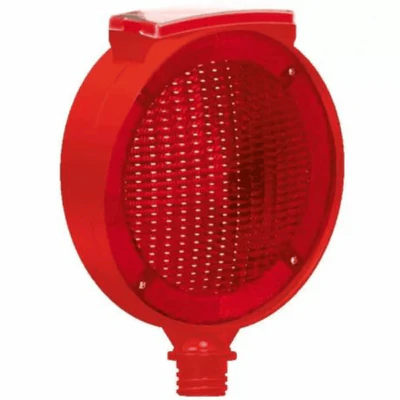
- Intermittent LEDs for warning in traffic or construction
Integrated LED systems
- Road signs and permanent pedestal signs
- Efficient for intersections and dangerous crossings
Light indicators and panels
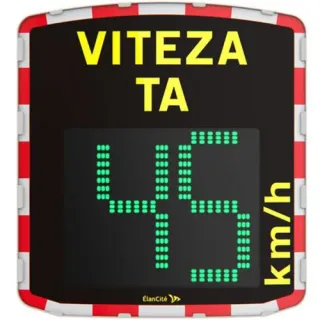
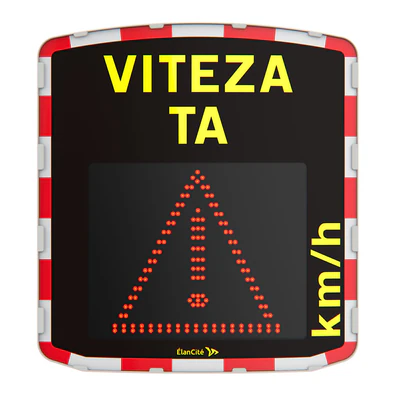
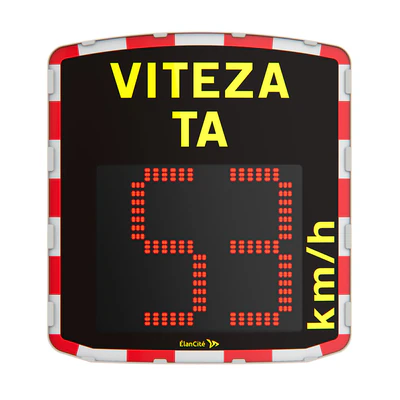
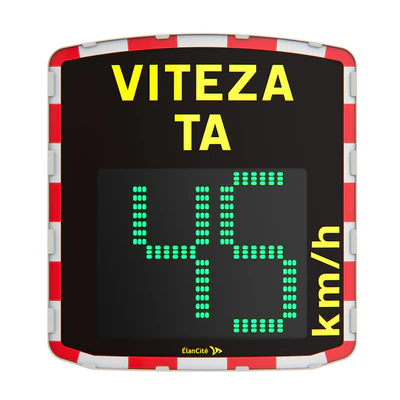
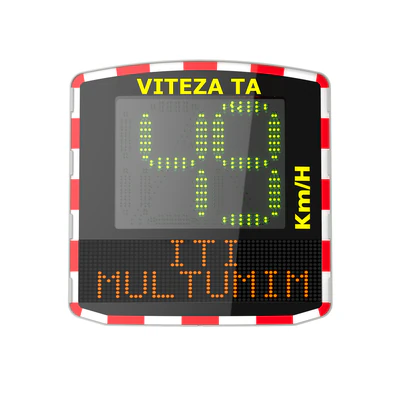
- Light text or symbols for guidance and warning
- Used on motorways, airports and parks
Warning lamps and headlamps
Temporary reporting
- Construction and construction of infrastructure
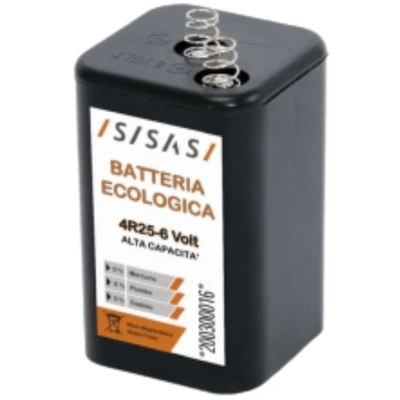
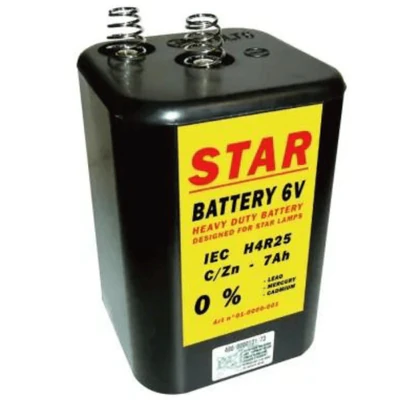
- Easy to install and relocate, with solar power source or batteries
Relevant differences between options
- Durability and resistance: LED > halogen > xenon
- Mobility: temporary beacons vs. integrated systems
- Visibility: color, intensity and intermittent way
- Feeding: electric network, batteries or solar panels
How to choose the right light signal
1) Purpose and context
- Road traffic: beacons, LED traffic lights
- Industrial zones: warning lamps and integrated systems
- Temporary construction: mobile beacons and intermittent lights
2) Visibility and technology
- LED for sustainability and reduced consumption
- Standardized colours according to the rules
3) Resistance and maintenance
- Rain resistant devices, dust, extreme temperatures
- Periodic verification and cleaning of lenses
4) Compliance with regulations
Frequent mistakes and how to avoid them
- Choosing the wrong light for traffic or space
- Uniform or unsafe installation
- Lack of regular maintenance and verification
- Ignoring light standards and codes
- Excessive or unclear use of signaling
Professional recommendations
- Opt for LEDs for reduced consumption and maximum visibility
- Integrate lighting systems with vertical signalling and road markings
- Plan location according to traffic flow and visibility conditions
- Regularly check the operation and cleaning of devices
- Use temporary signaling only where necessary
Maintenance and good practice
- Regular cleaning – Dust or dirt reduce light intensity
- Periodic testing – checking the intermittence and operation of LEDs
- Re-application and replacement – ensure sustainability and continuous visual efficiency
Frequently Asked Questions about Light Signaling
What is the light signal?
System or device using visible light for road, industrial or pedestal warning and guidance.
Where is it used?
On roads, intersections, parking lots, industrial areas, pedestal tracks and yards.
What types are there?
Light beacons, LED systems, light panels, warning lamps and temporary signalling.
Is it mandatory at night?
Yes, in areas with intense traffic or reduced visibility, light signals increase safety.
Modern context: light signaling and technology
Modern lighting devices integrate with intelligent traffic, sensor and monitoring systems. They allow automatic alerting, optimisation of road traffic and accident prevention, even in extremely low visibility or at night.
Conclusion
Light signal is a key component of road, pedestrian and industrial safety and guidance. The correct choice of type, professional location and regular maintenance ensures maximum visibility, sustainability and operational efficiency, transforming any space into a safe and well-organized environment.