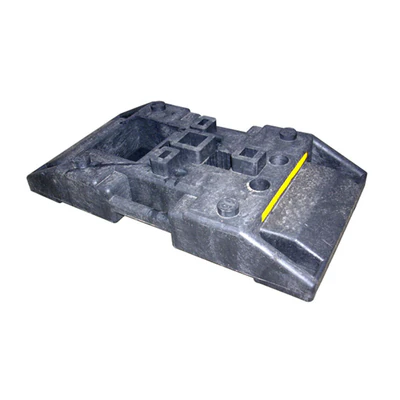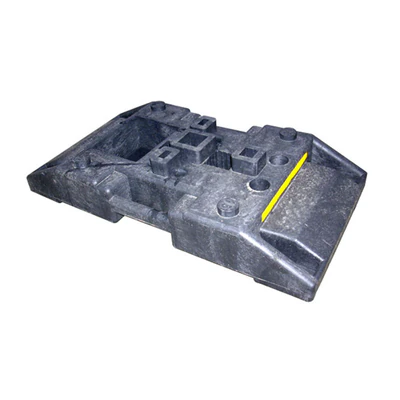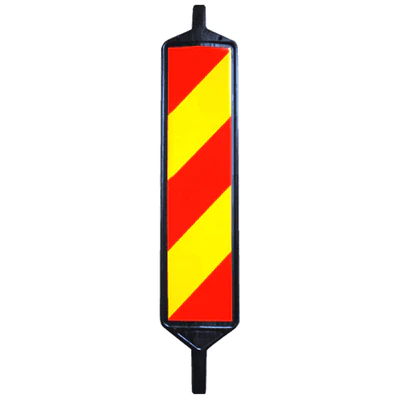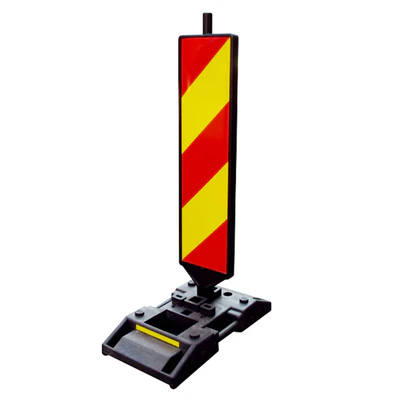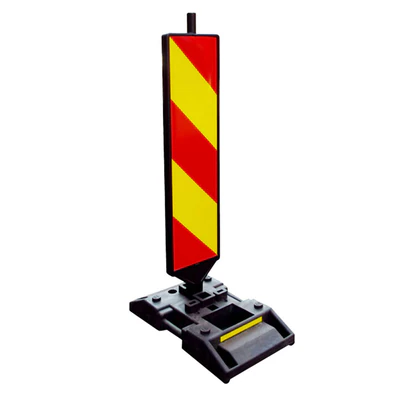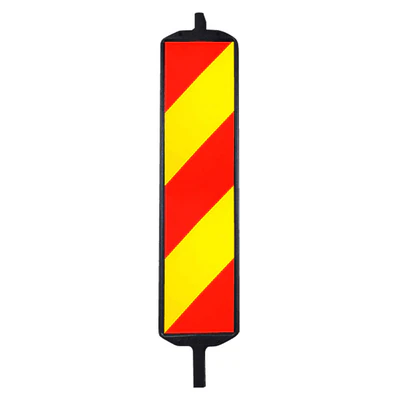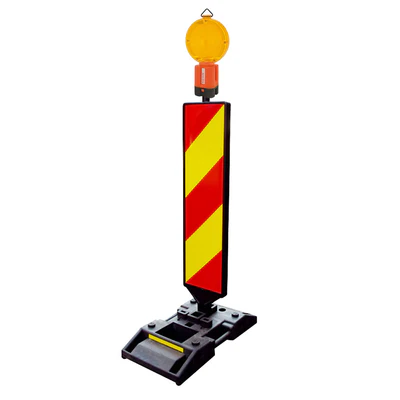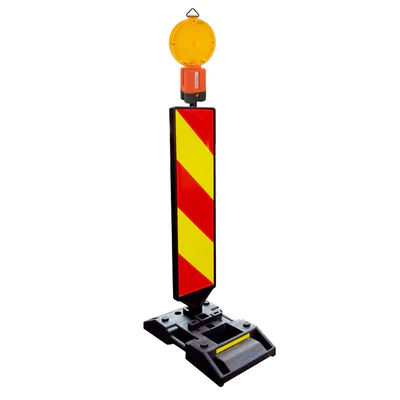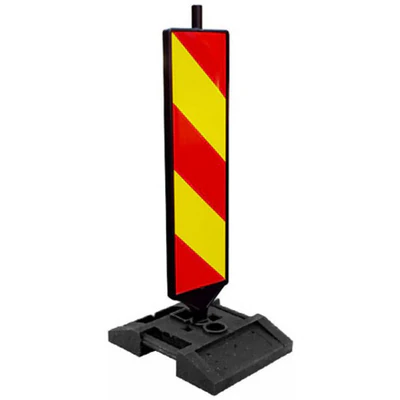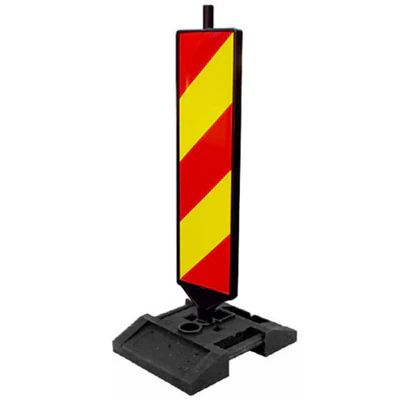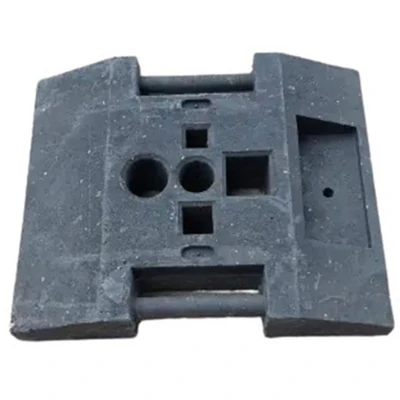
18 kg heavy base for directional beacon
70,00 lei
In stock
in Request a quote – 18 kg heavy base for directional beacon See options – 18 kg heavy base for directional beaconWe use strictly necessary cookies to run the site and, only with your consent, to remember viewed products, for visit statistics and for YouTube video playback. You can change your mind at any time from “Cookie settings” at the bottom of the page. Cookie policy
Technical advice: 021 450 60 70 · Fast delivery nationwide · Blog
Directional beacons effectively guide traffic in areas with works or obstacles, ensuring safety and clarity for drivers.
70,00 lei
In stock
in Request a quote – 18 kg heavy base for directional beacon See options – 18 kg heavy base for directional beacon100,00 lei
outOut of stock
Request a quote – Heavy base of 15 kg for directional beacon See options – Heavy base of 15 kg for directional beacon100,00 lei
In stock
in Request a quote – Directional beacon signalling works left-right ocollation Class 1, 1000x250 mm See options – Directional beacon signalling works left-right ocollation Class 1, 1000x250 mm170,00 lei
Made to order
ord Request a quote – Directional beacon signalling works 800x200 mm, right ocollation, class 1 foil See options – Directional beacon signalling works 800x200 mm, right ocollation, class 1 foil170,00 lei
Made to order
ord Request a quote – Directional beacon signalling works 800x200 mm, left ocollation, class 1 foil See options – Directional beacon signalling works 800x200 mm, left ocollation, class 1 foilPrice on request
In stock
in8 variant
Request a quote – Kit directional beacon signalling left ocollation works Class 1 with heavy base of 15 Kg See options – Kit directional beacon signalling left ocollation works Class 1 with heavy base of 15 KgPrice on request
In stock
in8 variant
Request a quote – Set directional beacon signalling works right bypass Class 1 heavy base 15 kg See options – Set directional beacon signalling works right bypass Class 1 heavy base 15 kgPrice on request
In stock
in4 variant
Request a quote – Directional markings signalling works ocollier left with reflective leaflet Class 1 See options – Directional markings signalling works ocollier left with reflective leaflet Class 1Price on request
In stock
in4 variant
Request a quote – Directional beacon signaling right ocolourite works with reflective leaflet Class 1 See options – Directional beacon signaling right ocolourite works with reflective leaflet Class 1Price on request
In stock
in8 variant
Request a quote – Package directional marking signalling works left bypass Class 1 with heavy base of 15 Kg and flashing light See options – Package directional marking signalling works left bypass Class 1 with heavy base of 15 Kg and flashing lightPrice on request
In stock
in8 variant
Request a quote – Group beacon directional signaling works right bypass Class 1 with heavy base of 15 Kg and flashing light See options – Group beacon directional signaling works right bypass Class 1 with heavy base of 15 Kg and flashing light183,15 lei
In stock
in Request a quote – Directional signalling kit signalling works left-right bypass Class 1 with heavy base of 15 kg See options – Directional signalling kit signalling works left-right bypass Class 1 with heavy base of 15 kg160,00 lei
In stock
in Request a quote – Directional signalling kit signalling works left-right bypass Class 1 with heavy base of 18 Kg See options – Directional signalling kit signalling works left-right bypass Class 1 with heavy base of 18 Kg169,99 lei
In stock
in Request a quote – Directional signalling kit signalling left-right ocollation works Class 1 with heavy base of 28 kg See options – Directional signalling kit signalling left-right ocollation works Class 1 with heavy base of 28 kg203,12 lei
outOut of stock
Request a quote – Directional signalling kit signalling left-right ocollation works Class 2 with heavy base of 15 Kg See options – Directional signalling kit signalling left-right ocollation works Class 2 with heavy base of 15 Kg194,99 lei
In stock
in Request a quote – Directional signalling kit signalling left-right ocollation work Class 2 with heavy base of 18 kg See options – Directional signalling kit signalling left-right ocollation work Class 2 with heavy base of 18 kg208,99 lei
In stock
in Request a quote – Directional signalling kit signalling left-right ocollation works Class 2 with heavy base of 28 kg See options – Directional signalling kit signalling left-right ocollation works Class 2 with heavy base of 28 kg23,00 lei
In stock at supplier
sup Request a quote – Custom sticker for directional beacons See options – Custom sticker for directional beaconsPrice on request
In stock at supplier
sup Request a quote – Kit directional beacon signalling works right bypass Class 1 with heavy base of 18 Kg See options – Kit directional beacon signalling works right bypass Class 1 with heavy base of 18 KgPrice on request
In stock at supplier
sup Request a quote – Kit directional beacon signalling works right bypass Class 2 with heavy base of 18 Kg See options – Kit directional beacon signalling works right bypass Class 2 with heavy base of 18 KgPrice on request
In stock at supplier
sup Request a quote – Kit directional beacon signalling works left bypass Class 1 with heavy base of 18 Kg See options – Kit directional beacon signalling works left bypass Class 1 with heavy base of 18 KgPrice on request
In stock at supplier
sup Request a quote – Kit directional beacon signalling works left bypass Class 2 with heavy base of 18 Kg See options – Kit directional beacon signalling works left bypass Class 2 with heavy base of 18 KgWe didn't find any products for the chosen filters.
The products in this category cover dimensions between 200 mm and 300 mm and loads up to 28 kg. You can compare OEM and Generic variants. Check the size, material and compatibility with your application in each product file.
In addition, for orders and questions, the TopTrafic.ro team offers delivery throughout the country and technical advice.
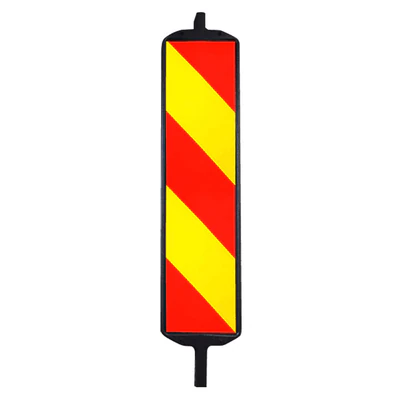
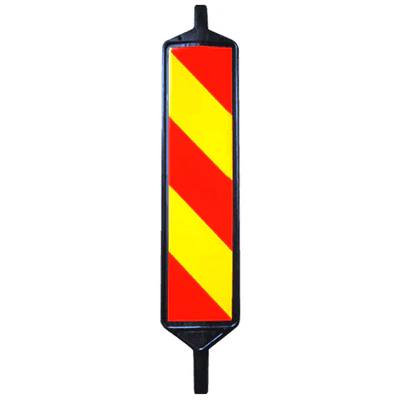
Directional beacons are equipments of temporary road signs used to guide and organise traffic in areas with works, prohibitions or obstacles. They're part of the category visual signalling systems and are essential for safety of participants in traffic, providing clear indications of the route the vehicles are to take.
Marks may be made from Plastic, rubber or metalI can be reflector or equipped with Light elements for increased visibility at night or under unfavourable weather conditions.
The directional markings shall apply in:
By using it correctly, the directional markers help to reducing the risk of accidents and to maintaining fluid traffic.
The basic principle is simple: Tags show visual the correct path, and drivers must follow the directions to avoid restricted areas.
Operating types and features include:
Correct mounting and maintenance of beacons are essential for Signalling efficiency.
Directional beacons are crucial for:
Without beacons, traffic becomes Haotic and dangerous, increasing the risk of accidents and infrastructure damage.
The right choice depends on type of work, area traffic and duration of the alert.
Get our offers and news once a month. You can unsubscribe at any time.