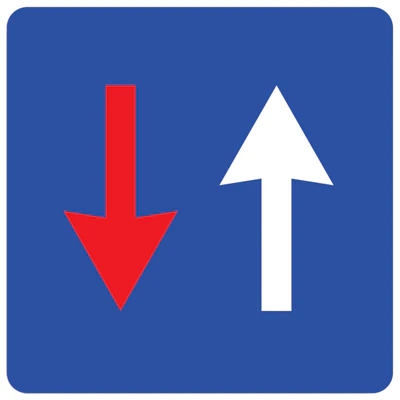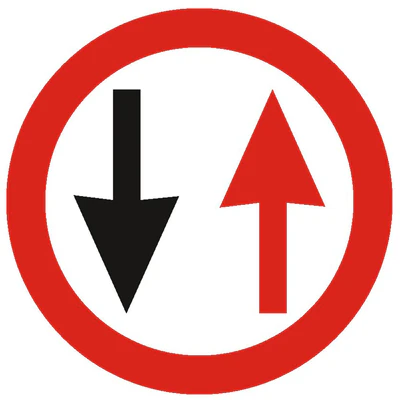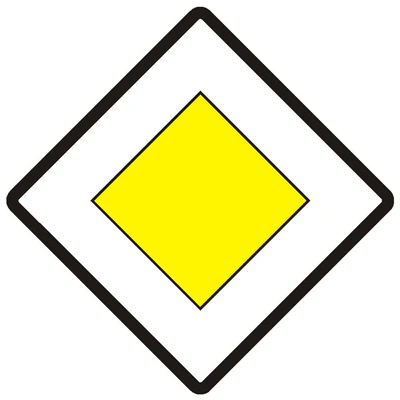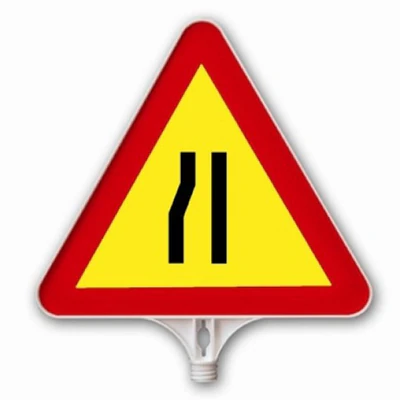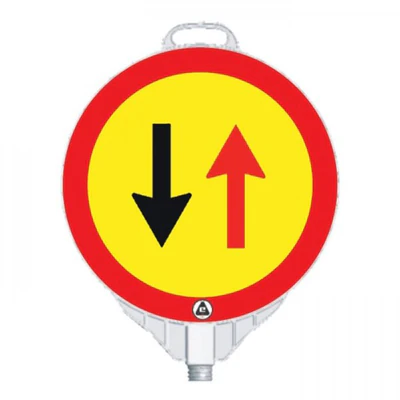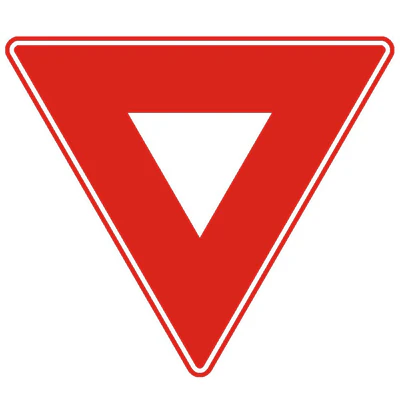
Priority indicator B1 gives way to 700 mm pass
105,00 lei
In stock
in Request a quote – Priority indicator B1 gives way to 700 mm pass See options – Priority indicator B1 gives way to 700 mm passWe use strictly necessary cookies to run the site and, only with your consent, to remember viewed products, for visit statistics and for YouTube video playback. You can change your mind at any time from “Cookie settings” at the bottom of the page. Cookie policy
Technical advice: 021 450 60 70 · Fast delivery nationwide · Blog
Road signs are standardised signs mounted on roads to inform, warn and regulate traffic, contributing directly to road safety.
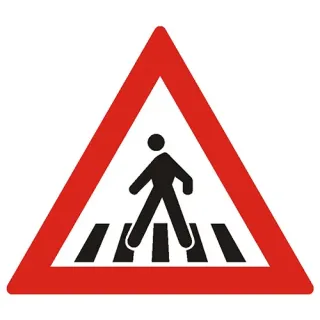 Warning signs
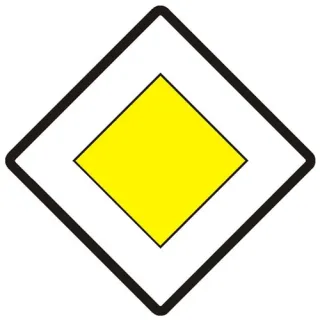 Priority signs
 Prohibition signs
 Mandatory signs
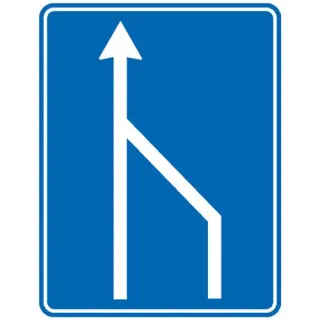 Direction signs
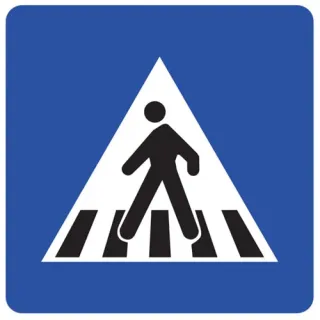 Information signs
 Tourist signs
 Additional panels
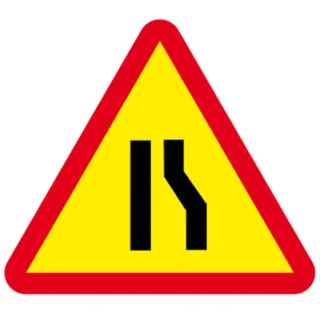 Temporary signs
 Plastic signs
 Positions for indicators
105,00 lei
In stock
in Request a quote – Priority indicator B1 gives way to 700 mm pass See options – Priority indicator B1 gives way to 700 mm pass140,00 lei
In stock
in Request a quote – Priority indicator B2 stop 600x600 mm See options – Priority indicator B2 stop 600x600 mm65,00 lei
Made to order
ord Request a quote – Plastic road sign, works See options – Plastic road sign, works144,99 lei
In stock
in Request a quote – Priority indicator B5 priority for inverse circulation 600 mm See options – Priority indicator B5 priority for inverse circulation 600 mm175,00 lei
In stock
in Request a quote – Priority indicator B3 road with priority 600x600 mm See options – Priority indicator B3 road with priority 600x600 mm65,00 lei
Made to order
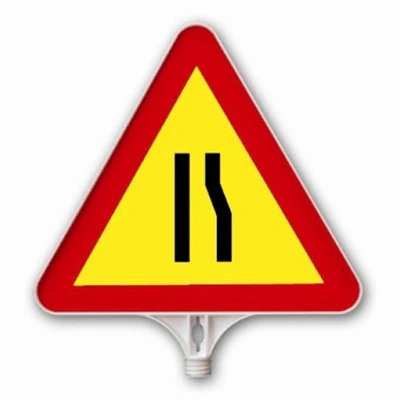
ord Request a quote – Road sign, narrow road on the left side, 440x390 mm, plastic See options – Road sign, narrow road on the left side, 440x390 mm, plastic65,00 lei
Made to order
ord Request a quote – Road sign, narrow road on the right side, 440x390 mm, plastic See options – Road sign, narrow road on the right side, 440x390 mm, plastic54,00 lei
Made to order
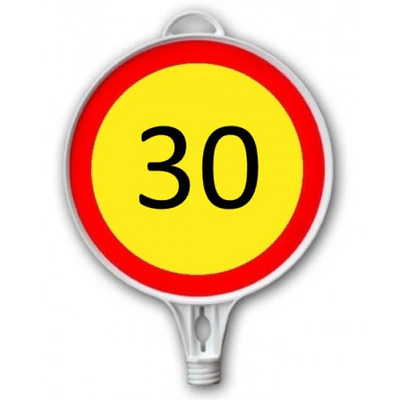
ord Request a quote – Plastic road sign, speed limitation 30 km See options – Plastic road sign, speed limitation 30 km55,00 lei
outOut of stock
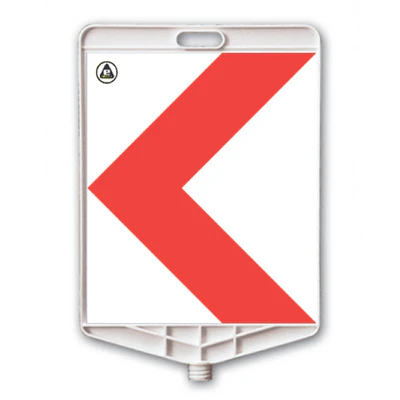
Request a quote – Road sign, dangerous curve panel left, 350x410 mm, plastic See options – Road sign, dangerous curve panel left, 350x410 mm, plastic54,00 lei
Made to order
ord Request a quote – Plastic road sign, parking forbidden, diameter 380 mm See options – Plastic road sign, parking forbidden, diameter 380 mm55,00 lei
outOut of stock
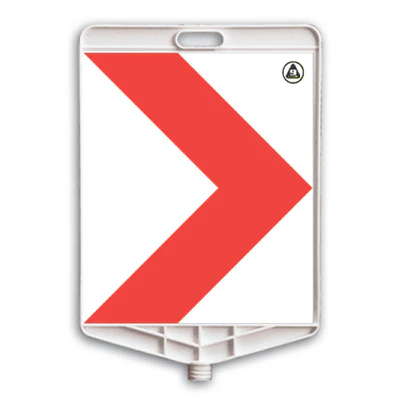
Request a quote – Road sign, dangerous curve panel on the right, 350x410 mm, plastic See options – Road sign, dangerous curve panel on the right, 350x410 mm, plastic54,00 lei
Made to order
ord Request a quote – Road sign, priority for reverse circulation, diameter 380 mm, plastic See options – Road sign, priority for reverse circulation, diameter 380 mm, plastic31,00 lei
outOut of stock
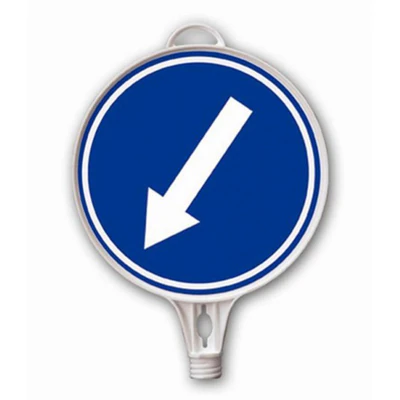
Request a quote – Plastic road sign, left bearing Ø 280 mm See options – Plastic road sign, left bearing Ø 280 mm503,15 lei
In stock at supplier
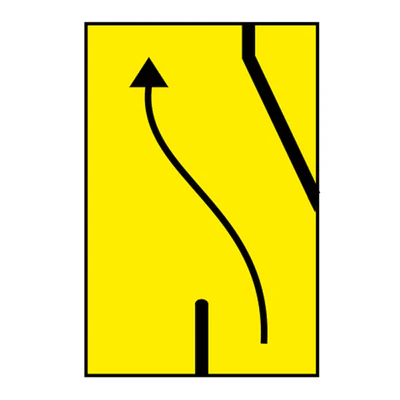
sup Request a quote – Temporary slaughter U23, temporary road sign See options – Temporary slaughter U23, temporary road sign503,15 lei
In stock at supplier
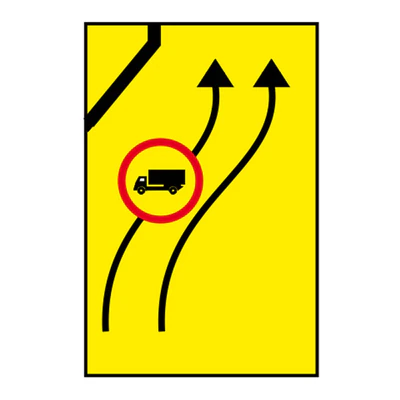
sup Request a quote – Temporary slaughter U24, temporary road sign See options – Temporary slaughter U24, temporary road sign503,15 lei
In stock at supplier
sup Request a quote – Temporary slaughters U25, temporary road sign See options – Temporary slaughters U25, temporary road sign105,00 lei
In stock
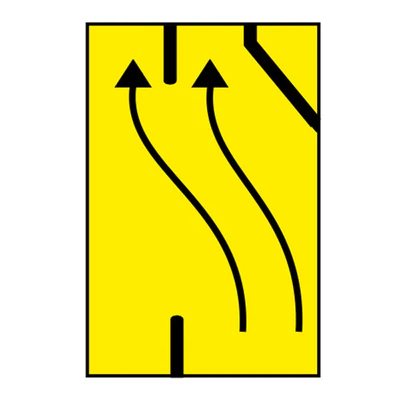
in Request a quote – Dangerous U4, road sign temporary See options – Dangerous U4, road sign temporary105,00 lei
In stock
in Request a quote – Other hazards U11, temporary road sign See options – Other hazards U11, temporary road sign1.257,87 lei
In stock at supplier
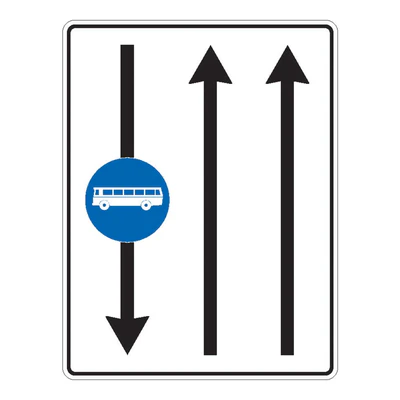
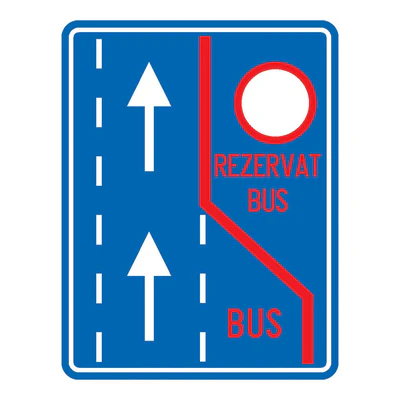
sup Request a quote – Traffic lane reserved for public passenger transport vehicles F28, guidance indicator See options – Traffic lane reserved for public passenger transport vehicles F28, guidance indicator503,07 lei
In stock at supplier
sup Request a quote – F22 slow vehicle circulation band, guidance indicator See options – F22 slow vehicle circulation band, guidance indicator440,26 lei
In stock at supplier
sup Request a quote – Band reserved for the circulation of public passenger transport vehicles F15, guidance indicator See options – Band reserved for the circulation of public passenger transport vehicles F15, guidance indicator179,99 lei
In stock
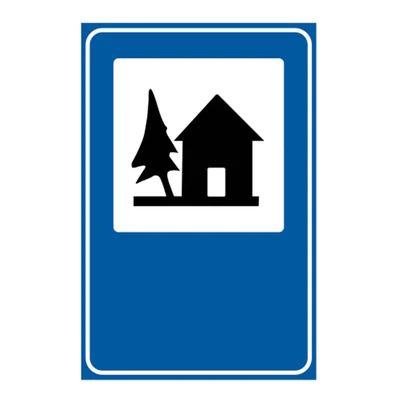
in Request a quote – Tourist cabin, G28, information indicator, 650x500 mm, reflective sheet class 1, painted steel See options – Tourist cabin, G28, information indicator, 650x500 mm, reflective sheet class 1, painted steelWe didn't find any products for the chosen filters.
The products in this category cover dimensions between 48.3 mm and 2500 mm. You can compare variants from Protrafic, MFK, No Mark, ONSEC and U13. Check the size, material and compatibility with your application in each product file.
In addition, for orders and questions, the TopTrafic.ro team offers delivery throughout the country and technical advice.
Road indicators are one of the most visible and important components of traffic infrastructure. Without them, circulation would quickly become chaotic, and the risk of accidents would increase significantly. Though we see them daily, few know in depth the real role, differences between types, selection criteria or correct mounting and maintenance rules.
This page is designed as a complete guide, explained on everyone's understanding, but sufficiently detailed for professionals: authorities, construction companies, road managers, real estate developers or yard managers.
Road indicators are visual signalling devices, with standardised shapes, colours and symbols, used to quickly transmit essential information to traffic participants.
Without these signs, the rules would remain theoretical, hard to apply in real situations.
In these circumstances, adapted road signs prevent confusion and reduce risks.
Road indicators operate on the basis of Universal visual language, internationally recognised:
The human brain processes this information in fractions of a second, even at high speeds.
Studies show that correct signaling significantly reduces:
When everyone understands the rules, behavior becomes predictable, and risks decrease.
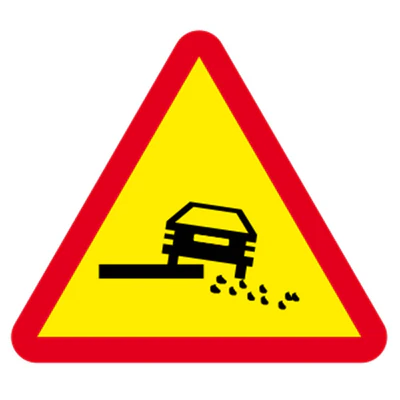
Warning of a potential hazard:
I'll set the order of passage:
Constraints certain actions:
I'm imposing a clear behavior:
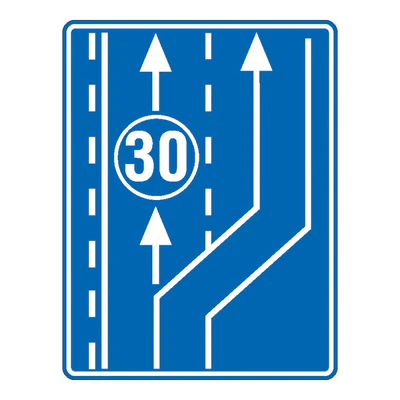
Provides guidance and useful information:
Always choose indicators certified, complying with standards, even if the initial cost is higher.
All these errors lead to confusion and decrease the efficiency of signaling.
Road indicators are not simple metal plates, but critical instruments for safety, order and responsibility. The right choice, professional assembly and regular maintenance make the difference between a safe and a dangerous road.
This category brings together solutions designed for clarity, sustainability and compliance, so that each road, parking or enclosure works properly and safely.
Get our offers and news once a month. You can unsubscribe at any time.