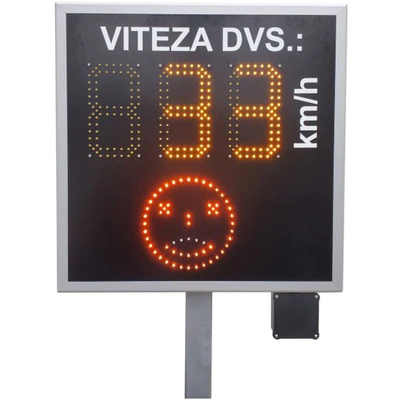
How to choose speed indicators
Products in this category cover dimensions between 585 mm and 660 mm. Check the size, material and compatibility with your application in each product file.
In addition, for orders and questions, the TopTrafic.ro team offers delivery throughout the country and technical advice.
What are the speed indicators
Speed indicators are Road signs informing drivers about maximum or minimum speed limit allowed on a particular road sector. They're part of the category regulatory signs and are essential for traffic safety and to reduce accidents.
These indicators may be in the form of Reflecting panels, Electronic or Classic metal or plasticAnd their design respects national and international standards Road signs.
Where to use
The speed indicators shall be mounted in all areas where speed should be regulated, for example:
- National roads and motorwaysto avoid dangerous overruns and accidents;
- Urban areas, close to schools, hospitals or pedestrian crossings;
- Dangerous curves and intersections, where speed reduction is critical;
- Construction and construction of infrastructure, for the protection of workers and traffic;
By correctly placing these indicators, the authorities can ensure a safer and more predictable traffic flow.
How it works
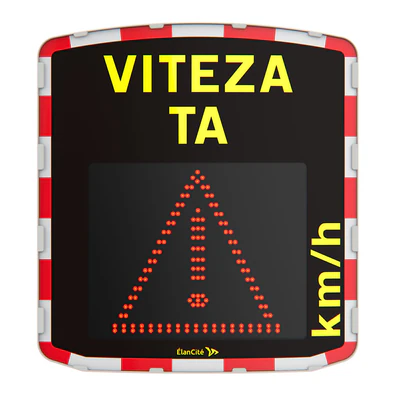
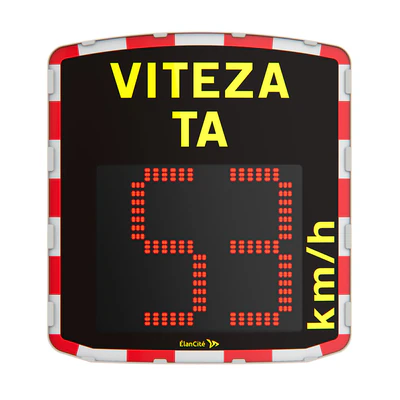
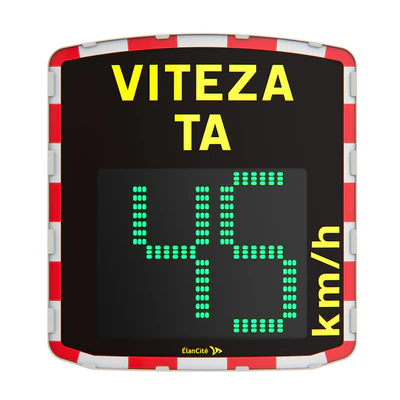
The basic principle is simple: Driver observes sign and adjusts speed as indicated. Some modern indicators include:
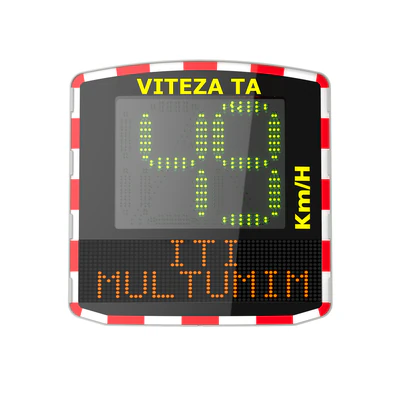
- LEDs or digital displayswhich may be adjusted according to traffic or weather conditions;
- Speed sensors, which detects the speed of motor vehicles and warns visually or sound;
- Reflectorization, for visibility at night or adverse weather conditions;
The correct operation depends on assembly at the appropriate height and distanceso they're visible from time to time for the driver.
Why They Are Important
Speed indicators are critical for Road safetybecause:
- reduce the risk of serious accidents;
- helps to maintaining fluid traffic;
- protect pedestrians and cyclists;
- allow the authorities to control and monitor speed in sensitive areas;
- contribute to compliance with road legislation.
Without these signs, Drivers would not have a clear signal for speed limitation, which increases the risk of incidents.
Real benefits for users
- Safer driving for drivers and passengers;
- Reduction of fines for speed exceeding;
- Prevention of infrastructure damage, because excessive speed can affect the carousable;
- Clarity and predictability, in particular in new areas or in intensive traffic;
- Adaptability to conditions, by dynamic or digital indicators.
Types and variants of speed indicators
There are several options, depending on the purpose and the environment of use:
1. Classic indicators of metal or plastic
- The most common;
- Reflectors for visibility at night;
- Resistant to weather and mechanical wear.
2. Digital or LED indicators
- They may be adjusted in real time;
- Additional messages (e.g. ‘Slippery path';
- Ideal for motorways and busy roads.
3. Temporary indicators
- Used in construction sites or work areas;
- Portable and easy to move;
- Reflectors and visible in all conditions.
Relevant differences between options
- Durability: metal vs. plastic;
- Visibility: reflector vs. LED;
- Flexibility: fixed vs. temporary;
- Costs: more expensive but more efficient digital indicators in high traffic.
The right choice depends on specific needs of the area, the budget and the applicable legislation.
How to choose a speed indicator correctly
- Determines the required speed limit for that area;
- Choose type of material according to the desired environment and sustainability;
- Check legal standards and signalling rules;
- Ensure optimal visibility (height, angle, reflectorisation);
- Consider dynamic options if the area has variable traffic or special conditions;
- Plan maintenance Regular to maintain visibility and functionality.
Common mistakes and how to avoid them
- Mounting too close or too far from the road: comply with regulatory boundaries;
- Selection of inappropriate materials: plastic in areas with intense traffic can be degraded quickly;
- Maintenance Ignorement: cleaning and periodic replacement prevent accidents;
- Overlapping signs or confusion with other indicators: ensure clarity and visual order.
Professional recommendations
- Always use products complying with European rules;
- Choose indicators with high quality reflectorisation;
- Periodically check the visibility and integrity of the signs;
- In areas with variable traffic, dynamic digital solutions;
- Road education combined with correct signaling increases speed.
Maintenance and good practice
- Regular cleaning to maintain visibility;
- Annual assembly verification and physical condition;
- Updating information on the digital indicators, if applicable;
- Avoiding location in areas where visual obstacles may hide the sign;
- Monitoring by cameras or sensors in sensitive areas to assess speed compliance.