Technical advice: 021 450 60 70 · Fast delivery nationwide · Blog

TopTrafic.ro
Offers
021 450 60 70 Contact

For companies and public institutions: purchasing via SEAP / SICAP details

Product categories
OffersSee discounts ›

Marking paint

The marking paint turns roads, parking lots and tracks into safe and visible spaces through durable lines and symbols.

What you find in the category Paint for markings

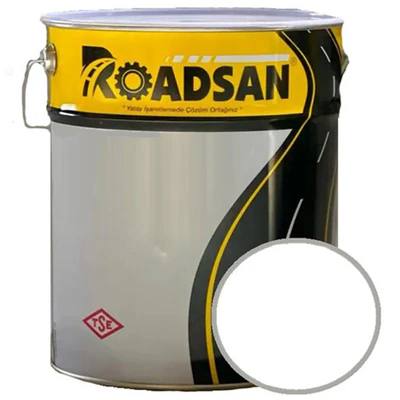
  • White paint for road marking
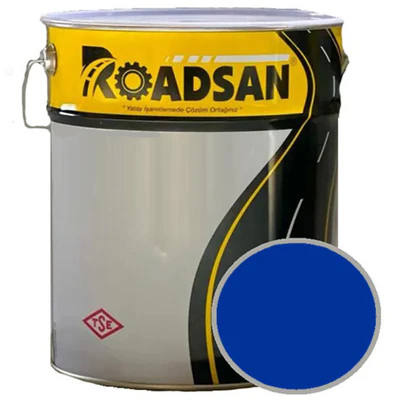
  • Blue paint for road marking
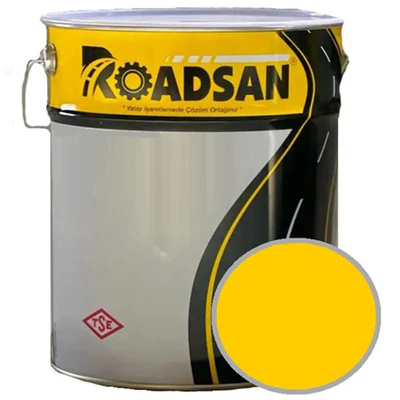
  • Yellow paint for road marking
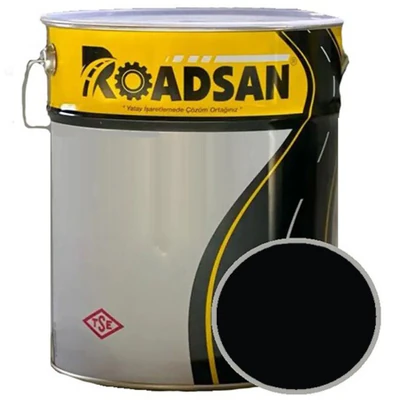
  • Black paint for road marking
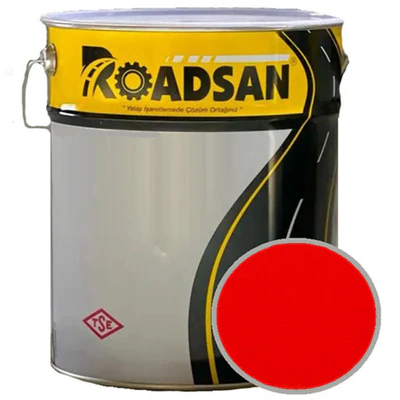
  • Red paint for road marking
  • Green paint for road marking

How to choose paint for markings

Products in this category cover loads of up to 25 kg. Check the size, material and compatibility with your application in each product file.

In addition, for orders and questions, the TopTrafic.ro team offers delivery throughout the country and technical advice.

What is the paint for markings

Marking paint is a material specially designed to apply lines, symbols and signals to road, industrial or pedestrian surfaces. It must be sustainable, visible under any weather conditions and comply with road or industrial safety standards.

The main purpose is to offer visual clarity and orientation in traffic or in private and public spaces. This is complementary to vertical signalling and together forms a coherent guidance and warning system.

Synonyms and similar terms: Road paint, thermoplastic paint, Reflective paint, Marking materials, markings on asphalt.


Where to use paint for markings

The paint for markings shall be widely applicable:

  • Public roads and motorways – directional separation lines, emergency strips
  • Parks and urban areas – delineation of parking spaces and pedestal guidance
  • Bicycle tracks and sidewalks – clear delimitation of the routes
  • Industrial areas and airports – organisation of internal traffic and logistics
  • Construction and temporary works – Provisional markings for the safety of workers and traffic participants

How the paint works for markings

The marking paint creates visual marks by:

  • Standardized colours: white, yellow, red or blue
  • Reflectivity: for visibility at night
  • Text: antislip on areas with intense traffic
  • Durability: resistance to wear, rain, UV rays and temperature variations

By applying the paint correctly, it provides visual guidance and helps to reduce the risk of accidents.


Why paint is important for markings

Road and pedestrian safety
Well visible markings allow drivers and pedestrians to navigate safely.

Traffic organisation and fluidisation
Band separation, directional signalling and directional indication contribute to more efficient traffic.

Durability and reduced maintenance
Modern materials reduce the costs of replication and maintenance.

Compliance with standards
Compliance with the road code or industrial rules ensures legality and uniformity.


Real benefits for users and administrators

  • Clear vision day and night
  • Reducing the risk of accidents and congestion
  • Effective guidance for drivers, pedestrians and cyclists
  • Durability and durability in time
  • Possibility of integration with intelligent traffic systems

Paint types for markings

Water-based road paint

  • Rapid dry, ecological
  • Ideal for medium and urban traffic

Solvent paint

  • Increased durability and wear resistance
  • Used on busy roads and industrial tracks

Thermoplastic paint

  • Solid material, applied to heat
  • Heavy traffic resistance and severe weather conditions

Reflective paint

  • Contains glass microspheres
  • Optimum visibility at night and rain

Temporary paint

  • For construction and temporary works
  • Easy to remove or recycle

Relevant differences between types of paint

  • Durability: thermoplastic > solvent > water
  • Apply: hot vs. cold, with a gun, a trafalet or a stamp
  • Visibility: with or without reflective micro-spheres
  • Cost and maintenance: ecological and fast vs. professional and resistant

How to choose the right paint for markings

1) Type of surface

  • Asphalt: road or thermoplastic paint
  • Concrete: solvent or thermoplastic
  • Pedestrian areas: ecological paint, anti-slip

2) Traffic and climate conditions

  • Intense traffic: thermoplastic or solvent
  • Areas exposed to rain and sun: reflective and sustainable

3) Standardisation and regulation

  • Compliance with road and industrial safety rules
  • Choose colors and symbols according to road codes

4) Easy to implement and maintain

  • Quick dry paint for temporary work
  • Durable materials for intensive traffic and public areas

Frequent mistakes and how to avoid them

  • Application to dirty or wet surfaces
  • Choosing inappropriate paint for traffic or material
  • Lack of reflection in the night zones
  • Temporary markings left permanently
  • Ignoring road or industrial code standards

Professional recommendations

  • Use certified and reflective materials
  • Meets road code standards and industrial rules
  • Plan the application of markings according to traffic and weather conditions
  • Integrate markings with safety and monitoring systems
  • Performs regular maintenance and refresher

Maintenance and good practice

  • Periodic cleaning: Dirtyness reduces visibility and sustainability
  • Visual verification: Make sure the markings are not damaged
  • Re-application as recommended by the manufacturer: maintain road safety and clarity

Frequently Asked Questions about Paint for Markings

What types of paint exist for markings?

Water-based paint, solvent, thermoplastic, reflective and temporary.

How does the paint apply for markings?

By laying, trafalet, pistol or hot pouring, depending on type and surface.

Is it mandatory to be reflective?

On public roads and motorways, reflective paint is recommended for night safety.

How do you maintain the markings?

Regular cleaning, re-refreshing at established intervals and checking visual integrity.


Modern context: paint for markings and technology

Modern paint integrates with intelligent traffic systems, detectors and monitoring cameras. Reflective and thermoplastic markings allow efficient traffic management and reduce the risk of accidents, even in the age of GPS and digital navigation.


Conclusion

Marking paint is essential for the safety and organisation of road, pedestrian and industrial traffic. The correct choice of type of paint, compliance with standards and professional application ensures visibility, durability and efficiency. The correct markings turn roads and urban spaces into safe and well-organized environments.

Subscribe to our newsletter and never miss a promotion

Get our offers and news once a month. You can unsubscribe at any time.
Cookie settings

Choose which categories you accept. Strictly necessary cookies are always active; the others start only with your consent and you can change them at any time. Cookie policy

They make the site work: shopping cart, favourites, customer account sign-in, form security and remembering your cookie choice. They cannot be disabled.

What we store (5)
  • erp-consent · This site · Stores your cookie choice. Duration: 365 days.
  • erpShop.cart · This site · Products in your shopping cart. Duration: until the cart is emptied.
  • erpShop.fav · This site · Products you saved to favourites. Duration: until you delete them.
  • __Host-tt_sess · This site · Keeps you signed in to your customer account. Duration: session (12 hours) or 30 days with “Remember me”.
  • __Host-tt_csrf · This site · Security: protects account forms against forged requests. Duration: session.

Remembers recently viewed products so you can find them easily. The data stays only in your browser.

What we store (1)
  • erpShop.seen · This site · Recently viewed products. Duration: until you delete them.

Shows us which pages are visited and how the site is used, so we can improve it (Google Analytics).

What we store (2)
  • _ga · Google Ireland Ltd. (Google Analytics) (third party) · Distinguishes visitors for visit statistics. Duration: 2 years.
  • _ga_G7HRBPB99K · Google Ireland Ltd. (Google Analytics) (third party) · Keeps the state of the visit session. Duration: 2 years.

Video clips played directly on YouTube (Google). When playing, YouTube can store data in the browser.

What we store (1)
  • YSC, VISITOR_INFO1_LIVE, yt-remote-* · Google Ireland Ltd. (YouTube) (third party) · Video playback and YouTube statistics; only after you start a video. Duration: session – 6 months.
Third-party providers (2)

Operator: IMPOR GROUP SRL · gdpr@impor.ro