How to choose markers for indicators
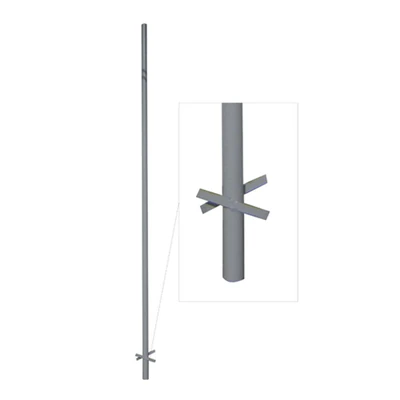
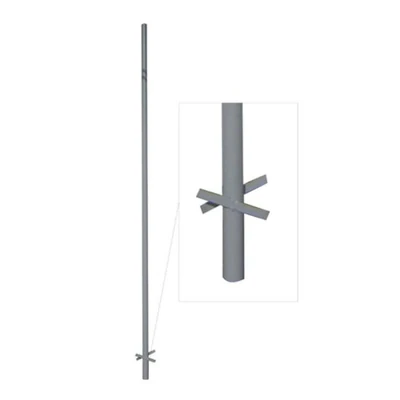
The products in this category cover dimensions between 48.3 mm and 60.3 mm. Check the size, material and compatibility with your application in each product file.
In addition, for orders and questions, the TopTrafic.ro team offers delivery throughout the country and technical advice.
What are the pillars for indicators
Flags for indicators are vertical structures Specially designed to support signs of circulation, information panels, warnings or various signals.
They offer stability and visibility, being essential in the urban, rural and road infrastructure environments.
The materials used, the shape and method of fixation vary according to the type of indicator and the environmental conditions.
Important aspect:
- Insure optimal visibility For drivers and pedestrians
- They support different types of panels, from road signs to information plates
- Contribute to the traffic safety
The role of pillars in road infrastructure
Stables are not just supports: they are part of the system of alerting and guidance, guiding participants in traffic and preventing accidents. In addition, the quality and correct location of the pillars influence the durability of signs and maintenance costs.
Where markers are used for indicators
Flags for indicators are used in a variety of contexts:
- Public roads and motorways — for warning signs, restrictions or directions
- Industrial parks and commercial areas – access, orientation or safety indicators
- Urban and residential areas – road signs, parking signs, pedestrian crossings
- Construction sites and temporary areas – provisional signs, warnings, restrictions
Practical benefit: Choosing the right frame for the context reduces the risk of damage and increases the visibility of signs.
How the flagposts work
The principle is simple: the pole supports the sign at an optimal height and keeps it stable.
Main element:
- Stack material: metal (galvanized steel, aluminium), concrete, treated wood
- Fixing: in the ground with foundation, in concrete, on mobile bases for temporary signs
- Panel support: clamping plates, clamps, adjustable systems
Technical functions
- Take over weight of indicators
- Resist on wind, weather and minor impact
- Allows changes or replacements easy signs
Why the Flags are Important for Indicators
Safety and visibility They're the main reasons. A correct post chosen and mounted:
- Reduce accidents by clear signaling
- Increase indicator durability
- Optimize long-term maintenance and costs
Real example: a low-quality position can lead to a tilting or falling of the sign, creating major risks for traffic participants.
Real benefits for the user
- Increased visibility and precise guidance
- Durability and resistance in various media
- Flexibility for changing or updating signs
- Reduced costs longer term through simpler maintenance
Types and variants of posts for indicators
After material
- Galvanized steel – resistant, durable, commonly used
- Aluminium – Easy, corrosion resistant
- Treated wood – aesthetic, used more rarely in urban areas
- Concrete – high stability, more difficult to install
After form and assembly
- Round – classic, aesthetic and functional
- Squares or rectangulars — for large panels
- Telescopic – Height adjustable
- Mobile support – for temporary signs
After use
- Permanent road posts
- Posts for temporary signs and construction
- Posts for urban and guidance indicators
Relevant differences between options
- Durability vs. cost – Galvanized metal resists more than wood
- Flexibility vs stability – telescopic posts are easily adjustable but less wind resistant
- Aesthetic vs. functionality – in cities prefer discreet or aesthetic posts
How to choose a right post for indicator
- Analyze the usage context – national road, urban street, industrial park
- Determine the type of sign – size, weight, visibility
- Choose Material – sustainability, maintenance, environmental resistance
- Check the mounting method — fixing in the ground, concrete or on a mobile basis
- Check the standards – road and local regulations
- Provide maintenance – Easy cleaning, protection against corrosion
Frequent mistakes and how to avoid them
- Surface mounting → unstable post → risk of falling
- Choosing a wrong material → rapid corrosion
- Dismissing Visibility → Signs hard to notice
- Ignoring local regulations → Mandatory fines or replacements
Solutions: use of certified materials, compliance with standards and periodic verifications.
Professional recommendations
- Use Other articles of heading 84.02 in environments exposed to weather
- Install signs at optimum height for maximum visibility
- Annually review the status of the pillars and signs
- For temporary signs, choose easy to move mobile posts
Maintenance and good practice
- Periodic cleaning of the pillars and signs for maximum visibility
- Check stability and fixation after storms or impact
- Apply layers of corrosion protection if material requires it
- Avoid unauthorized changes that may compromise safety
Conclusion
Flags for indicators are not just physical supports – they are Key elements for safety and traffic organisation. Proper choice, professional installation and proper maintenance ensure long-term functionality and optimal visibility. In any context, from national roads to urban parks, the pillars are the foundation of efficient signaling.