What are the mandatory indicators and what role do they play?
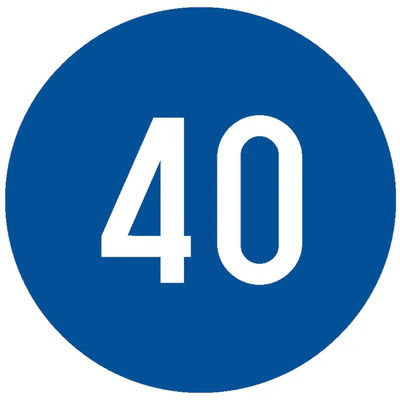
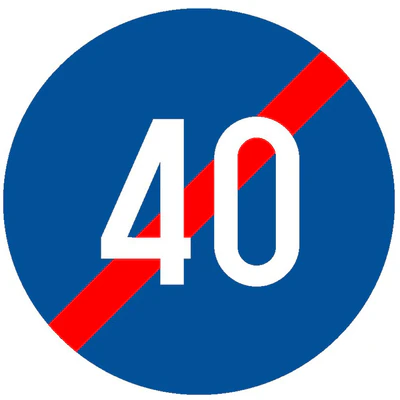
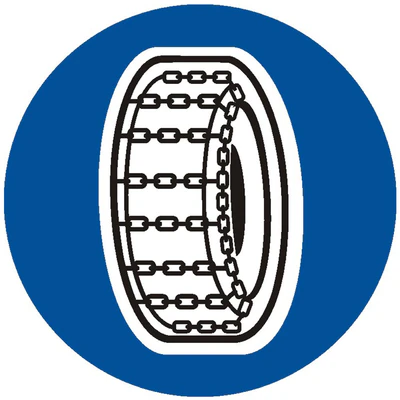
The compulsory indicators are part of the category of road signs with imperative character, having the role of indicating what to doNot what is forbidden or just recommended. They leave no room for personal interpretation and do not offer alternatives: the direction or behaviour indicated is mandatory.
Unlike other signalling categories, these indicators:
- do not warn
- does not inform
- does not restrict optionally
ci impose a clear action, necessary for traffic safety and fluency.
Why are the mandatory indicators essential in traffic
In many road situations, the problem is not the lack of rules, but lack of clear direction. The binding indicators solve this problem exactly.
They are essential for:
- elimination of intersecting hesitations
- separation of traffic flows
- prevention of frontal or lateral conflicts
- guidance of participants in complex areas
A driver who knows exactly what to do reacts faster and safer.
Where the mandatory indicators are used
Urban intersections
In cities, these indicators are frequently used for:
- imposition of mandatory shifts
- Driving traffic on strips
- Avoiding blockages in road nodes
Extra-urban roads
On national or county roads, they help to:
- separation of senses
- guide of the circles
- organisation of working areas
Special areas
The mandatory indicators appear frequently in:
- Rotating senses
- industrial zone
- Parking spaces
- Bicycle tracks
- areas with mixed traffic
How the obligation indicators work
Their operation is based on Instant recognition. I'm easy to identify due to:
- circular form
- blue colour
- Clear and standardised white symbols
The message is perceived quickly, even at higher speeds, and the driver knows immediately which direction should be followed or which action is mandatory.
Types of obligor indicators
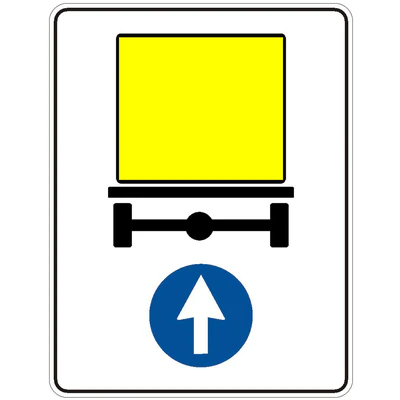
Mandatory direction ahead
Indicates that:
- movement is done exclusively before
- Turns left or right are forbidden implicitly
It is frequently used in intersections where turns would create conflicts.
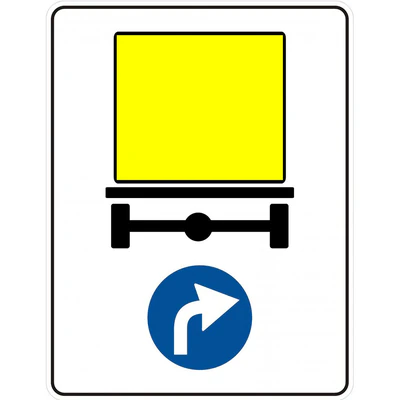
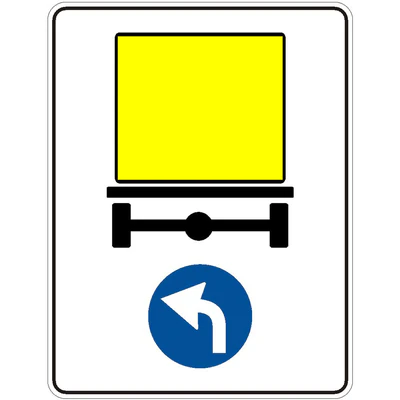
Mandatory right/left direction
These indicators require:
- one-way turn
- removal of other travel options
They are essential for:
- unique senses
- narrow areas
- separation of traffic flows
Mandatory direction before or on the right/left
Provides two clear options, but both are restrictive. Other directions are completely excluded.
This type of signalling is useful in complex intersections where:
- return would be dangerous
- certain directions should be deleted
Obligatory circumvention
Indicates that an obstacle must:
- ocolyte on the indicated part
- without exceptions
It is often found in:
- Working areas
- narrow roads
- Temporary restricted areas
Mandatory rotating direction
This indicator:
- signal entry in a rotating direction
- requires compliance with its specific rules
It is essential to prevent confusion and wrong entry.
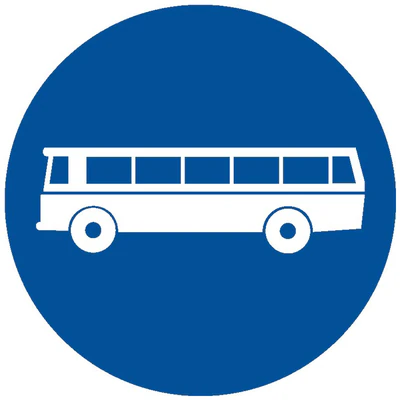
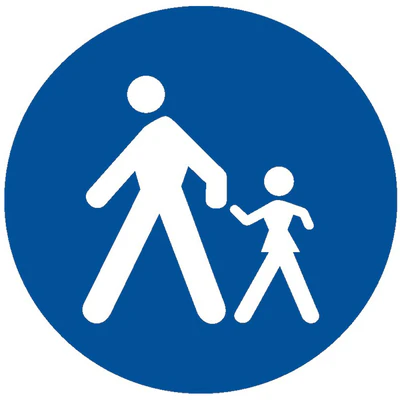
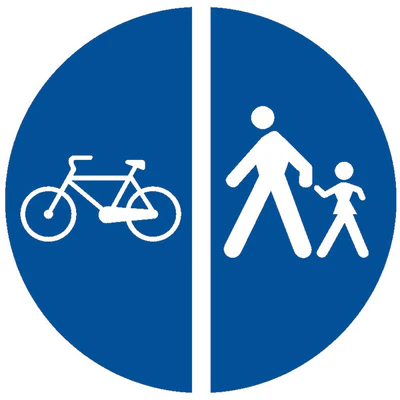
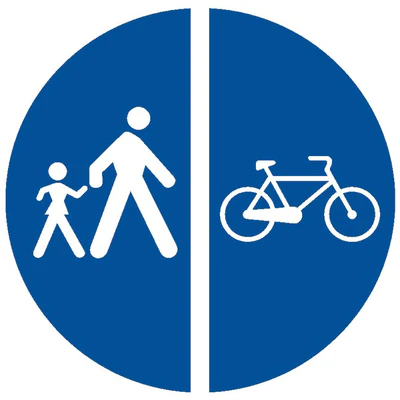
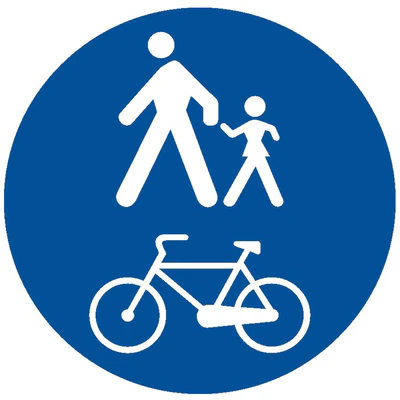
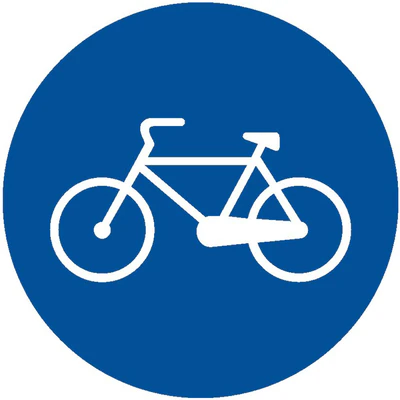
Binding tracks and roads for certain categories
There are dedicated obligation indicators for:
- bicycles
- pedestrians
- slow vehicle
- combinations of participants
These help to:
- protecting vulnerable participants
- clear separation of types of traffic
Difference between obligor and prohibition indicators
Although they may seem opposite, they work complementaryly:
- Force – say what needs to be done
- Prohibition – say what you're not allowed to do
A mandatory indicator implicitly deletes all other options without listing them.
Real benefits for users
The obligation indicators have clear benefits:
- Fast and safe decisions
- Reducing traffic stress
- decrease in the risk of accidents
- more fluid and predictable traffic
For administrators or projectors, they shall mean:
- Better traffic control
- fewer road conflicts
- easy to understand signaling
How to choose the required indicators correctly
Analyze the situation in the field
- type of intersection
- visibility
- the actual behaviour of traffic
Choose the clearest solution
A good indicator:
- is understood from a glance
- does not require further explanation
- does not conflict with other signs
Correlate with road markings
The directional markings on the roadway must confirm what the sign indicates.
Common errors in the use of mandatory indicators
Overloading of intersections
Too many simultaneous indications lead to confusion.
Lack of continuity
A mandatory path should be signaled consistently, not only punctually.
Ignoring Real Flow
The imposition of a direction that contradicts the natural logic of traffic is often ignored.
Experience-based professional recommendations
- Use mandatory indicators for clarity, not for excessive control
- Ensures good visibility, including at night
- Avoid contradictions with priority indicators
- Test the driver's path
- Regularly review the effectiveness of the signaling
Maintenance and good practice
In order to remain effective, the indicators shall:
- be clean
- be uniform in colour
- be visible from a distance
- not covered by vegetation or other elements
A damaged obligation indicator can generate wrong decisions, not clear orders.
Real questions for users
"Can I ignore a binding indicator if the road is clear?
No, no. The obligation shall apply regardless of traffic.
‘Does the obligation indicator cancel other rules?
Yes, in its area of action, it prevails over general rules.
"What if I don't respect the mandatory direction?
It is considered to be a road trip and may lead to sanctions or accidents.
Conclusion
The mandatory indicators are: Clear guidance toolsNot just suggestions. They structure traffic, eliminate uncertainty and create a predictable road environment.
Respected and used correctly, they make the difference between chaos and fluid circulation.