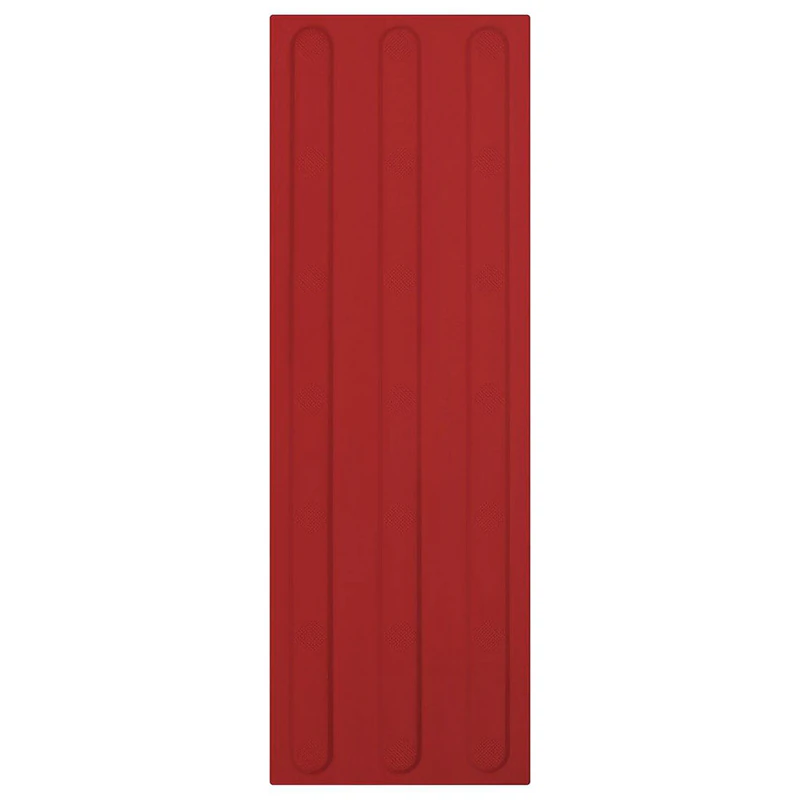
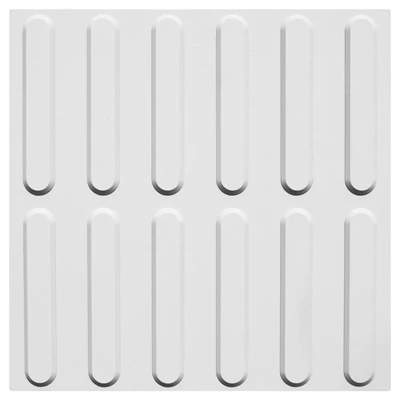
In a modern space, accessibility is no longer optional — it is a responsibility. Red orientation tactile marking RAL 3001 P1 150x450 mm is designed to effectively guide people with impaired vision, offering safety, strong visual contrast and precise tactile feedback.
Whether we're talking about public spaces, commercial buildings or urban infrastructure, this kind of Directional touch pavement becomes an essential element in projects that comply with modern accessibility rules.
What is the tactile guidance marking and why it is essential
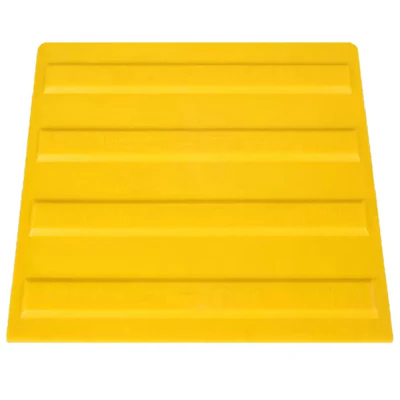
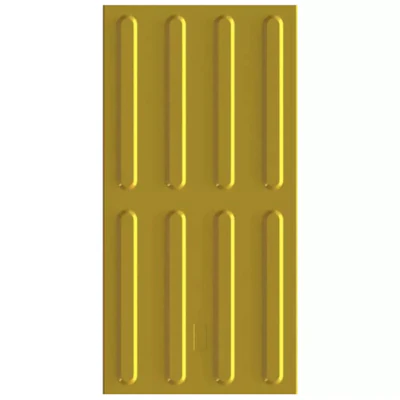
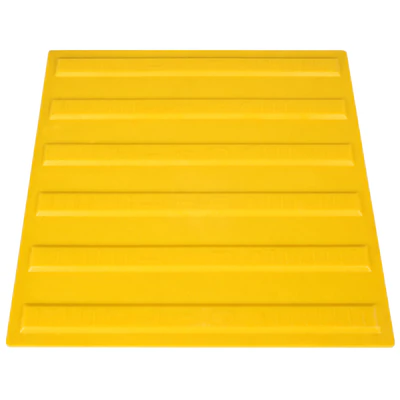
The guidance tactile markings are specially designed to convey information by touch and visual contrast. Model P1 (longitudinal lines) is used for directional guidance.
This product is intended to:
- create safe routes for visually odded people
- offers clear orientation in complex spaces
- reduces the risk of accidents
- comply with the legal requirements on accessibility
Technical characteristics – solid construction, long-term performance
Dimensions and format optimized
- Size plate: 150 x 450 mm
- Configuration: P1 – longitudinal ribs
- Use: directional guidance
The format is ideal for creating continuous and intuitive routes.
Red color RAL 3001 – high visibility
- Excellent contrast with open surfaces
- Increased visibility inside and outside
- Recommended for areas with intense traffic
Durable and durable material
Manufactured from high-quality technical materials:
- resistance to heavy wear
- excellent behavior to high pedestrian traffic
- dimensional stability over time
Anti-slip surface
- high adhesion in wet conditions
- increased safety for all users
- Suitable for indoor and outdoor use
Efficient assembly
- rapid installation on various types of surfaces
- compatible with professional adhesives or mechanical fixation
- minimum maintenance
Where the red P1 touch mark is used
Public spaces
- stations, airports, metro stations
- public institutions
- sidewalks and pedestrian areas
Commercial buildings
- malls
- supermarkets
- Office centres
Private and residential buildings
- modern residential assemblies
- underground parking
- common spaces
Industrial zone
- hale
- deposits
- Logistic areas
How the P1 model works
Model P1 is made up of parallel tactile strips which:
- indicate direction of movement
- are detectable with white stick
- provides immediate feedback to contact
These markings shall be integrated into the complete tactile paths, together with:
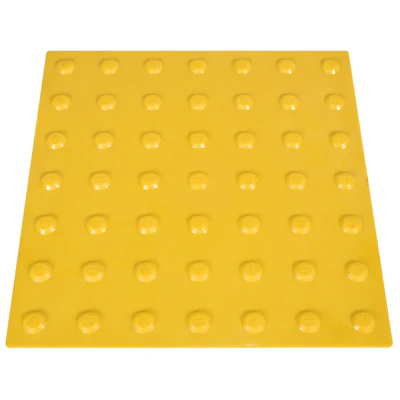
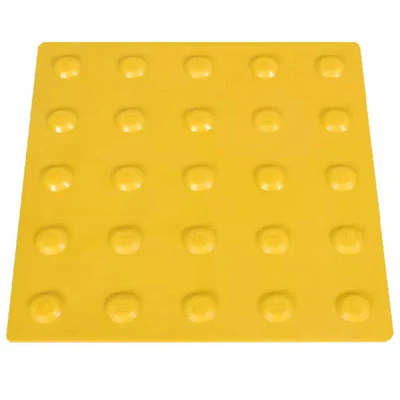
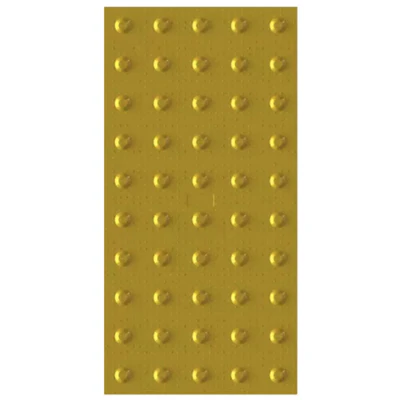
- warning markings (type point)
- change-of-way zones
Real commercial benefits for your project
- ✔ Increase building accessibility
- ✔ Respect the legislation in force
- ✔ Reduce the risk of accidents
- ✔ Improve user experience
- ✔ Increase the value of the project
- ✔ Demonstrate social responsibility
- ✔ Modern aesthetic integration
- ✔ Long-term sustainability
- ✔ Reduced maintenance costs
- ✔ Quick and efficient assembly
Difference between cheap and professional markings
There are multiple variations on the market, but the differences are major:
| Characteristic |
Professional product |
Low-cost product |
| Durability |
Lifted |
Fall |
| Adherence |
Excellent |
Variable |
| UV resistance |
Yes |
Limited |
| Compliance |
Compliance standards |
Unconscious |
| Appearance |
Premium |
Basic |
Choosing a quality product means fewer interventions and long-term costs.
Integration into modern architectural projects
The tactile marking is not only functional but also part of the design:
- harmoniously integrates into floors
- complete the aesthetics of the space
- can be used for smart signaling
Architects and designers use it to create spaces inclusive and intuitive.
Compliance and standards
This type of marking complies with the general requirements concerning:
- accessibility of persons with disabilities
- safety in public spaces
- Standardised tactical signaling
It is recommended for projects that must comply with:
- national standards
- European accessibility standards
Installation – good practices
Surface preparation
- clean, dry, without dust
- flat and stable
Method of fixing
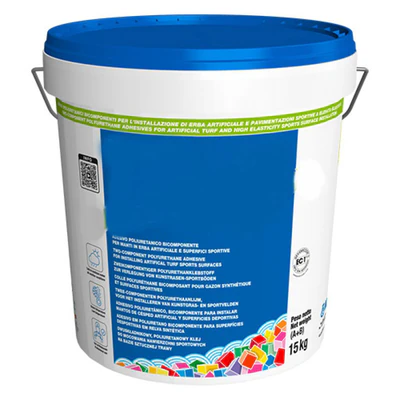
- Professional polyurethane adhesive
- Mechanical fixing (depending on the support)
Correct alignment
- continuity between plates
- compliance with the project path
Maintenance and sustainability
The marking shall require minimum maintenance:
- Standard periodic cleaning
- resistance to ordinary detergents
- without rapid discoloration
The life span is extended even under intense traffic conditions.
FAQ – Frequently Asked Questions
1. What is the difference between P1 marking and other types?
P1 is for directional orientation (lines), while other types (point) are for warning.
2. Can it be mounted outside?
Yes, it is designed for both indoor and outdoor use.
3. Is it legally binding?
In many public and commercial projects, yes — it is accessibility requirement.
4. He resists heavy traffic?
Yes, the material is designed for intensive use.
5. What adhesive is recommended?
Professional polyurethane or epoxy adhesives.
6. Can it be mounted on concrete or gravel?
Yeah, it's compatible with most surfaces.
7. Is the red color standard?
It is one of the most visible and used for high contrast.