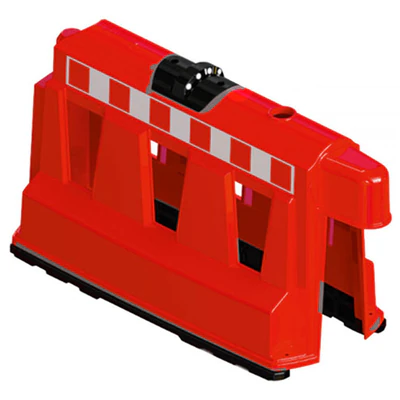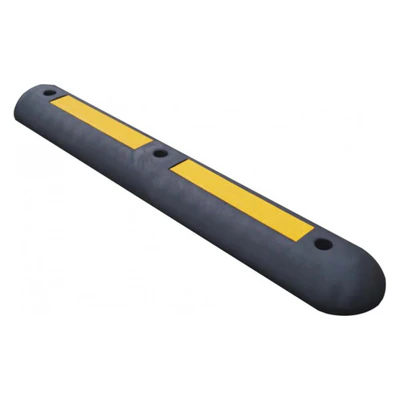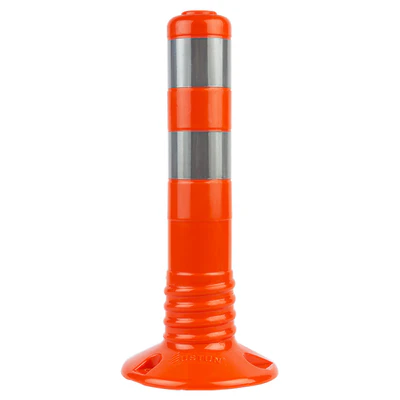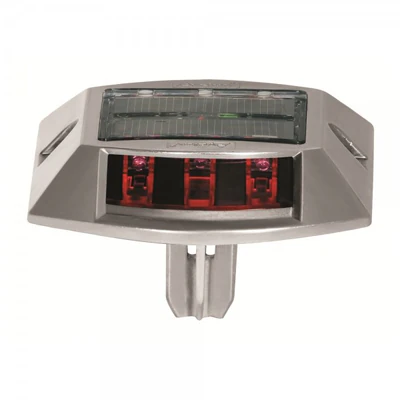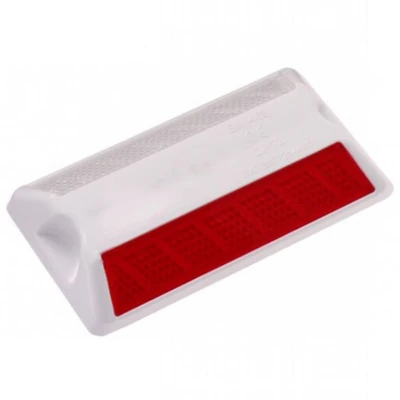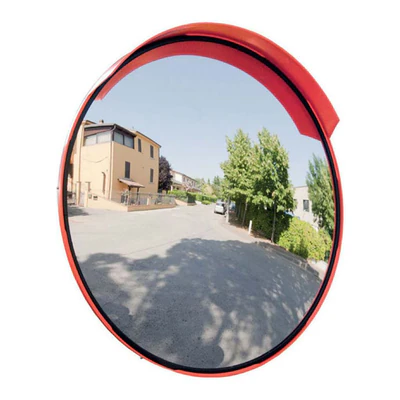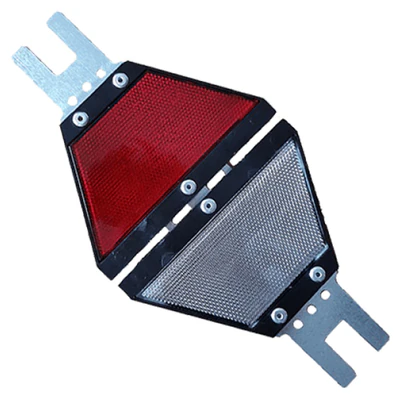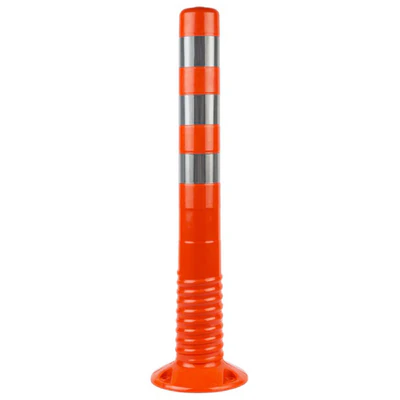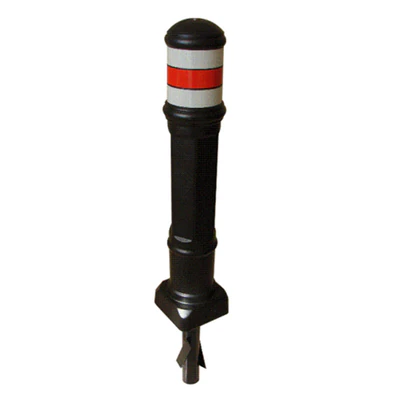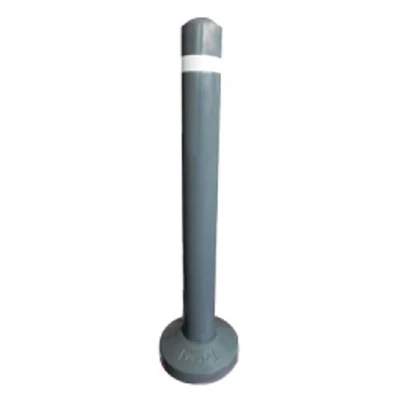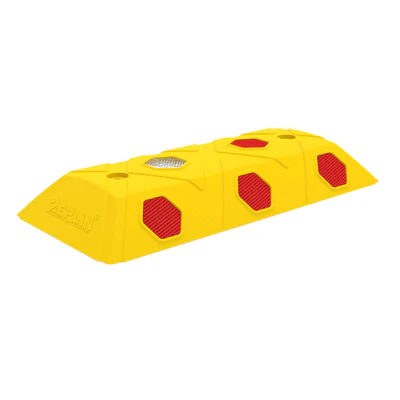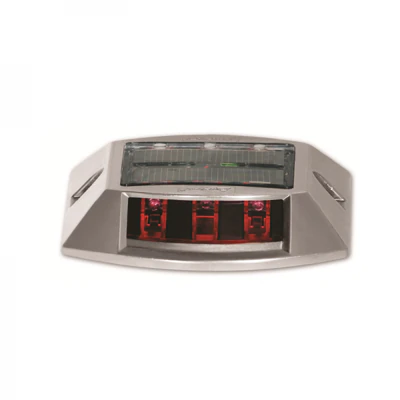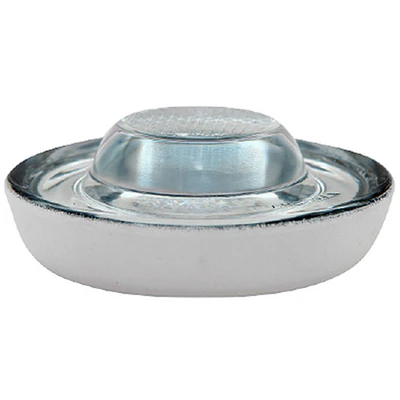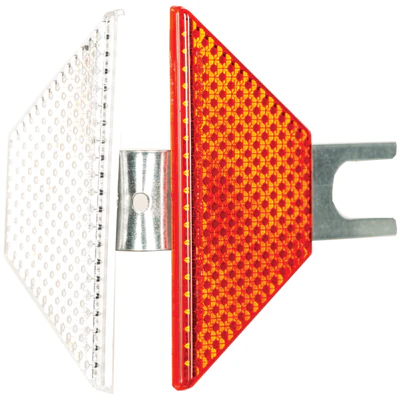
Reflective red and white butterfly for metal parapet
24,00 lei
In stock
in Request a quote – Reflective red and white butterfly for metal parapet See options – Reflective red and white butterfly for metal parapetWe use strictly necessary cookies to run the site and, only with your consent, to remember viewed products, for visit statistics and for YouTube video playback. You can change your mind at any time from “Cookie settings” at the bottom of the page. Cookie policy
Technical advice: 021 450 60 70 · Fast delivery nationwide · Blog
Driving traffic requires the correct planning and signaling for safe and efficient flow in yards and areas with modified traffic.
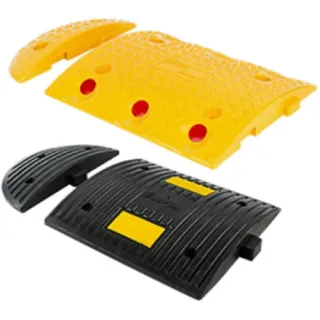 Speed bumps
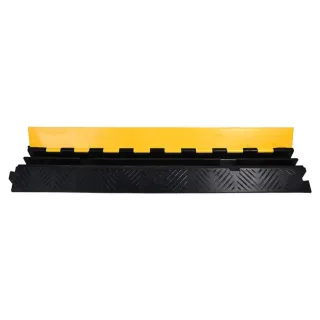 Cable protection
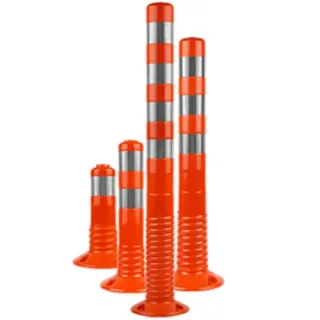 Flexible posts
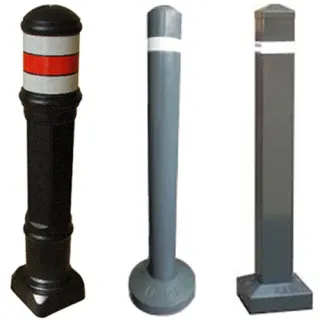 Rigid posts
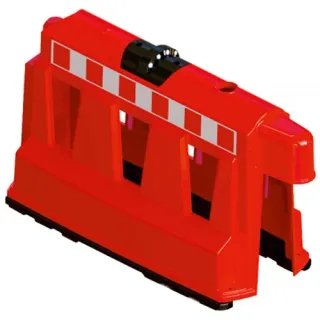 Water-filled barriers
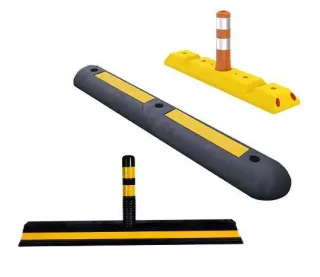 Lane separators
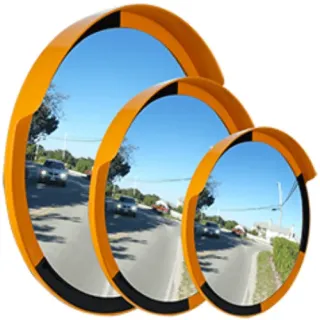 Traffic mirrors
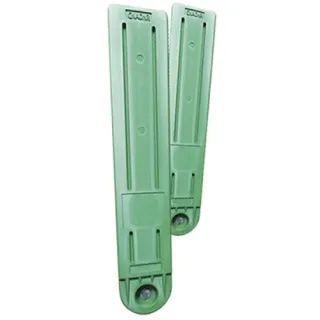 Anti-glare screens
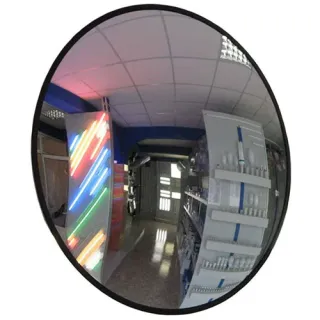 Surveillance mirrors
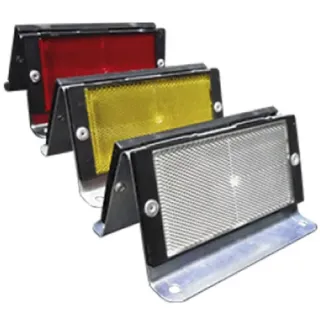 Reflector plates
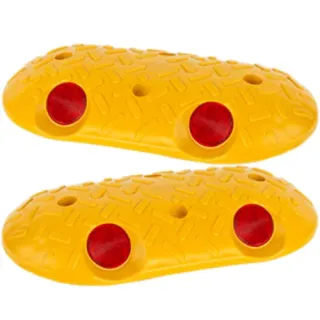 Road studs
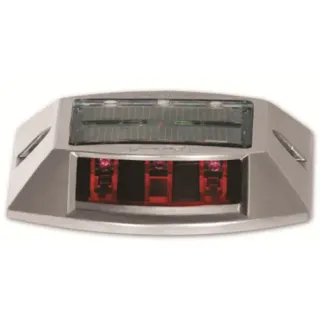 Solar road markers
24,00 lei
In stock
in Request a quote – Reflective red and white butterfly for metal parapet See options – Reflective red and white butterfly for metal parapet85,00 lei
Made to order
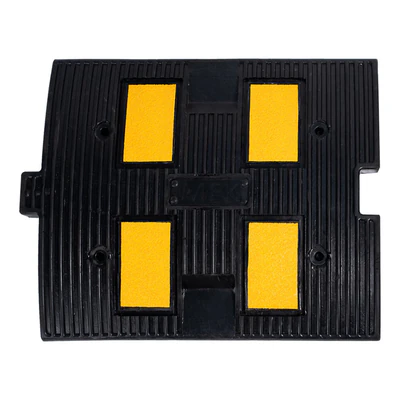
ord Request a quote – Speed bunp 500x400x40 mm rubber, black See options – Speed bunp 500x400x40 mm rubber, black310,00 lei
In stock
in2 variant
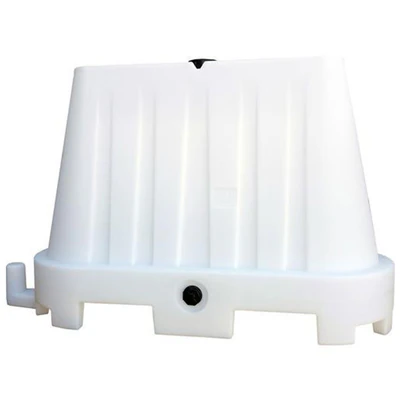
Request a quote – Portable white plastic parapet 1000x700x400 mm See options – Portable white plastic parapet 1000x700x400 mm410,00 lei
Made to order
ord2 variant
Request a quote – Red Hard Plastic Lastable Parapet See options – Red Hard Plastic Lastable Parapet118,00 lei
Made to order
ord Request a quote – Rubber lane separator 1000x150x60 mm See options – Rubber lane separator 1000x150x60 mm55,00 lei
In stock
in12 variant
Request a quote – Flexible rubber post with height 450 mm orange See options – Flexible rubber post with height 450 mm orange129,00 lei
outOut of stock
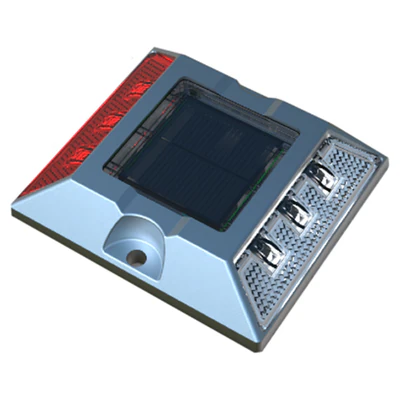
Request a quote – Solar Road Button See options – Solar Road Button84,00 lei
In stock
in2 variant
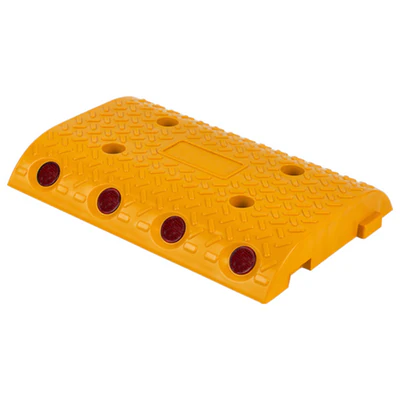
Request a quote – Speed bunp 350x250x50 mm plastic, yellow See options – Speed bunp 350x250x50 mm plastic, yellow21,00 lei
In stock at supplier
sup4 variant
Request a quote – White-red plastic marker See options – White-red plastic marker190,00 lei
outOut of stock
4 variant
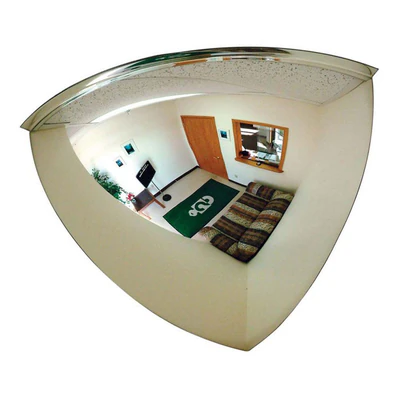
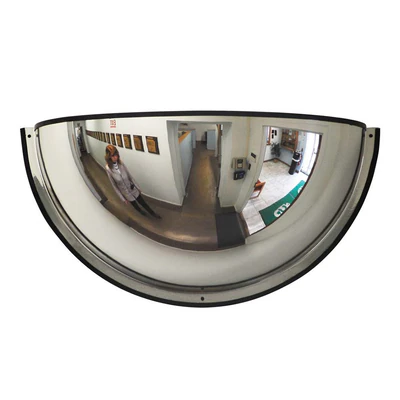
Request a quote – Mirror interior domes 600 mm 180 degrees See options – Mirror interior domes 600 mm 180 degrees425,00 lei
outOut of stock
7 variant
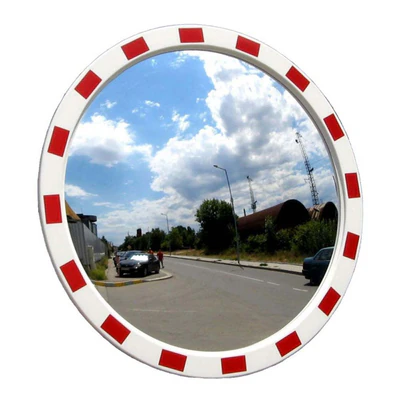
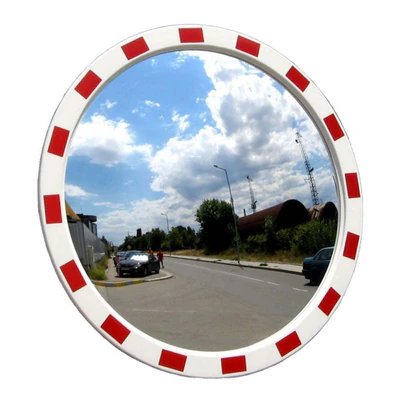
Request a quote – Road mirror model TR-60, 600 mm, round, red-white, outer edge See options – Road mirror model TR-60, 600 mm, round, red-white, outer edge320,00 lei
In stock
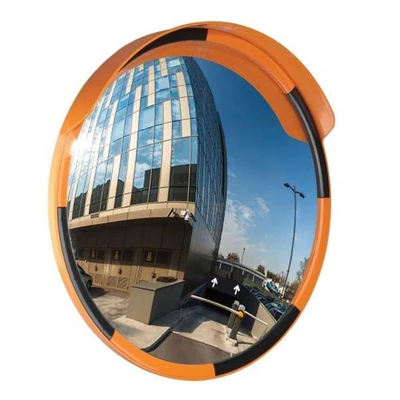
in Request a quote – Sisas Icaro 600 mm, round, exterior road mirror See options – Sisas Icaro 600 mm, round, exterior road mirror30,00 lei
In stock
in Request a quote – Reflectorizing plate with red and white retro-reflectors for smooth metal parapets See options – Reflectorizing plate with red and white retro-reflectors for smooth metal parapets65,00 lei
In stock
in12 variant
Request a quote – Flexible rubber post with height 750 mm orange See options – Flexible rubber post with height 750 mm orange169,44 lei
In stock at supplier
sup Request a quote – Hexagonal ornamental post 700 mm with reflective foil, concrete fastening, pipe throughout length See options – Hexagonal ornamental post 700 mm with reflective foil, concrete fastening, pipe throughout length284,71 lei
In stock at supplier
sup Request a quote – Decorative round 700 mm with reflective foil and concrete grip See options – Decorative round 700 mm with reflective foil and concrete grip18,00 lei
In stock
in Request a quote – Zeplin ZT8002 street reflector button with 2 sides, red/white, 210x100x25 mm, PPC See options – Zeplin ZT8002 street reflector button with 2 sides, red/white, 210x100x25 mm, PPC121,00 lei
In stock
in Request a quote – Solar button for traffic See options – Solar button for traffic75,00 lei
In stock at supplier
sup Request a quote – Glass street marker See options – Glass street marker290,00 lei
In stock
in4 variant
Request a quote – Mirror interior domes 600 mm, 360 degrees See options – Mirror interior domes 600 mm, 360 degrees559,99 lei
In stock
in7 variant
Request a quote – Road mirror model TR-80, 800 mm, round, red-white, outer edge See options – Road mirror model TR-80, 800 mm, round, red-white, outer edge439,00 lei
In stock at supplier
sup Request a quote – Round road mirror 800 mm See options – Round road mirror 800 mmWe didn't find any products for the chosen filters.
The products in this category cover dimensions between 22 mm and 1200 mm and loads up to 12 kg. You can compare variants from Urbas, Ustun, OEM, PVC and PPC. Check the size, material and compatibility with your application in each product file.
In addition, for orders and questions, the TopTrafic.ro team offers delivery throughout the country and technical advice.
Driving directions is the process of organisation and driving of the movement of vehicles in areas where the normal flow is disturbed, such as construction sites, maintenance works or temporary events.
This includes planning of routes, location of indicators and warning signals, use of delineation and guidance equipment, to reduce the risk of accidents and maintain a consistent flow.
The main purpose is to safety of participants in traffic and continuity of movement, regardless of the complexity of the work or the road conditions.
The driving orientation shall apply in:
The principles are simple but effective:
Get our offers and news once a month. You can unsubscribe at any time.