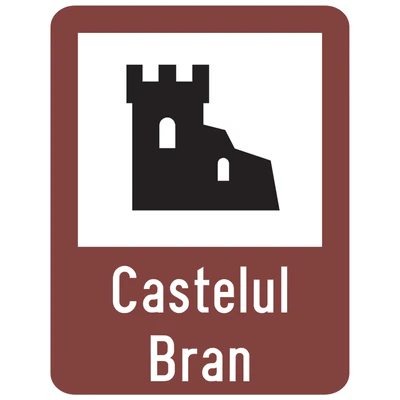
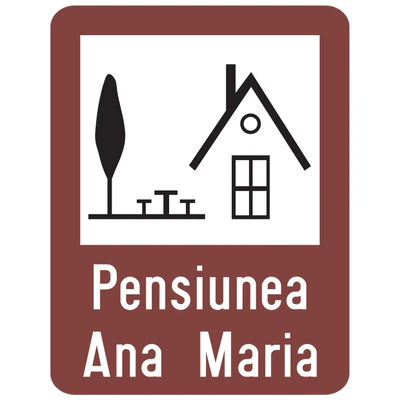
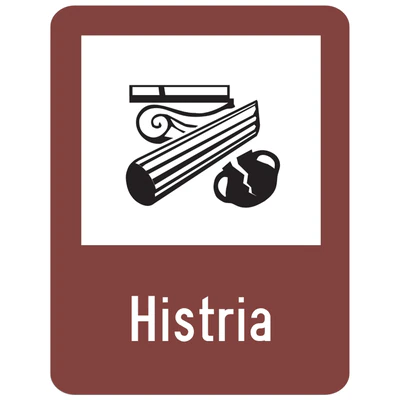
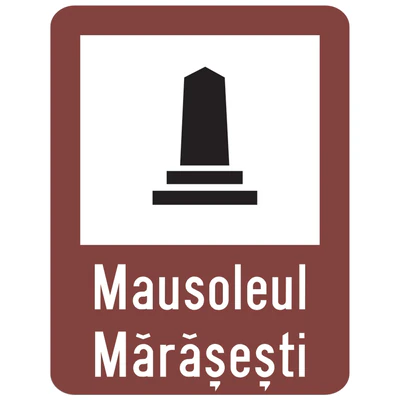
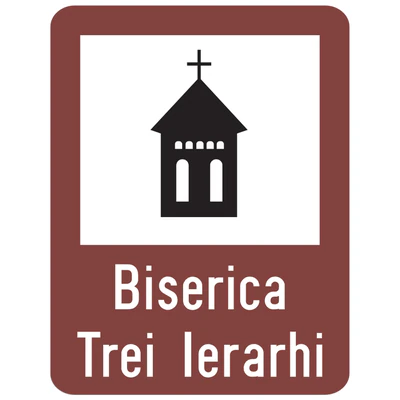
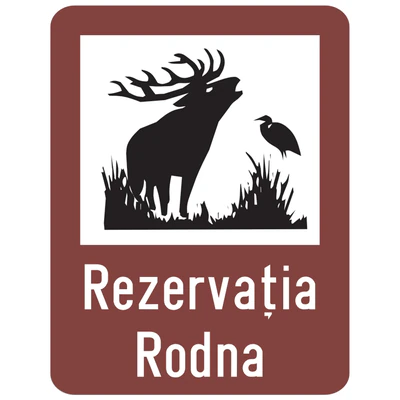
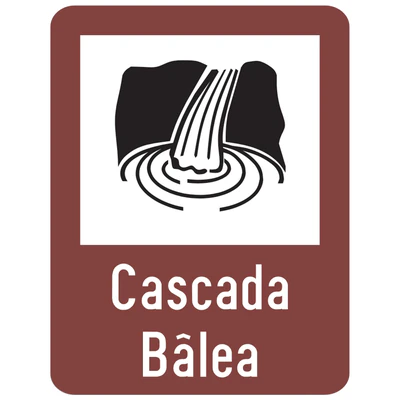
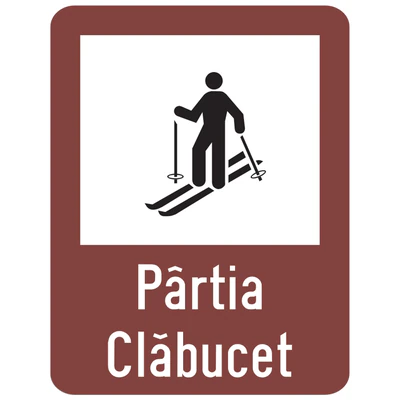
What are the tourist indicators and their role
Tourist indicators are a target category of alerts guidance and information to visitors in tourist areas, parks, natural areas, cities and cultural objectives. Him do not require rules of movement, but provide essential information for the rapid and safe orientation of tourists.
The main role is to reduce the confusion and stress of visitors, facilitating a pleasant, clear and organised experience.
Where the tourist signs are used
National parks and natural areas
- mountain or hiking trails
- Belvedere points and sterns
- natural attractions (fall, lake, reservation)
Cities and urban centres
- historical and cultural objectives
- Museums and exhibitions
- Pedestrian routes or bicycles
Tourist centres and stations
- guidance maps for tourists
- Parking and facilities
- restaurants and information points
Events and festivals
- Access areas
- scenes and activities
- exits and meeting points
How tourist indicators work
Their operation is based on rapid and clear transmission of information.
Key elements include:
- arrows and visual directions
- intuitive symbols
- standardised colours for types of routes
- clear, concise, easy to read text
The principle is simple: the tourist must understand the message without further explanation.
Why tourism indicators are important
Their importance is immediately felt in the visitor's experience:
- facilitates orientation
- minimizes waste of time
- reduce the risk of error
- ensure access to attractions and facilities
- contribute to safety in natural routes
For operators and authorities:
- organised flow of visitors
- fewer incidents
- better experience for the public
Types of tourist indicators
Direction indicators
Show clearly the path and distance to the target.
Example:
- arrows for tourist trails
- distance to points of interest
- guidance maps
Information indicators
I transmit essential details about attractions:
- history
- visiting rules
- programme
- warnings or recommendations
Thematic panels
They contain more complex information:
- maps with routes and points of interest
- diagrams or tourist symbols
- recreational area plans
Indicators for specialised routes
- mountain hiking
- cyclotourism routes
- thematic approaches (botany, culture, education)
Relevant differences between types
Material
- wood – for natural appearance and landscape integration
- aluminium – durable and weather resistant
- PVC/acrylic – interior or temporary signalling
Interior vs. exterior
- exterior – UV resistant, rain, wind
- interior – visibility, clarity and design adapted to the space
Standard vs Custom
- standard – internationally recognised symbols
- custom – adapted to branding, theme or event
Real benefits for tourists
- fast and safe orientation
- pleasant and fluent experience
- reduction of the risk of error
- easy access to additional information
- better planning of the visit
How to choose the right tourist indicators
Practical guide
- Analyze tourist flow and main routes
- Set the mounting strategy points
- Decide the type of indicator according to distance and visibility
- Use clear, standardized symbols and text
- Tests the visibility and legibility of the walk or key points
Common errors
- Over-submission with information
- small fonts or hard to read
- inappropriate location
- inconsistency between symbols and text
Professional recommendations
- use consistent colors and symbols
- adapt size and material to the environment
- periodic review for update
- Combines digital map and application signaling for tourists
Maintenance and good practice
- periodically check signs for cleanliness and visibility
- replace damaged or outdated signs
- update information when changes in routes or facilities occur
- keep indicators legible at night or under unfavourable weather conditions
Real questions for tourists
"What if I lose the route marked by the tourist signs?
Follow the confirmation arrows or maps mounted at the intersections.
"Can I indicate anything on a tourist indicator?
No, the information must be clear, concise and useful to the visitor.
"How often do tourist indicators need to be maintained?
At least once a season or whenever deterioration or change in route occurs.
Conclusion
The tourist indicators are essential tools for visitor experience, offering clear guidance, safety and comfort in any tourist space.
A well-implemented tourist signaling system transform the visit into an intuitive and enjoyable experience, reducing stress and risk of confusion.