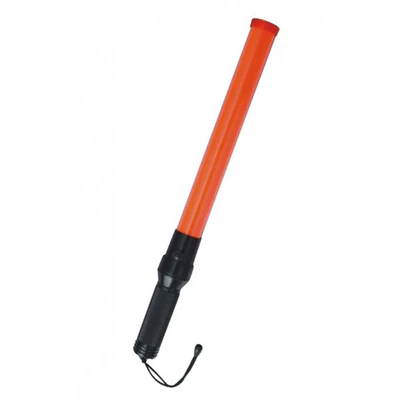
What are the driving sticks
Steering sticks are essential visual tools for traffic guidance and delineation of intervention zones. He allows clear communication of instructions to drivers and pedestrians, being frequently used in yards, urban roads and events with intense traffic.
Made from plastic resistant, metal or reflecting materialThe sticks are Easy to handle and adaptable depending on the needs of the area.
Where it is used and in what context
Driving sticks are used in:
- Road construction and construction, for the delimitation of temporary routes;
- National motorways and roads, for the warning of drivers;
- Urban events or festivals, for the organisation of the flow of pedestrians and vehicles;
- Industrial or Logistical Areas, for marking of access routes and restriction of hazardous areas;
- Temporary parking, to guide traffic and prevent bottlenecks.
A correct use of sticks increases the safety of traffic participants and the efficiency of interventions.
How it works
Operating principle: visual guidance of traffic by standard symbols, colours and positioning.
Key characteristics:
- Day and night visibility, by reflecting or LED;
- Portability and flexibility, for rapid relocation;
- Durability, impact-resistant and weather-resistant;
- Standard symbols and colours, easy to recognize;
- Clear instructions for traffic participants, in accordance with the legislation.
Correct assembly and maintenance guarantees Signalling efficiency.
Why They Are Important
Driving sticks are vital for:
- Road safety and worker protection;
- Clear traffic management, reducing confusion and congestion;
- Delimitation of temporary or permanent zones;
- Compliance with legislationbeing mandatory in many situations of the yard;
- Increasing the efficiency of the work, by organising the intervention space.
Without these, restricted areas become Haotic and dangerous.
Real benefits for users
- Increased safety for drivers, pedestrians and workers;
- Clear and organised traffic flows;
- Configuration flexibility, adaptable to the type of work;
- Reducing the risk of accidents and damage;
- Legal complianceavoiding fines or sanctions.
Types and variants of steering sticks
1. Standard sticks
- Cylindrical or conical form, reflecting;
- Ideal for the temporary delimitation of routes;
- Easy to mount and transport.
2. Portable and modular sticks
- Made of plastics or metal easily;
- Adaptable to urban areas or temporary construction sites;
- They can be combined for complex routes.
3. Light/LED sticks
- Visible at night or under reduced visibility;
- Used in areas with heavy traffic or diversions;
- Some models allow dynamic or intermittent signaling.
4. Sticks with additional messages or panels
- Instructions on restrictions or deviations;
- Used in large shipyards or industrial areas;
- Modular panels for clear communication.
Relevant differences between options
- Material and sustainability: plastic vs. metal vs. LED;
- Visibility: reflector vs. illuminated;
- Portability: easy to move vs. fixed;
- Cost and maintenance: LED Requires regular checks;
- Adaptability to traffic: some can be reconfigured quickly.
The choice depends on type of area, duration of signaling and traffic flow.
How to choose the right steering sticks
- Analyze type and duration of work;
- Choose material and form appropriate for the context;
- Check visibility and legal compliance;
- Choose to Portable or LED models if the traffic is intense;
- Plan regular maintenance and verification;
- Understand signaling with planul de siguranță și lucrările în desfășurare.
Common mistakes and how to avoid them
- Improper mounting → complies with standards;
- Choosing inappropriate materials → lack of reflection or fragility;
- Failure to maintain → loss of visibility;
- Confused Messages → Uses standard symbols;
- Neglecting the relocation of sticks → adjustment to the progress of the works.
Professional recommendations
- Use Sticks according to legal rules;
- Prioritize visibility and sustainability;
- Monitor the condition and lighting of the sticks;
- In intense traffic, choose to LED light sticks;
- Coordinate signaling with Work plan and staff safety.
Maintenance and good practice
- Regular cleaning to maintain visibility;
- Reconfiguration according to the progress of the work;
- Replacement of damaged or lost sticks;
- Monitoring of visibility at night and adverse weather conditions;
- Coordination of alerts with the authorities for maximum safety and legal compliance.