
Self-rechargeable switch
101,64 lei
Made to order
ord Request a quote – Self-rechargeable switch See options – Self-rechargeable switchWe use strictly necessary cookies to run the site and, only with your consent, to remember viewed products, for visit statistics and for YouTube video playback. You can change your mind at any time from “Cookie settings” at the bottom of the page. Cookie policy
Technical advice: 021 450 60 70 · Fast delivery nationwide · Blog
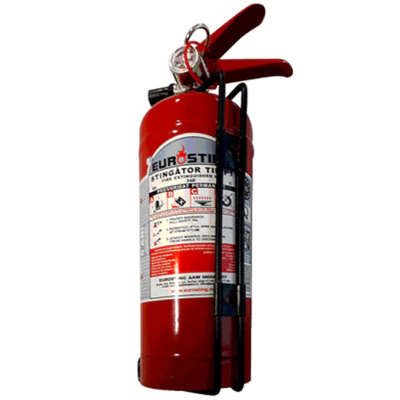
The extinguishers are first-aid devices used for the rapid extinguishing of fires in the early stages, in homes, cars and commercial spaces.
101,64 lei
Made to order
ord Request a quote – Self-rechargeable switch See options – Self-rechargeable switchWe didn't find any products for the chosen filters.
A fire never begins "great. " In most cases, it starts from a spark, a short circuit or an apparent minor negligence. In the first seconds, the difference between a controllable incident and a major disaster makes it a suitable first-aid equipment.
The extinguishers are portable or transportable devices designed to stop or limit a fire in the incipient phase. They shall operate by removing one of the elements necessary for burning:
On everyone's understanding: if the fire is small and you have the right equipment at your fingertips, you can stop it in seconds.
Beyond utility, these devices are and mandatory by law in many contexts: car, commercial spaces, offices, warehouses, industrial units.
A car extinguisher is mandatory in most vehicles. Car fires may occur due to:
Rapid intervention may prevent the total destruction of the vehicle.
Many owners ask: "Do I really need a fire extinguisher at home?
Short answer: yes.
The kitchen is one of the most common places where domestic fires occur. Hot oil, defective electrical appliances or overloaded sockets may cause dangerous situations.
PSI rules require most workspaces to be equipped with fire extinguishing equipment. They shall be chosen according to:
We're talking about increased risk here. Flammable materials, electrical equipment, technological processes – all can generate critical situations.
In these cases, the choice of the right type is vital.
Regardless of the model, the principle is similar:
The main elements include:
One aspect frequently ignored is the classification of fires.
Solid materials: wood, paper, textiles.
Flammable liquids: petrol, oils, solvents.
Flammable gas.
Fuel metals.
Fat and food oils.
Not all devices are effective for all classes. That is why the choice must be made informed.
The most versatile. According to classes A, B and C.
Advantage:
Disadvantage:
Ideal for electric fires.
Advantage:
Disadvantage:
reduced efficiency in open spaces
Efficient for flammable liquids.
Suitable for solid materials, but not for electrical installations.
When choosing, you must take into account:
A P6 model is frequently used in commercial spaces due to balanced capacity.
It's about:
For companies, the PSI rules clearly set the number and type required.
For car is enough a compact model.
For storage, a higher capacity is required.
A compliant product must comply with European standards and be notified.
From experience, the most effective measures are:
A properly used equipment becomes useless at critical times.
Most models require:
Life span varies, but proper maintenance prolongs functionality.
Usually one with powder, versatile and easy to use.
Yes, in most cases it is provided for by law.
Depends on the model and maintenance, but the annual check is standard.
No, no. Fire classes determine compatibility.
A fire doesn't offer long reaction time. The right equipment can make the difference between a minor incident and major losses.
The investment is reduced compared to the risks it prevents.
The extinguishers are essential equipment for the protection of life and property. The right choice, strategic location and periodic maintenance ensure rapid intervention when it matters the most.
An informed decision means more security, legal compliance and long-term quiet.
Get our offers and news once a month. You can unsubscribe at any time.