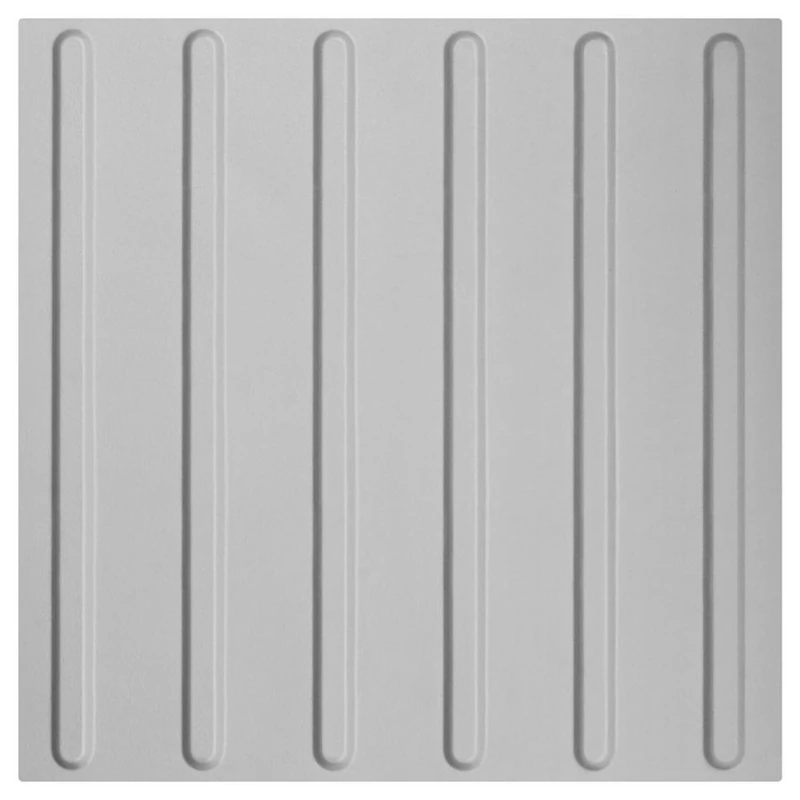
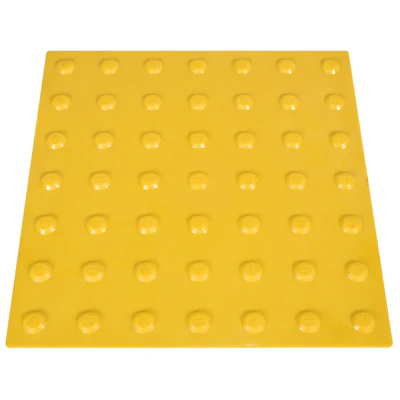
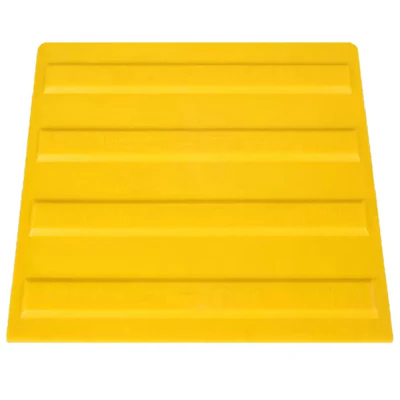
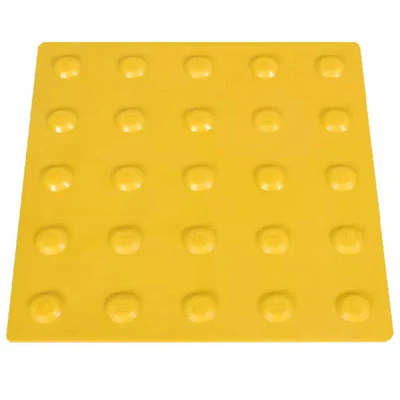
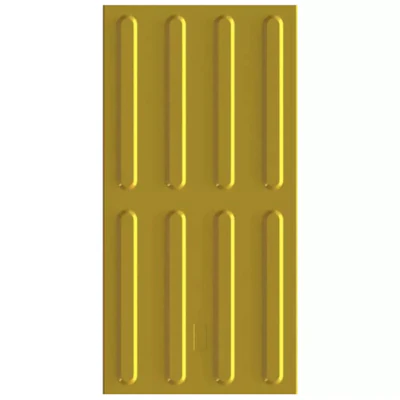
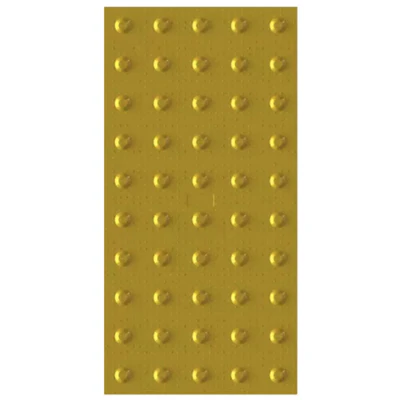
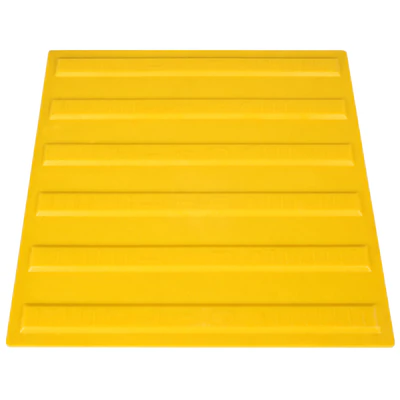
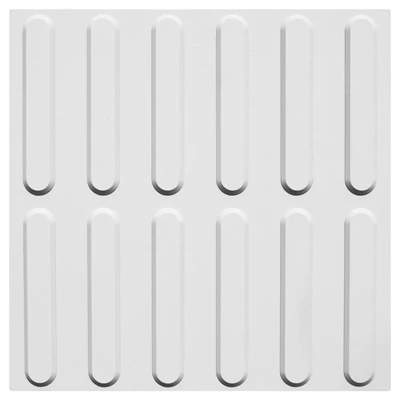
Touch plate orientation visually odded people grey RAL 7004 300x300 mm is an essential element in modern projects of accessibility and pedestal infrastructure. Designed to guide people with vision impairments by tactile markings that can be detected under the sole or with the stick, this plate combines robust functionality, high safety and practical design for urban and public environments. Used on sidewalks, public buildings, pedestrian stations and routes, the special textured touchboard turns spaces into safer and more accessible spaces for all users.
What is the orientation touchboard for visually odded people
Tactile plate is a type of Standardised touch floor, designed to offer non-visual indications blind or visually impaired persons. Its thin and structured texture can be detected both by the foot sole and by the cane, providing clear physical signals about direction and route. The 300×300 mm standard is adopted globally to facilitate modular and uniform installation in various applications.
The main benefits of the Orientation Touch Plate
Safety and independent guidance
Tactile plate creates predictable tactile paths which allows people with impaired vision to move with confidence and without direct assistance. By using detectable text, users can identify the correct path in complex or crowded spaces.
Compliance with good accessibility practices
Touch products are increasingly integrated into urban infrastructure projects and public buildings, in accordance with best international practices in the field of accessibility for visually impaired people.
Modular and light installation
Standard size of 300×300 mm ensure rapid installation in continuous touch networks, either on sidewalks, stations, inside buildings or transit stations.
Durability and resistance
Materials used for touch plates are designed to withstand heavy traffic, wear, weather and hygiene, maintaining the effectiveness of long-term touch indicators.
Aesthetic integration in architectural projects
Color RAL 7004 grey allows discreet integration in modern urban landscapes without compromising the functionality or tactical visibility for users who depend on texture.
Technical specifications
Dimensions: 300 × 300 mm standard, for modular and repetitive implementation.
Color: Gri RAL 7004 – modern neutral tonality, ideal for urban environments.
Text: Touch elements detectable under the sole or cane, designed for precise orientation.
Material: Polyurethane / TPU resistant to traffic, abrasion and wear.
Weight: Standard configuration adapted for mounting on flat surfaces.
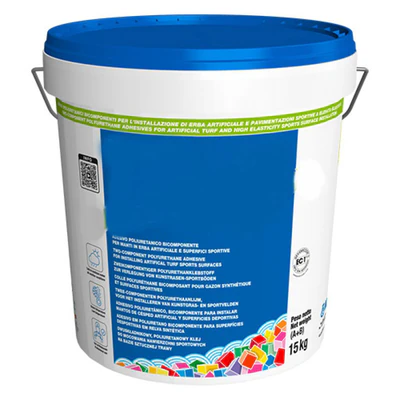
Install: Installation on flat, indoor and outdoor surfaces with adhesive (not included).
Use: Trolley, entrances to buildings, transport stations, shopping centres, pedestrian areas.
How it works in practice
Orientation touch plates are installed in continuous networks or as point segments to form directional tactile paths. Line modelers help guide on predefined routes, while those with pronounced (warning) elements can signal transitions or obstacles. Tactical interaction offers critical feedback users visually impaired people, reducing the risk of spatial misinformation.
Commercial advantages for the customer
- Increasing accessibility of the project for people with disabilities
- Supports compliance with accessible infrastructure standards
- Reduces the risk of accidents or spatial confusion
- Increase user comfort and trust
- Compatibility with modern urban design solutions
- Efficient purchase cost for large volumes
FAQ
1. What is a tactical orientation plate used for?
The plate is intended to guide blind or visually impaired persons by providing detectable touch indices of cane or leg.
2. Can I install the touch plates inside?
Yes, plates can be mounted both inside and outside on flat surfaces with specific adhesive.
3. Why is RAL 7004 important?
The RAL 7004 Grid provides a subtle visual contrast to other surfaces, improving detectability for partially sighted users.
4. Are the touch plates in accordance with the rules?
The size and texture shall respect recognised good practices and standards in accessible infrastructure.
5. What differentiates the warning orientation?
Orientation boards lead users on safe routes; warning boards signal obstacles or environmental changes.
6. How much does it hold on to heavy traffic?
Materials are chosen for resistance to heavy pedestrian traffic and varied climatic conditions.
7. Can they mount on irregular surfaces?
It is recommended that the surface be flat for correct adhesion and optimum detectability.