How to choose vertical signal
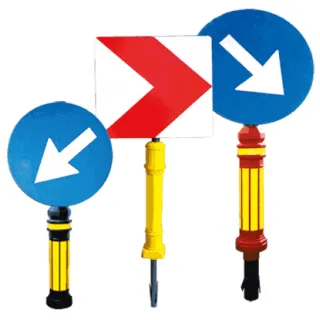
The products in this category cover dimensions between 700 mm and 900 mm. You can compare variations from K3, K4, K5, K6 and K8. Check the size, material and compatibility with your application in each product file.
In addition, for orders and questions, the TopTrafic.ro team offers delivery throughout the country and technical advice.
What is vertical signaling?
Vertical signaling includes all Road signs, warning signs and vertical information, which helps traffic participants to steer, comply with rules and prevent accidents. They are essential for safety and efficiency in circulation as they provide fast and visible information from a distance.
The meaning of each indicator is coded by shape, color and symbol, so that it is easily recognized and interpreted even in difficult conditions of visibility.
Where the vertical signal is used
Vertical signalling is omnipresent in traffic and can be found in:
- Public Roads – roads, highways, national roads and county
- Urban areas – pedestrian crossings, turning senses, complex intersections
- Industrial or private areas – entries and exits, loading/unloading areas
- Temporary projects – Road works, diversions and temporary restrictions
This ensures a clear and constant orientation, preventing confusion and incidents.
How the vertical signal works
Vertical signaling works through a Standardised visual system, easy to recognize:
- Geometric shapes (warning triangles, circle for prohibitions, square or rectangle for information)
- Standardized colours (red for warning and prohibition, yellow for attention, blue for information)
- Clear symbols – pictograms indicating direct action or danger
By combining these elements, drivers and pedestrians can quickly understand the messagewithout any ambiguity, even at high speed.
Why vertical signalling is important
Road safety depends mainly on vertical signalling because:
- Reduces the risk of early warning accidents
- Leads to compliance with laws and road rules
- Increases traffic efficiency and reduces congestion
- Protect pedestrians, cyclists and vehicles
Without adequate vertical signalling, drivers would have to react spontaneously, which increases risk of incidents and confusion.
Real benefits for the user
Vertical signalling offers multiple practical advantages:
- Distance visibility, even in low light or rain conditions
- Clarity and consistency in sending the message
- Reducing driver stress by precise guidance
- Flexibility – can be adapted according to traffic or work
Types and variants of vertical signalling
Warning signs
- Attention to work
- Dangerous curves
- Pedestrian Zone
Regulatory indicators
- Speed limit
- Access prohibited
- Mandatory stop
Information signs
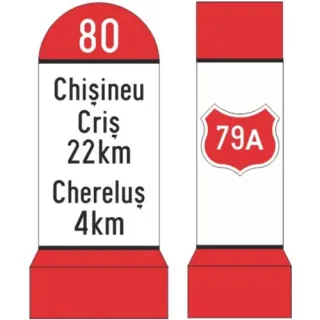
- Directions and distances
- Parking
- Public services (hospital, police)
Temporary reporting
- Work on the road
- Provisional restrictions
- Traffic diversion
Relevant differences between options
The differences are observed at:
- Material – metal, reflective plastic, aluminium
- Dimensions and visibility – adapted to the type of road
- Type of assembly – fixed, mobile or temporary
- Level of reflectivity – standard or night visibility
The right choice depends on the context of use and local road rules.
How to choose vertical signaling correctly
Practical guide:
- Identify the purpose of the indicator: warning, information or regulation
- Choose the appropriate standard shape and symbol
- Checks remote visibility and reflectivity
- Asigură montaj conform normelor legale și poziționare strategică
- Prefer weather-resistant materials and wear
Common mistakes and how to avoid them
- Incorrect assembly, too low or hidden from vegetation → check position
- Choosing the wrong symbol → consult the official standards
- Lack of maintenance → cleans and replaces periodically
- Ignoring Reflectivity → Uses appropriate materials for night traffic
Professional recommendations
- Performs periodic audit of existing alerting
- Prioritize visibility and clarity of the message
- Use temporary signaling only when absolutely necessary
- Combine vertical and horizontal signals for maximum efficiency
Maintenance and good practice
- Regular cleaning to maintain visibility
- Replacement of damaged indicators
- Monitoring reflectivity for night traffic
- Adaptation of the position to changes in infrastructure
Conclusion
The vertical signal is the central element of traffic safety and guidance. Choosing, installing and maintaining the right law not only ensures compliance, but also protection of all traffic participants.
A complete category page on this topic gives the reader all you need to know, in a clear, professional and easy to apply form.