How to choose signal and steering cones
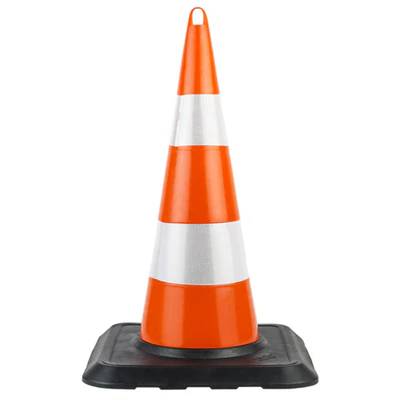
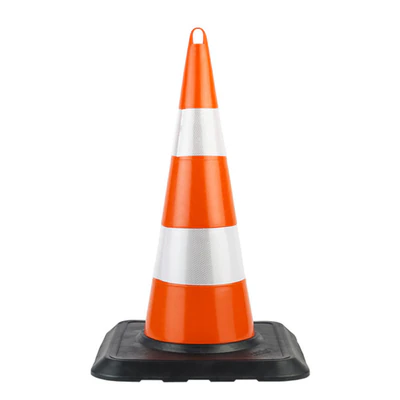
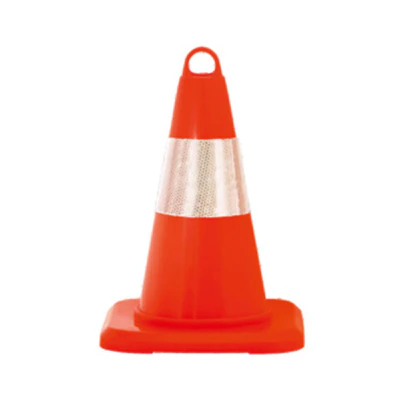
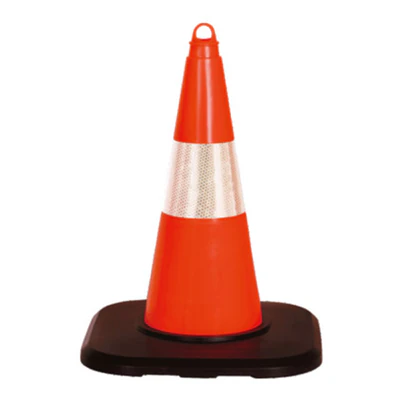
The products in this category cover dimensions between 320 mm and 900 mm. You can compare variants from PVC, Ustun and MFK. Check the size, material and compatibility with your application in each product file.
In addition, for orders and questions, the TopTrafic.ro team offers delivery throughout the country and technical advice.
What do signal and steering cones represent
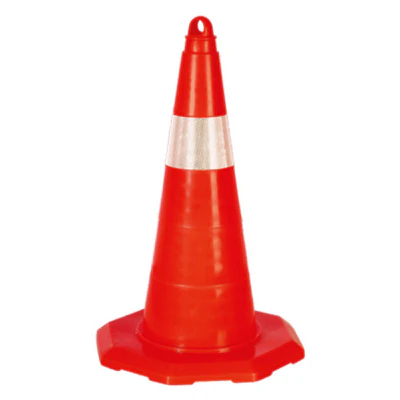
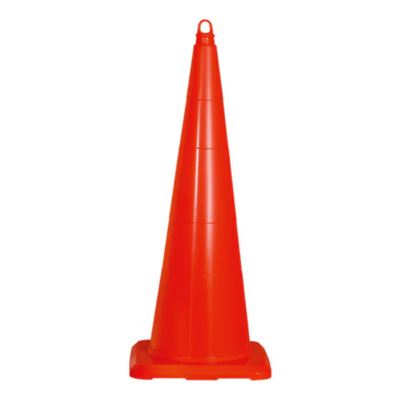
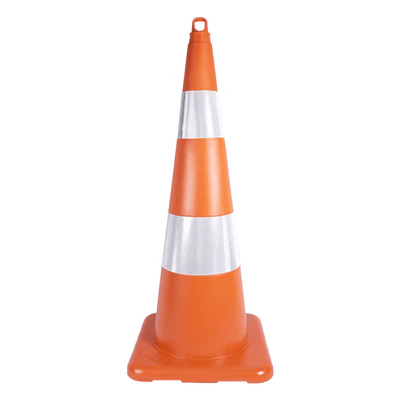
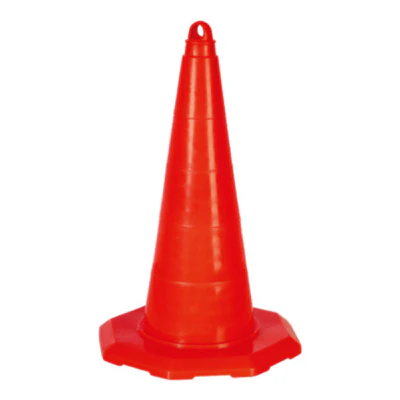
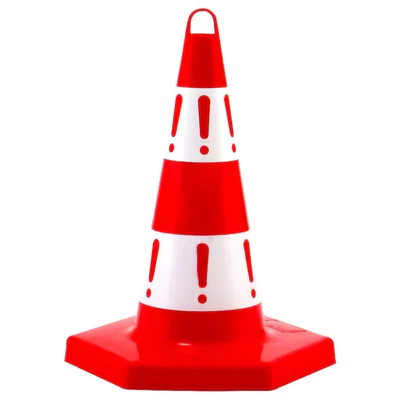
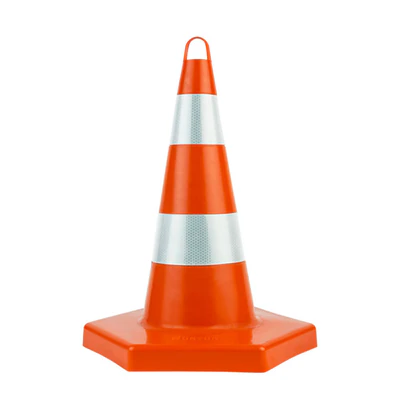
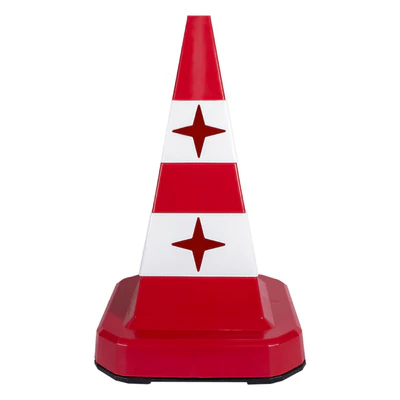
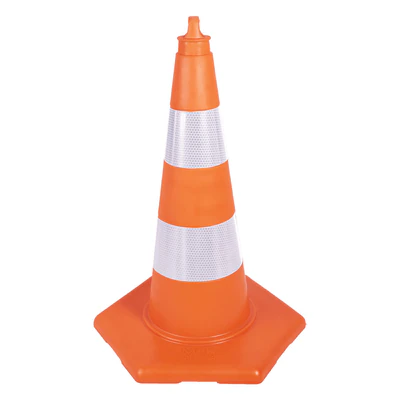
Signalling and steering cones are equipments of temporary visual signalling used to guide, delimit and organise traffic in areas with works, obstacles or restrictions. They are essential for safety of participants in traffic, offering clear visual cues for drivers, cyclists and pedestrians.
Commonly made from plastic resistantWith reflectorisation or light elements, these cones may be portable, easy to assemble and moved according to the needs of the area.
Where it is used and in what context
Signalling and steering cones shall be used in:
- Road construction and infrastructure works, for the delimitation of working areas;
- Urban areas and crowded streets, for managing traffic in periods with temporary restrictions;
- National motorways and roads, where clear warning of drivers is required;
- Temporary events or traffic restrictions, such as sports competitions, parades or public events;
- Areas with temporary obstacles or dangers, to prevent accidents and collisions.
Correct use reduces risk of accidents and confusion, ensuring a safer and more organized traffic flow.
How it works
The operation of the signalling and steering cones is simple: they show the correct route and the avoidance zones visuallyand drivers must follow these indications.
Characteristics and principles:
- Reflector, for visibility at night;
- With LED or flashing lights, useful in adverse weather conditions;
- Portable and easy to install, for rapid modifications of the route;
- Standard shapes and coloursto communicate the warnings clearly;
- Flexibility and stability, to withstand traffic and external conditions.
Correct mounting and maintenance of the cones are essential for Signalling efficiency.
Why They Are Important
Signal and steering cones are vital for:
- Road safety, protecting drivers and workers;
- Redirection of trafficprevent jamming;
- Clarity of the routeavoiding confusion in temporarily modified areas;
- Compliance with legislation, being mandatory in many situations of work;
- Efficient work, by clearly demarcating the intervention zones.
Without proper cones, traffic becomes Haotic and dangerous, and the works cannot be carried out effectively.
Real benefits for users
- Increased safety for drivers, pedestrians and workers;
- Visibility and clear guidance under any conditions;
- Flexibility for short or long works;
- Reduction of reaction time and accident prevention;
- Compliance with road rules and the prevention of sanctions.
Types and variants of signalling and steering cones
1. Classic plastic cones
- Easy and portable;
- Reflectors for visibility at night;
- Resistant to frequent weather and vehicle passing.
2. LED cones or intermittent lights
- Light panels for maximum visibility;
- Programmable for dynamic warnings;
- Ideal for crowded roads or difficult weather conditions.
3. Flexible and modular cones
- They may be connected to each other for custom routes;
- Absorbs shocks and does not deteriorate at impact;
- Commonly used on curved roads or narrow areas.
Relevant differences between options
- Durability: simple plastic vs. rubber vs. LED;
- Visibility: reflector vs. LED light;
- Flexibility and assembly: mobile vs. fixed;
- Costs and maintenance: electronic variants require monitoring;
- Adaptability to traffic: some cones can be reconfigured quickly.
The right choice depends on type of work, area traffic and duration of the alert.
How to choose the correct cones
- Determine type and duration of work;
- Choose material and form suitable for environment and sustainability;
- Check visibility and legal compliance;
- Choose to flexible and portable solutions if the work is temporary;
- Plan regular maintenance and verification;
- Consider LED cones in crowded or dangerous areas.
Common mistakes and how to avoid them
- Wrong mounting, too close or too far from the path → respect Legal standards;
- Choosing wrong cones → cheap plastic or without reflecting;
- Ignoring maintenance → loss of visibility and efficiency;
- Unclarified directions → use Codes of colour and standard shapes;
- Absence of update of the position of the cones → adjustment to changes in the path or additional works.
Professional recommendations
- Use standard-compliant cones Road signalling;
- Prioritize reflection and visibility at night;
- Periodically check Cone status and illumination;
- In areas with intense traffic, opt for Dynamic LED cones;
- Understand signaling with the work plan and the protection of staff, for maximum efficiency.
Maintenance and good practice
- Regular cleaning to maintain visibility;
- Adjustment of the position of the cones according to the progress of the work;
- Replacement of damaged cones;
- Monitoring visibility at night and under adverse weather conditions;
- Coordination of alerts with the authorities for maximum safety and legal compliance.