In a modern space, accessibility is no longer optional. Touch mark for visually odded people 300x300 mm becomes an essential element in urban infrastructure, contributing directly to the orientation and safety of people with impaired vision. This type of directional or warning tactile paving is designed in accordance with international standards, providing a sustainable, visible and efficient solution in any environment – indoor or outdoor.
Whether we are talking about public institutions, commercial spaces, railways, airports or urban sidewalks, integrating a tactile marking system 300x300 mm It is not only a legal requirement, but also a strategic investment in the user's experience.
Why is a tactile marking essential for visually impaired people
Real accessibility, not just theoretical
People with impaired vision are based on the tactical sense of orientation. Touch plates 300x300 mm are designed to convey clear information by text:
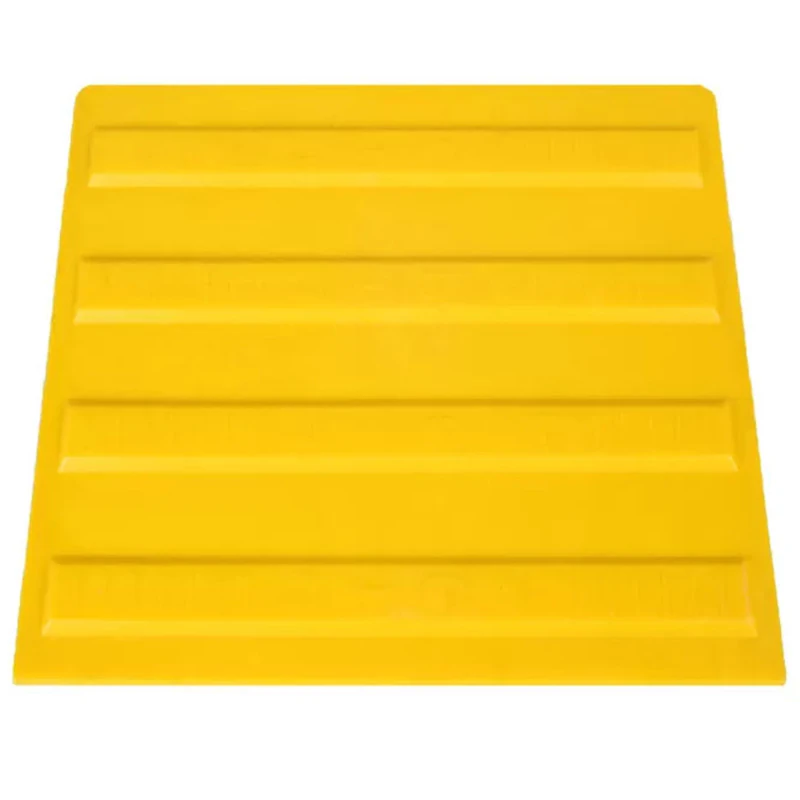
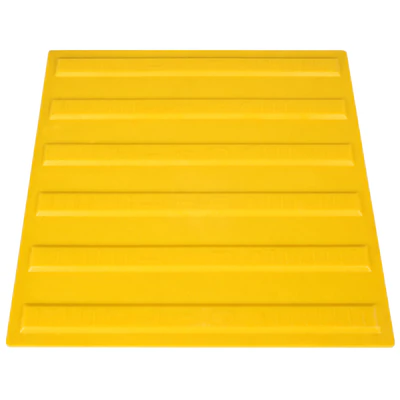
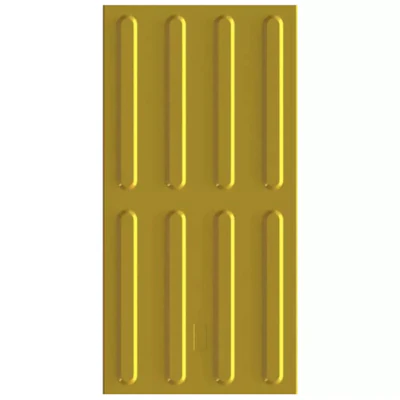
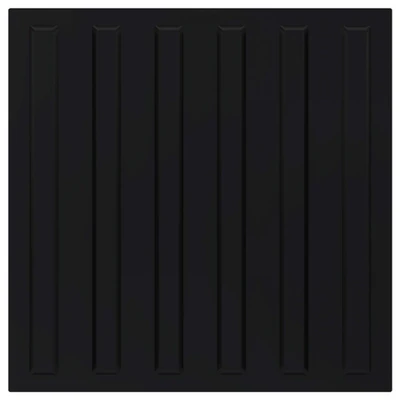
- longitudinal nerves → direction of movement
- points in relief → warning / direction change
This differentiation allows users to navigate safely without relying on external aid.
Compliance with standards and legislation
Touch markings shall be used in accordance with standards such as:
- ISO 23599
- EN 15209
- Local accessibility rules
Their correct implementation helps to avoid sanctions and to comply with legal requirements for public and commercial spaces.
Technical characteristics – designed for performance
Optimum size: 300x300 mm
Format 300x300 mm is one of the most used because:
- ease of modular assembly
- compatibility with various surfaces
- flexibility in tactile route configuration
Durable and durable materials
The tactile markings are made of high quality materials:
- Polyurethane (PU)
- Industrial PVC
- Stainless steel or aluminium (for premium variant)
These materials offer:
- Heavy traffic resistance
- durability at extreme weather conditions
- UV protection
- wear resistance and impact
Anti-skid surface
Safety is a priority. The special texture of the surface shall ensure:
- high adhesion
- prevention of slippage
- use in conditions of rain or moisture
Touch markings 300x300 mm
Directional markings
These have parallel ribs and are used for:
- Right-track guidance
- delimitation of circulation colours
- orientation within buildings
Warning markings
Expected with points in relief, they indicate:
- approach to pedestrian crossings
- steps or ramps
- obstacles or hazardous areas
Where to use tactile markings 300x300 mm
Public spaces
- sidewalks and pedestrian areas
- Joint transport stations
- pedestrian crossings
Commercial buildings
- malls
- supermarkets
- business center
Institutions
- hospitals
- Schools and universities
- Administrative offices
Transport and infrastructure
Assembly and installation – fast and efficient
Method of fixing
Touch markings 300x300 mm may be installed by:
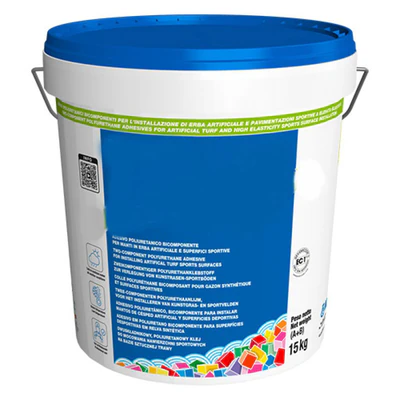
- Professional adhesive
- mechanical grip
- Mounting on existing surfaces
Surface compatibility
- concrete
- Fat
- asphalt
- industrial pardoses
Reduced installation time
Modular design allows:
- Quick mounting
- minimal surface interventions
- reduced manoeuvrability costs
Commercial benefits for the customer
- Increases accessibility of space
- Compliance with the legislation in force
- Reduces accident risks
- Improve the image of the company
- Easy to install and maintain
- Long life
- Optimum cost of performance
- Adaptable to any type of project
- Compatible with modern design
- Long-term investment
How to choose a correct tactile marking 300x300 mm
Key factors
- Type of surface
- traffic intensity
- location (internal/external)
- marking type (directional/warning)
Professional recommendations
For complex projects, it is recommended that:
- technical advice
- planning of tactile paths
- compliance with standard deviations
Maintenance and sustainability
The tactile markings are designed for intensive use, but proper maintenance prolongs the life of:
- regular cleaning
- verification of fixation
- replacement of damaged items
FAQ – Frequently Asked Questions
What is the difference between directional and warning markings?
Directional markings shall guide the movement and warning markings shall indicate hazards or changes in direction.
Can they mount on any surface?
Yes, provided that the surface is properly prepared and the appropriate adhesives are used.
Are they legally binding?
In many cases, yes – especially in public spaces and public institutions.
He's holding out on you?
Yes, they are designed to withstand weather, UV and intense traffic.
How long is the assembly?
Depending on the surface, the assembly can last from a few hours to a day.
Can they be customized?
Some models allow choice of colour or material.
What color is recommended?
Usually yellow or strong contrast for maximum visibility.