How to choose sheets and strips
The products in this category cover dimensions between 50 mm and 70 mm. Check the size, material and compatibility with your application in each product file.
In addition, for orders and questions, the TopTrafic.ro team offers delivery throughout the country and technical advice.
What Sheets and Bands Delimitation
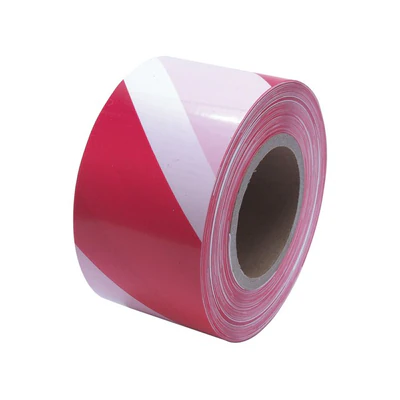
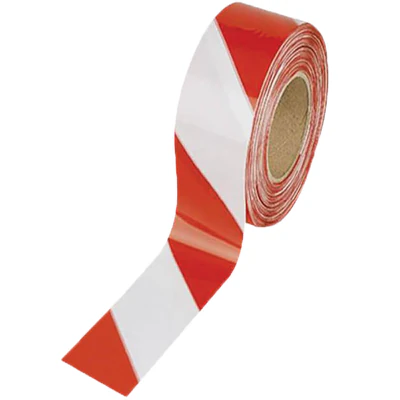
Sheets and strip are flexible, visible and easy to install materials used for separation of spaces, traffic guidance and protection of restricted areas. They are manufactured from plastic, PVC, reflective material or durable textile, providing high visibility and sustainability even in the requesting environments.
Their main purpose is to accident prevention and the efficient organisation of temporary or permanent spaceswithout requiring rigid structures or complex mountings.
Where it is used and in what context
The follicles and delineation bands are indispensable in:
- Construction construction, for marking work perimeters and preventing unauthorised access;
- Events and exhibitions, for guiding visitors and demarcating restricted access areas;
- Parking spaces and temporary roads, for delimiting the meanings of movement or reserved places;
- Industrial areas and warehouses, for the marking of access routes and hazardous spaces;
- Public institutions and administrative buildings, to organise the flow of persons and to highlight the prohibited areas.
These solutions are ideal for Quick, temporary or changing configurations, offering Flexibility and efficiency.
How it works
The basic principle is creating a visual and suggestive barrier:
- Quickly mount on posts, supports or directly on the ground;
- I can be Extensive or shortened as necessary;
- Contrast colors and reflective strips increase visibility;
- Can be used Inside or outsidebeing resistant to different atmospheric conditions;
- Works excellent with warning panels, posts and indicators.
Why They Are Important
- Secure spacespreventing accidents and unauthorised access;
- Organize traffic and the flow of persons;
- Permits temporary or permanent delineations without rigid constructions;
- Ensures high visibility due to colours and reflective materials;
- Reduce costs by portability and reuse.
Without sheets and stripe, spaces can become Disorganized and dangerous, especially in places with intense traffic or construction activities.
Real benefits for users
- Quick and easy installation without special tools;
- High flexibility: adaptable to any shape or length of space;
- Excellent visibility, even at night;
- Durable and wear-resistant materials and weatherproof;
- Portability and reuse for several projects;
- Reduced cost compared to other rigid delimitation solutions.
Types and variants of sheets and strip
1. Plastic sheets
- Easy and flexible;
- Live colors for visibility;
- Ideal for temporary or rapid delineations;
- Optional, with reflector bands for visible low traffic.
2. PVC bands
- Resistant and durable;
- Mount on fixed posts or supports;
- Use in Industrial zones and warehouses;
- They may be integrated with warning signs or indicators.
3. Textile follies or ribbon-type material
- Less resistant, but very flexible and portable;
- Ideal for temporary events and demarcations;
- Easy to store and reuse.
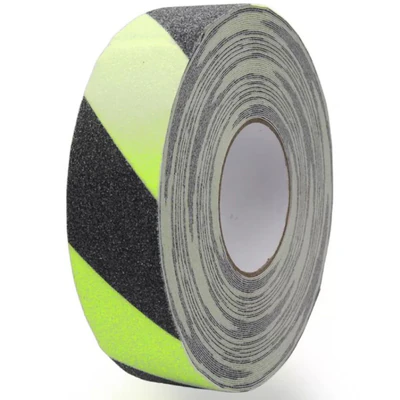
4. Reflective or luminous bands
- Increased visibility in low light conditions;
- Recommended for Night construction sites or parking spaces;
- It can be used with other visual equipment.
Relevant differences between options
- Material: plastic easy vs. durable PVC vs. flexible textile;
- Durability: interior, exterior, UV resistance and weather;
- Visibility: simple colour vs. reflective or luminescent;
- Portability: flexible vs. fixed;
- Cost and maintenance: resistant material, but more expensive vs. cheaper and easy to move options.
The right choice depends on type of space, frequency of use and visibility requirement.
How to choose the correct sheets and strips
- Identify type of space and purpose of delimitation;
- Choose the right material (easy plastic, durable PVC, flexible textile);
- Prioritize Visibility and contrasting colours;
- Decide the length and configurability required;
- Check compatibility with Other signalling equipment;
- Ensure compliance with security rules.
Common mistakes and how to avoid them
- Uneven mounting → confusion and risk of accidents;
- The choice of the material unsuitable for traffic or environmental conditions;
- Neglecting maintenance → decreases efficiency and lifespan;
- Lack of reflector or light signaling → reduced visibility at night;
- Ignoring integration with other signalling systems → incomplete communication.
Professional recommendations
- Use standardised colours and reflective safety strips;
- Mount sheets and strips on stable supports or posts;
- Periodically check the condition of the materials and replace the damaged parts;
- Ensure visibility at night or adverse weather conditions;
- Integrate sheets and strips into the general plan of organisation and security.
Maintenance and good practice
- Regularly cleans sheets and strips of dirt and dust;
- Adjust the position with the space change;
- Replaces damaged or weakened sheets and strips;
- Checks visibility at night;
- Keep organised and easily accessible materials for reuse.