
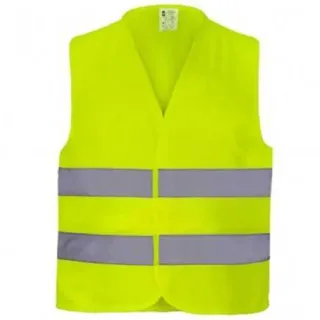
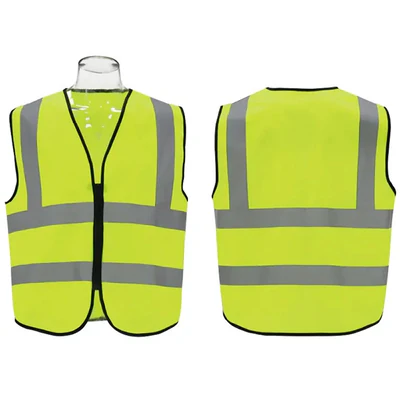
Green reflecting vest
24,70 lei
In stock
in Request a quote – Green reflecting vest See options – Green reflecting vestWe use strictly necessary cookies to run the site and, only with your consent, to remember viewed products, for visit statistics and for YouTube video playback. You can change your mind at any time from “Cookie settings” at the bottom of the page. Cookie policy
Technical advice: 021 450 60 70 · Fast delivery nationwide · Blog
Labour security includes measures, equipment and procedures that protect employees from occupational risks and ensure legal compliance.
24,70 lei
In stock
in Request a quote – Green reflecting vest See options – Green reflecting vestWe didn't find any products for the chosen filters.
Job security is not just a legal obligation or a set of documents in a file. It is a complete system of measures which has one purpose: accident prevention and employee health protection.
Includes:
identification of occupational risks
implementation of prevention measures
use of protective equipment
Staff training
continuous monitoring of working conditions
In short, we are talking about an organised framework that reduces the probability of incidents and limits their consequences.
An accident at work affects:
employee
employer
Company activity
reputation of the organisation
Beyond the legal aspect, we talk about responsibility and prevention.
The benefits of a well-implemented system:
accident reduction
increasing productivity
decrease in absenteeism
compliance with the legislation
confidence in the team
A safe environment means long-term efficiency.
High risk areas: heavy machinery, high temperatures, chemicals.
Falling from height and handling heavy materials are major risks.
The handling of goods, internal traffic and stackers require clear measures.
Even in the administrative environment there are risks: poor ergonomics, fires, electrical installations.
Exposure to biological or chemical agents.
A properly implemented framework includes several steps.
Identification of the actual hazards of each activity.
Reduction or elimination of identified risks.
Headphones, gloves, protective footwear, glasses, reflective news.
Warning panels, markings, indicators.
Employees need to know how to react.
protective helmet
Resistant gloves
metal pump boots
protective glasses
breathing masks
safety belts for height work
Railings
ventilation systems
Safety warning
Shutter
medical kits
warning indicators
Marking may
delineation bands
Information panels
Constructions have requirements other than offices.
Environments with toxic substances require special equipment.
The size of the company influences the complexity of the system.
It does not choose generic products, but adapted to the specific activity.
Equipment must comply with European standards.
Uncomfortable equipment will be used incorrectly.
Cheap products can generate higher costs in the long term.
the formal processing of the process
lack of real training
use of inappropriate equipment
ignoring periodic checks
insufficient signaling
A "paper - only system " does not protect anyone.
They must identify risks, provide appropriate equipment and provide training to staff.
It depends on the area of activity and the level of risk.
By constant evaluation, training and investment in compliant equipment.
No, no. Signalling is complementary, not replacing effective protection.
implement a real system, not just documentation
regularly update the risk assessment
involving employees in the process
check equipment constantly
create a culture of prevention
Organizational culture is as important as equipment.
An effective system requires:
periodic reviews
replacement of worn equipment
update of the alert
monitoring of minor incidents
Prevention is a continuous process.
The costs generated by an accident are much higher than the investment in prevention.
They will be affected by:
Safety is not a waste. It's an investment in stability.
Job security means real protection, responsibility and professionalism. By choosing the right equipment, implementing the right measures and continuing staff training, risks can be significantly reduced.
A safe environment is not the result of chance, but of a well thought out and consistently applied strategy.
Get our offers and news once a month. You can unsubscribe at any time.