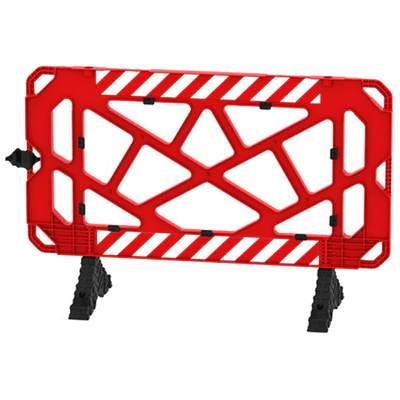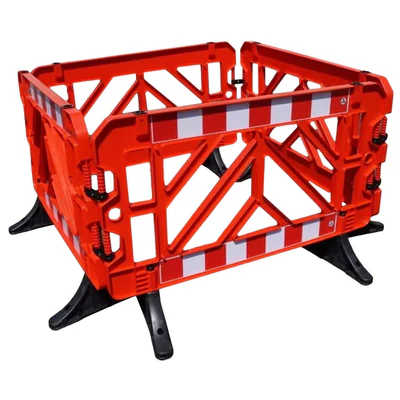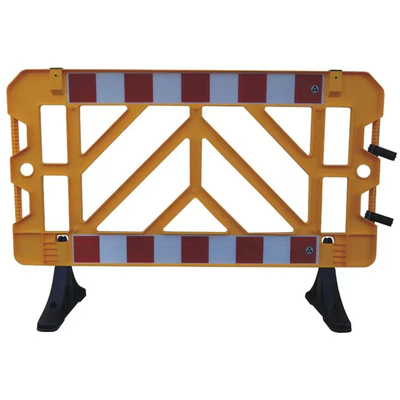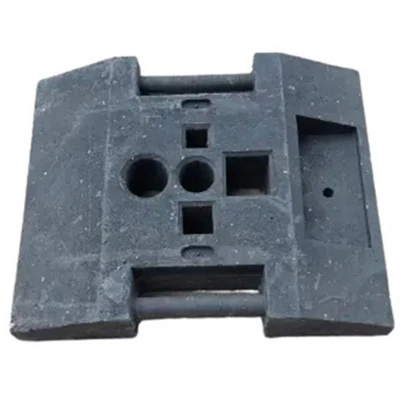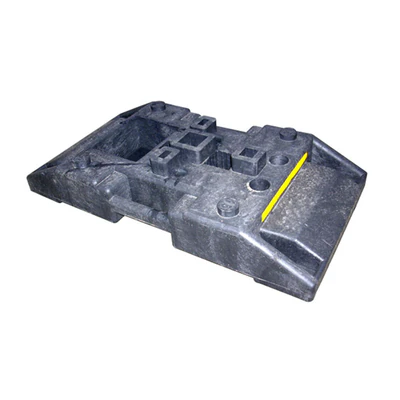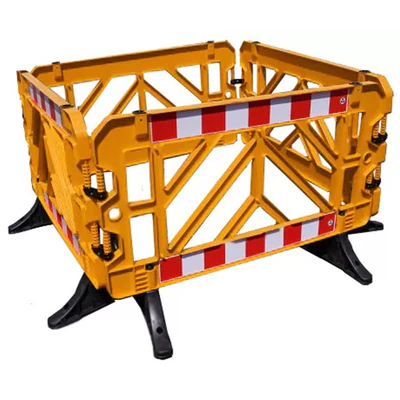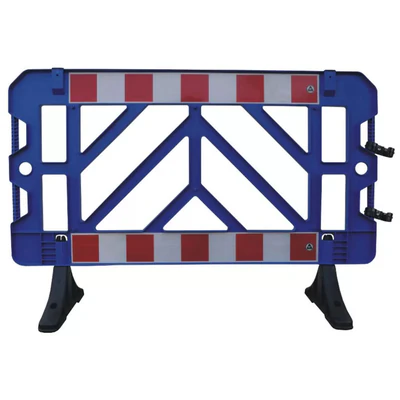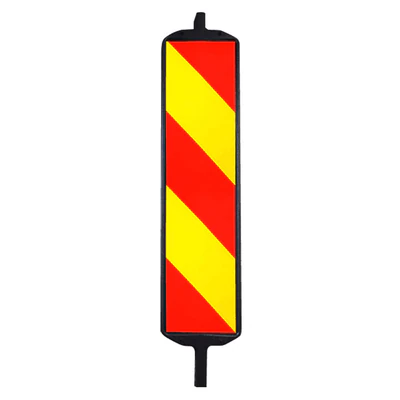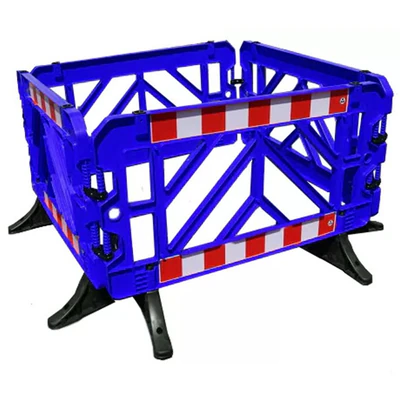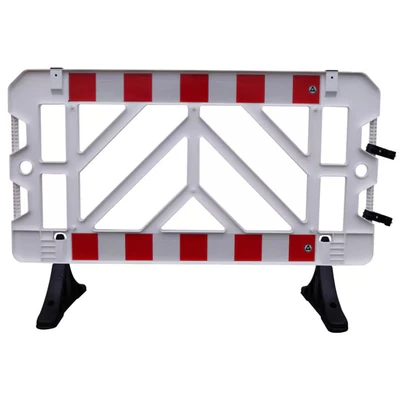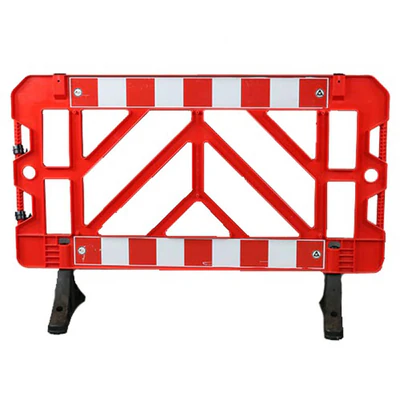
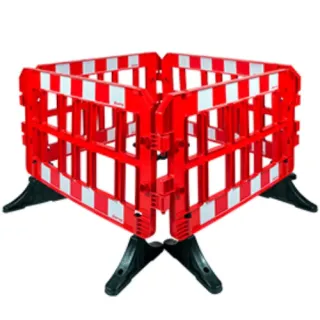
Modular red barrier for signalling works 1500x1000 mm
299,00 lei
Made to order
ord4 variant
Request a quote – Modular red barrier for signalling works 1500x1000 mm See options – Modular red barrier for signalling works 1500x1000 mmWe use strictly necessary cookies to run the site and, only with your consent, to remember viewed products, for visit statistics and for YouTube video playback. You can change your mind at any time from “Cookie settings” at the bottom of the page. Cookie policy
Technical advice: 021 450 60 70 · Fast delivery nationwide · Blog
The marking of work shall protect drivers and workers, clearly indicating the areas where work is carried out and the speed adjustment.
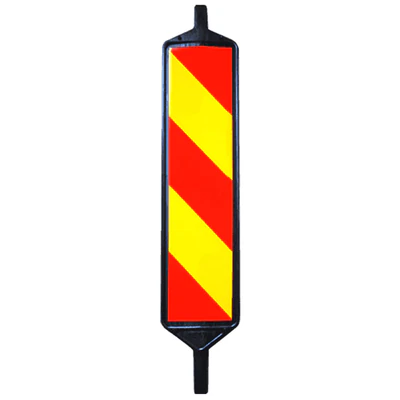
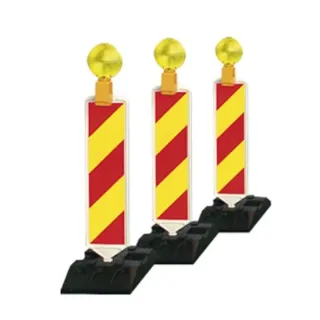 Directional beacons
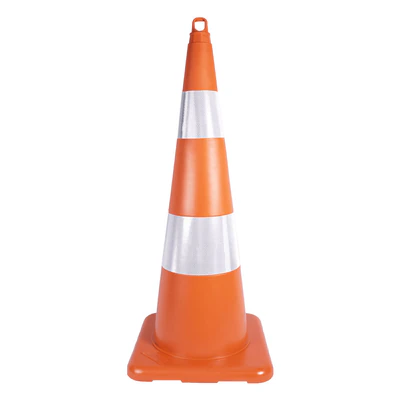
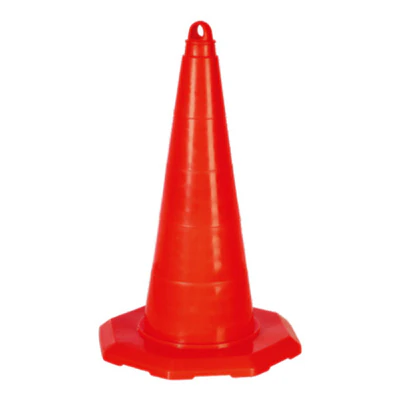
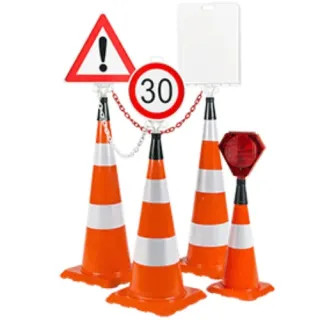 Traffic cones
 Barriers and fences
 Roadworks signs
 Stop/go paddles
 Traffic batons
 Prismatic signs
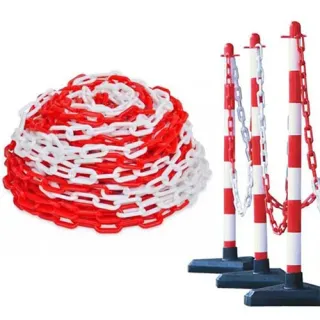 Barrier chains
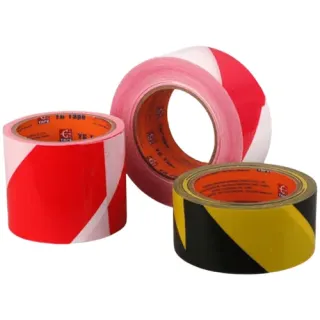 Barrier tapes and films
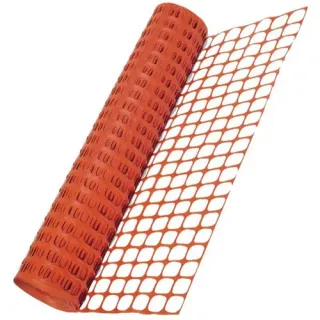 Construction site mesh
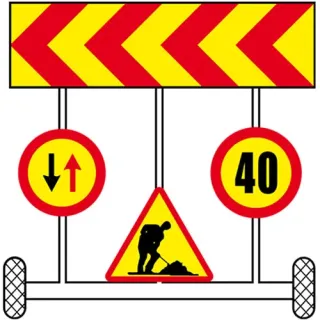 Sign trolleys
299,00 lei
Made to order
ord4 variant
Request a quote – Modular red barrier for signalling works 1500x1000 mm See options – Modular red barrier for signalling works 1500x1000 mm136,00 lei
Made to order
ord Request a quote – Traffic orange cones with 750 mm height and 2 reflective sheets See options – Traffic orange cones with 750 mm height and 2 reflective sheets1.136,21 lei
Made to order
ord4 variant
Request a quote – Modular fence type Turkey for red works See options – Modular fence type Turkey for red works315,00 lei
In stock at supplier
sup4 variant
Request a quote – Modular barrier for signalling works 1500x1000 mm yellow See options – Modular barrier for signalling works 1500x1000 mm yellow70,00 lei
In stock
in Request a quote – 18 kg heavy base for directional beacon See options – 18 kg heavy base for directional beacon100,00 lei
outOut of stock
Request a quote – Heavy base of 15 kg for directional beacon See options – Heavy base of 15 kg for directional beacon46,00 lei
Made to order
ord Request a quote – With traffic steering with height 320 mm, a reflective tape, PVC See options – With traffic steering with height 320 mm, a reflective tape, PVC1.197,00 lei
In stock at supplier
sup4 variant
Request a quote – Modular fences for yellow field type works See options – Modular fences for yellow field type works80,00 lei
In stock
in Request a quote – Heavy base of 28 kg for directional beacon See options – Heavy base of 28 kg for directional beacon80,00 lei
Made to order
ord Request a quote – With traffic steering, height 500 mm, or reflector band, PVC See options – With traffic steering, height 500 mm, or reflector band, PVC315,00 lei
In stock at supplier
sup4 variant
Request a quote – Fences for works 1500x1000 mm blue See options – Fences for works 1500x1000 mm blue150,00 lei
In stock
in Request a quote – Directional beacon signalling left-right ocollation works Class 2, 1000x250 mm See options – Directional beacon signalling left-right ocollation works Class 2, 1000x250 mm100,00 lei
In stock
in Request a quote – Directional beacon signalling works left-right ocollation Class 1, 1000x250 mm See options – Directional beacon signalling works left-right ocollation Class 1, 1000x250 mm42,00 lei
outOut of stock
Request a quote – With traffic steering with height 520 mm, a reflective tape, PVC See options – With traffic steering with height 520 mm, a reflective tape, PVC99,00 lei
Made to order
ord Request a quote – With 900 mm high traffic steering without reflective foil, PVC See options – With 900 mm high traffic steering without reflective foil, PVC116,00 lei
In stock
in Request a quote – Cone for 900 mm high traffic, two reflective strips, PVC, orange See options – Cone for 900 mm high traffic, two reflective strips, PVC, orange1.197,00 lei
In stock at supplier
sup4 variant
Request a quote – Modular fence for blue field type works See options – Modular fence for blue field type works170,00 lei
Made to order
ord Request a quote – Directional beacon signalling works 800x200 mm, right ocollation, class 1 foil See options – Directional beacon signalling works 800x200 mm, right ocollation, class 1 foil38,00 lei
In stock
in Request a quote – With high traffic steering 520 mm without reflective foil, PVC See options – With high traffic steering 520 mm without reflective foil, PVC37,00 lei
In stock
in Request a quote – With non-reflective traffic steering, height 500 mm, plastic See options – With non-reflective traffic steering, height 500 mm, plastic44,99 lei
In stock
in Request a quote – Traffic cones with height 520 mm, 2 reflective sheets, PVC, orange See options – Traffic cones with height 520 mm, 2 reflective sheets, PVC, orange315,00 lei
In stock at supplier
sup4 variant
Request a quote – Fence protection works 1500x1000 mm white See options – Fence protection works 1500x1000 mm whiteWe didn't find any products for the chosen filters.
The products in this category cover dimensions between 50 mm and 2000 mm and loads up to 28 kg. You can compare variants from OEM, MFK, PVC, Ustun and Generic. Check the size, material and compatibility with your application in each product file.
In addition, for orders and questions, the TopTrafic.ro team offers delivery throughout the country and technical advice.
Reporting of work includes all types of Panels, indicators and warning systems marking areas where work is carried out on roads, yards or in urban areas. The purpose is to increasing traffic safety, to guide drivers and pedestrians and to protect the staff working.
These signals are part of the category temporary road regulationsbeing essential for law enforcement and accident prevention.
Signing of works shall apply in:
The correct application of alerts reduces the risk of accidents and confusion for drivers, pedestrians and workers.
The principle is simple: Drivers or pedestrians observe signaling and adapt behaviour. The most common elements include:
Effective operation depends on correct placement, visibility and regular maintenance equipment.
The reporting of works is essential for:
Without proper signaling, traffic becomes unpredictable and dangerous, especially in areas with complex or temporary work.
The choice depends on type of work, duration and traffic of the area.
Get our offers and news once a month. You can unsubscribe at any time.