What Protective Defenders Are and Why They Are Essential
In any space where vehicles, machinery or heavy equipment circulate, the risk of impact is constant. Whether we're talking about stackers in a warehouse, wagons in a supermarket or cars in an underground parking lot, minor collisions are inevitable.
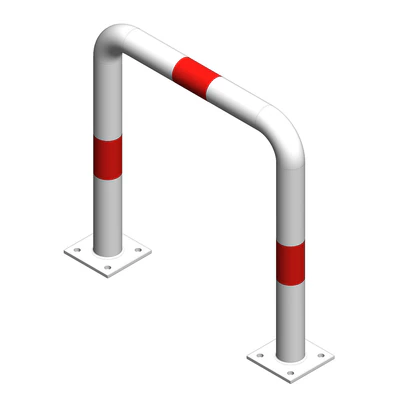
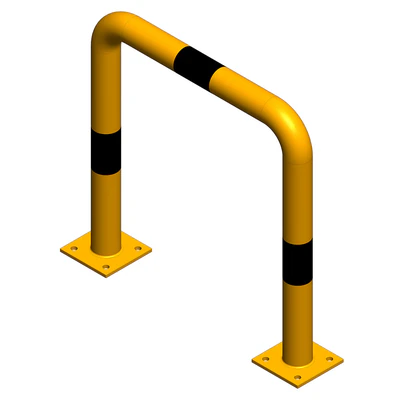
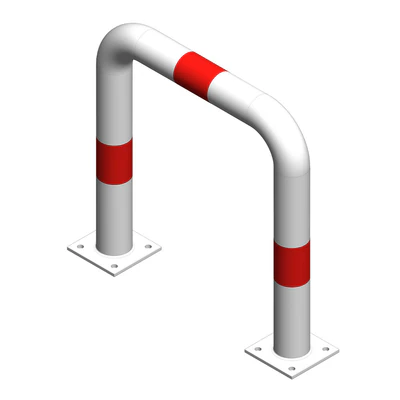
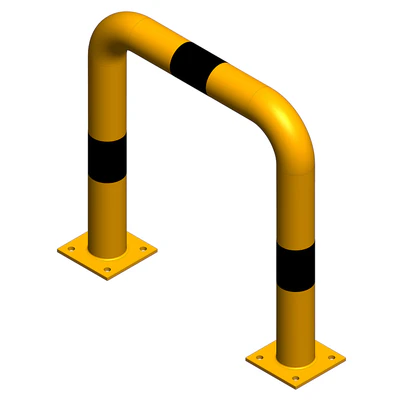
Protection defenders are solutions specially designed to absorb, divert or limit the effects of an impact. They shall protect:
- building structure
- metal shelves
- Resistance pillars
- machinery
- access areas
- Technical infrastructure
In short, they are a prevention system that reduces the costs of repairs, activity interruptions and accident risks.
Where these solutions are used
Logistical deposits
In warehouses, internal traffic is intense. The cutters maneuver pallets, and the spaces are often narrow.
Vulnerable areas:
- shelf heads
- structural posts
- industrial gates
- exposed corners
Without adequate protection, damage can become costly and dangerous.
Industrial Hale
In factories and production units:
- Heavy machinery can accidentally hit structure
- Access routes should be protected
- Technical areas should be delimited
Industrial defences contribute to maintaining safety and respecting safety rules.
Underground parking
The corners, ramps and pillars are frequently hit.
Protections for corners and posts:
- reduce car damage
- protect the structure of the building
- increase the visibility of difficult areas
Commercial spaces
In shopping centres and supermarkets:
- carriages can damage the walls
- storage areas need additional protection
- the doors and the entrances must be secured
How Impact Defenders Work
The principle is simple: absorption and distribution of force.
Depending on the material, they may:
- absorb energy by controlled deformation
- Should have the impact
- Redistribute force to soil
Commonly used materials include:
- galvanized steel
- Technical polymers
- Industrial rubber
- High density PVC
Why these systems are important
1. Reduce repair costs
A damaged metal structure may involve:
- Stopping the activity
- replacement of elements
- costly interventions
Prevention is always cheaper than repair.
2. Increasing employee safety
A weak impact shelf can crack. A damaged structural post may affect the stability of the building.
Appropriate protection reduces these risks.
3. Improving the organization of space
Clear delineation of traffic zones contributes to more efficient flows.
Types of Defenders Available
Protective metal shelves
Mounted at the base of the shelves, especially the heads.
Role:
- absorbs the impact of stackers
- prevent structural deformation
Protection for posts
Available in variant:
- metal
- Of flexible polymer
- Of rubber
Ideal for areas with intense traffic.
Protective barriers
Robust structures separating traffic zones from technical ones.
They may be:
- fixed
- modulation
- with energy absorption
Protections for corners and walls
Compact solutions for parking spaces and commercial spaces.
Differences between metallic and polymer solutions
Galvanized steel
Advantage:
- high resistance
- high sustainability
Disadvantage
Technical polymers
Advantage:
- Flexibility
- effective absorption of impact
- reduced weight
They are ideal for areas where impact is frequent, but not extreme.
How to choose the right solution
Analyze traffic type
- Heavy stretchers?
- Manually transpalate?
- Car?
The level of impact differs significantly.
Evaluate collision frequency
Areas with frequent maneuvers require more robust solutions.
Take into account the available space
Some systems occupy more space.
Check security rules
In many industries there are specific requirements.
Common errors
- Choosing too easy a protection for heavy traffic
- Incorrect assembly
- Neglect of maintenance
- Ignoring areas apparently ‘minor'
Professional recommendations
From experience, the most effective systems are:
- adapted to the exact type of activity
- strategically installed at critical points
- integrated into a general safety plan
It does not only protect areas already damaged — it analyzes the flow and prevents it.
Maintenance and good practice
For optimal performance:
- periodically check the fixings
- replace deformed elements
- clean surfaces for visibility
- review the position if the flow changes
Real Frequently Asked Questions
How do I protect shelf heads in a warehouse?
It is recommended dedicated defenders for racks, mounted at the base of the structure.
What solution is suitable for parking pillars?
Rubber or flexible polymer protections are effective for easy self impact.
Are protections also necessary for areas with reduced traffic?
Yeah. Most accidents occur in areas considered ‘safe'.
Conclusion
Protective defences are not optional accessories. They are a strategic investment in safety, sustainability and operational efficiency.
A well chosen system:
- reduces costs
- Accidental prevention
- protect infrastructure
- provides long-term stability
Safety begins with smart prevention.