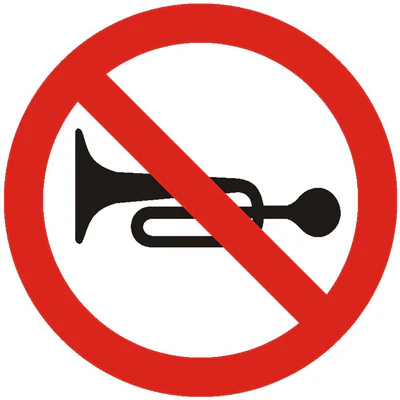
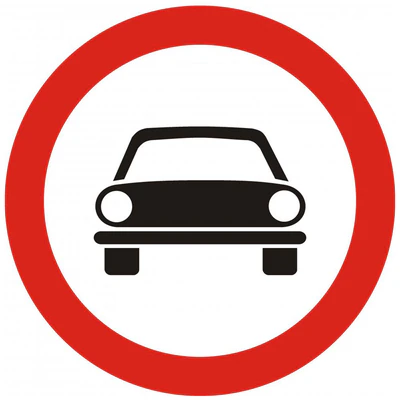
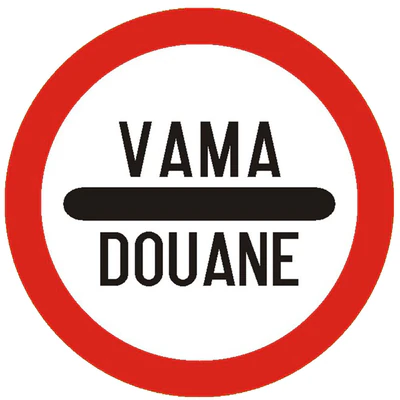
What are the prohibition indicators and what role they play in traffic
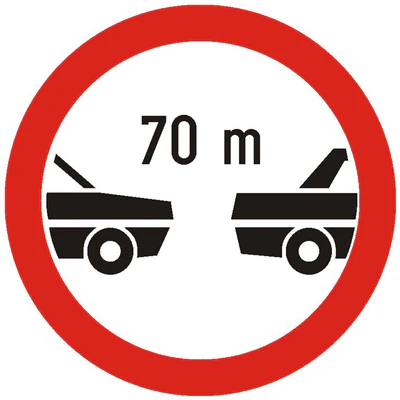
The prohibition indicators are one of the most important categories of road signs, with the role of imposes clear limits on behaviour all participants in traffic. Unlike warning or information indicators, they does not suggest, I'm not saying anything certain actions.
Their message is direct, unambiguous:
- You're not allowed in
- You're not allowed to get over it
- You're not allowed to stop
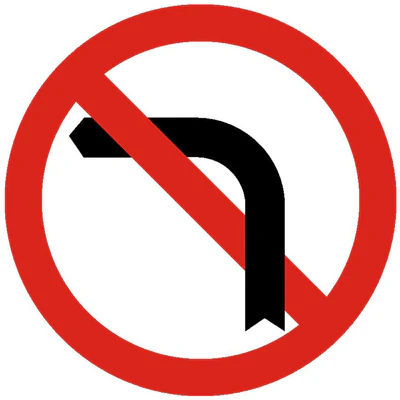
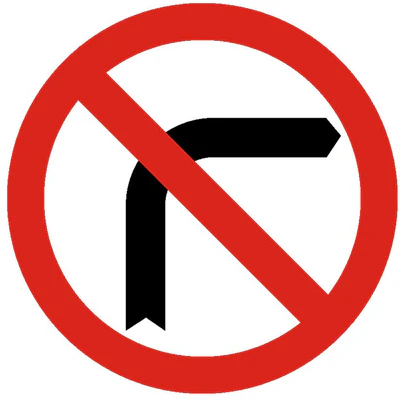
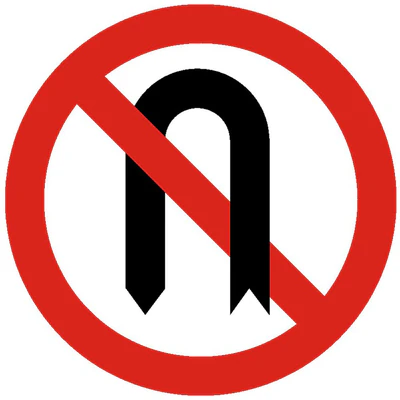
- You're not allowed to move in a certain direction
These restrictions are not arbitrary. They shall be established to protect:
- Road safety
- traffic fluency
- infrastructure
- vulnerable pedestrians and participants
Why are the prohibition indicators essential
Without clear rules, traffic would quickly become chaotic. Prohibition indicators:
- delete subjective interpretations
- reduce vehicle conflicts
- prevent accidents caused by risky maneuvers
- maintain order in areas with special restrictions
They work like firm visual limit, easy to recognize and hard to ignore.
Where the prohibition indicators are used
Urban public roads
In cities, these indicators are omnipresent and are used for:
- intensive traffic management
- protection of residential areas
- Separation of traffic flows
National and extra-urban roads
On high-speed roads, prohibitions are critical for:
- prevention of dangerous excesses
- limiting access to certain trunks
- Protection of road infrastructure
Special areas
Prohibition indicators are frequently used in:
- pedestrian areas
- construction
- Parking spaces
- industrial zone
- Logistic platforms
How the prohibition indicators work
The principle is extremely simple: What is displayed is mandatory to respect, other than:
- hour
- traffic
- weather
- personal perception of risk
Their rapid recognition is possible due to:
- circular form
- white background
- red margins
- black symbol, easy to read
This standardisation allows drivers to react instinctively without "translating the message.
Types of prohibition indicators
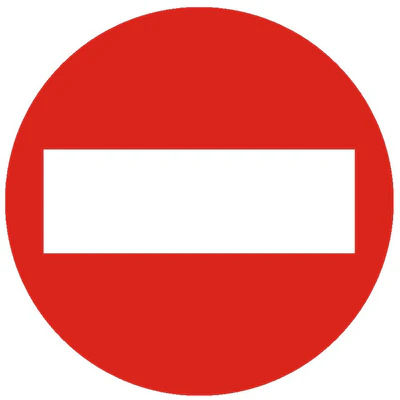
Access forbidden
One of the most well-known indicators.
It shall transmit:
- Total access ban
- without regard to the type of vehicle, with the explicit exception of those indicated
It is commonly used for:
- unique senses
- restricted areas
- exits from roads with controlled access
Forbidden meaning
Indicates that:
- The road is with a unique meaning
- access from that direction is completely prohibited
It is essential to prevent frontal collisions, especially in crowded urban areas.
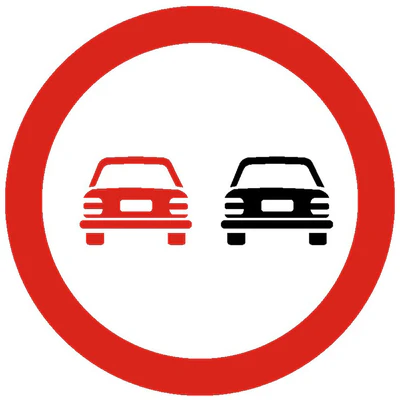
Overcoming prohibited
This indicator:
- prohibition of overtaking
- apply on a certain stretch of road
It is located in areas with:
- reduced visibility
- Dangerous curves
- high speed differences
End of prohibition of overtaking
It shall clearly indicate the time at which:
- the restriction is no longer valid
- Drivers can return to normal maneuvers
The clarity of this indicator is as important as the rail ban.
Forbidden stop
It prohibits the voluntary stoppage of the vehicle even for short periods.
Does not allow:
- parking
- temporary stop "just a minute
It is used in areas where stopping would block traffic or create danger.
Parking prohibited
Allows short stop, but forbids:
The difference between stopping and parking is often misunderstood and generates many sanctions.
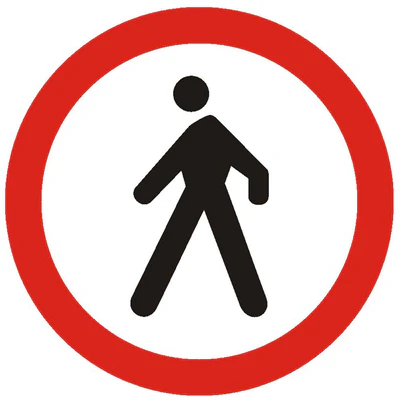
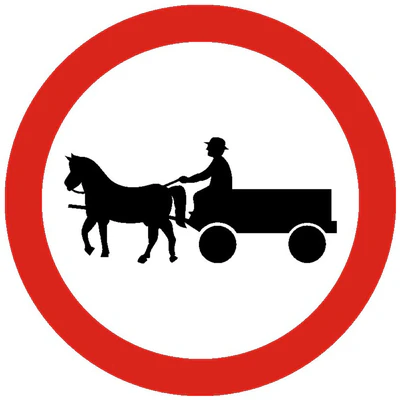
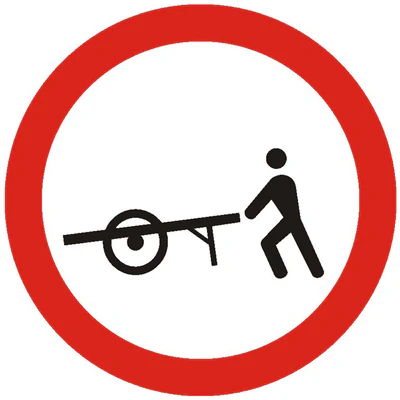
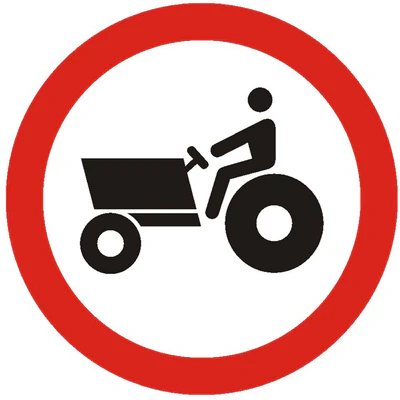
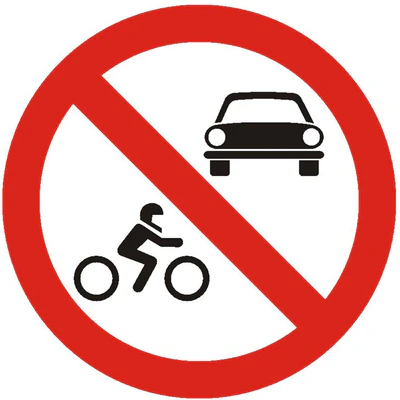
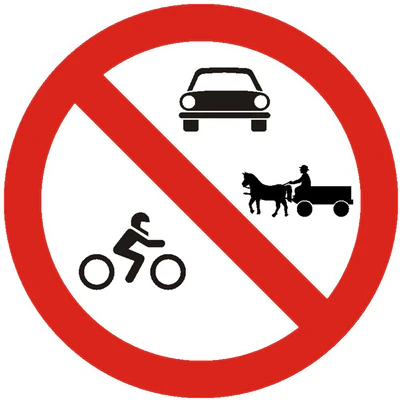
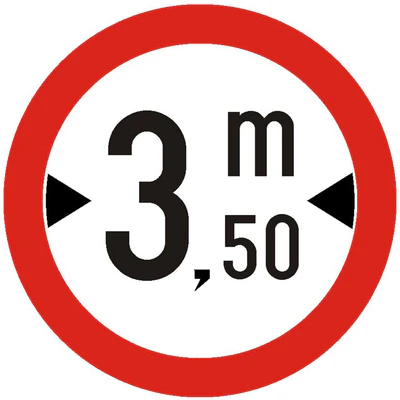
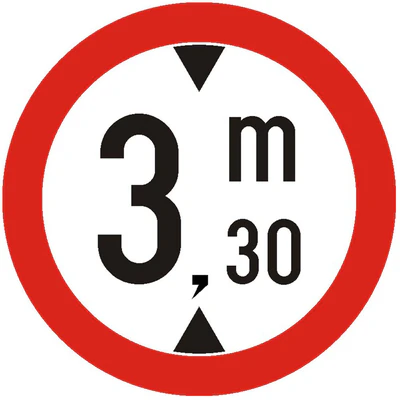
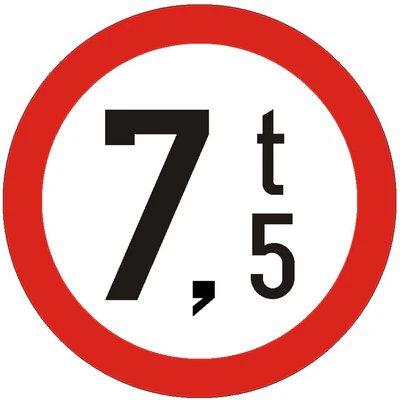
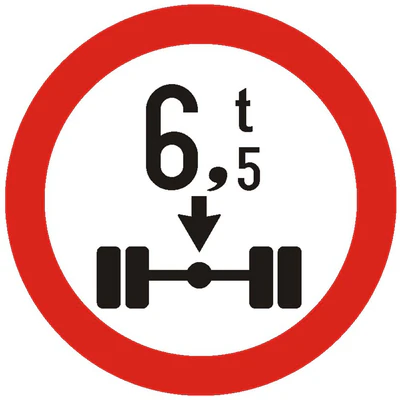
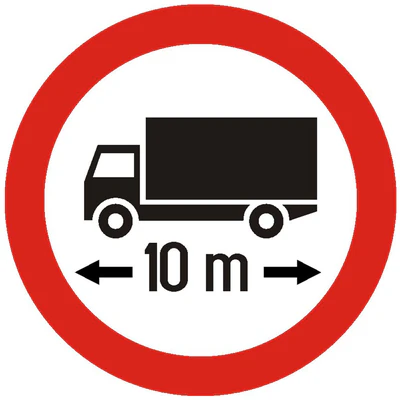
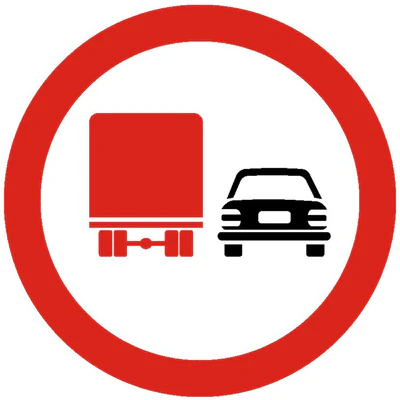
Access restrictions for certain vehicles
There are dedicated indicators for:
- Trucks
- Vehicles exceeding a certain weight
- bicycles
- pedestrians
- Vehicles with animal traction
They are essential for the protection of infrastructure and safety.
Differences between prohibition and restriction indicators
Although they are often confused, there are clear differences:
- Prohibition = total forbidden action
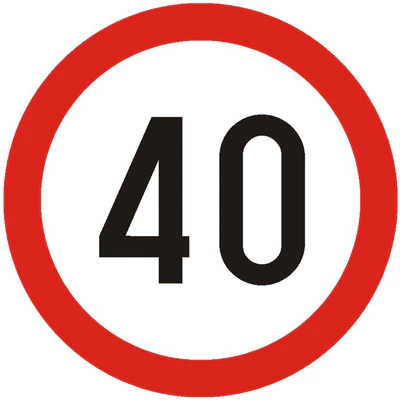
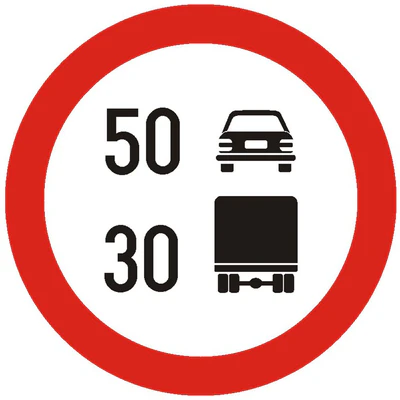
- Restriction = Conditional limitation (weight, speed, category)
In practice, both must be respected with the same legal rigour.
Why are these critical safety indicators
Accident reduction
Most serious accidents occur from:
- Prohibited maneuvers
- ignoring the limits imposed
- misinterpretation of the situation
Clarity in decision
In traffic, decisions are made in fractions of a second. A clear indicator:
- removes hesitation
- reduces stress
- increases the predictability of behaviour
How to choose the Prohibition Indicators correctly
Analyse real risks
- type of road
- accident history
- traffic flows
Choose the right prohibition
Too harsh a ban can be ignored. A too gentle one can be useless.
Correlate with road markings
The indicators shall work best together with:
- longitudinal marking
- directional arrows
- clear boundaries
Common errors in the use of prohibition indicators
Overloading with bans
Too many signs lead to:
- confusion
- ignore
- loss of impact
Wrong placement
An indicator placed too late doesn't help the decision.
Lack of maintenance
A dirty or damaged indicator is practically non-existent.
Experience-based professional recommendations
- Use prohibitions only where justified
- Regularly check readability
- Make sure the sign is visible and at night
- Avoid Contradictions Between Indicators
- Test traffic logic, not just theoretical compliance
Maintenance of prohibition indicators
In order to remain effective, the indicators shall:
- regularly cleaned
- replaced when reflectivity decreases
- verified after road work
- free from vegetation or obstacles
An unmaintained indicator may become a risk, not a solution.
Common user questions (naturally integrated)
"Is it mandatory to respect the indicator even if the road is clear?
Yeah. The ban doesn't depend on traffic, but usually.
"Can you stop a few seconds where the forbidden stop is written?
No, no. Even short stop is forbidden.
"Who has priority if there is a prohibition indicator?
The prohibition shall apply before any priority rules.
Conclusion
The prohibition indicators are Spinal column of the road discipline. They set clear limits, eliminate dangerous behaviour and make traffic predictable and safe.
Respect for them is not an option, but a common responsibility.