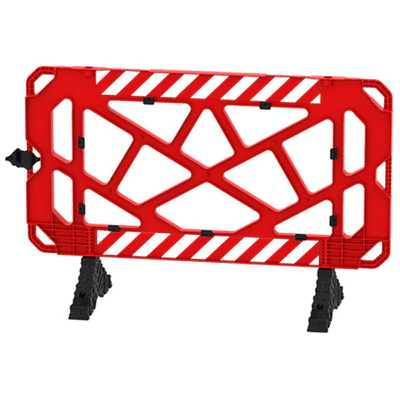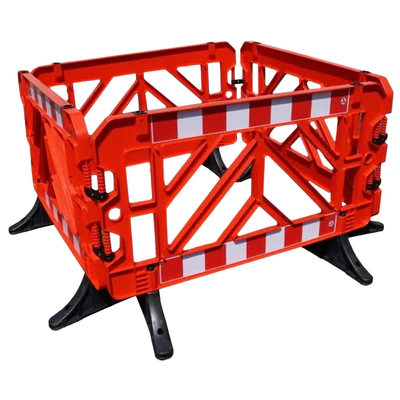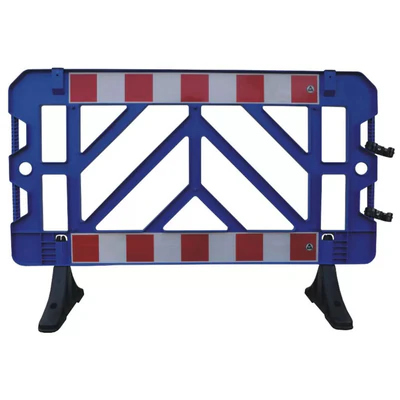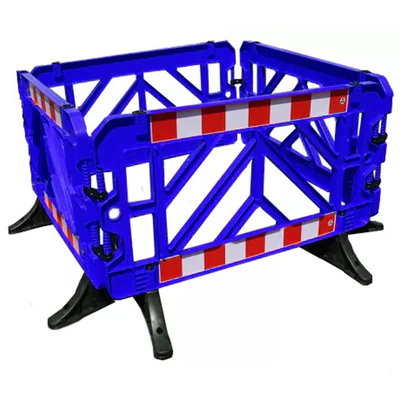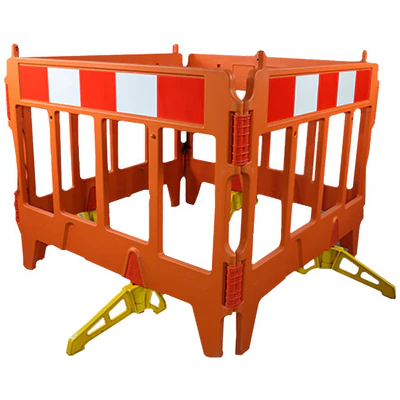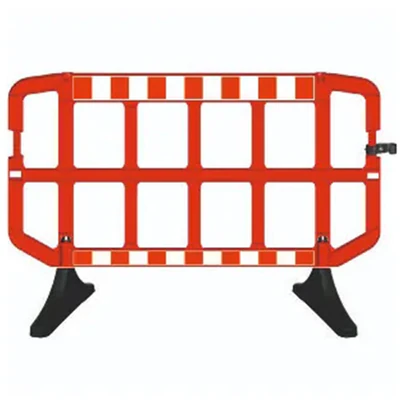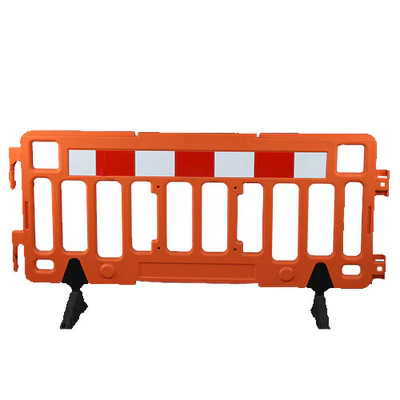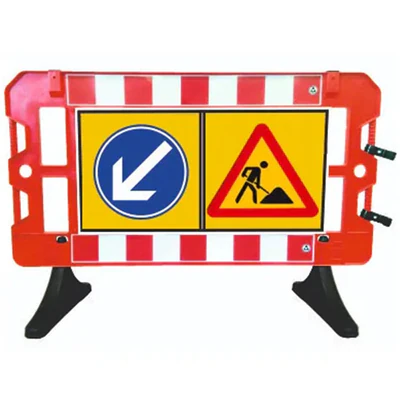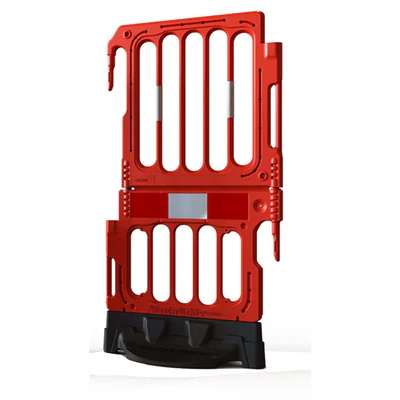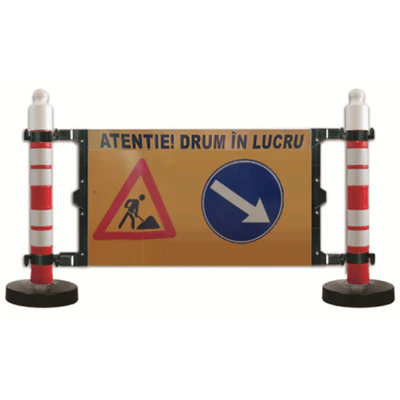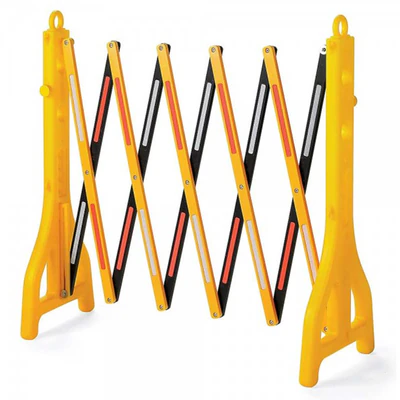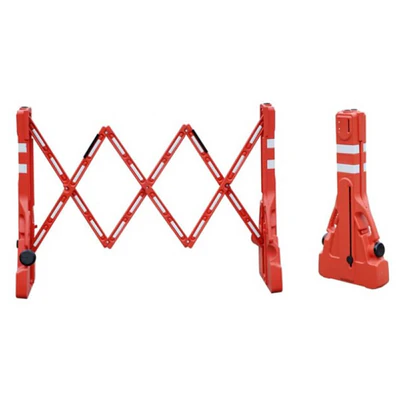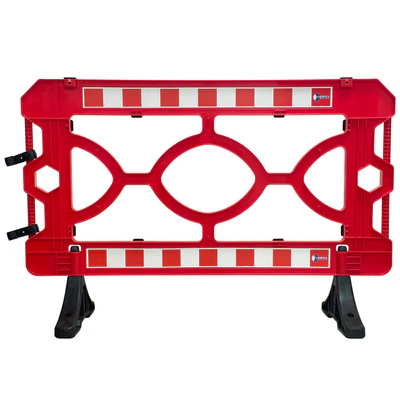
Modular red barrier for signalling works 1500x1000 mm
299,00 lei
Made to order
ord4 variant
Request a quote – Modular red barrier for signalling works 1500x1000 mm See options – Modular red barrier for signalling works 1500x1000 mmWe use strictly necessary cookies to run the site and, only with your consent, to remember viewed products, for visit statistics and for YouTube video playback. You can change your mind at any time from “Cookie settings” at the bottom of the page. Cookie policy
Technical advice: 021 450 60 70 · Fast delivery nationwide · Blog
Barriers and fences organise and delineate work areas, traffic or events, providing security and visibility to participants.
299,00 lei
Made to order
ord4 variant
Request a quote – Modular red barrier for signalling works 1500x1000 mm See options – Modular red barrier for signalling works 1500x1000 mm239,00 lei
outOut of stock
Request a quote – Fence barriers for works 1500x1000 mm, 12.5 kg, red See options – Fence barriers for works 1500x1000 mm, 12.5 kg, red1.136,21 lei
Made to order
ord4 variant
Request a quote – Modular fence type Turkey for red works See options – Modular fence type Turkey for red works1.197,00 lei
In stock at supplier
sup4 variant
Request a quote – Modular fences for yellow field type works See options – Modular fences for yellow field type works315,00 lei
In stock at supplier
sup4 variant
Request a quote – Fences for works 1500x1000 mm blue See options – Fences for works 1500x1000 mm blue1.197,00 lei
In stock at supplier
sup4 variant
Request a quote – Modular fence for blue field type works See options – Modular fence for blue field type works315,00 lei
In stock at supplier
sup4 variant
Request a quote – Fence protection works 1500x1000 mm white See options – Fence protection works 1500x1000 mm white1.197,00 lei
In stock at supplier
sup4 variant
Request a quote – Modular fences for white country-type works See options – Modular fences for white country-type works799,99 lei
In stock
in Request a quote – Barriers to the work of the farm See options – Barriers to the work of the farm239,00 lei
Made to order
ord Request a quote – Modular fence for 1500x1000 works red with reflective foil, weight 10.5 kg See options – Modular fence for 1500x1000 works red with reflective foil, weight 10.5 kg360,00 lei
outOut of stock
Request a quote – Working barriers 2000x1000 mm, orange See options – Working barriers 2000x1000 mm, orange400,00 lei
outOut of stock
Request a quote – Barrier works 2000x1000 mm, yellow See options – Barrier works 2000x1000 mm, yellow415,00 lei
outOut of stock
Request a quote – Barriers work with road signs in work and right bypass, 1500x1000 mm, 12.5 kg See options – Barriers work with road signs in work and right bypass, 1500x1000 mm, 12.5 kg415,00 lei
outOut of stock
Request a quote – Barrier work with road signs in work and left bypass, 1500x1000 mm, 12.5 kg See options – Barrier work with road signs in work and left bypass, 1500x1000 mm, 12.5 kg600,00 lei
In stock
in Request a quote – Modular barrier for DoubleTop works, 1000x2000 mm, orange See options – Modular barrier for DoubleTop works, 1000x2000 mm, orange499,00 lei
outOut of stock
Request a quote – Panel signalling works 1800x1200 mm, right bypass See options – Panel signalling works 1800x1200 mm, right bypass499,00 lei
outOut of stock
Request a quote – Panel signalling works 1800x1200 mm, left ocollation See options – Panel signalling works 1800x1200 mm, left ocollation255,00 lei
Made to order
ord Request a quote – Portable and extendable 2.5 metre yellow barrier See options – Portable and extendable 2.5 metre yellow barrierWe didn't find any products for the chosen filters.
The products in this category cover dimensions between 1000 mm and 2000 mm and loads up to 5 kg. You can compare variants from MFK and OEM. Check the size, material and compatibility with your application in each product file.
In addition, for orders and questions, the TopTrafic.ro team offers delivery throughout the country and technical advice.
Barriers and fences are essential equipment for the delimitation and protection of areas, used in construction sites, events or in road infrastructure. He's in charge safety of participants, separate access areas and provide clear visibility for drivers, pedestrians and workers.
These elements may be manufactured from plastic, metal or modular materials, may include reflectorisation or light signaling and are adaptable for temporary or permanent interventions.
Barriers and fences shall apply in:
Correct use ensures security, order and legal compliance.
Basic principle: barriers and fences mark visual and physical areas, guiding traffic and pedestrians.
Characteristics and operating principles:
Proper assembly and regular maintenance are essential for efficiency of signalling and protection.
Barriers and fences are crucial for:
Without barriers and fences, risk zones become Haotic and dangerous.
The right choice depends on type of area, duration of delineation and traffic flow.
Get our offers and news once a month. You can unsubscribe at any time.