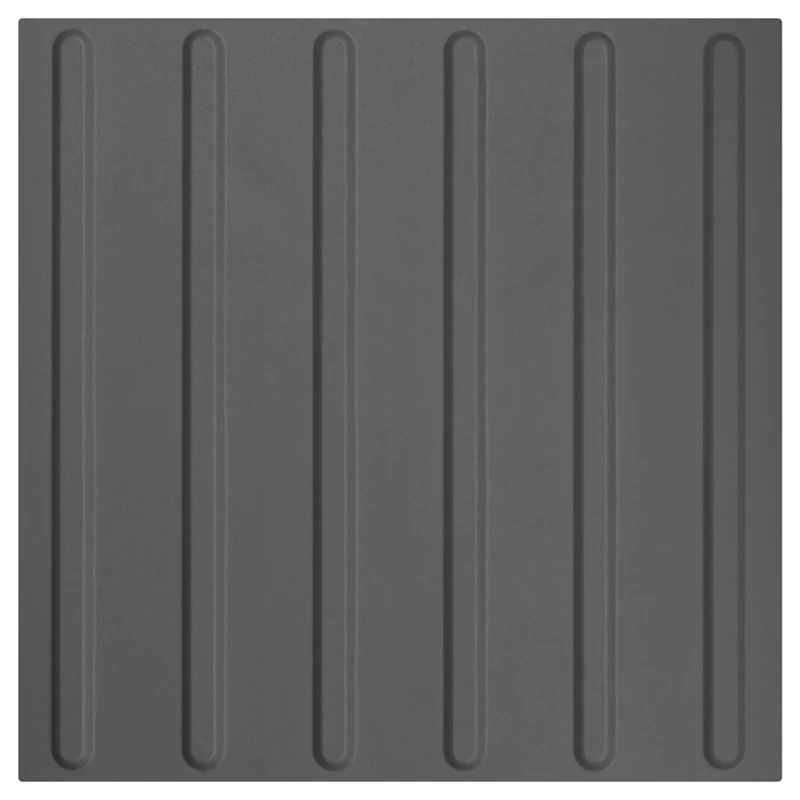
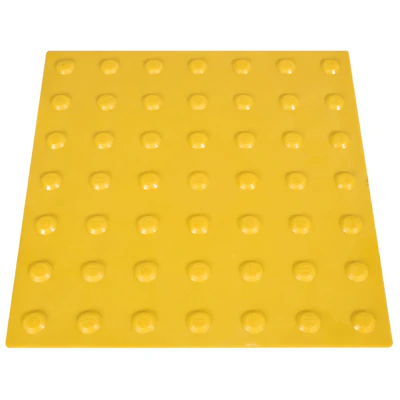
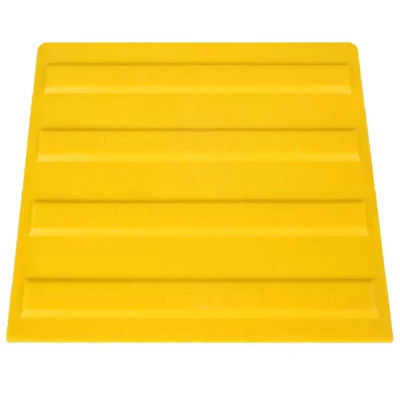
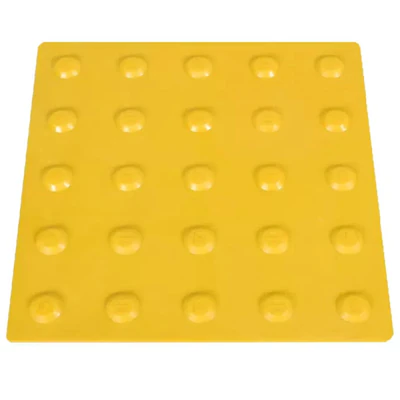
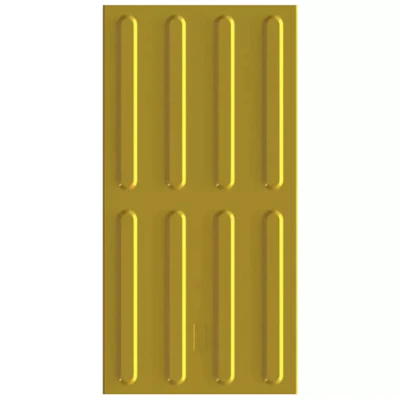
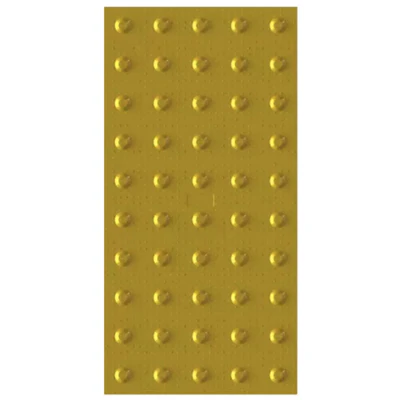
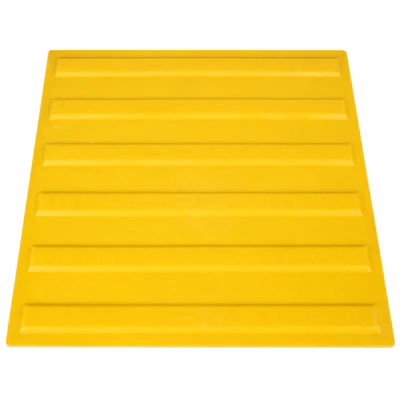
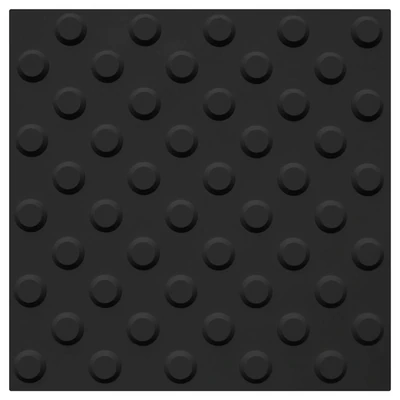
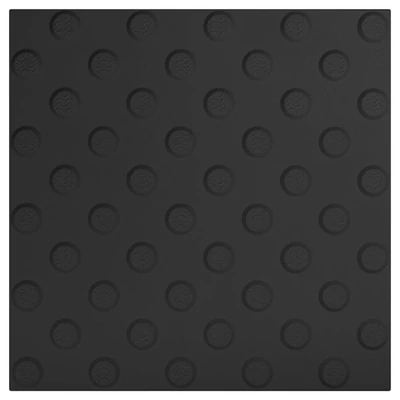
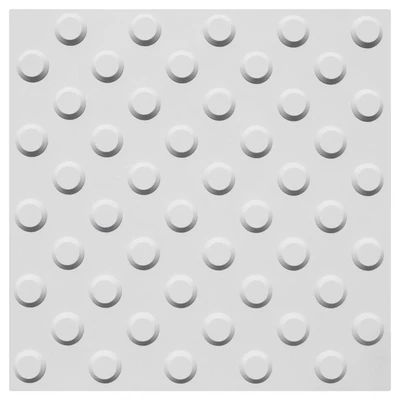
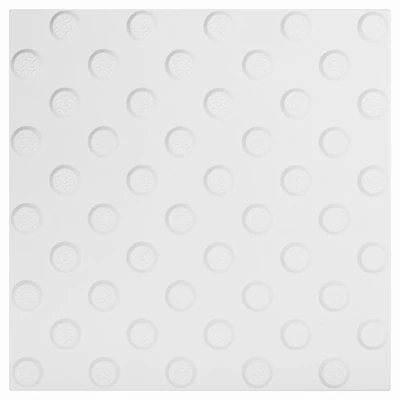
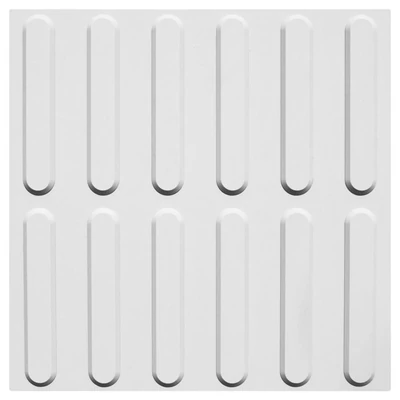
Orientation touch surface for visually odded people grey RAL 7015 300x300 mm is an essential element of accessible infrastructure, designed to create intuitive and safe routes for people with impaired vision in public and private spaces. Names and touch walking surface indicators or Paving tactile, these touch plates offer a clear feedback through profiled texture, detectable under feet or with stick, contributing to independent orientation and pedestal safety.
Made in an elegant shade of grey RAL 7015, this combined touch surface technical functionality with urban aesthetics, being recommended for modern urban design projects, pedestals, shopping centres or public institutions where safety and accessibility are priority.
What it is and why it matters the orientation tactile surface
The main role in accessibility
Tactical orientation surfaces are designed to guide blind or visually impaired persons on safe routes, providing consistent tactile signals indicating direction of travel or change of route. They can be detected either by touching the cane or under the sole of the shoe, helping to perceive the environment without sight.
How it works
The surface has a High profile or special structure transmitting tactical information – lines or nerves oriented in the right direction of travel, so that people with impaired vision can navigate intuitively and safely through open or complex spaces.
Technical details of the product
Dimensions and design
- Size: 300 × 300 mm – standard format for modular integration in the tactile tracks.
- Color: Grey RAL 7015 – elegant and discreet contrast for modern floors.
- Touch profile: Special orientation structure, detectable by cane or under foot.
Material and sustainability
This type of tactile plate is typically made of materials heavy traffic resistance, weather and wear, such as TPU ( thermoplastic plastic) or durable compounds, which maintain long-term tactical and visual status.
- Material: TPU/sustainable plastic
- Resistance to external factors: Easy to maintain, frost/freeze resistant and varied temperatures
- Compatibility: Suitable for external and internal mounting
Practical applications and uses
In urban infrastructure
Orientation touchboards are essential for creating accessible routes in:
- sidewalks and pedestrian alleys
- Public transport stations
- commercial centres and institutions
- complex parking and crossings
- service spaces or public buildings
They identify safe walking routes and signal major changes, contributing to the independence of the blind in the urban environment.
Explanations of trade benefits
Safety and comfort for users
The guidance tactile products ensure the detection of path differences and the change of directions in an intuitive way, reducing the risk of accidents and confusion in pedestrian traffic.
Modern design and easy integration
Color grey RAL 7015 fits with many contemporary architectural styles, making this product not only functional but also aesthetic.
Durability and reduced total cost
Being built from wear-resistant materials and various weather conditions, these plates have an extended life span, reducing long-term maintenance costs.
How to install
Installation is carried out on surfaces flat and stable, outer or inner, using special adhesives (not self-adhesive), ensuring a solid fixation and optimal tactile functionality.
When it's vital to use tactile plates
- Close to the stairs, ramps and platforms
- At the entrances and exits of buildings
- New routes in areas with intense pedestrian traffic
- In areas where the direction of travel changes frequently
These critical points may become major obstacles if they are not strategically signaled to the blind.
Commercial benefits
• Intuitive guidance for blind persons
• Increase pedestrian safety and accessibility
• Modern aesthetics – grey RAL 7015 integrates in design
• Durable and resistant to extreme conditions
• Easy to mount with special adhesives
• Compatible for both indoor and outdoor
• Reduces the risk of traffic accidents and confusion
• Support for public and commercial projects
FAQ – Frequently Asked Questions
1. What is a tactical orientation surface for visually odded people?
It is a special textured board that transmits tactile information to guide people with visual impairments in public or private spaces.
2. Why is the size 300x300 mm standard?
This dimension allows modular integration and effective tactile detection, being recommended in accessibility standards.
3. How is this product mounted?
It applies to flat surfaces with special adhesives; it does not have self-adhesive elements included.
4. Can they be used inside as well?
Yes – they can be mounted both inside and outside, on pedestrian routes or in buildings.
5. What contrast does the RAL 7015 color offer?
Gri RAL 7015 offers a good visual contrast with many types of floors, being useful for people with partial view.