What information indicators are and why it matters
Information indicators are visual solutions created to transmit clear, fast and easy to understand messages In a space. Their role is not to warn or impose rules, but to explain, guide and give context.
We meet them every day, often without knowing them:
– at entry into a building
– in the halls
– in public institutions
– in shopping centres
– in industrial spaces
– in access areas for visitors
A well-chosen indicator reduces confusion, saves time and increase perceived safety In a space.
Where the information indicators are used
Public buildings and institutions
In hospitals, schools, city halls, or administrative offices, these solutions help people to orient themselves without stress.
Common examples:
- reception
- offices
- waiting rooms
- toilets
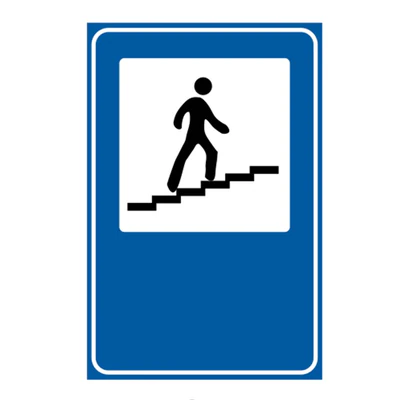
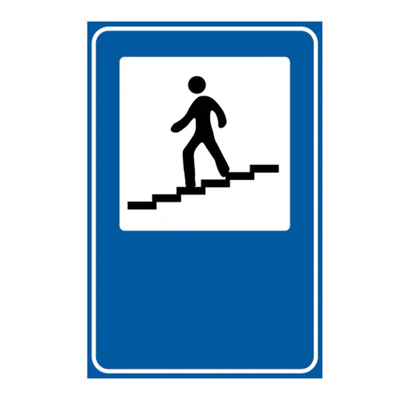
- Lifts and stairs
Commercial spaces
In stores, malls or showrooms, the information indicators contribute directly to the customer experience.
It may indicate:
- areas of interest
- Product categories
- information points
- exits
Industrial and logistical spaces
In halls, warehouses or factories, clear information means efficiency and order.
They are used for:
- marking of zones
- identification of spaces
- orientation of staff and visitors
Private spaces with traffic
Hotels, office buildings, private clinics or event centres use this type of signage intensively.
How the information indicators work
On the basis, it works on a simple principle:
correct information + good visibility + universal language.
Filled element
- clear, concise text
- intuitive pictogram
- good contrast between background and message
- logical positioning
An effective indicator is:
- Easy to read from a distance
- Easy to understand without explanation
- adapted to the context in which it is mounted
Why information indicators are important
Their importance is often underestimated, but the impact is greater.
Actual benefits
- reduce repetitive questions
- decrease agglomeration
- improving the flow of people
- transmission professionalism
- increase user comfort
A well-marked space is perceived as More organized, safer and more friendly.
Types of information indicators
Directional indicators
Show where it is or How do you get there In a certain place.
Example:
- arrows
- guidance maps
- level plans
Simple information indicators
I'm sending you a point information:
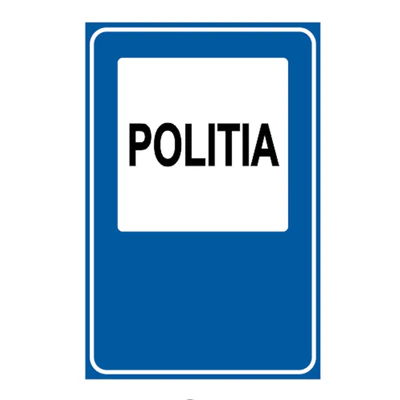
- "Reception
- ‘Bathroom
- ‘Exit
- "Program
Information panels
They contain more detailed information:
- General rules
- instructions
- Guides for visitors
Indicators suspended or walled
The choice depends on:
- Space
- flow
- reading distance
Relevant differences between options
Material
- plastic
- Aluminium
- PVC
- acrylic glass
Each has advantages related to:
- sustainability
- aesthetic
- medium use
Interior vs. exterior
For the outside, it shall count:
- UV resistance
- humidity
- Extreme temperatures
Standard vs Custom
The custom indicators offer:
- integration with visual identity
- better clarity
- Professional aspect
How to choose the information indicators correctly
Practical guide
Before you choose, ask yourself:
- Who will use space?
- How often?
- under what conditions?
- What level of detail is needed?
Frequent errors to avoid
- too much text
- Lightweight fonts
- weak contrast
- wrong location
A good indicator does not explainIt just works.
Professional recommendations
From experience, the most effective solutions are those that:
- use universal visual language
- are consistent throughout the space
- does not agglomerate information unnecessarily
Less is often clearer.
Maintenance and good practice
- periodically check legibility
- clean surfaces
- replaces damaged indicators
- update information when needed
An old or wrong indicator can create more confusion than its lack.
Conclusion
Information indicators are not simple accessories, but essential visual communication tools.
The right choice directly influences how people perceive, use and understand a space.