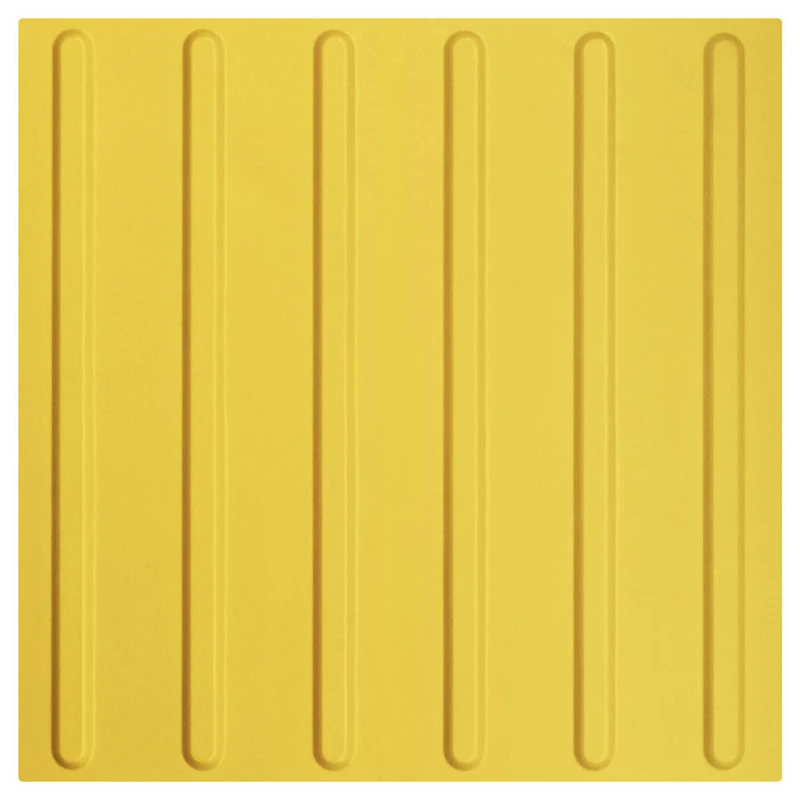
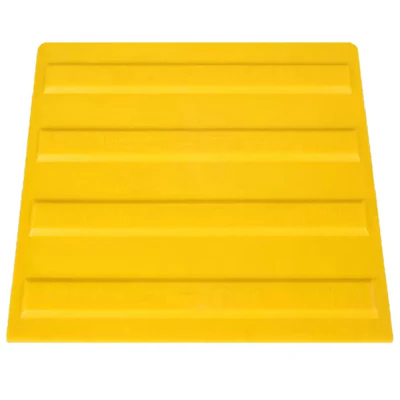
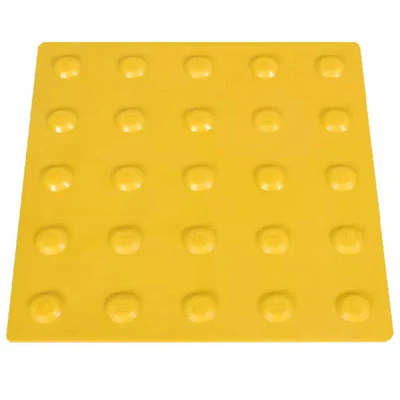
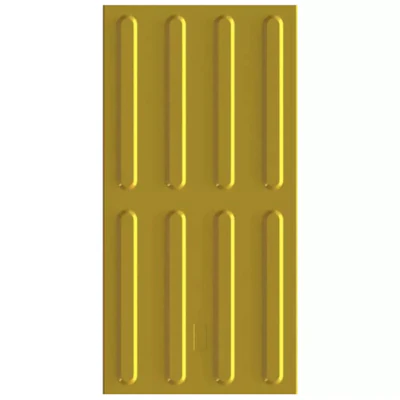
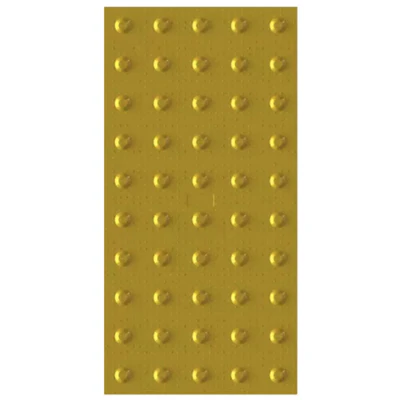
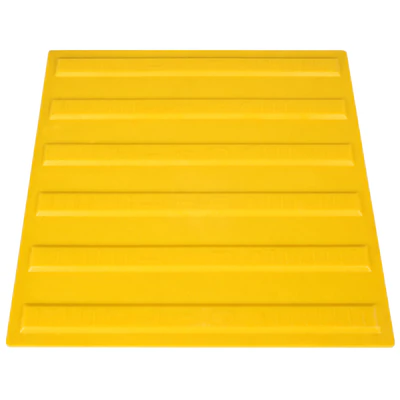
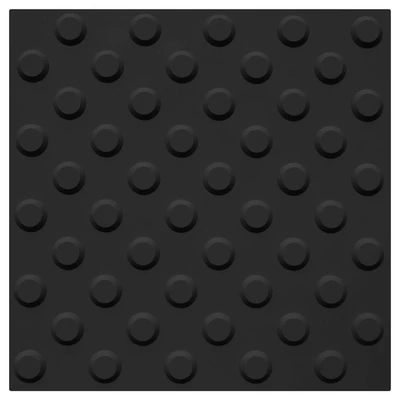
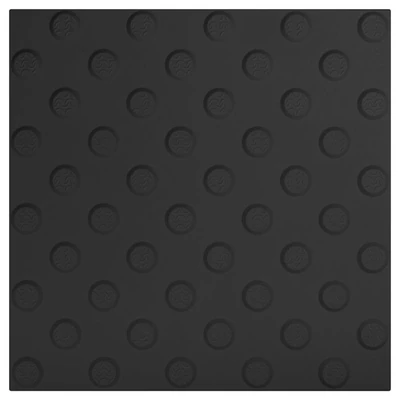
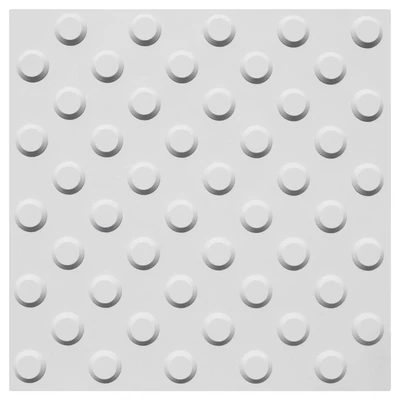
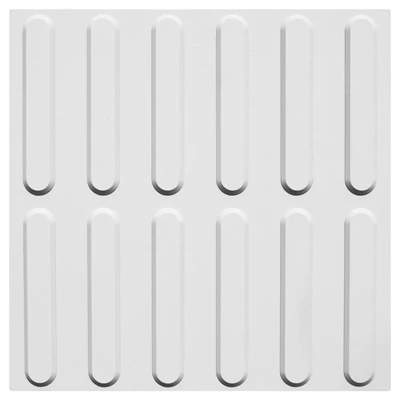
In a modern, safe and accessible space, tactile orientation marking for visually odded people yellow RAL 1003 300x300 mm it is not just an accessory – it is an essential component of the infrastructure. This type of Directional touch pavement is designed specifically to guide people with impaired vision, providing clear and intuitive guidance in public or private spaces.
May we talk about administrative buildings, shopping centres, transport stations, hospitals or educational institutions, the use of tactile markings becomes a mandatory standard. The product concerned complies with current accessibility requirements, combining durability with visual and tactile efficiency.
What is a tactile guidance marking and how it works
Role of touch markings in accessibility
Orientation tactile markings are guidance elements mounted on pedestal surfaces, which allow blind or visually impaired persons to move safely. They are perceived by cane or by direct contact with the heel, providing information about the direction of movement.
Model 300x300 mm yellow RAL 1003 is configured with linear ribs, specific to the orientation markings, indicating the correct path to follow.
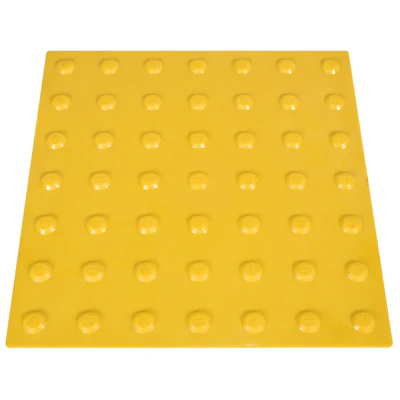
Difference between guidance and warning markings
- Orientation markings → Directional guidance
- Warning markings → hazard signaling (walks, margins)
This product is dedicated to continuous guidance in pedestal routes.
Essential technical characteristics of the tactile marking 300x300 mm
Dimensions and optimal format
- Format: 300 x 300 mm
- Configuration: Modular plates
- Allows quick installation and adaptation to any path
The size is ideal to create continuous, easy-to-follow routes.
Safety colour – yellow RAL 1003
The intense yellow colour shall be internationally recognised for signaling:
- strong contrast with surface
- increased visibility for people with reduced vision
- compliance with European standards
High-traffic-resistant material
The marking shall be made of durable materials (technical polymers or composites), providing:
- wear resistance
- anti-slip behaviour
- stability at temperature variations
Optimised tactile surface
- well defined linear nerves
- easy detection with white stick
- comfort to the sea
Where the yellow orientation tactile marking 300x300 mm is used
Public spaces
- sidewalks and pedestrian areas
- transport stations and stations
- airports
Commercial buildings
- malls
- supermarkets
- business center
Public institutions
- city planning
- hospitals
- Schools and universities
Private projects and real estate development
- Residential assemblies
- Office buildings
- Parking spaces
Competitive advantages over other similar products
Higher visibility
Compared to neutral colour variants, RAL 1003 offers:
- Excellent contrast
- rapid recognition
- increased safety
Simple and flexible assembly
The product may be mounted:
- on concrete
- on asphalt
- on industrial flooring or flooring
Method of fixing:
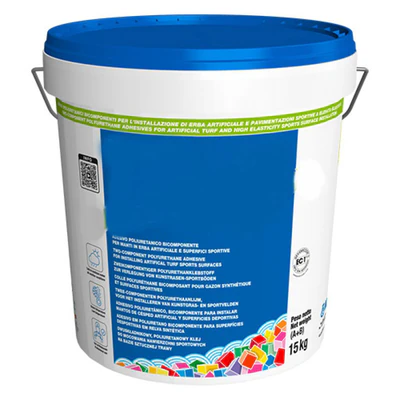
- Polyurethane adhesive
- Mechanical dilutions
Extended life span
- resistant to heavy pedestrian traffic
- does not discolor quickly
- minimum maintenance
How this product contributes to legal compliance
The implementation of tactile markings is not optional in many projects. This product helps to comply with:
- accessibility rules for people with disabilities
- requirements of modern urban planning
- European standards on pedestal safety
Commercial benefits for the customer
- Increase the accessibility of the building
- Avoid legal sanctions
- Improve user experience
- Demonstrate social responsibility
- Increase the value of the project
- Facilitate orientation in complex spaces
- Reduce the risk of accidents
How to Fit Touch Marks
Recommended Step
- Cleaning of the surface
- Tracking
- Application of adhesive or mechanical fixation
- Pressing and aligning plates
Professional recommendations
- an industrial grade adhesive is used
- respect the standard separations between plates
- check directional alignment
Why professionals choose this type of tactile marking
Because it offers a perfect balance between:
- Functionality
- sustainability
- compliance
- aesthetic
It is the best choice for projects where safety and accessibility are a priority.
Frequently Asked Questions (FAQ)
1. Is the assembly of tactile markings mandatory?
Yes, in most public spaces and institutions, legislation requires their use.
2. Can they ride outside?
Yes, the product is weather resistant.
3. What is the difference between 300x300 mm and other dimensions?
The size offers an ideal balance between visibility and flexibility in assembly.
4. Can it be installed without a specialized team?
Yes, but for optimal results professional assembly is recommended.
5. How long does the installation take?
Depends on the surface, but it is generally fast and efficient.
6. Is it anti-slip?
Yes, the surface is designed for safe walking.