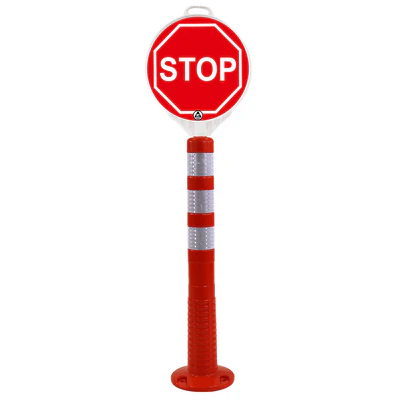
How to choose work indicators
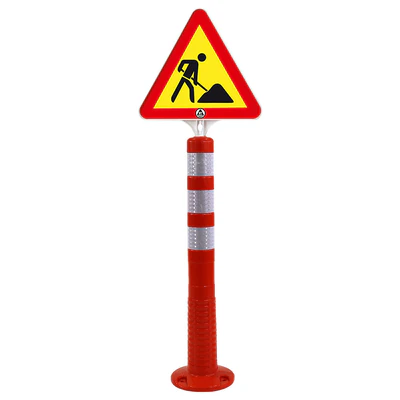
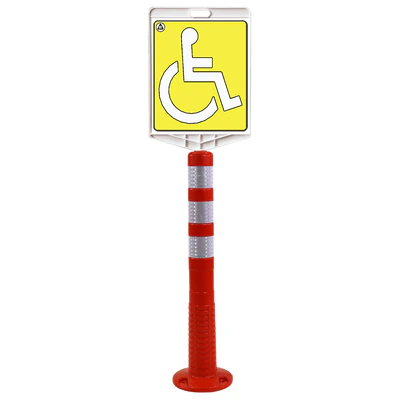
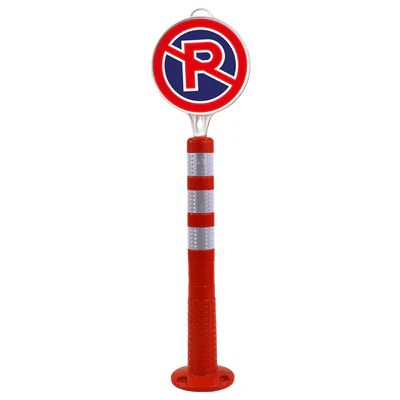
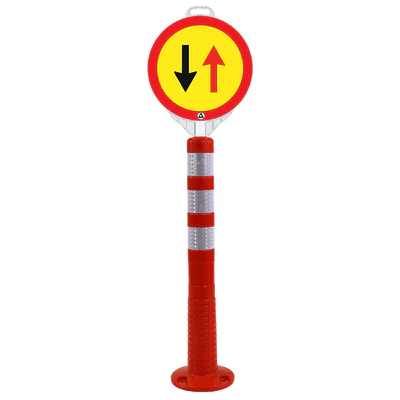
The products in this category cover dimensions between 380 mm and 900 mm. Check the size, material and compatibility with your application in each product file.
In addition, for orders and questions, the TopTrafic.ro team offers delivery throughout the country and technical advice.
What are the indicators of work?
Work indicators visual signs used for warning and guidance to participants in traffic in areas with temporary work. He's in charge safety of drivers, pedestrians and workers, providing clear information about restrictions, deviations or dangers.
Made from plastic, metal or reflecting material, these indicators may be portable or fixed, easy to locate and move, adapting to the needs of each yard or road.
Where it is used and in what context
The work indicators are used in:
- Road construction and public works, for the delimitation of intervention zones;
- Roads and motorways, for the warning of participants in traffic;
- Urban areas with temporary restrictions, for the redirection of pedestrians and vehicles;
- Temporary event, for the signalling of access and restriction zones;
- Industrial or hazardous areas, for the protection of personnel and accident prevention.
Correct use reduces risk of accidents and confusionFacilitating a safer traffic flow.
How it works
Basic principle: clear indication of the hazards and correct directions in areas with works.
Main characteristics:
- Day and night visibility, by reflecting or LEDs;
- Portability, for rapid movement;
- Durability, weather-resistant and impact resistant;
- Standard shapes and colours, easily recognisable by drivers;
- Clear symbols and messages, in accordance with road legislation.
Correct assembly and regular maintenance ensure Signalling efficiency.
Why They Are Important
The work indicators are vital for:
- Road safetyprotecting drivers and workers;
- Traffic managementpreventing traffic jams and collisions;
- Clarity in temporary work areasavoiding the confusion of participants;
- Compliance with legislationbeing mandatory in many situations of the yard;
- Efficient work, by clearly delineating the intervention area.
Without appropriate indicators, traffic and work become Haotic and dangerous.
Real benefits for users
- Increased safety for all participants in traffic;
- Clear and visible information on restrictions and deviations;
- Flexibility for short or long-term work;
- Reducing the risk of accidents and material damage;
- Legal complianceavoiding sanctions.
Types and variants of work indicators
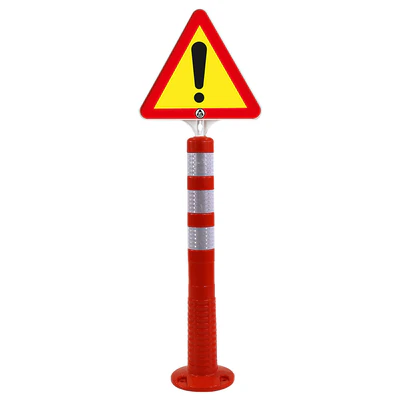
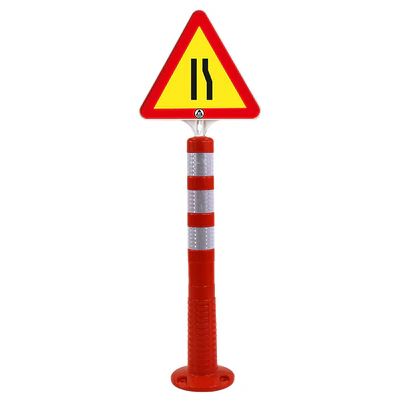
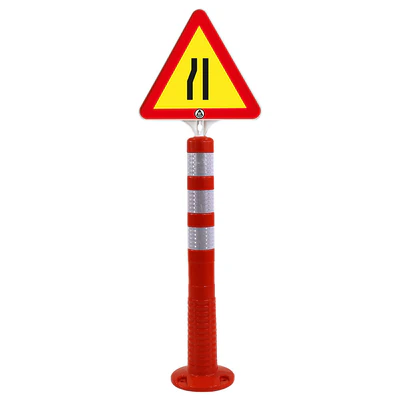
1. Standard road signs
- Triangle or square shapes, reflecting;
- Notify drivers of works and diversions;
- Easy to mount and relocate.
2. Portable and modular panels
- Plastic or metal, easy to transport;
- Ideal for temporary construction or urban areas;
- They can be connected to create custom routes.
3. LED indicators or flashing lights
- Visible at night and under unfavourable weather conditions;
- Used in areas with intense traffic;
- They can be programmable for dynamic warnings.
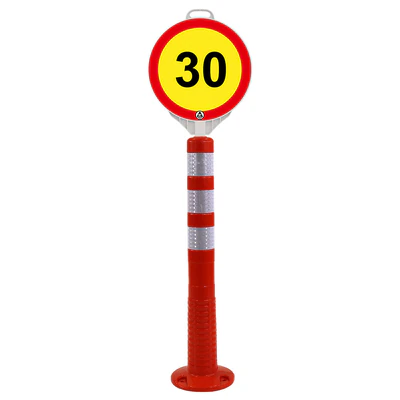
4. Indicators with additional messages
- Information on restrictions, speeds or access;
- Additional panels for complex instructions;
- Commonly used in industrial areas or large shipyards.
Relevant differences between options
- Material and sustainability: plastic, metal, LED;
- Visibility: reflector vs. illuminated;
- Portability and flexibility: easy to move vs. fixed;
- Cost and maintenance: LED variants require monitoring;
- Adaptability to traffic: some can be reconfigured quickly.
The choice depends on type of work, duration of signalling and traffic flow.
How to choose the indicators correctly
- Determine type and duration of work;
- Choose material and form suitable for environment and sustainability;
- Check visibility and legal compliance;
- Choose to Portable or LED solutions whether increased visibility is needed;
- Plan regular maintenance and verification;
- Understand signaling with Work plan and staff safety.
Common mistakes and how to avoid them
- Improper editing → respect Legal standards;
- Choice of wrong indicators → weak plastic or without reflectorisation;
- Failure to maintain → loss of visibility and efficiency;
- The lack of clarity of the message → uses standard symbols;
- Not updating the position of the indicators → adjustment to the progress of the work.
Professional recommendations
- Use indicators conforming to standards Road signalling;
- Prioritize visibility and sustainability;
- Periodically check the status and illumination of the indicators;
- In areas with intense traffic, use Light or LED indicators;
- Coordinate signaling with Work plan and staff safety.
Maintenance and good practice
- Regular cleaning to maintain visibility;
- Adjustment of the position of the indicators according to the progress of the work;
- Replacement of damaged indicators;
- Monitoring of visibility at night and adverse weather conditions;
- Coordination of alerts with the authorities for maximum safety and legal compliance.