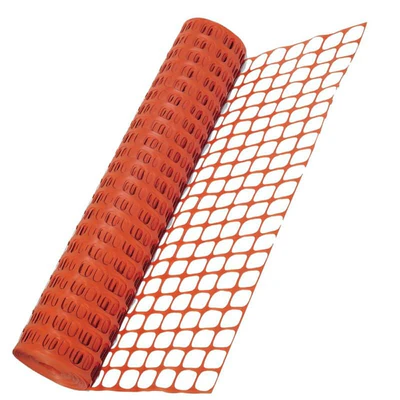
What are the planting nets
Planting nets Textile or durable plastic materials, used for protection of works, safety and perimeters in construction areas. They're designed to be wind resistant, weather and UV rays, offering visibility and safety for workers and passers-by.
These nets can be used both temporary, and long-term, as required, being a key solution for any construction site or project.
Where it is used and in what context
Planting nets are indispensable in:
- Civil and industrial construction sites – for the protection of workers and materials;
- Urban and public areas – for the delimitation of perimeters and guidance of pedestrian traffic;
- Temporary projects – events, repairs or renovations;
- Protection of the environment – to prevent the dispersion of dust or construction debris;
- Residential and commercial projects – for the clear marking of restricted access spaces.
These nets are effective both in outer spaces with wind and rain, and in mediums with intense traffic, providing flexibility and adaptability.
How it works
Their operating principle is simple:
- Fixed on posts, temporary fencing or metal frame;
- Create a visual and physical barriers between working and public areas or pedestrians;
- Materials and density of the net influence level of protection (e.g. anti-dust, anti-wind);
- Can be combined with Warning panels or reflective strips for enhanced visibility;
- It is easy to mount, adjust and reuse.
Why this solution is important
- Safety of workers and passers-by;
- Clear delimitation of hazardous spaces;
- Protection of materials and equipment of dust, wind or weather;
- Efficient visibility and signalling;
- Flexibility and rapidity in installation.
Without the rafting nets, the risks of accident or damage to the works are increasing considerably.
Real benefits for users
- Quick and simple installation without complex tools;
- Wind, rain and UV resistance;
- Flexibility in spatial configuration and length of the net;
- Increased visibility due to the standard colours (portocal, red, green);
- Durability and re-useability;
- Reducing costs by preventing accidents and damage to materials.
Types and variants of yard nets
1. Wind-proof nets
- Special fabric allowing air to pass through, reducing the effect of the air;
- Ideal for construction in exposed areas;
- It protects works and ensures the stability of temporary structures.
2. Anti-dust plating
- Dense tissue preventing dust dispersion;
- Used mainly in urban areas or near residential areas;
- It increases the safety and comfort of workers and the public.
3. Boundary plant
- Visible, coloured material (red or orange) for marking the perimeters;
- Recommended for the delimitation of restricted access areas;
- Can be combined with delineation posts or reflective strips.
4. UV resistant plants and weather
- Materials treated for long-term resistance;
- Recommended for Soils exposed to the sun and rain;
- Ideal for construction projects that last several months.
Relevant differences between options
- Material: plastic vs. polypropylene vs. UV resistant polyester;
- Density: anti-dust vs. air permeable;
- Colour and visibility: orange, red, green, reflective;
- Resistance: temporary vs. permanent;
- Dimensions and flexibility: standard or custom rollers.
The choice depends on type of yard, environmental conditions and duration of project.
How to choose the right planter nets
- Identify main purpose: protection, delimitation, anti-powder;
- Choose material and density appropriate to working conditions;
- Check dimensions and length of roles necessary;
- Prioritize visibility and standard colors;
- Integrate with other safety systems (posts, bands, indicators);
- Ensures compliance with the rules of Safety in construction.
Common mistakes and how to avoid them
- Use of the wrong net for environmental conditions → risk of breakage;
- Uneven mounting → loss of protection and visual confusion;
- Ignore reflector signaling or standard colors → reduced visibility;
- Keeping the net clean and maintained → reduces sustainability;
- Lack of integration with other signalling equipment.
Professional recommendations
- It shall use visible colours and, if necessary, reflector bands;
- Mount on stable posts or metal frames;
- Regularly check the status of the net and replace them if they are damaged;
- Integrating in the general safety plan of the yard;
- Prioritise reuse for efficiency and economy.
Maintenance and good practice
- Regularly clean dust and dirt;
- Adjust the position with the space change;
- Replace damaged or broken nets;
- Checks visibility at night or under unfavourable weather conditions;
- Stores the rolls in dry spaces to prevent degradation.