Technical advice: 021 450 60 70 · Fast delivery nationwide · Blog

TopTrafic.ro
Offers
021 450 60 70 Contact

For companies and public institutions: purchasing via SEAP / SICAP details

Product categories
OffersSee discounts ›

Prismatic signs

The prismatic indicators are reflective signals that ensure maximum visibility and clear guidance of traffic or work.

10 products

What are the prismatic indicators

Prismatic indicators are signalling devices that use prismatic reflecting surfaces to maximize visibility, regardless of lighting conditions or weather. They are essential for safe traffic guidance, worker protection and hazard warning.

These indicators allow Quick message recognition, even from far away, due to the optical properties of prismatic material.


Where it is used and in what context

The prismatic indicators are used in:

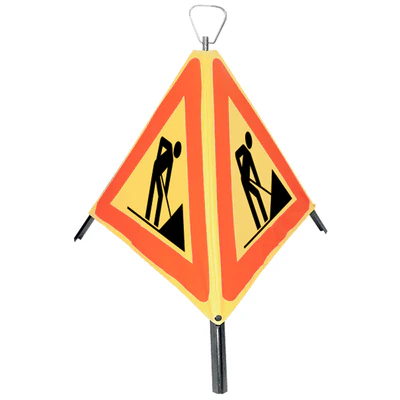
  • Construction sites and areas with road works, for the warning of drivers;
  • Roads and motorways, for signaling speed limits, deviations and hazards;
  • Intersects and pedestrian crossings, for additional visibility at night;
  • Events and temporary parking, for the organisation of the traffic flow;
  • Industrial and logistical areas, for the delimitation of restricted access routes and spaces.

These are ideal in situations with reduced visibility and in locations with intense traffic.


How it works

The prismatic indicators function through reflecting the incident light, creating a strong visual signal for drivers and pedestrians:

  • Prismatic material reflecting light in an optimal angle;
  • Day and night visibilityregardless of weather conditions;
  • Standard shapes and colours for rapid recognition;
  • Mounting on portable or fixed supports, depending on the context;
  • Compatible with additional lighting systemsIf necessary.

This technology allows early warning of hazards and correct traffic management.


Why They Are Important

  • Increased safety for traffic participants and workers;
  • Reducing the risk of accidents, by clear visibility;
  • Compliance with safety legislation and rules;
  • Efficacy in temporary or permanent signalling;
  • Flexibility in configuration of routes and boundaries.

Without prismatic indicators, restricted areas become more dangerous and hard to recognize.


Real benefits for users

  • Increased visibility large distances;
  • Clear and intuitive signaling, even in low light conditions;
  • Adaptable for any type of traffic or construction site;
  • Durable and weather resistant;
  • Compliance with road standards.

Types and variants of prismatic indicators

1. Standard prismatic indicators

  • Common shapes: square, triangle, circle;
  • High quality reflective material;
  • Used for basic warning and signaling.

2. Light/LED indicators

  • Ensure optimal visibility at night;
  • Ideal for areas with intense traffic or adverse weather conditions;
  • Some models allow intermittent or dynamic signaling.

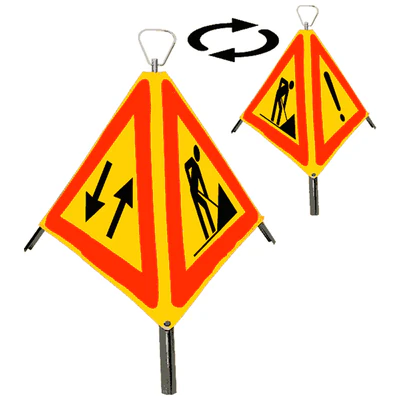
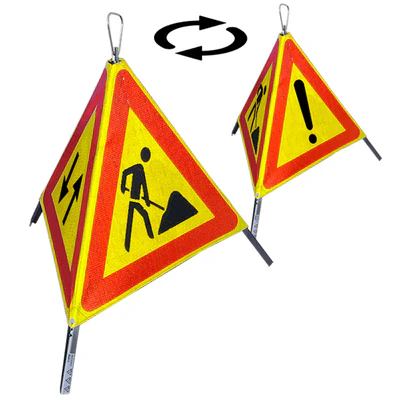
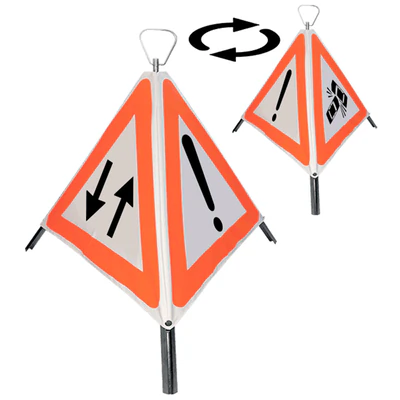
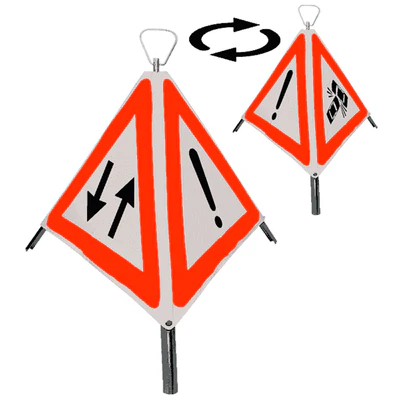
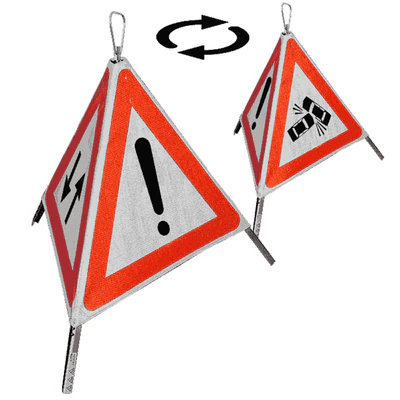
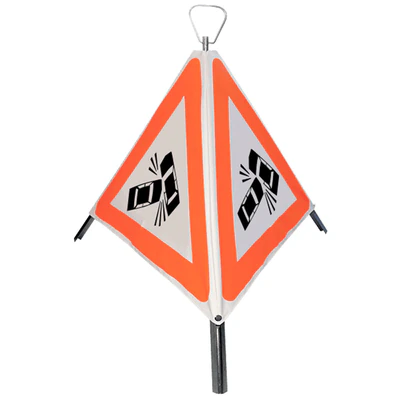
3. Modular or portable indicators

  • Easy to move and configure;
  • Used for temporary work and events;
  • Allow the combination of multiple modules for complex messages.

4. Indicators with additional messages

  • Panels attached for additional instructions;
  • Used in large shipyards or industrial areas;
  • It clearly communicates deviations, dangers or restrictions.

Relevant differences between options

  • Material and sustainability: plastic vs. metal vs. high performance prism;
  • Visibility: reflector vs. LED lighting;
  • Portability: fixed vs. mobile;
  • Cost and maintenance: LED requires monitoring and food;
  • Configuration flexibility: modular modules vs. fixed indicators.

The choice depends on Type of area, traffic flow and duration of signaling.


How to choose the right prismatic indicators

  1. Identify type of work and duration of the alert;
  2. Check Reflective material and type;
  3. Prioritize visibility and safety;
  4. Choose Portable or LED models for intensive traffic;
  5. Make sure they're in accordance with road standards and regulations;
  6. Integrate signaling in the safety plan of the works.

Common mistakes and how to avoid them

  • Improper mounting → complies with official standards;
  • Choosing the wrong material → loss of visibility;
  • Lack of maintenance → reduced efficiency of signaling;
  • Confused or contradictory messages → use standardized symbols;
  • Neglecting reconfiguration → necessary adjustment as the work progresses.

Professional recommendations

  • Use indicators in accordance with the legal rules;
  • Prioritize the visibility and durability of the material;
  • Regularly verify integrity and visibility;
  • In areas with intense traffic, use Light or LED indicators;
  • Coordinate signaling with safety plan and progress of work.

Maintenance and good practice

  • Regular cleaning of prismatic surfaces for optimal visibility;
  • Adjustment of position with progress of work;
  • Replacement of damaged or lost indicators;
  • Monitoring visibility at night and under adverse weather conditions;
  • Ensure compatibility with all legal road signalling rules.

Subscribe to our newsletter and never miss a promotion

Get our offers and news once a month. You can unsubscribe at any time.

Cookie settings

Choose which categories you accept. Strictly necessary cookies are always active; the others start only with your consent and you can change them at any time. Cookie policy

They make the site work: shopping cart, favourites, customer account sign-in, form security and remembering your cookie choice. They cannot be disabled.

What we store (5)
  • erp-consent · This site · Stores your cookie choice. Duration: 365 days.
  • erpShop.cart · This site · Products in your shopping cart. Duration: until the cart is emptied.
  • erpShop.fav · This site · Products you saved to favourites. Duration: until you delete them.
  • __Host-tt_sess · This site · Keeps you signed in to your customer account. Duration: session (12 hours) or 30 days with “Remember me”.
  • __Host-tt_csrf · This site · Security: protects account forms against forged requests. Duration: session.

Remembers recently viewed products so you can find them easily. The data stays only in your browser.

What we store (1)
  • erpShop.seen · This site · Recently viewed products. Duration: until you delete them.

Shows us which pages are visited and how the site is used, so we can improve it (Google Analytics).

What we store (2)
  • _ga · Google Ireland Ltd. (Google Analytics) (third party) · Distinguishes visitors for visit statistics. Duration: 2 years.
  • _ga_G7HRBPB99K · Google Ireland Ltd. (Google Analytics) (third party) · Keeps the state of the visit session. Duration: 2 years.

Video clips played directly on YouTube (Google). When playing, YouTube can store data in the browser.

What we store (1)
  • YSC, VISITOR_INFO1_LIVE, yt-remote-* · Google Ireland Ltd. (YouTube) (third party) · Video playback and YouTube statistics; only after you start a video. Duration: session – 6 months.
Third-party providers (2)

Operator: IMPOR GROUP SRL · gdpr@impor.ro