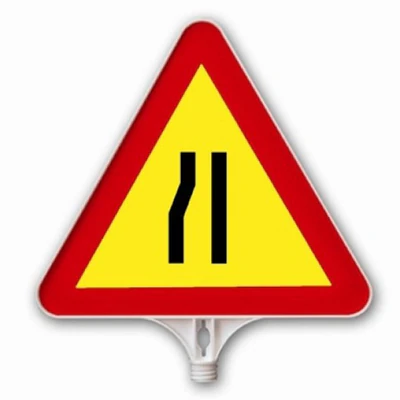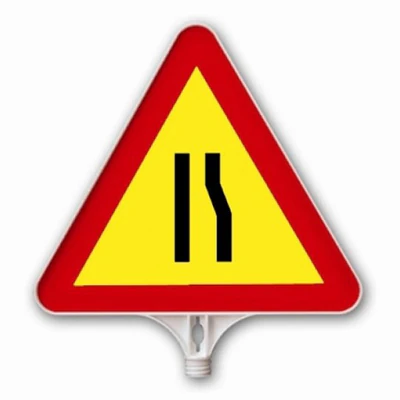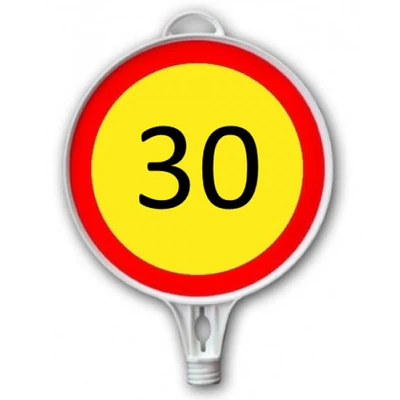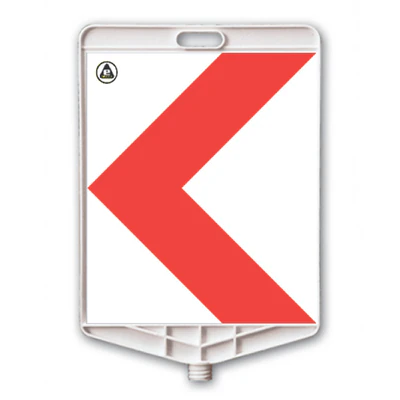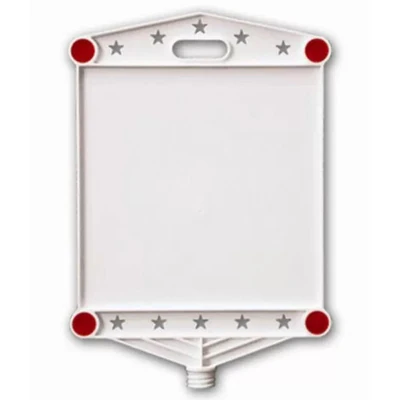
Plastic road sign, works
65,00 lei
Made to order
ord Request a quote – Plastic road sign, works See options – Plastic road sign, worksWe use strictly necessary cookies to run the site and, only with your consent, to remember viewed products, for visit statistics and for YouTube video playback. You can change your mind at any time from “Cookie settings” at the bottom of the page. Cookie policy
Technical advice: 021 450 60 70 · Fast delivery nationwide · Blog
Plastic indicators are strong signs and versatile used for guidance, warning and information in public, industrial or commercial spaces.
65,00 lei
Made to order
ord Request a quote – Plastic road sign, works See options – Plastic road sign, works65,00 lei
Made to order
ord Request a quote – Road sign, narrow road on the left side, 440x390 mm, plastic See options – Road sign, narrow road on the left side, 440x390 mm, plastic55,00 lei
outOut of stock
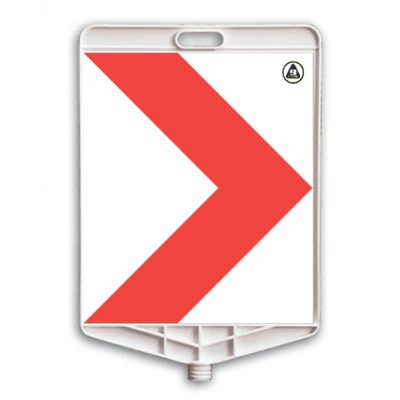
Request a quote – Road sign, dangerous curve panel left, 350x410 mm, plastic See options – Road sign, dangerous curve panel left, 350x410 mm, plastic54,00 lei
Made to order
ord Request a quote – Plastic road sign, parking forbidden, diameter 380 mm See options – Plastic road sign, parking forbidden, diameter 380 mm55,00 lei
outOut of stock
Request a quote – Road sign, dangerous curve panel on the right, 350x410 mm, plastic See options – Road sign, dangerous curve panel on the right, 350x410 mm, plastic54,00 lei
Made to order
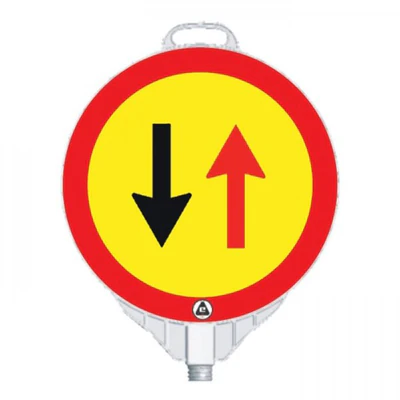
ord Request a quote – Road sign, priority for reverse circulation, diameter 380 mm, plastic See options – Road sign, priority for reverse circulation, diameter 380 mm, plastic31,00 lei
outOut of stock
Request a quote – Plastic road sign, left bearing Ø 280 mm See options – Plastic road sign, left bearing Ø 280 mm61,00 lei
Made to order
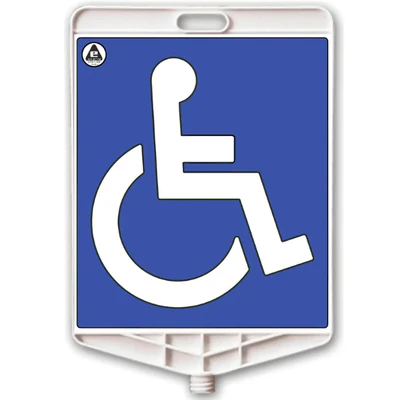
ord Request a quote – Parking alert indicator for persons with reduced mobility See options – Parking alert indicator for persons with reduced mobility54,00 lei
Made to order
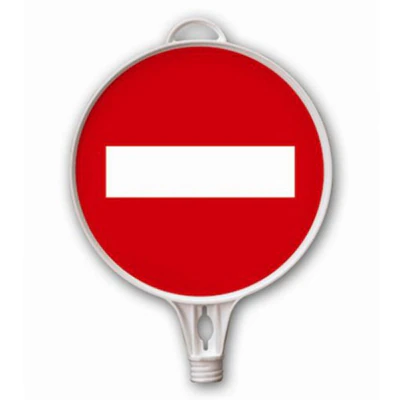
ord Request a quote – Plastic road sign with forbidden access See options – Plastic road sign with forbidden access54,00 lei
Made to order
ord Request a quote – Plastic road sign with stop sign See options – Plastic road sign with stop sign31,00 lei
In stock
in Request a quote – Plastic road sign with prohibited parking See options – Plastic road sign with prohibited parking58,00 lei
Made to order
ord Request a quote – Plastic road sign, binding left/right, side-to-side See options – Plastic road sign, binding left/right, side-to-side31,00 lei
outOut of stock
Request a quote – Plastic road sign, right bearing Ø 280 mm See options – Plastic road sign, right bearing Ø 280 mm54,00 lei
Made to order
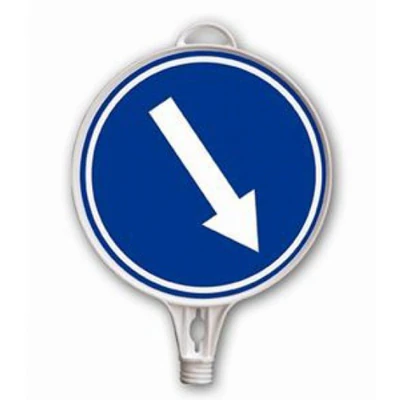
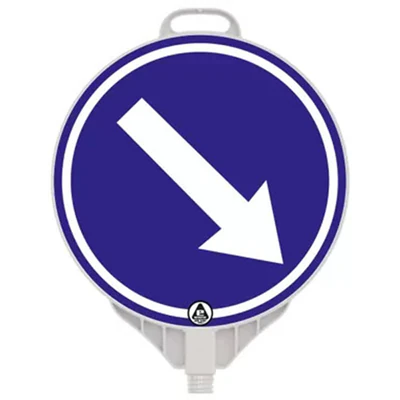
ord Request a quote – Plastic road sign, right-rounding, Ø380 mm See options – Plastic road sign, right-rounding, Ø380 mm54,00 lei
Made to order
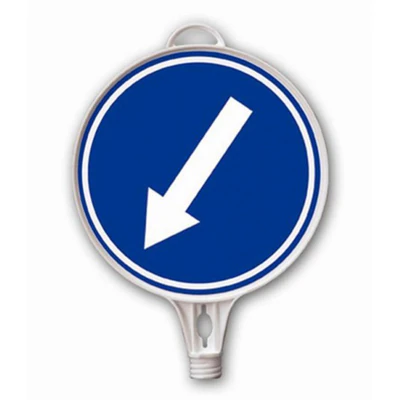
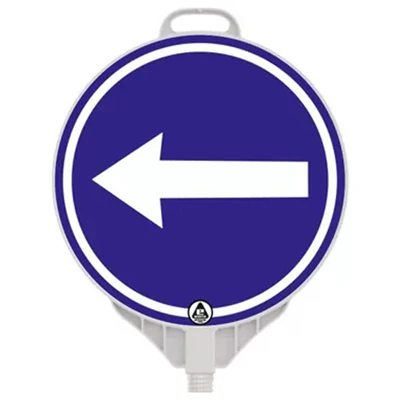
ord Request a quote – Plastic road sign, left bypass See options – Plastic road sign, left bypass65,00 lei
Made to order
ord Request a quote – Road sign, attention, 440x390 mm, plastic See options – Road sign, attention, 440x390 mm, plasticWe didn't find any products for the chosen filters.
The products in this category cover dimensions between 280 mm and 410 mm. Check the size, material and compatibility with your application in each product file.
In addition, for orders and questions, the TopTrafic.ro team offers delivery throughout the country and technical advice.
Plastic indicators are panels or signs made of durable plastic materials, designed to transmit rapid and clear visual information. They can be used for warning, informing, guiding or regulating traffic in various environments. Unlike metal or wood indicators, they combine resistance with flexibility, being easy and easy to assemble.
Main characteristics:
In industrial and commercial spaces
In traffic and parking
In public spaces and institutions
In dwellings and gardens
Basic principle:
The indicators shall be operated by visual transmission of a clear message, either by text, symbols or color combinations. Plastic allows direct printing, application of reflective or adhesive sheets, for maximum visibility both day and night.
Operating types:
After material
After function
After form and assembly
| Characteristic | Polypropylene | Polycarbonate | PVC |
|---|---|---|---|
| Impact resistance | Average | Sea | Fall |
| Flexibility | Sea | Average | Sea |
| UV resistance | Average | Sea | Average |
| Cost | Falling | Picked up | Falling |
Plastic indicators is an efficient, sustainable and flexible solution for any type of signalling. The correct choice of material, size and type of assembly ensures maximum visibility and increased safety. By respecting good installation and maintenance practices, these indicators can be used in the long term, contributing to clear and efficient visual communication.
Get our offers and news once a month. You can unsubscribe at any time.