What traffic protection means and why it is essential
When we talk about Road safety, we are talking about a set of solutions that have a very clear purpose: accident prevention, risk reduction and life protection of traffic participants.
Traffic protection category includes all equipment used for:
- the delimitation of hazardous areas
- temporary or permanent driving of traffic
- Separation of vehicle and pedestrian flows
- alerting works or obstacles
- protection of personnel working in the vicinity of the carousable
It is not just about "signs and barriers", but about a Consistent system for the organisation of movementEither we're talking about a road yard, a private parking lot, an industrial area or an event with intense traffic.
In the absence of such solutions, risks increase exponentially: collisions, pedestrian accidents, infrastructure damage and, in the most serious cases, loss of human life.
Where road safety solutions are used
Road construction and temporary works
In areas where repair or construction works are carried out:
- national roads and county
- urban streets
- motorways
- Bridges and passages
It is mandatory to implement a clear system of delineation and warning.
Here are frequently used:
- signalling cones
- directional markers
- temporary parapet
- Mobile indicators
- extendable barriers
The goal is simple: safe driving of drivers and the protection of intervention teams.
Public and private parking
In parking lots, the efficient organisation of traffic reduces:
- buffers
- locks
- Unauthorised access
- damage to buildings or other vehicles
Use:
- traffic separators
- Speed bumps
- Flexible posts
- Low visibility mirrors
- wheel stoppers
Industrial and logistical areas
In industrial warehouses and spaces:
- Simultaneously circulate machines and pedestrian personnel
- there are intersections with limited visibility
- flows must be strictly controlled
Delimitation and protection solutions are essential for the prevention of accidents at work.
Events and temporary organisation
Festivals, fairs, sports competitions – all require:
- Redirection of traffic
- delimitation of public areas
- restriction of access
Mobile, easy to assemble and dismantle systems are used in these situations.
How road protection systems work
On the basis of these solutions, they operate through three essential mechanisms:
1. Physical Delimitation
Effective separation of areas by:
- Plastic or concrete trimmers
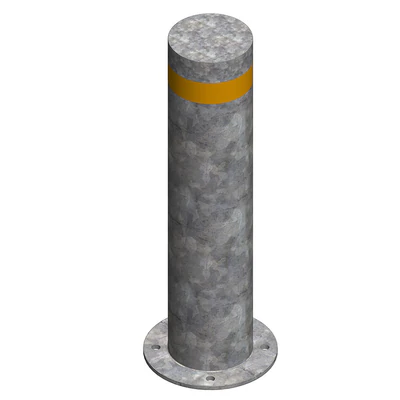
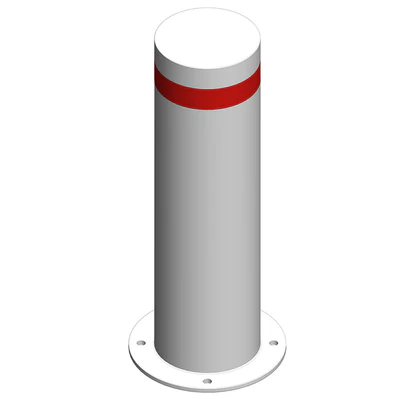
- guide posts
- temporary feces
They create a clear, visible and sometimes impact-resistant barrier.
2. Visual signage
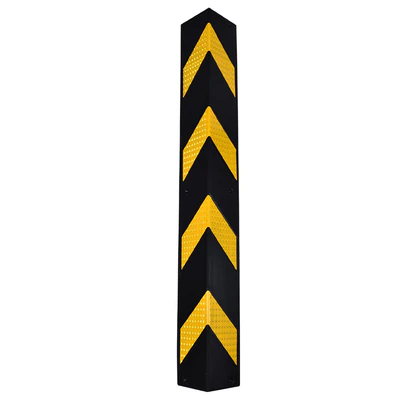
Visibility is crucial, especially at night.
Reflective elements, contrasting colours (red, white, yellow), fluorescent bands and warning lamps significantly increase the attention of drivers.
3. Speed and direction control
By:
- Speed bumps
- directional markers
- traffic calming islands
They force the speed down and require a clear trajectory.
Why the proper organisation of movement is important
A well-implemented system offers:
- Reducing the risk of accidents
- Protection of workers
- Traffic fluidisation
- Compliance with legislation
- Avoidance of fines and disputes
In many cases, the lack of appropriate measures may attract legal liability.
Types of solutions available
Cones and beacons
Used for fast and temporary delimitation.
Advantage:
- Easy to transport
- Quick mounting
- reduced cost
Barriers and separators
Used for robust delimitation.
They may be:
- of plastic filled with water
- Of concrete
- modulation
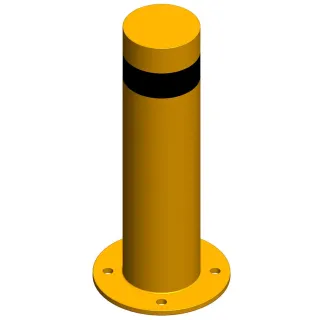
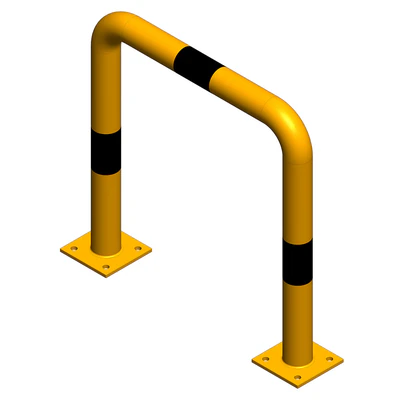
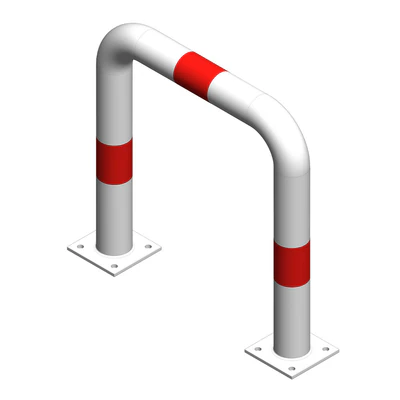
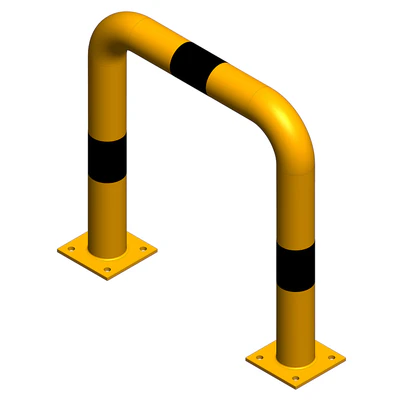
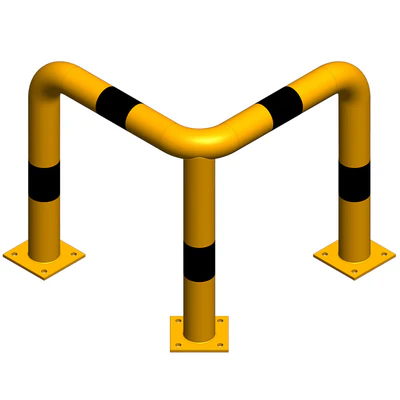
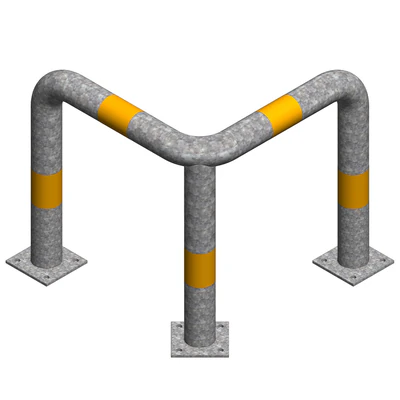
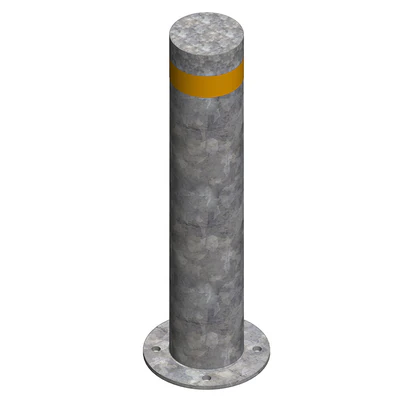
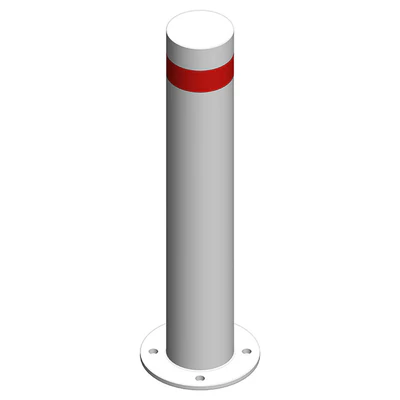
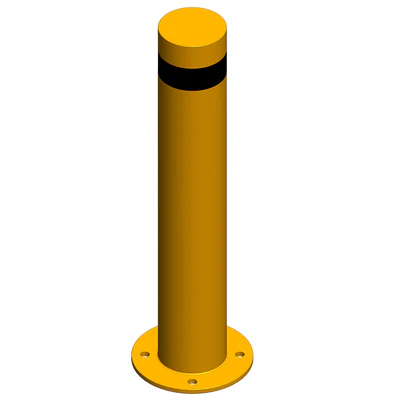
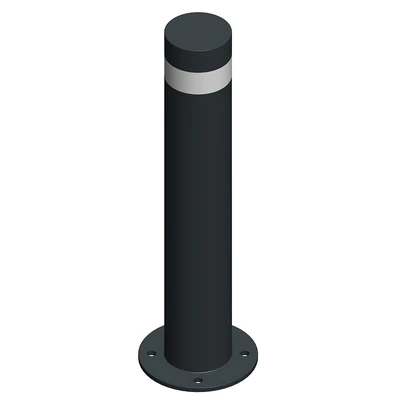
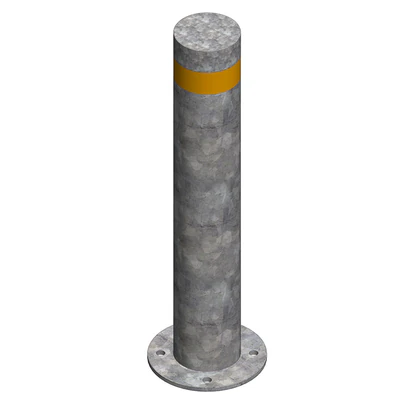
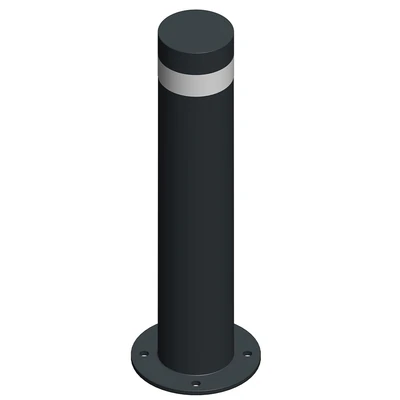
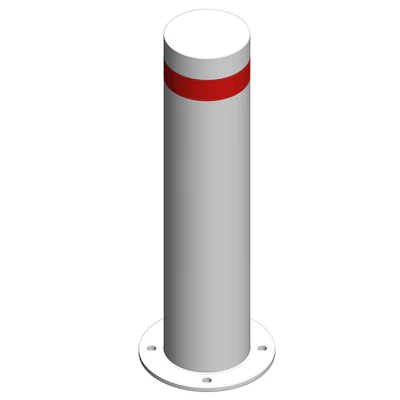
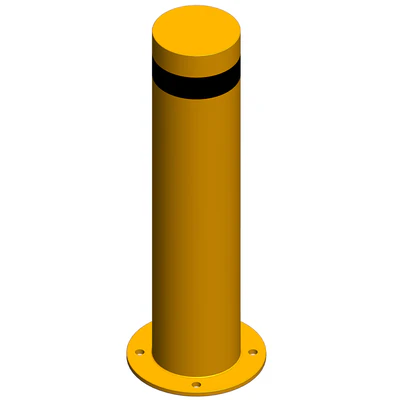
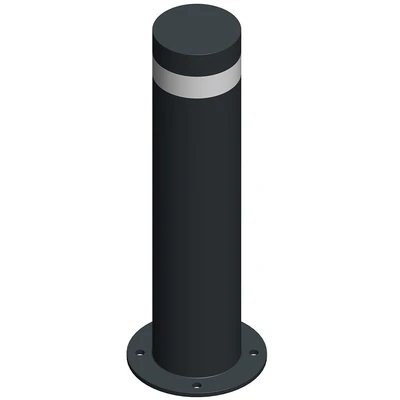
Delineation posts
Available in variants:
Ideal for urban areas and parks.
Barriers and mobile fences
For restricting temporary access.
Speed bumps
I'm cutting speed in a forced and controlled way.
Relevant differences between options
Temporary vs. permanent
- Temporary solutions are easy to move
- The permanent ones offer superior resistance
Plastic vs. concrete
- Plastic: flexible, easy
- Concrete: maximum impact resistance
Standard vs. Reflectoristic visibility
For poorly illuminated areas, reflective components are essential.
How to choose the right solution
Essential questions:
- Is it a temporary or permanent work?
- What is the intensity of traffic?
- Is there heavy traffic?
- Is the area properly lit?
- Is there a need for impact resistance?
Practical selection guide
- Analyse real risk
- Sets the duration of use
- Verify legal requirements
- Choose certified material
- Do not undersize the solution
Common errors
- Choosing equipment too easy for intensive traffic
- Lack of reflector elements
- Improper placement
- Excessive saving in high-risk areas
Professional recommendations
From practical experience, the most effective systems are:
- integrated (delimitation + signalling + speed control)
- adapted to the exact context
- installed in accordance with the regulations
There is no universal solution.
Maintenance and good practice
For maximum efficiency:
- periodically check stability
- clean reflector elements
- replaces damaged parts
- reposition if traffic flux changes
Real Frequently Asked Questions
What equipment is needed for a small road yard?
Usually: cones, temporary indicators, beacons and possibly light parapets.
How do I protect an unauthorized private parking lot?
Posts folding and access barriers are effective solutions.
What solutions reduce speed in a residential area?
Speed limits and squid islands are the most used.
Conclusion
Traffic protection does not only mean equipment located on the side of the road. It means strategy, prevention and responsibility.
The correct choice of demarcation and signalling systems can make the difference between a safe and vulnerable space.
A well-implemented solution saves time, money and, most importantly, lives.