Technical advice: 021 450 60 70 · Fast delivery nationwide · Blog

TopTrafic.ro
Offers
021 450 60 70 Contact

For companies and public institutions: purchasing via SEAP / SICAP details

Product categories
OffersSee discounts ›

Speed bumps

Speed limiters are road devices designed to reduce the speed of vehicles and increase safety on roads and in crowded areas.

15 products

What you find in the category speed bumps

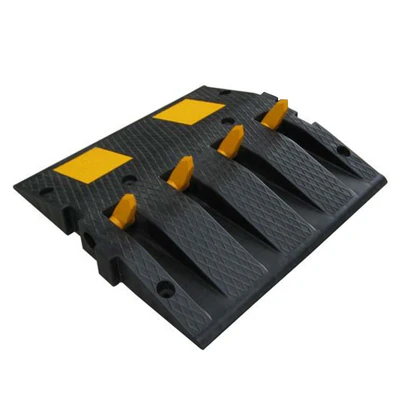
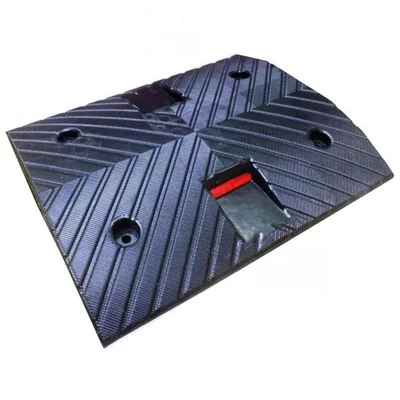
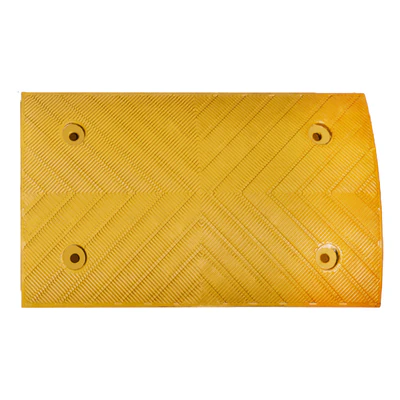
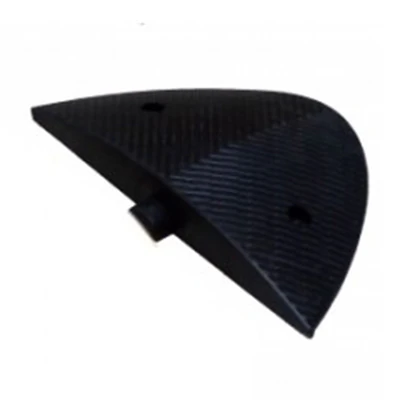
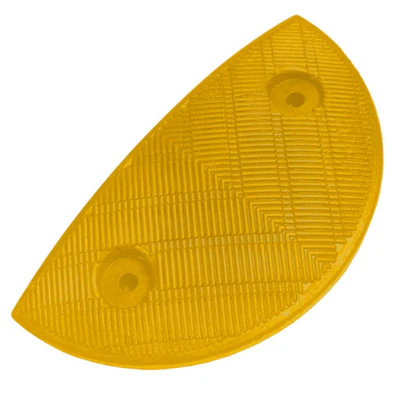
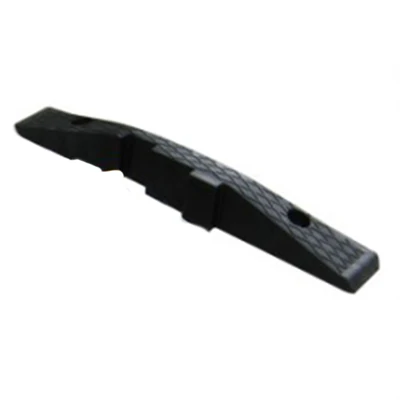
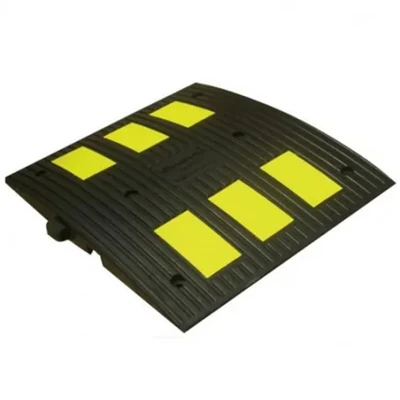
  • Speed limiter – 7 variant
  • Cap speed bump – 6 variant
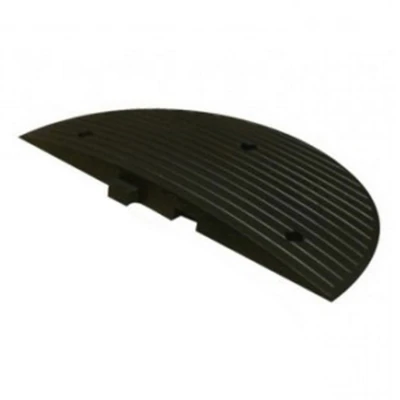
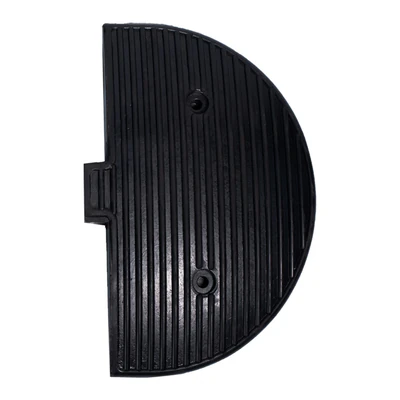
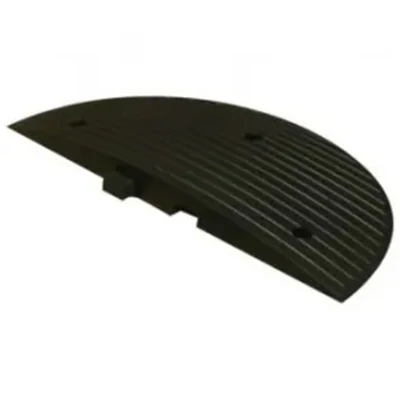
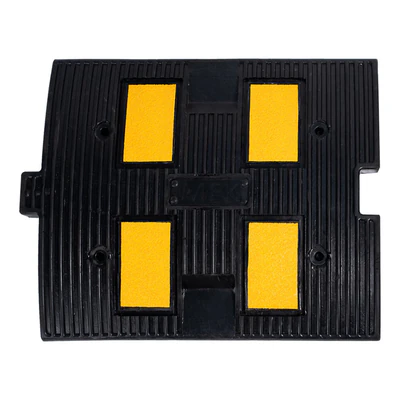
  • Rubber speed bunp cap – 2 variants
  • Rubber speed limiter – 2 variants
  • Single-Speed Bump Speed Cap
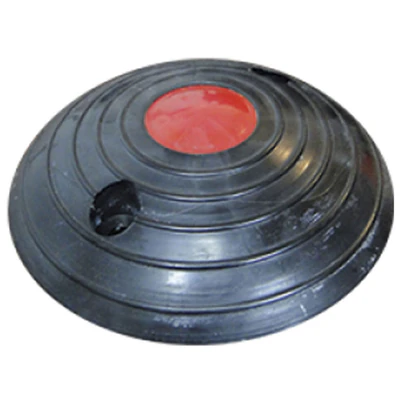
  • Spherical cap type speed limitation device
  • Speed bump for one meaning

How to choose speed bubbles

The products in this category cover dimensions between 40 mm and 60 mm. Check the size, material and compatibility with your application in each product file.

In addition, for orders and questions, the TopTrafic.ro team offers delivery throughout the country and technical advice.

What Speed Limiters Are

Speed limiters are structures installed on the roadway that force vehicles to reduce speed, ensuring Road safety in areas of intense traffic or pedestrian traffic.

These may be Levels, thresholds, raised or signalled bands, which prevents driving at excessive speed and reduces the risk of accidents.

Their main purpose is to the protection of participants in traffic and Maintaining a self-controlled flow in critical areas.


Where it is used and in what context

The speed limits shall apply in:

  • Residential areas and schools – for the protection of pedestrians and children;
  • Industrial parks and parks – for vehicle speed control and infrastructure protection;
  • Dangerous intersections – to prevent risky overruns;
  • Road construction – for temporary deviations and speed reduction in the vicinity of work;
  • Commercial or Pedestrian Areas – to create a safe environment for pedestrians and cyclists.

How Speed Limiters Work

The operating principles are simple:

  • Location strategic on the vehicle path, the intervals established in accordance with the road rules;
  • Form and height determine the speed reduction rate;
  • Accompanied by visual and reflective signalling for visibility during day and night;
  • Determine automatic speed adjustment by drivers;
  • Can be combined with rugous band or markings for noise reduction and increase comfort.

Why this solution is important

  • Reducing the risk of accidents and pedestrian protection;
  • Improving safety in areas with mixed traffic;
  • Compliance with legal rules on speed limits;
  • Effective control of car traffic in critical spaces;
  • Strengthening infrastructure by reducing shocks and impact on the carousable.

Real benefits for users

  • Maintaining one safe circulation rate;
  • Preventing accidents in high-risk areas;
  • Visibility and clarity by appropriate signalling;
  • Adaptability to different types of road and traffic;
  • Reduced maintenance costs and simple installation;
  • Growth confidence of pedestrians and drivers in the safety of the area.

Types and solutions of speed bumps

1. Classic elevations

  • Semicircular or trapezoidal form;
  • Materials: rubber, concrete, asphalt;
  • Use in residential areas and parking spaces.

2. Modular prayers

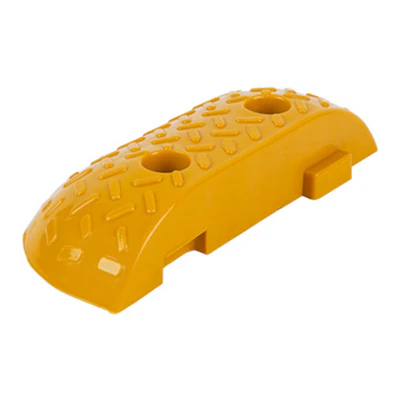
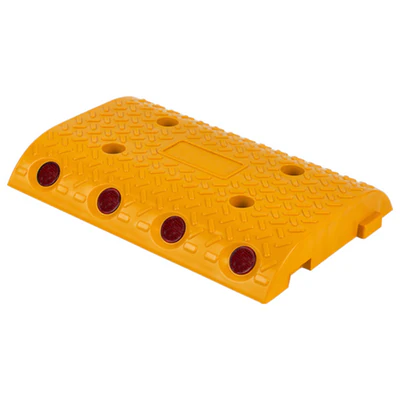
  • Prefabricated elements from rubber or durable plastic;
  • Quick and mobile installation;
  • Ideal for temporary construction or public parking.

3. Reflective limiters

  • Include Reflective bands or light signs;
  • Efficient at night or adverse weather conditions;
  • Use in dangerous intersections and intensive urban roads.

4. Flexible and elastic systems

  • Reduces noise and impact of the vehicle;
  • Durable, traffic-resistant material;
  • Ideal for commercial and pedestal areas.

Relevant differences between options

  • Installation time: permanent vs. temporary;
  • Speed reduction level: easy vs. severe;
  • Traffic resistance and vehicle weight: light cars vs. trucks;
  • Visibility: day vs. night and weather conditions;
  • Comfort of drivers and noise: flexible rubber vs. hard concrete;
  • Flexibility and mobility: modular thresholds vs. fixed elevations.

How to Choose a Speed Bump Right

  1. Analyze type and density of traffic;
  2. Decision between permanent or temporary limiter;
  3. Check height and optimal shape in accordance with road rules;
  4. Add visual and reflective signalling;
  5. Consider type of vehicles and pedestal areas;
  6. Plan the maintenance and periodic verification of the installation.

Common mistakes and how to avoid them

  • Installation in hidden areas or areas without visibility;
  • Lack of signaling or reflective markings;
  • The selection of the wrong material for traffic in the area;
  • Overcoming several unnecessary limiters → confusion and discomfort;
  • Non-adaptation of height to the predominant vehicle type.

Professional recommendations

  • Use plans and standards approved by the authorities;
  • Include reflectors and visual markings;
  • Train staff for monitoring and adjustment of limiters;
  • Integrate the system into a traffic calming strategy;
  • Insure regular maintenance and visual checks for continuous efficiency.

Maintenance and good practice

  • Periodically inspect the limiters for wear and tear;
  • Cleans the surface of obstacles and debris;
  • Check fixing modular and reflective elements;
  • Adjust position in case changes in traffic or construction;
  • Document inspections for compliance.

Subscribe to our newsletter and never miss a promotion

Get our offers and news once a month. You can unsubscribe at any time.
Cookie settings

Choose which categories you accept. Strictly necessary cookies are always active; the others start only with your consent and you can change them at any time. Cookie policy

They make the site work: shopping cart, favourites, customer account sign-in, form security and remembering your cookie choice. They cannot be disabled.

What we store (5)
  • erp-consent · This site · Stores your cookie choice. Duration: 365 days.
  • erpShop.cart · This site · Products in your shopping cart. Duration: until the cart is emptied.
  • erpShop.fav · This site · Products you saved to favourites. Duration: until you delete them.
  • __Host-tt_sess · This site · Keeps you signed in to your customer account. Duration: session (12 hours) or 30 days with “Remember me”.
  • __Host-tt_csrf · This site · Security: protects account forms against forged requests. Duration: session.

Remembers recently viewed products so you can find them easily. The data stays only in your browser.

What we store (1)
  • erpShop.seen · This site · Recently viewed products. Duration: until you delete them.

Shows us which pages are visited and how the site is used, so we can improve it (Google Analytics).

What we store (2)
  • _ga · Google Ireland Ltd. (Google Analytics) (third party) · Distinguishes visitors for visit statistics. Duration: 2 years.
  • _ga_G7HRBPB99K · Google Ireland Ltd. (Google Analytics) (third party) · Keeps the state of the visit session. Duration: 2 years.

Video clips played directly on YouTube (Google). When playing, YouTube can store data in the browser.

What we store (1)
  • YSC, VISITOR_INFO1_LIVE, yt-remote-* · Google Ireland Ltd. (YouTube) (third party) · Video playback and YouTube statistics; only after you start a video. Duration: session – 6 months.
Third-party providers (2)

Operator: IMPOR GROUP SRL · gdpr@impor.ro