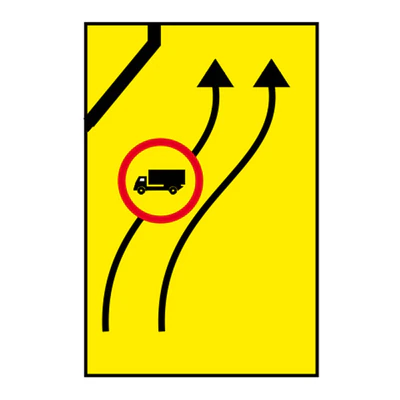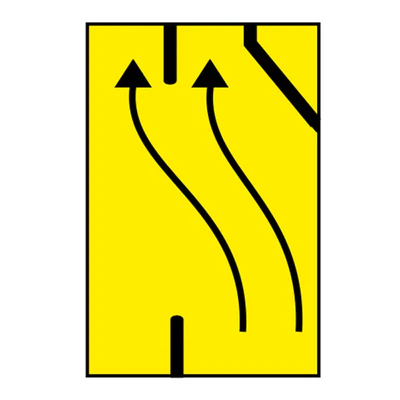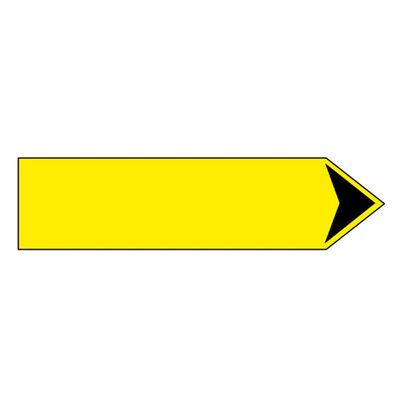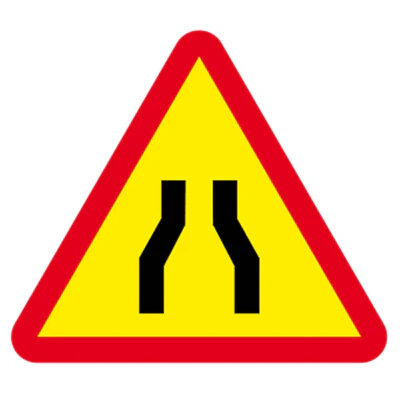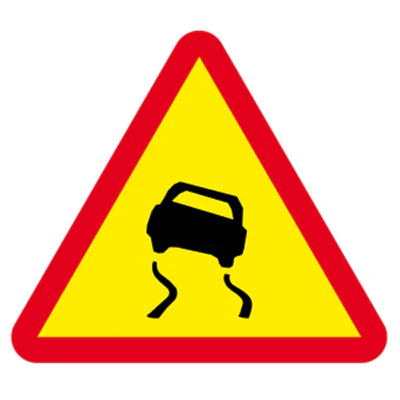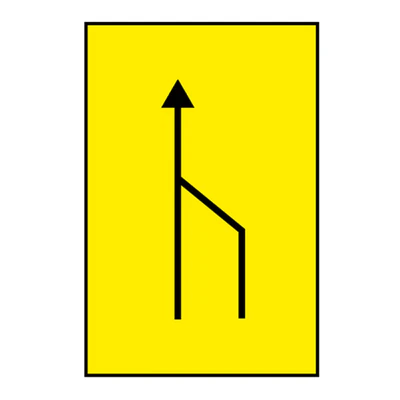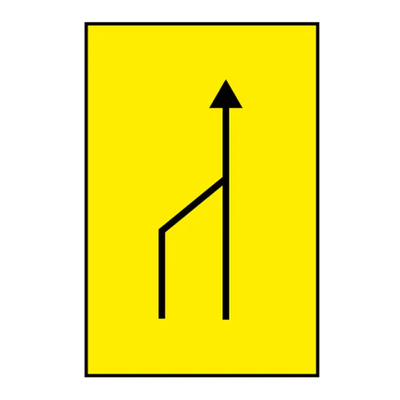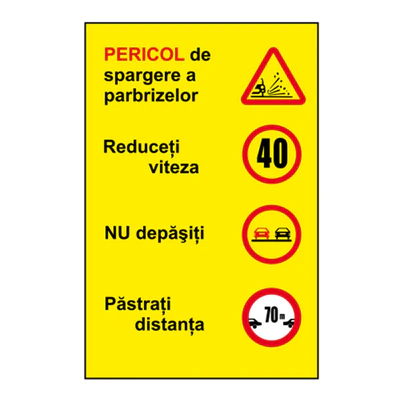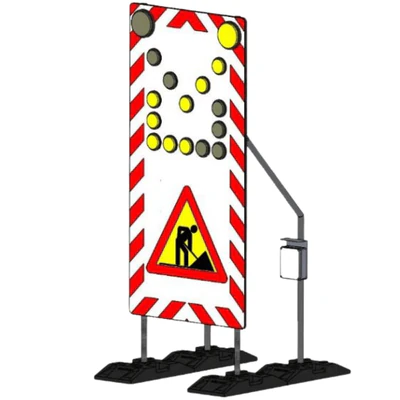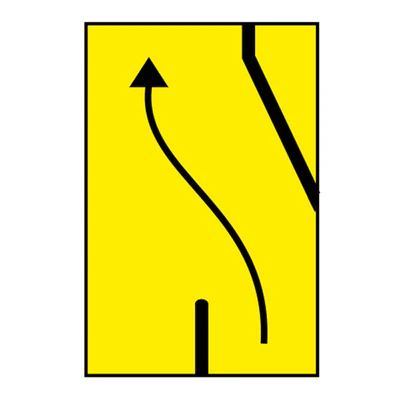
Temporary slaughter U23, temporary road sign
503,15 lei
In stock at supplier
sup Request a quote – Temporary slaughter U23, temporary road sign See options – Temporary slaughter U23, temporary road signWe use strictly necessary cookies to run the site and, only with your consent, to remember viewed products, for visit statistics and for YouTube video playback. You can change your mind at any time from “Cookie settings” at the bottom of the page. Cookie policy
Technical advice: 021 450 60 70 · Fast delivery nationwide · Blog
Temporary indicators are temporary visual signs that guide and warn traffic participants or public spaces in temporary situations.
503,15 lei
In stock at supplier
sup Request a quote – Temporary slaughter U23, temporary road sign See options – Temporary slaughter U23, temporary road sign503,15 lei
In stock at supplier
sup Request a quote – Temporary slaughter U24, temporary road sign See options – Temporary slaughter U24, temporary road sign105,00 lei
In stock
in Request a quote – Other hazards U11, temporary road sign See options – Other hazards U11, temporary road sign105,00 lei
In stock
in Request a quote – Both directions U10, road sign temporary See options – Both directions U10, road sign temporary440,26 lei
In stock at supplier
sup Request a quote – Tracking against U20 sideband, temporary road sign See options – Tracking against U20 sideband, temporary road sign144,99 lei
In stock
in Request a quote – Exceeding motor vehicles except motorcycles without U12 prohibition, road sign temporary See options – Exceeding motor vehicles except motorcycles without U12 prohibition, road sign temporary225,00 lei
In stock
in Request a quote – Temporary deviation U16, temporary road sign See options – Temporary deviation U16, temporary road sign225,00 lei
In stock
in Request a quote – Temporary deviation U17, temporary road sign See options – Temporary deviation U17, temporary road sign225,00 lei
In stock
in Request a quote – Temporary deviation U18, temporary road sign See options – Temporary deviation U18, temporary road sign225,00 lei
In stock
in Request a quote – Temporary deviation U19, temporary road sign See options – Temporary deviation U19, temporary road sign105,00 lei
In stock
in Request a quote – Road with U5, road signs temporary See options – Road with U5, road signs temporary105,00 lei
In stock
in Request a quote – Road narrowed on both sides U1, road sign temporary See options – Road narrowed on both sides U1, road sign temporary105,00 lei
In stock
in Request a quote – Road narrowed on the right side U2, road sign temporary See options – Road narrowed on the right side U2, road sign temporary105,00 lei
In stock
in Request a quote – Road narrowed on the left side U3, road sign temporary See options – Road narrowed on the left side U3, road sign temporary105,00 lei
In stock
in Request a quote – Road U6, temporary road sign See options – Road U6, temporary road sign105,00 lei
In stock
in Request a quote – Improssing with U7 stone, temporary road sign See options – Improssing with U7 stone, temporary road sign105,00 lei
In stock
in Request a quote – Temporary indicator U8 works 700 mm reflective foil class 1 steel paint See options – Temporary indicator U8 works 700 mm reflective foil class 1 steel paint503,15 lei
In stock at supplier
sup Request a quote – Temporary tasting U21, temporary road sign See options – Temporary tasting U21, temporary road sign503,15 lei
In stock at supplier
sup Request a quote – Temporary tasting U22, temporary road sign See options – Temporary tasting U22, temporary road sign144,99 lei
In stock
in Request a quote – Speed limitation 40 km, U13, temporary road sign See options – Speed limitation 40 km, U13, temporary road sign1.886,81 lei
In stock
in Request a quote – Treatment works of the surface of the U35 carousable part, temporary road sign See options – Treatment works of the surface of the U35 carousable part, temporary road sign13.970,61 lei
outOut of stock
Request a quote – Road sign panel for work 1200x2500 mm, LED light signaling, mobile mounting and counter-selling See options – Road sign panel for work 1200x2500 mm, LED light signaling, mobile mounting and counter-sellingWe didn't find any products for the chosen filters.
Products in this category cover dimensions between 700 mm and 2500 mm. You can compare variants from Protrafic and U13. Check the size, material and compatibility with your application in each product file.
In addition, for orders and questions, the TopTrafic.ro team offers delivery throughout the country and technical advice.
Temporary indicators are visual signs providing information and warnings for limited periods, supplementing permanent alerting when exceptional situations arise.
These are essential for Road safety, traffic flow management and organisation of temporary public spaces, such as construction sites, events or emergency situations.
Main roles:
For example, an indicator of temporary stop can only be used during road rehabilitation work.
Temporary indicators should be easy to identify and understand immediately.
They're usually portable, visible, and located so that they are observed from time to time by the participants.
These signs allow quick adaptation to changing situationswithout compromising safety.
"How temporary can an indicator be?
It can be used from a few hours to a few weeks, depending on the situation and material.
"Can they also be used inside?
Yes, for indoor events or industrial spaces, with materials adapted to the environment.
"How do they differ from the permanent indicators?
Temporary indicators are portable, easy to move and signal changes or restrictions in the short term, without replacing the permanent signal.
Temporary indicators are essential for the safety and orientation of participants in temporary situations, whether it is road traffic, events or industrial spaces.
Correct choice, adequate installation and periodic maintenance guarantee clarity, safety and efficiency in any provisional scenario.
Get our offers and news once a month. You can unsubscribe at any time.