What Solar Road Indicators Are
The solar road indicators are standalone signalling systems which use the energy captured by photovoltaic panels to power LEDs or other light elements. They operate without connection to the power grid, being ideal for isolated areas or temporary applications.
In simple terms, they are intelligent road signs that feed themselves and remain visible day and night, regardless of weather conditions or available electricity infrastructure.
Commonly used close terms:
- Road panels with solar power
- autonomous road signs
- Light indicators with solar panel
- Sun-powered LED signs
Where it is used and in what context
These solutions are extremely versatile and can be encountered in many real situations:
- Rural roads and isolated areas, where there is no electricity network
- National motorways and roads, for additional warning
- Temporary construction, where infrastructure changes frequently
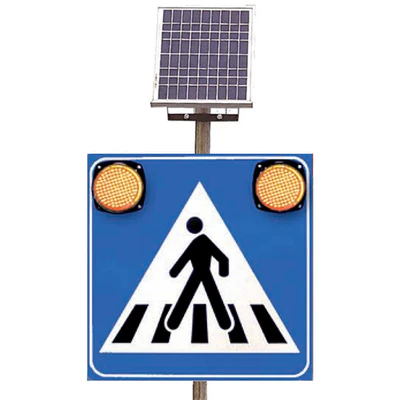
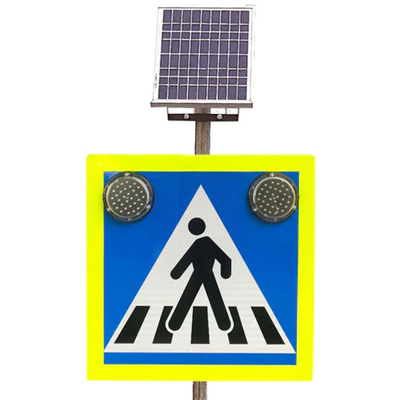
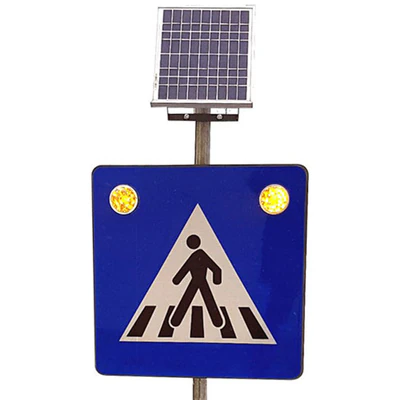
- High risk areas, such as dangerous curves, pedestrian crossings, intersections without traffic lights
- Parks, industrial and logistic areas, for guidance and warning
- Smart City Projects, as part of the intelligent infrastructure
How it works (simplified explanation)
A solar indicator is a system composed of several elements that work together:
Main component
- Photovoltaic panel – captures solar energy
- Rechargeable battery – stores energy for nighttime operation
- Signalling LEDs – offers high visibility
- Loading controller – manages the energy flow and protects the battery
- Structure and mounting support – weather and vibration resistance
Operating process
- Solar panel collects energy during the day
- Energy is stored in battery
- LEDs are automatically powered at dark or under reduced visibility
- The system can adjust light intensity for energy efficiency
Why this solution is important
Solar-powered indicators play a major role in modern infrastructure because:
- I'm not dependent on the power grid
- Can be installed quickly, without complex works
- Works in emergency situations and current feathers
- Contribution to emission reduction and sustainable infrastructure
Real benefits for the user
- Full energy autonomy
- Excellent visibility day and night
- Reduced installation and operating costs
- Long lifespan of components
- Reduced environmental impact
- Flexibility in installation and relocation
Types and variants of solar indicators
1. Solar indicators with integrated LED
- Classic signs with LEDs on the outline or symbol
- Use for warnings and restrictions
2. Dynamic solar panels
- Display variable messages (speed, warnings, information)
- Can be programmed or controlled remotely
3. Portable solar indicators
- Mounted on mobile supports
- Ideal for construction and temporary intervention
4. Hybrid systems
- Combination between solar and electricity grid
- Ensures redundancy under extreme conditions
Relevant differences between options
Important differences arise from:
- Solar panel capacity (Power W)
- Battery autonomy (hours/days without sun)
- LED type (standard vs. high-intensity)
- Control of brightness (automatic or manual)
- Environmental resistance (IP, temperature, vibration)
How to choose a solar road sign correctly
Analyze the application
- Permanent or temporary
- Urban or rural
Assess environmental conditions
- Solar exposure
- Temperature
- Level of dust and moisture
Check technical specifications
- Battery capacity
- Solar panel power
- Road conformity standards
Think Long-Term
- Maintenance costs
- Possibility of upgrade
- Estimated life
Common mistakes and how to avoid them
- Selection of sub-dimensional panels for the installation area
- Ignore battery range for periods without sun
- Mounting in shaded areas
- Lack of regular verification of components
- Non-compliance with road regulations
Professional recommendations
- Install the indicators in areas with maximum sun exposure
- Use batteries with long life cycles (LiFePO4 or similar)
- Choose LEDs with high intensity for fast roads
- Provides anti-vandalism and anti-vibration protections
- Regularly monitor system operation
Maintenance and good practice
- Cleaning of the dust and dirt solar panel
- Battery testing and controller
- LED and cable verification
- Adjustment of the panel angle for optimal light capture
- Periodic inspections in accordance with safety rules
Întrebări reale pe care le caută utilizatorii
How much does a solar road sign keep without sun?
Depends on the battery, but most can work between 3 and 7 days without charging.
Are the sun indicators good for highways?
Yes, especially for additional warnings and alerts, where visibility is critical.
Is the investment worth the classic indicators?
In areas without electricity or where wiring costs are high, they are much more efficient.
Can they use the winter?
Yes, if they are designed for low temperatures and have suitable batteries.
Conclusion
Solar road indicators represent a modern, autonomous and sustainable traffic signaling solution, providing increased visibility and reduced operating costs. They are ideal for modern infrastructure, smart city projects, construction sites and isolated areas, where reliability and energy independence are essential.