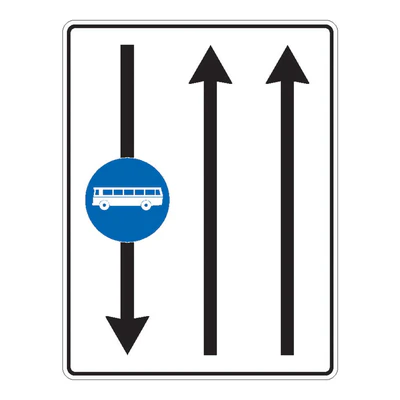
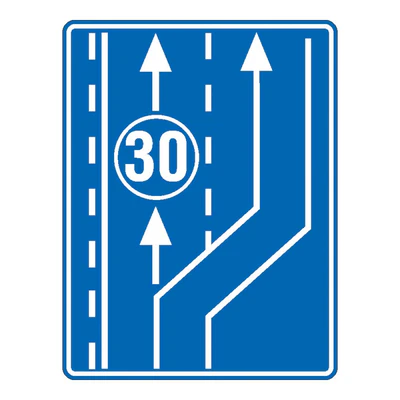
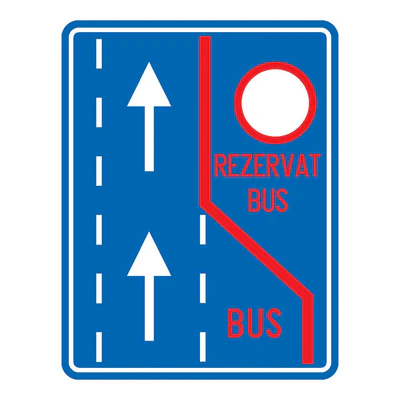
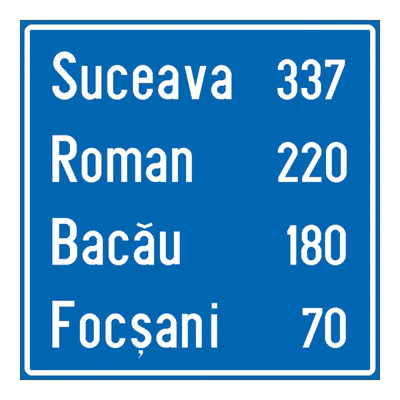
What guidance indicators are and what their role is
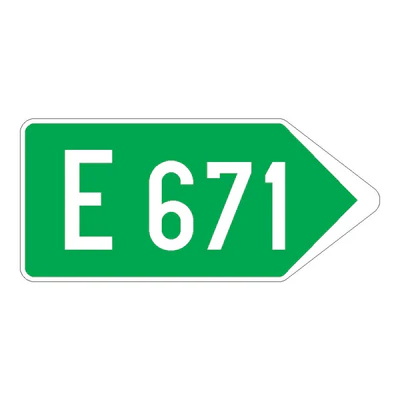
The guidance indicators are the category of road signs intended for guidance to participants in traffic, providing clear information about directions, destinations, routes and points of interest. They do not impose obligations and do not prohibit manoeuvres, but helps people get where they need to go, no confusion or unnecessary stops.
In modern traffic, correct orientation is just as important as rules. A driver who knows from time:
- where it has to turn
- what to choose out
- which location to follow
will drive safer, more fluent and less stressful.
Why are the key guidance indicators
The lack of guidance produces:
- sudden brakes
- dangerous changes in the band
- irregular returns
- intersecting and road knotting
The guidance indicators address these issues by:
- anticipate
- clarity
- informational continuity
They turn an unknown road into an easy route.
Where guidance indicators are used
Urban roads
In cities, they are used for:
- Direction to the neighbourhoods
- guidance to public institutions
- guidance to commercial or industrial areas
Extra-urban and motorway roads
Here, their role becomes critical for:
- correct choice of exits
- Long-distance orientation
- separation of traffic flows
Special areas
Orientation indicators frequently appear in:
- large parking spaces
- airports
- tourist areas
- Logistic areas
- industrial platforms
How guidance indicators work
Their operation is based on rapid transmission of information, in an easy-to-understand format from the walk. They use:
- concise text
- directional arrows
- standardized symbols
- specific colours of the type of road
Information is provided of timeso that the driver can make the right decision without sudden manoeuvres.
Types of guidance indicators
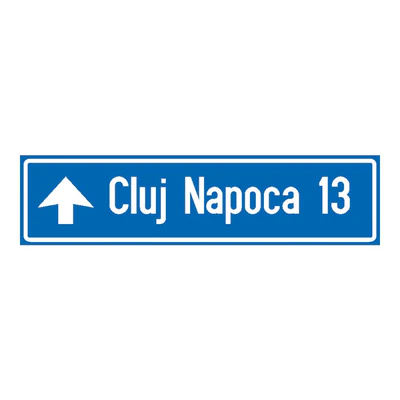
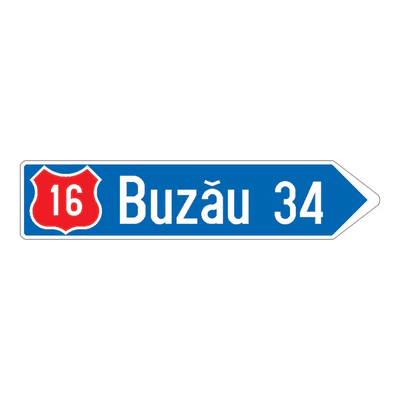
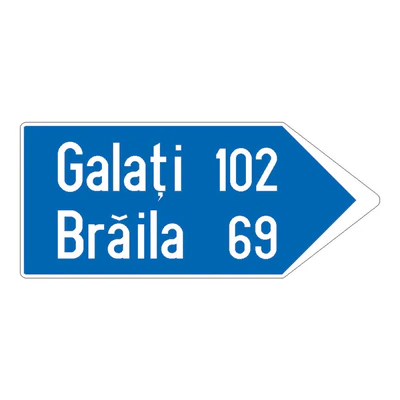
Direction indicators
These indicate:
- heading for one or more destinations
- distance to those points
They are essential in intersections and road knots.
Advance warning indicators
Warn from time to time about:
- an important intersection
- an exit
- a change of path
Allow drivers to position themselves correctly on the tape.
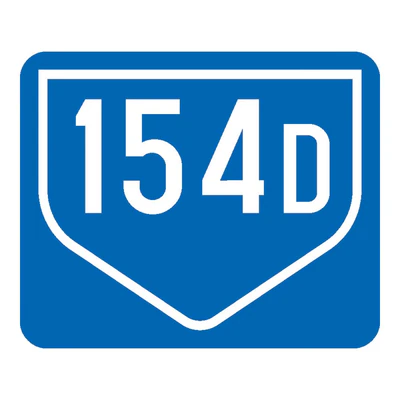
Track Confirmation Indicators
Confirms that:
- You're on the right track
- the chosen direction is the right one
They reduce stress, especially on unknown routes.
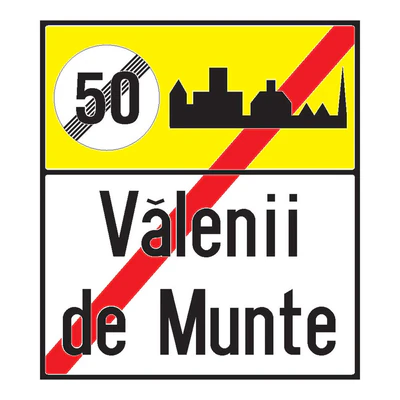
Locality indicators
Signal:
- entering a locality
- exit from the locality
- name
They have an informative role, but also a legal role, influencing the applicable rules.
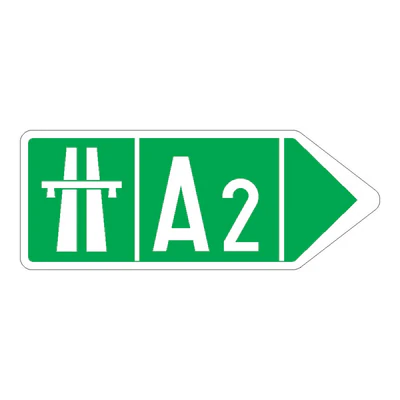
Output indicators
Very important on:
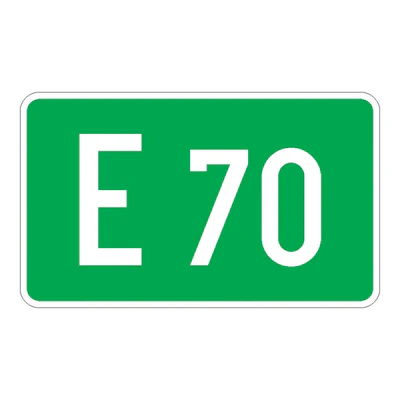
- express roads
- motorways
- Of a cylinder capacity exceeding 1000 cm3
Clearly indicates:
- exit number
- Destinations served
- direction to follow
Tourist indicators and points of interest
Guide to:
- tourist objectives
- hospitals
- petrol
- Parking spaces
- leisure area
I'm extremely useful in guiding visitors.
Difference between guidance and information indicators
Although close as a goal, there is a clear difference:
- Orientation guide the movement
- information provides general data about road or area
The guidance indicators are directly linked to the Decision on the path.
Actual benefits for users
For drivers:
- less stress
- fewer errors
- Fluent movement
- increased safety
For administrators:
- more organized traffic
- fewer incidents
- reduction of unjustified stops
- better experience for users
How to choose guidance indicators correctly
Analyze traffic flows
- Where the vehicles come from
- where it's supposed to go
- what decisions should be taken
Set the key information points
A good indicator appears:
- before the decision
- not after the option has been missed
Choose clear formulations
- official names
- known terms
- without unnecessary abbreviations
Common errors in the use of guidance indicators
Overloading with information
Too much text becomes impossible to read from the walk.
Lack of consistency
If a destination appears on an indicator, the following must also be present.
Too late to move
The indicator must allow the reaction, not force it.
Experience-based professional recommendations
- Think of the route as a whole, not as isolated points
- Folosește aceeași denumire pe tot parcursul drumului
- Ensures readability at night
- Avoid redundant information
- Test signaling from the perspective of a new user
Maintenance and good practice
In order to remain effective, guidance indicators shall:
- regularly cleaned
- checked for reflectivity
- updated when path changes occur
- visible, without obstacles
A misguided or damaged guidance indicator may lead to serious errors in the path.
Real questions for users
"Why are motorway guidance indicators so important?
Because decisions have to be made at high speeds, without stopping or turning back.
"What if the confirmation indicators are missing?
Insecurity and risky maneuvers appear.
"Are guidance indicators mandatory?
They do not impose rules, but their compliance helps to safety and fluency.
Conclusion
The guidance indicators are: Modern traffic compass. They don't impose, they don't sanction, but intelligent guide, reducing stress and risks.
A good guidance system makes the difference between a confused road and an intuitive one.