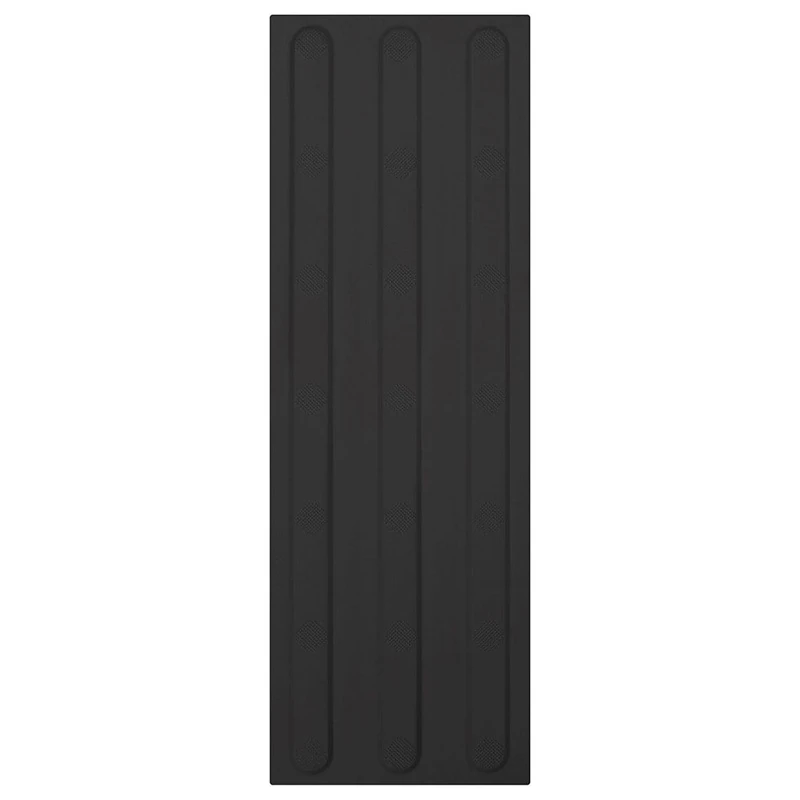
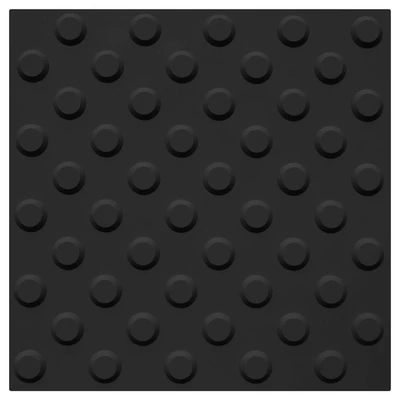
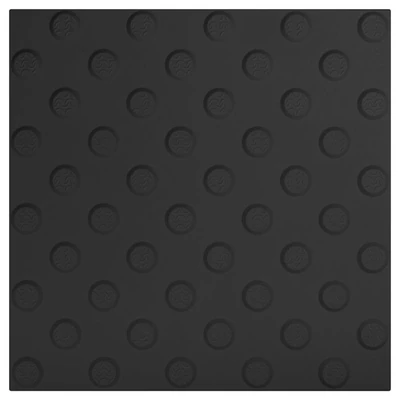
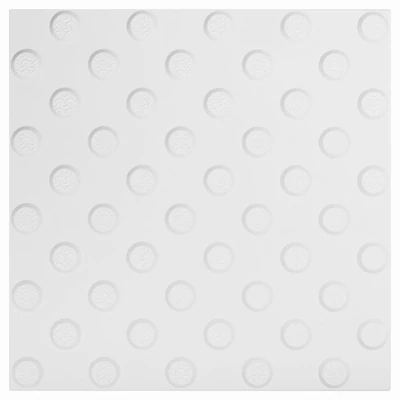
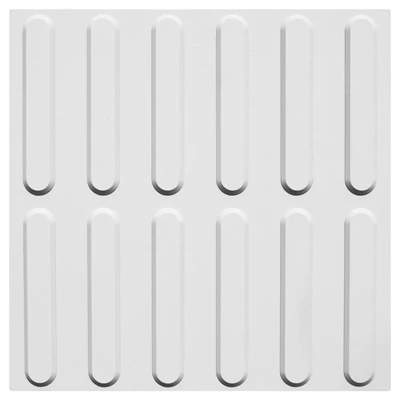
Black orientation tactile carpet RAL 9004 P1 150x450 mm is an essential element in modern accessibility infrastructure. Designed to provide clear and safe directional guidance, this type of tactile marking is used in public and private spaces where the orientation of blind or visually impaired persons must be intuitive, continuous and in accordance with current standards.
In a world where accessibility is no longer optional, but mandatory, the choice of P1 orientation tactile carpet becomes a strategic decision for any project: from commercial buildings and public institutions to premium transport spaces or residential development.
Why is a tactile orientation carpet essential?
A tactile orientation carpet is not just an accessory. It's a sensorial navigation system.
People with impaired vision use the white stick or the touchy sense of the soles to detect these surfaces. Type-specific linear model P1 (directional) transmits clear information about the direction of movement.
How does tactile guidance work?
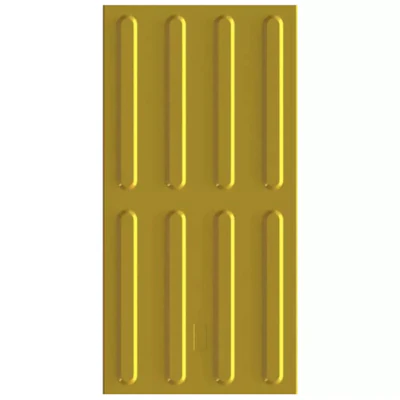
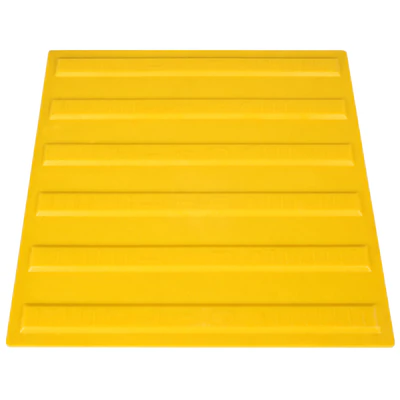
- parallel veins indicate direction of walk
- distinct texture to the floor provides tactile contrast
- color (black RAL 9004) ensures visual contrast for people with partial vision
The result: fast, intuitive and safe guidance.
Technical characteristics of the touch carpet P1 150x450 mm
Optimised dimensions for efficiency
- size: 150 x 450 mm
- modular format – allows flexible mounting
- Adaptable for long or point-zone routes
Durable material, resistant to heavy traffic
The carpet is made of resistant technical materials, designed for intensive use:
- high pedestrian traffic
- wear resistance
- stable behaviour over time
Black color RAL 9004 – maximum contrast
- High visibility on open surfaces
- discreet and elegant design
- easy integration in any type of architecture
Where is the tactile orientation carpet used?
This product is present in almost any modern space that complies with accessibility rules.
Common applications:
Public spaces
- administrative institutions
- hospitals and clinics
- Schools and universities
Transport and infrastructure
- railway stations and metro stations
- airports
- transport terminal
Commercial buildings
- shopping malls
- office buildings
- hotels
Premium residential projects
- Modern ensembles
- common accessible area
Competitive advantages over alternatives
Choosing a black orientation touch cover RAL 9004 P1 150x450 mm It shall bring clear, measurable benefits:
Orientation accuracy
The P1 linear model is standardized and internationally recognised for directional guidance.
Fast and flexible assembly
The modular format allows adaptation on any path.
Long-term resistance
It does not deteriorate rapidly, even under intense traffic conditions.
Compatibility with the rules
Meets accessibility requirements used in modern projects.
How do you correctly choose a tactile orientation carpet?
Not all products are the same. The differences appear in detail.
What you need to check:
Type of marking
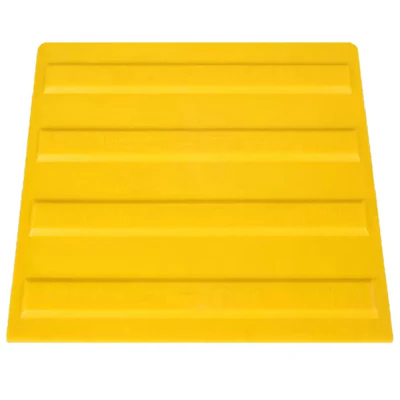
- P1 = orientation (lines)
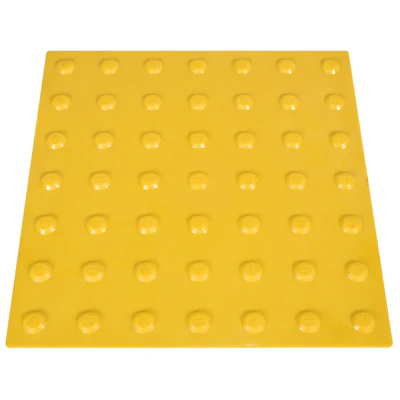
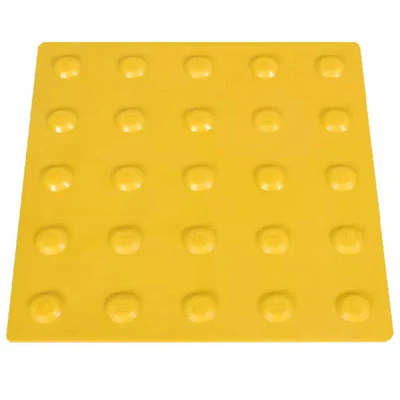
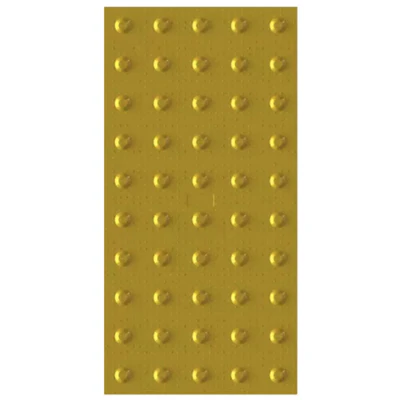
- P2 = warning (points)
Size
150x450 mm is ideal for continuous directional routes.
Material
It must withstand wear and temperature variations.
Contrast
Black RAL 9004 provides excellent visibility.
Installation – simple but essential
The correct assembly directly affects the efficiency of the product.
Installation method:
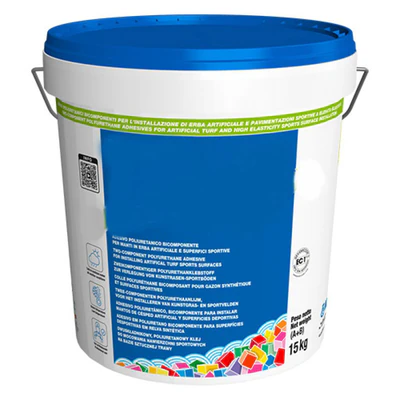
- Professional adhesive for touch markings
- mechanical fixing (depending on the surface)
Support surface:
- concrete
- Fat
- granite
- industrial pardoses
Recommendations:
- clean and dry surface
- precise alignment
- compliance with the traffic path
Real commercial benefits
- Increases accessibility of space
- Compliance with the legislation in force
- Reduces the risk of accidents
- Improve the image of the company
- Provides user comfort
- Durable, cost-free solution
- Modern aesthetic integration
Difference between guidance and warning
Many confuse these two types of markings.
Orientation (P1)
- Directional guidance
- Parallel lines
- continuous path
Warning (P2)
- hazard signal
- dots or domes
- used before obstacles
This product is dedicated exclusively to guidance.
Integration into architectural projects
Architects and designers are increasingly choosing integrated touch solutions from the concept stage.
Why?
- compliance with international standards
- Legal requirements
- improved user experience
FAQ – Frequently Asked Questions
1. What does P1 mean on the touch carpet?
P1 indicates a linear nerve orientation marking used for directional guidance.
2. Where does this type of carpet stand?
On the main routes of movement for persons with impaired vision.
3. Is it mandatory in public buildings?
Yes, in most cases it is required by accessibility rules.
4. Can it be mounted on the wrong side?
Yes, with special adhesive for optimal grip.
5. He resists heavy traffic?
Yes, it is designed for use in crowded areas.
6. What's the difference from the warning carpet?
The orientation one has lines, the warning one has points.
7. Can it be used outdoors?
Yes, if the material is certified for external conditions.