Reflective triangles
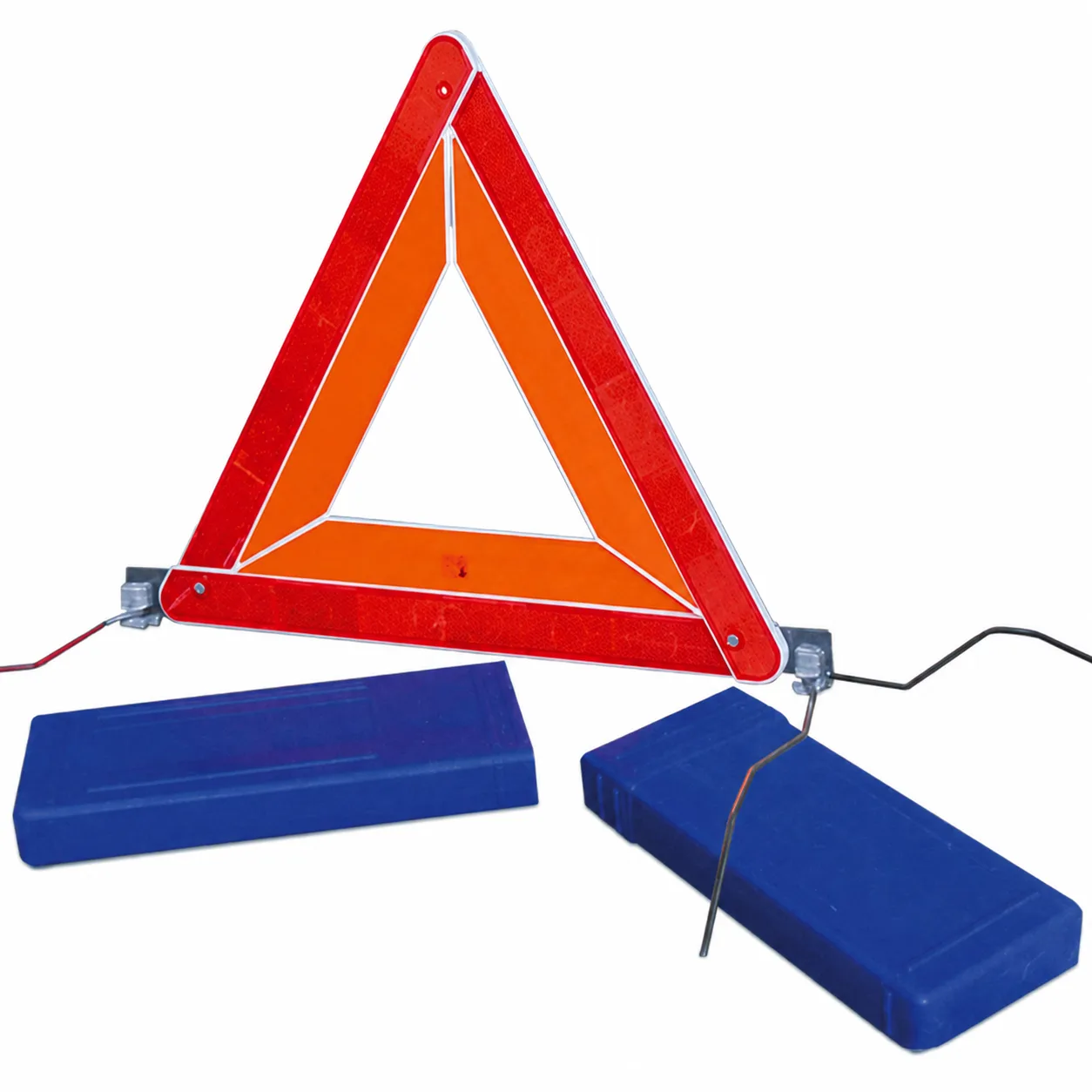
The reflective triangle is the signalling device used to warn other traffic participants when a vehicle is stopped due to a malfunction or emergency situation. Approved and correctly located, reduces the risk of accidents and should be permanently in the car.
In short: standard, professional or folding triangles, chosen after approval, materials, stability, dimensions and storage housing.
Do you need help choosing?
Tell us what you need and we'll send you the offer on the same working day.
The first choice criterion is approval, followed by materials, stability and dimensions, and a storage housing protects the triangle between uses. For commercial vehicles, more robust and stable models, designed for the applicant conditions, are recommended. In case of failure, including on the highway, the correct location of the triangle increases the visibility of the stopped vehicle, helps prevent accidents and ensures compliance with legal obligations.
The reflective triangle is an essential accessory for the signalling of a stopped vehicle. Discover the rules of use and the criteria for choice.
Reflective triangle is a signalling device used to warn other traffic participants when a vehicle is stopped due to a malfunction or an emergency situation. The correct placement and use of an approved model contributes to reducing the risk of accidents.
Reflective triangles – full guide on use, legislation and choice of the right model
Reflective triangle is one of the most important safety equipment any driver should have permanently in the car. Although it occupies very little space in the trunk, its role may become essential when a fault, technical malfunction or any other situation requires the vehicle to be stopped on the roadway.
In this guide you will find out what a reflective triangle is, when it is to be used, what the legislation provides, how you choose an approved model and what mistakes are most common in its use. You will also discover practical recommendations for increased traffic safety and useful information for both natural drivers and car fleet companies.
What is the reflective triangle?
Reflective triangle is a road warning device designed to signal the presence of a immobilized vehicle on the road or on the roadside.
Its triangular shape and reflective surface allow remote observation both during the day and at night when illuminated by other vehicles' headlamps.
It is part of mandatory equipment in many European states and contributes to the prevention of secondary accidents.
How does it work?
The operating principle is simple.
The reflecting material redirects the light of the headlamps to the approaching drivers, making the vehicle damaged visible from a considerable distance.
For maximum efficiency, the triangle shall:
- be located on the roadway;
- be stable;
- be oriented towards the direction from which the vehicles come;
- not to be covered by obstacles.
Increased visibility provides drivers with sufficient time to reduce speed and change the circulation band.
Why is it important?
A vehicle stopped on the road is a major danger, especially:
- on the motorway;
- on national roads;
- in curves;
- in fog conditions;
- at night;
- in heavy rain conditions.
Reflective triangle significantly reduces the risk of collisions by warning other traffic participants in time.
In addition to the safety component, the use of the safety component is provided for by road legislation in many situations.
Advantages of using a reflective triangle
Among the most important benefits are:
- increasing the visibility of the vehicle;
- accident prevention;
- compliance with road legislation;
- the protection of the driver and passengers;
- low cost compared to the level of protection offered;
- quick mounting without special tools;
- long duration of use.
Reflective triangle types
There are several variants available on the market.
Standard reflector triangles
It is the most widespread model and is intended for occasional use.
Advantage:
- accessible price;
- compact dimensions;
- Easy storage.
Professional Reflectorizing Triangles
Recommended for:
- firm;
- transporters;
- commercial vehicles;
- auto fleet.
These models offer:
- higher stability;
- durable material;
- increased visibility.
Folding reflective triangles
It is preferred because of the small dimensions and the fact that it can be transported very easily in the trunk.
Differences between existing models
When comparing more products, it follows:
- certification and approval;
- the quality of the reflecting material;
- the stability of the base;
- wind resistance;
- the folding system;
- the actual size;
- visibility at night.
A cheap model can become unstable under strong wind conditions, while a professional one offers a safe positioning and longer lifespan.
How do you choose a reflective triangle correctly?
Before purchasing it is recommended to check some essential aspects.
Approval
Always choose products that comply with European standards and applicable legislation.
Materials
Reflective surfaces must provide high visibility even in difficult conditions.
Stability
A solid base prevents the product from being turned upside down.
Dimensions
Compact models are easy to transport, but must comply with the minimum dimensions imposed by safety standards.
Storage housing
A rigid box protects the product against damage.
Common errors
Many drivers use the reflective triangle incorrectly.
The most common mistakes are:
- placing too close to the vehicle;
- use of a damaged product;
- lack of verification of reflector elements;
- storage under improper conditions;
- forget about the mount after the emergency stop.
These errors reduce the efficiency of the device and may endanger road safety.
Professional advice
Specialists recommend:
- periodic verification of the status of the triangle;
- replacement of the damaged product;
- keeping it in an easily accessible place;
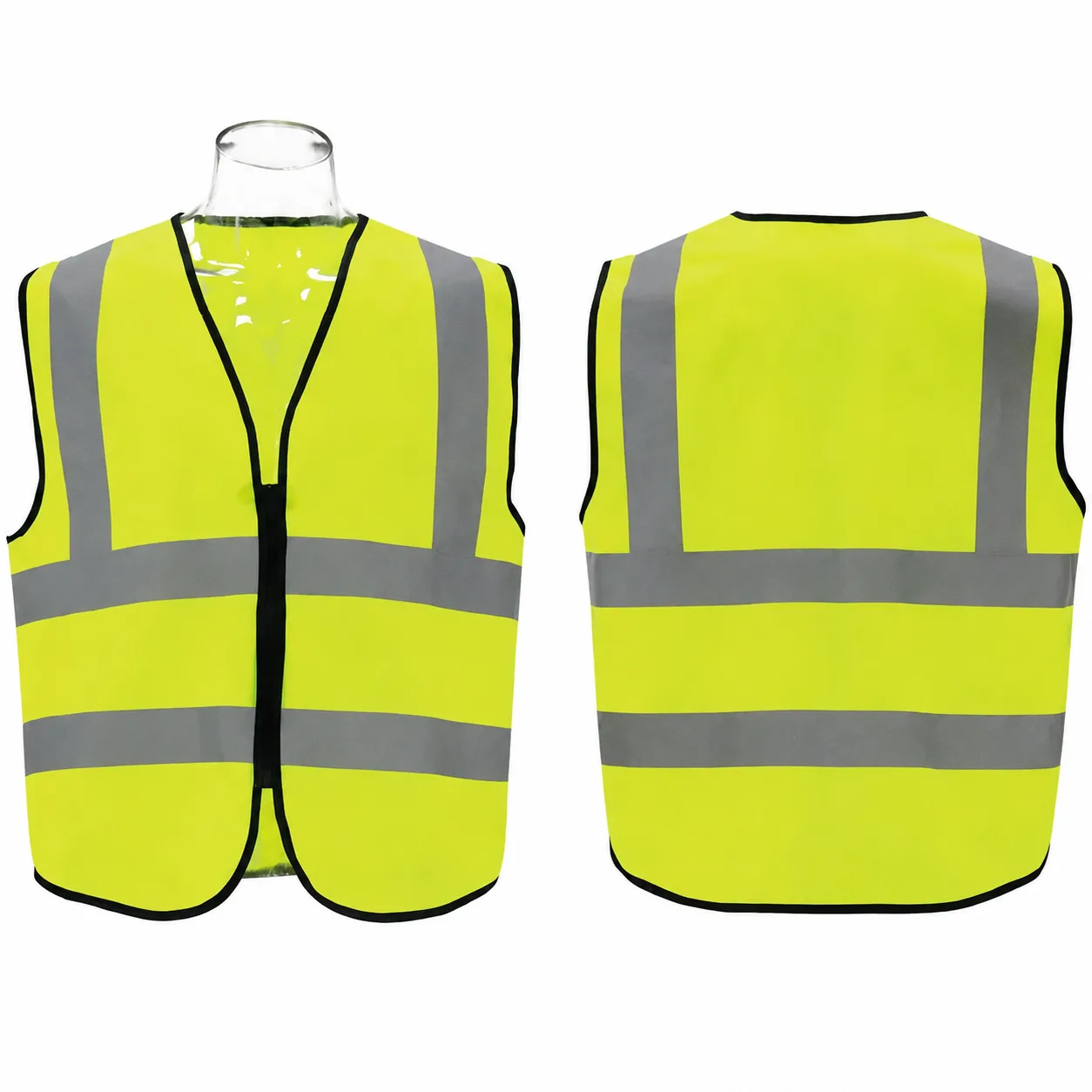
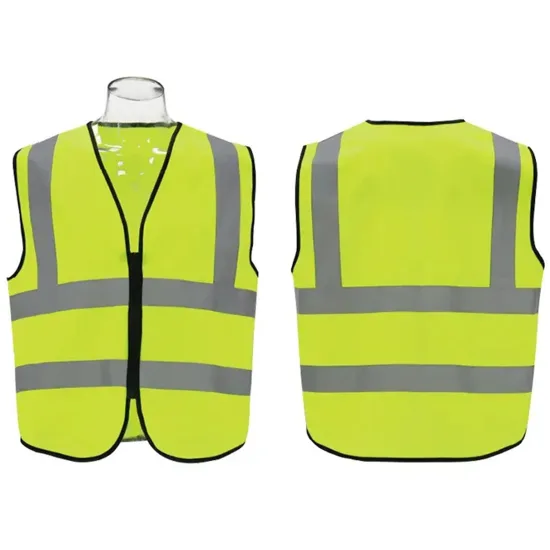
- use together with reflective vest;
- activation of damage lights immediately after stopping;
- compliance with the recommended landing distances.
Under low visibility, all these measures work together to increase safety.
Real example of use
Motorway malfunction
A car suffers a breakdown and is fired on the emergency gang.
Driver:
- Turn on the damage lights;
- wears the reflective vest;
- place the reflective triangle at the recommended distance;
- Ask for roadside assistance.
The result is a clear signal of the obstacle and a reduction in the risk of impact.
Commercial vehicle
A distribution van is defective in an area with intense traffic.
The reflective triangle allows other traffic participants to observe the obstacle and adapt speed in time.
Recommendations
For safe use:
- buy only approved products;
- avoid uncertified models;
- periodically check the degree of reflection;
- replaces the product if it is damaged;
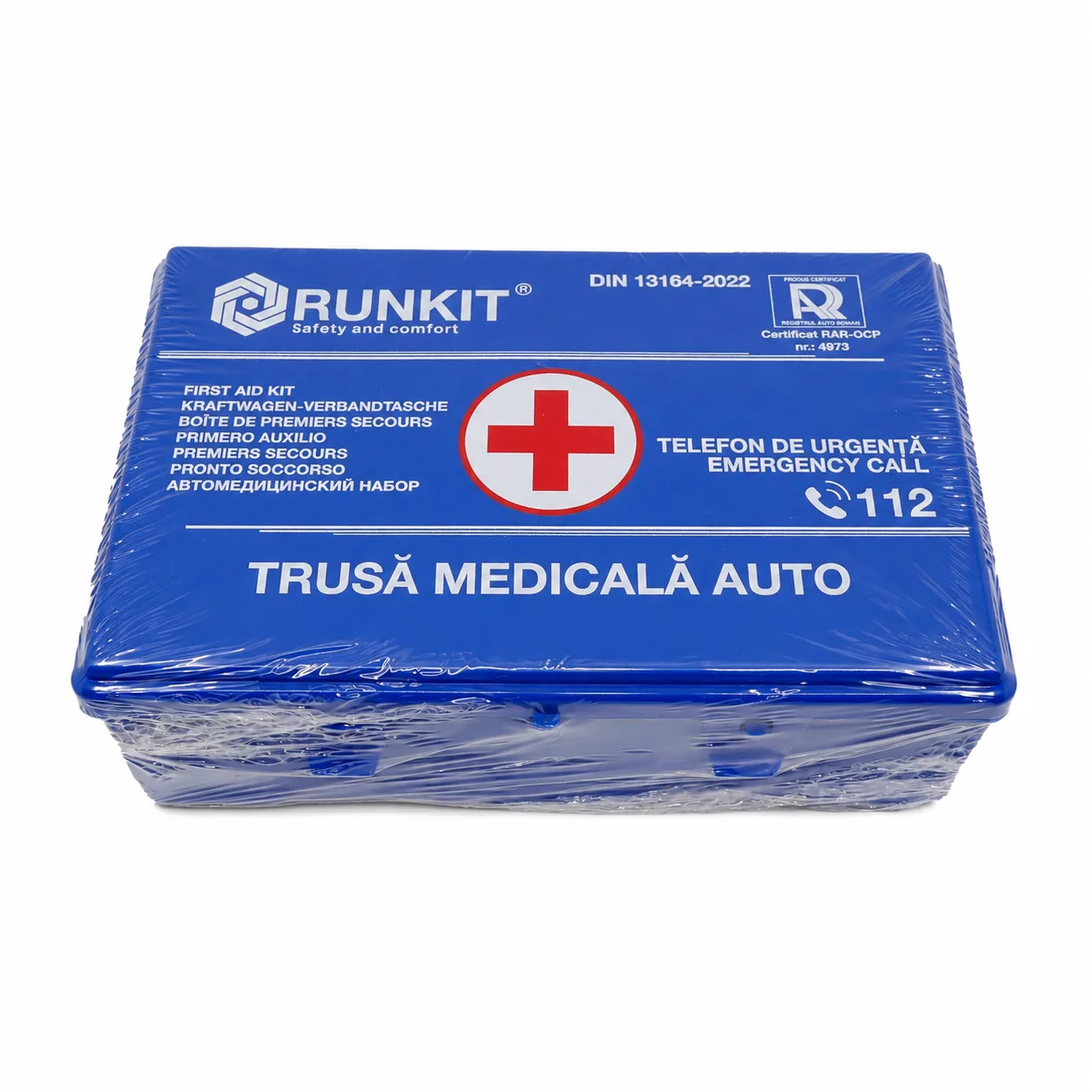
- Always keep the equipment complete together with the reflective vest and first aid kit.
Conclusion
Reflective triangle is much more than a mandatory accessory. It is an essential element for road safety, which can make a decisive contribution to avoiding accidents in unforeseen situations. The choice of an approved model, the correct use and periodic verification of its status are simple steps that increase the protection of the driver, passengers and other traffic participants.
BENEFICII COMERCIALE
- Reducing the risk of accidents in case of emergency stoppages.
- High visibility during day and night.
- Compliance with the legal requirements for the equipment of motor vehicles.
- Compact models and easy to store.
- Long-term use due to resistant materials.
- Quick mounting without tools.
- Suitable for both cars and commercial vehicles.
- Reduced investment reported at the level of safety offered.
FAQ
Is the reflective triangle mandatory?
Yes, in many jurisdictions it is part of the mandatory equipment of the motor vehicle. Check the applicable legislation of the country in which you are travelling.
When should the reflective triangle be used?
Whenever the vehicle is stopped due to a malfunction, damage or other emergency which may constitute a danger to traffic.
Where is the reflective triangle located?
It shall be positioned behind the vehicle at a distance sufficient to warn the other participants in traffic of time, in accordance with the rules applicable to the type of road.
How do I check if it's approved?
The product must bear the markings and certifications provided for in the standards in force and come from a reliable manufacturer.
How long does a reflective triangle last?
If it is stored and used correctly, it can have a lifetime of several years. It is recommended that the reflecting surfaces and the catchment system be periodically checked.
Can I use a damaged triangle?
No, no. If the reflectors are worn or the frame is damaged, the efficiency of the device decreases and its replacement is indicated.
Is it recommended to use with the reflective vest?
Yeah. Combining the reflective triangle with the reflective vest and the damage lights provide a higher level of safety.
Are there differences between the models for cars and the models for trucks?
Yeah. Models intended for commercial vehicles are usually more robust, more stable and designed for more demanding conditions of use.
Reflective triangle is a safety equipment essential for the signalling of a stopped vehicle. Choosing an approved model and placing it correctly increase visibility, help prevent accidents and help to comply with legal obligations in traffic.