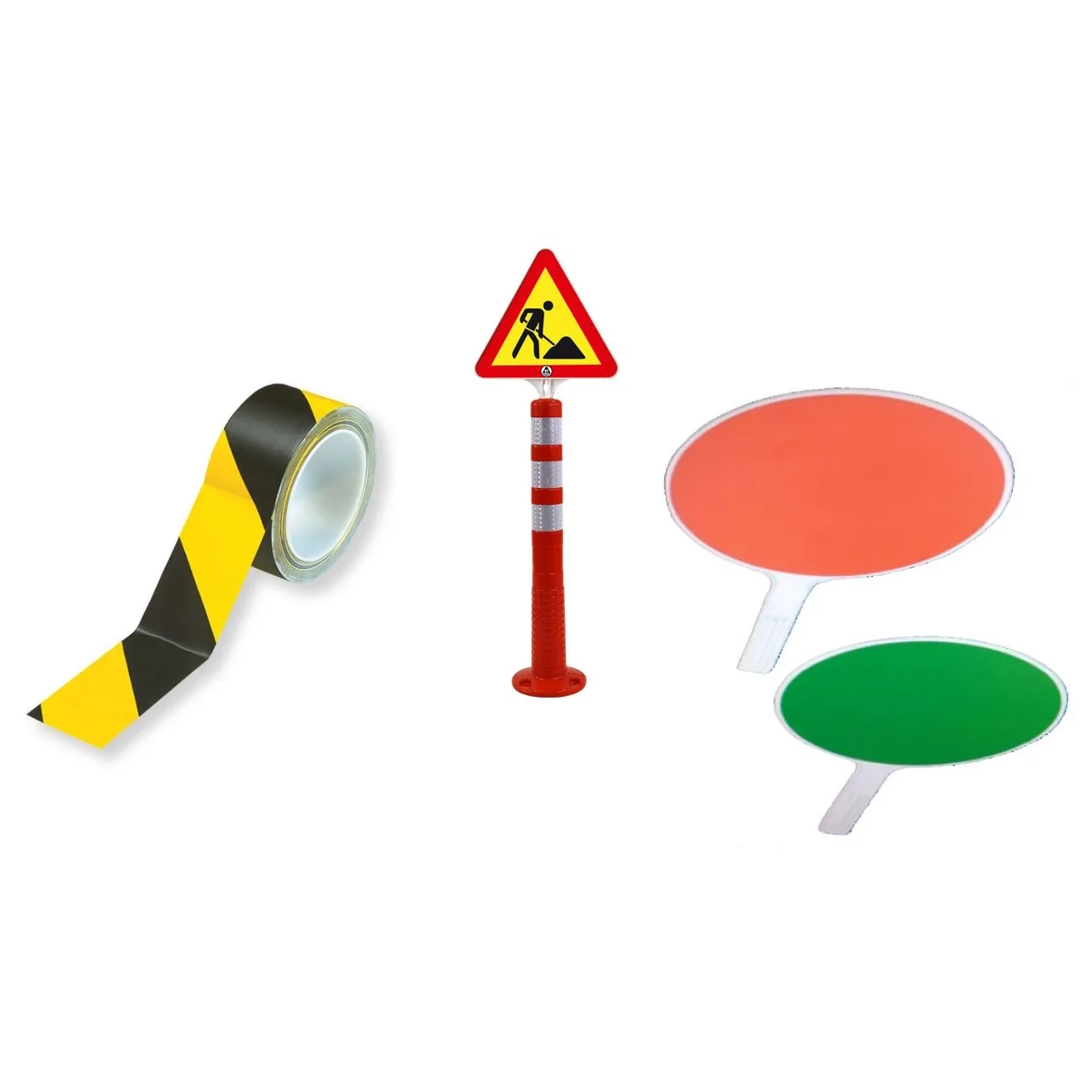
Signing work-protects drivers and workers, clearly indicating the areas where work is carried out
The marking of the work shall gather the indicators, beacons, cones and barriers used to delineate the areas in which work is carried out. It is necessary to intervene on roads, utilities, buildings or infrastructure and protects drivers, pedestrians and workers alike.
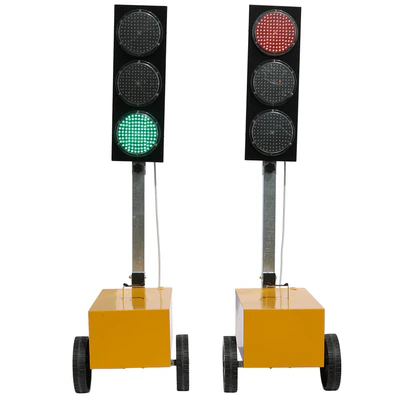
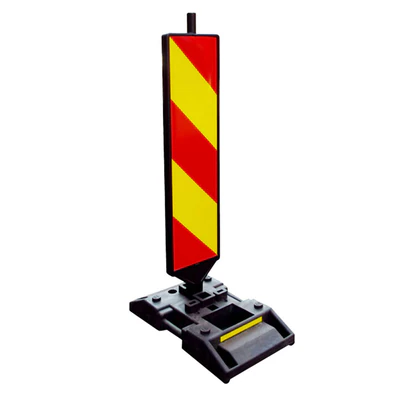
In short: temporary indicators, cones, directional beacons, barriers, mobile fences and warning lamps, with reflectors for the night.
Do you need help choosing?
Tell us what you need and we'll send you the offer on the same working day.
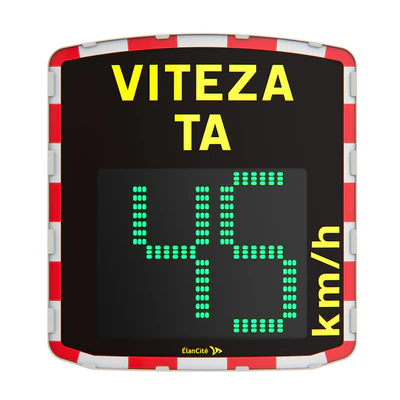
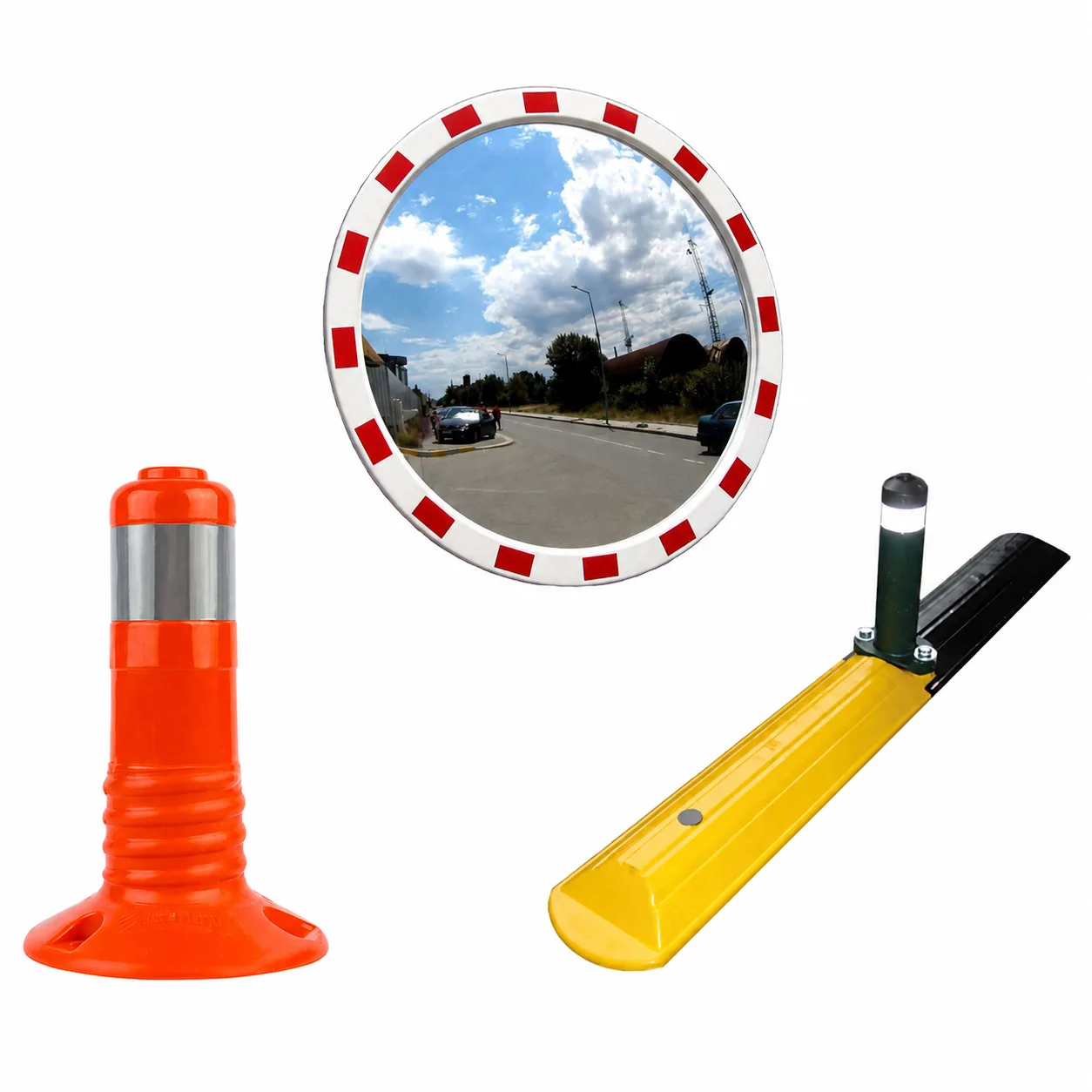
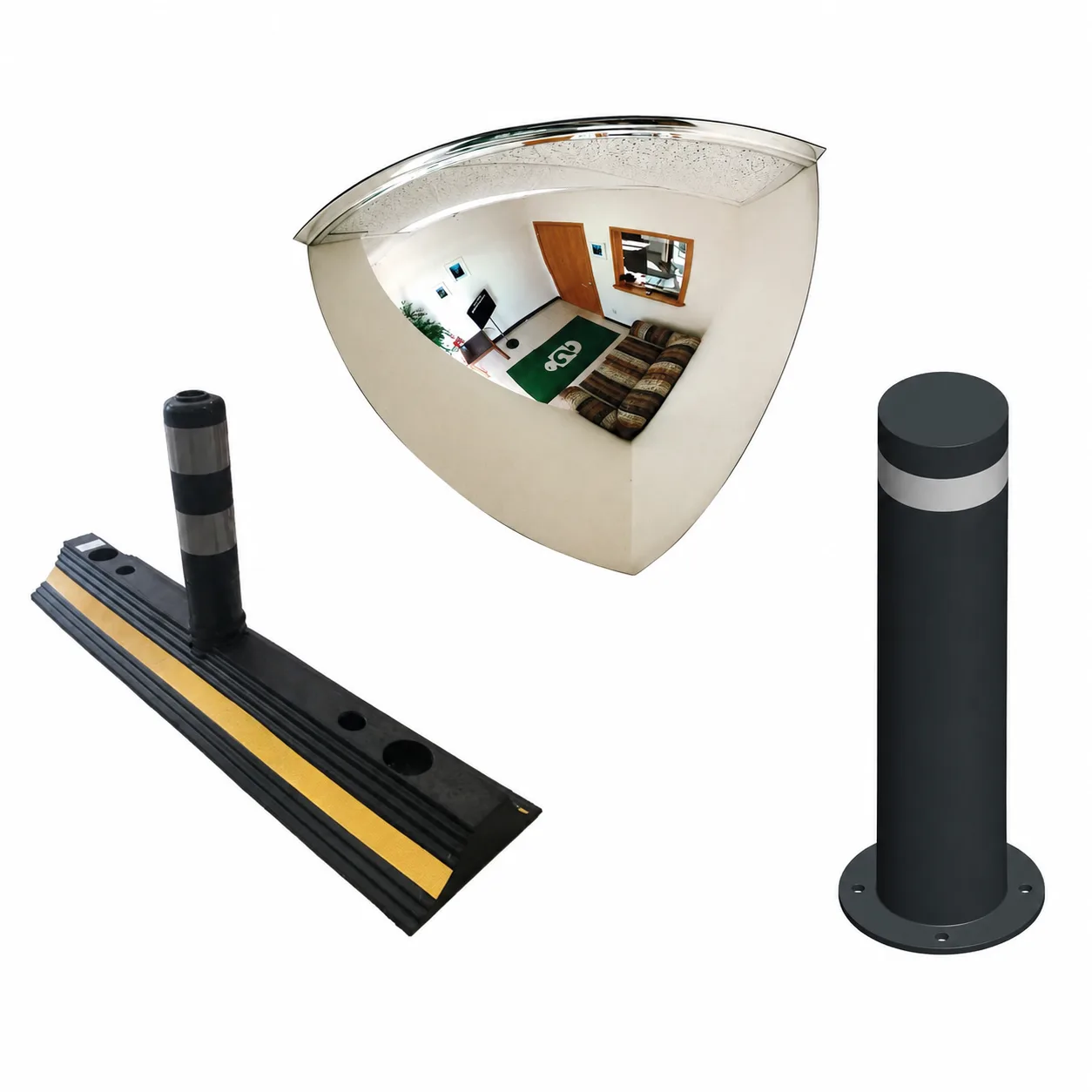
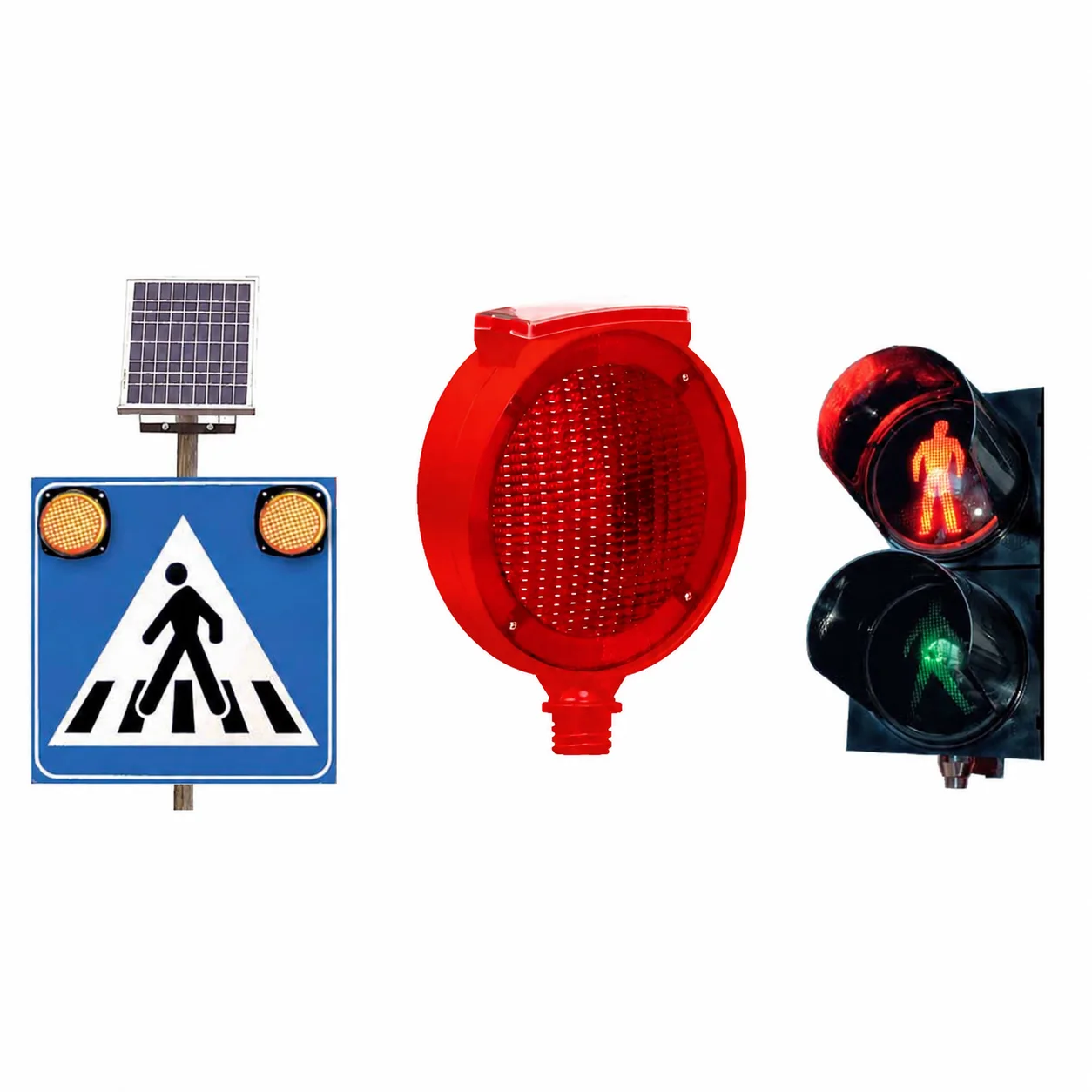
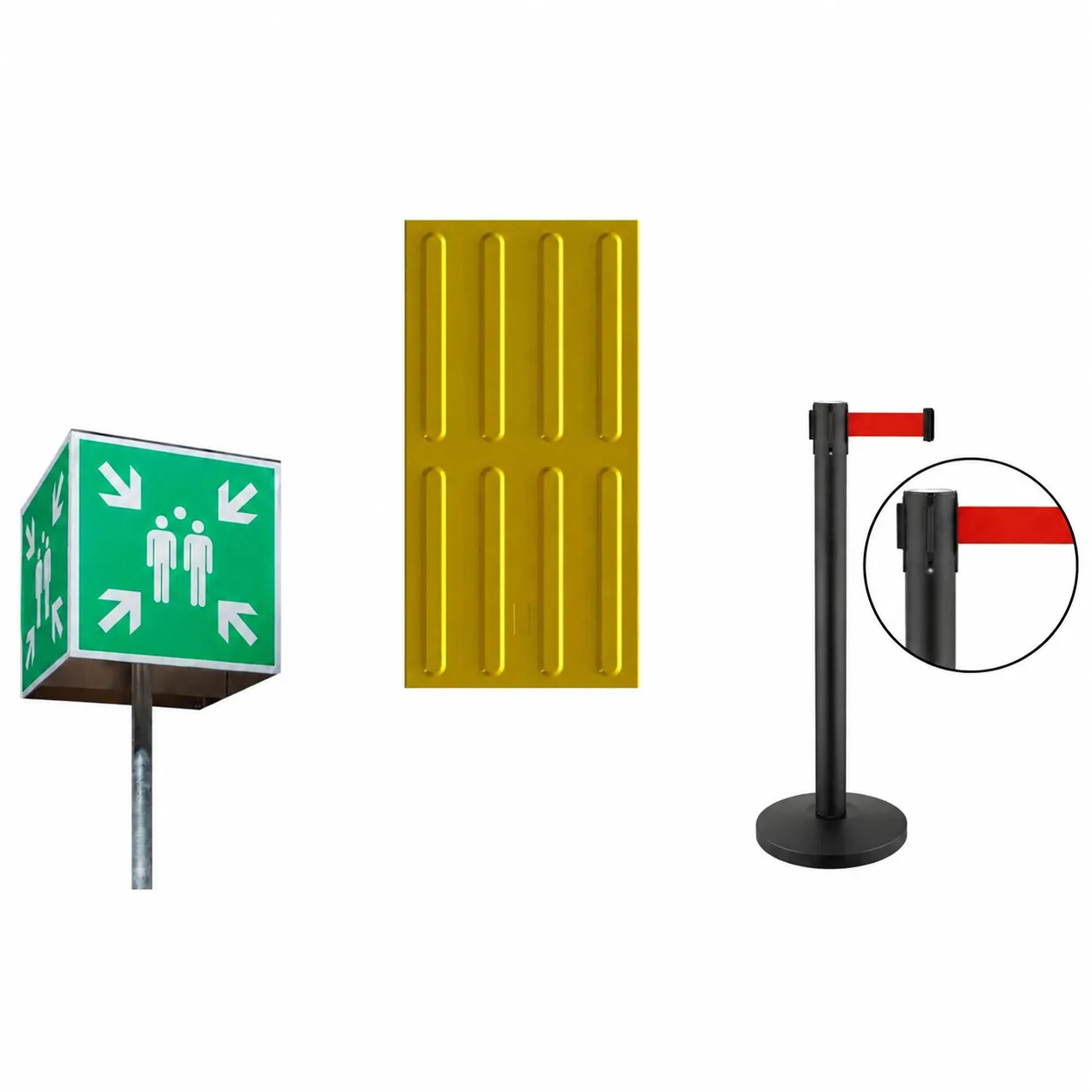
At the site, the temporary indicators announce the work, directional beacons and cones guide traffic, and the barriers and mobile fences delineate the work area. Cones are chosen after height and conditions of use, and reflectors are required in particular at night or in reduced visibility. Correct signalling reduces the risk of accidents, efficiently organizes traffic and allows safe work to be carried out.
Signalling works reduces the risk of accidents and organises safe traffic. See how you choose the right equipment for each yard.
Reporting of work is the set of indicators, beacons, cones and barriers used to delineate areas where work takes place. Correct signalling protects both drivers and pedestrians, reducing the risk of accidents and ensuring safe activities.
Reporting of work is one of the most important safety elements in any area where road, utilities, buildings or infrastructure interventions are carried out. Whether it is a road yard, construction work or temporary intervention, the clear delimitation of the work area contributes to the prevention of accidents and the maintenance of organised traffic.
An insufficiently signaled work area can create dangerous situations for both traffic participants and crews carrying out the work. You will then find out what an efficient signaling is, what equipment is used and how the right solutions can be chosen for each project.
What is the signaling of the works?
Reporting of work represent the total amount of temporary means used to warn and direct traffic in the vicinity of an area where construction, maintenance or repair activities are carried out.
This may include:
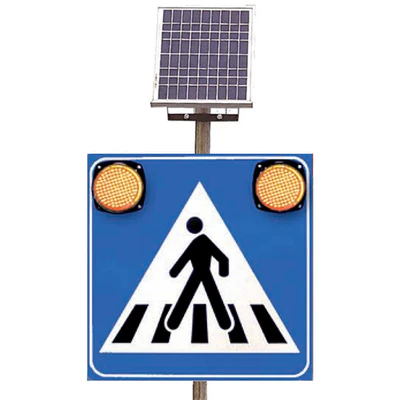
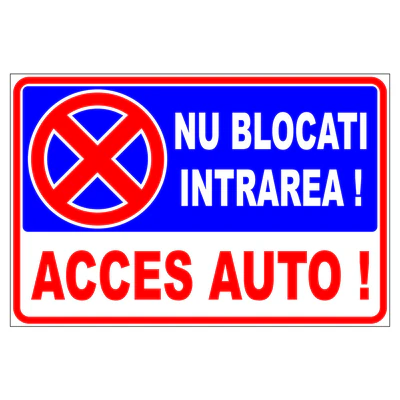
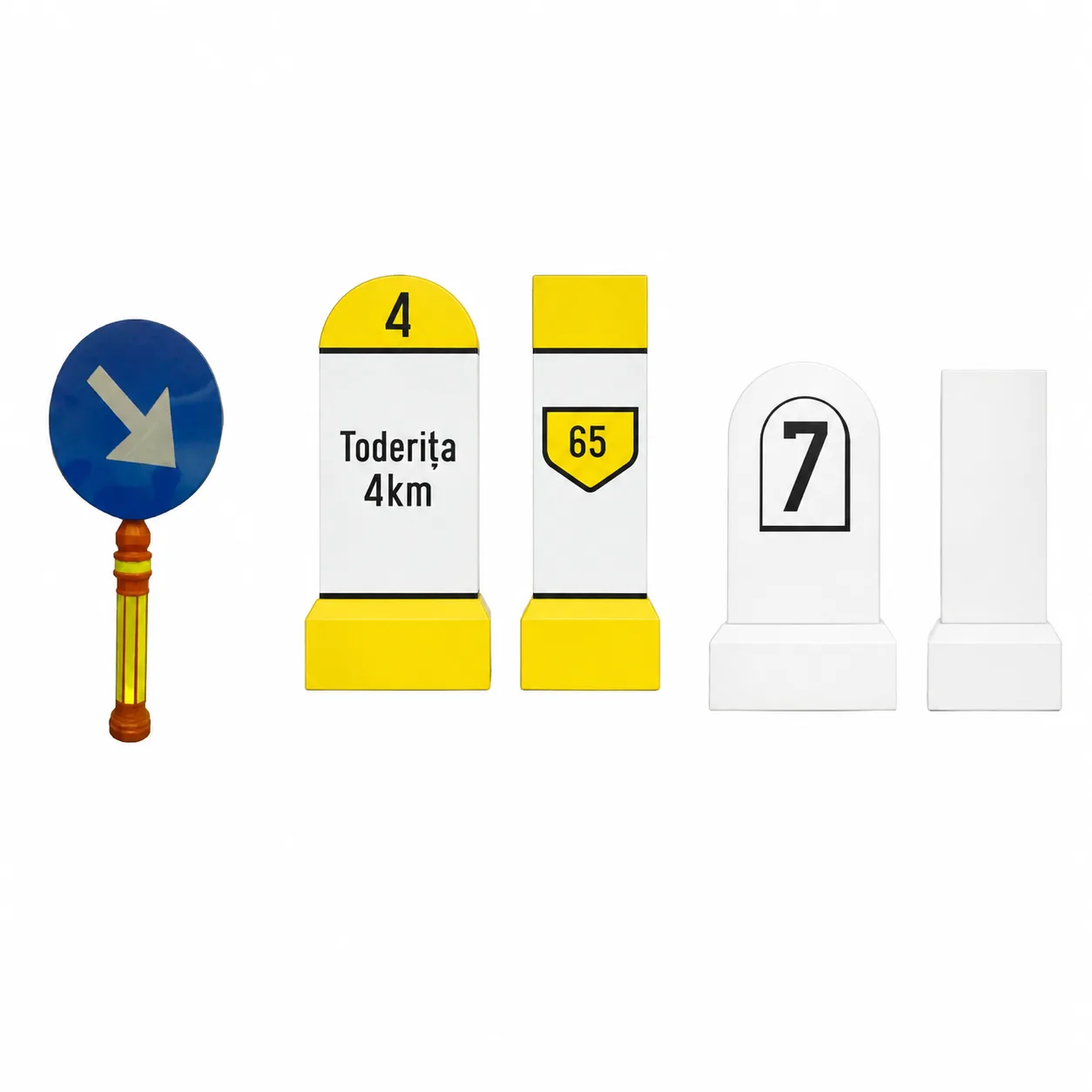
- Road signs temporary;
- signalling cones;
- directional markers;
- protective barriers;
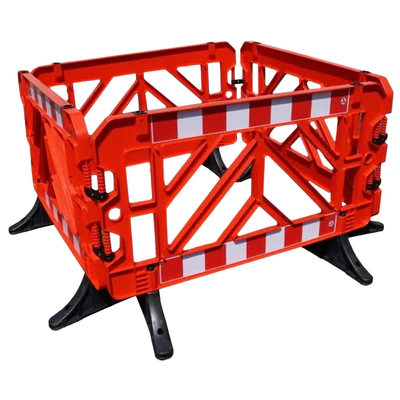
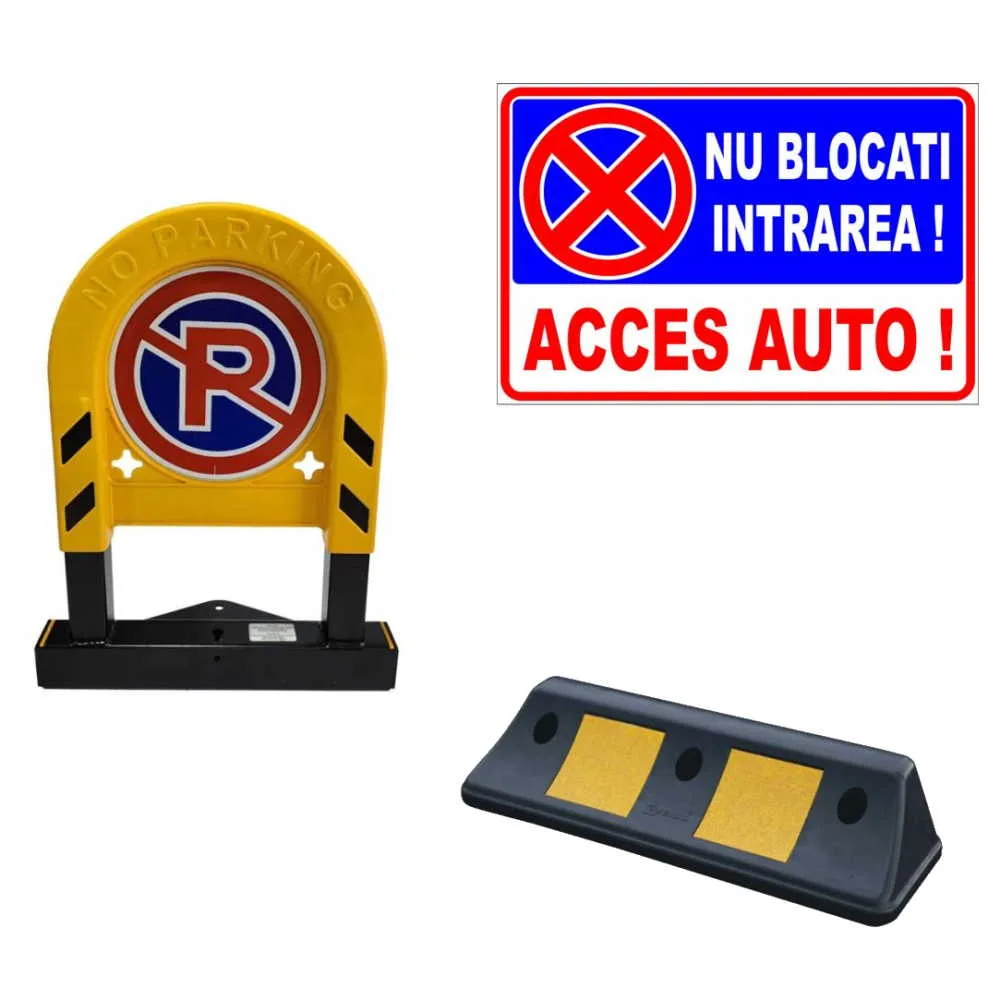
- Mobile fences;
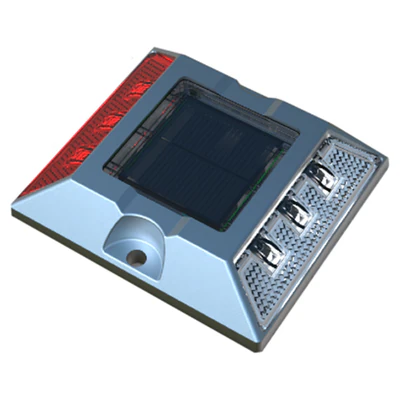
- LED warning lamps;
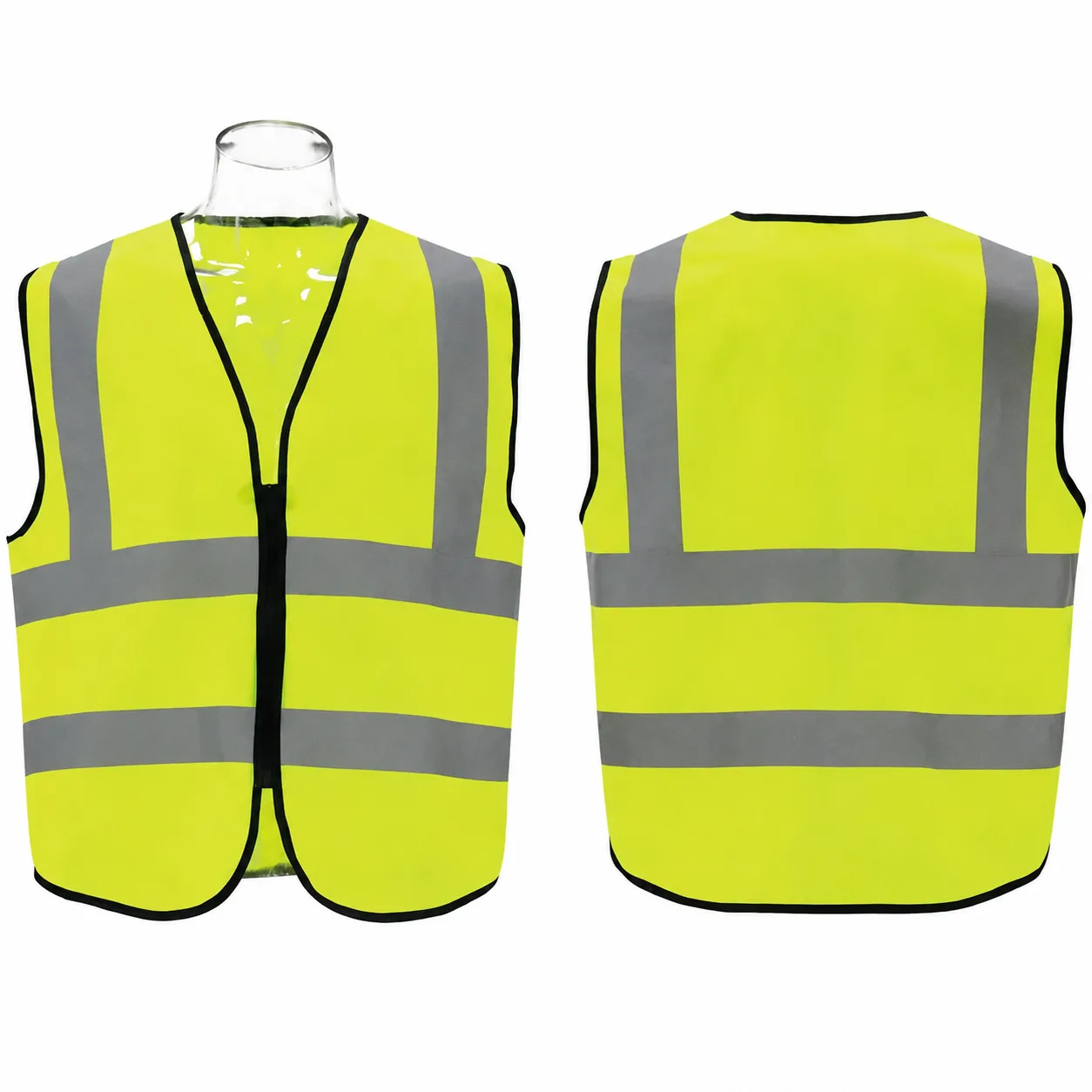
- reflector bands;
- Information panels and deviations.
The main aim is to reduce the risk of accidents by alerting participants to traffic and clearly delineating the space for work.
How does the signaling of a work area work?
An efficient signaling is designed to provide progressive information to drivers and pedestrians.
In general, this is followed by several stages:
- Time Warning on the existence of works.
- Speed reduction by specific indicators.
- Traffic management to the available bands.
- Physical Delimitation of the working area.
- Marking of the end of the restriction.
This process allows drivers to react over time and significantly reduces the risk of incidents.
Why is it important to report work?
A proper signaling provides benefits for both workers and traffic participants.
Among the most important advantages are:
- reduction of accidents;
- the protection of the staff of the yard;
- efficient organisation of movement;
- reducing traffic jams;
- compliance with road safety legislation;
- increase the visibility of risk areas.
In many cases, the lack of signaling or the use of damaged equipment may have serious consequences and may lead to penalties for the manager of the work.
Advantages of using professional signalling equipment
Choosing certified products offers multiple benefits.
The professional equipment shall be marked by:
- UV-resistant materials and weather;
- high visibility at night;
- reflector element as it is;
- Quick mounting;
- easy transport;
- long duration of use;
- stability under wind conditions.
These features contribute to reducing long-term costs and maintaining a high level of safety.
Types of equipment for reporting work
Depending on the type of intervention, different solutions may be used.
Temporary signs
They are used for:
- speed limitation;
- warning of works;
- the diversion of circulation;
- restriction of access.
Signalling cones
It is one of the most widely used solutions because:
- are easy to transport;
- can be repositioned quickly;
- offer excellent visibility.
Directional beacons
They guide traffic in areas where the bands are restricted.
Barriers and mobile fences
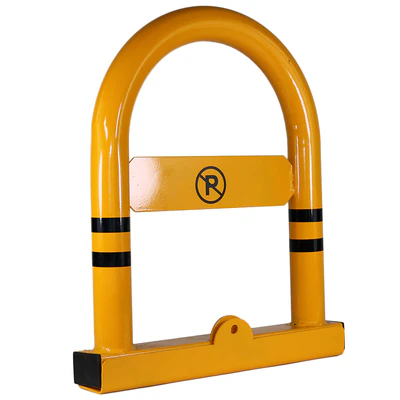
They are used to physically delineate the yard and prevent unauthorised persons from accessing it.
Warning lamps
Ensures visibility under fog, rain or night conditions.
The difference between permanent and temporary signalling
Permanent road signs shall be intended for continuous use and shall regulate traffic in a normal manner.
Instead, temporary signalling is only installed during work and may temporarily modify traffic rules by speed limits, deviations or access restrictions.
This should be located so that it is easily observed and does not create confusion with the permanent indicators.
Frequent errors in reporting work
Among the most common problems are:
- too late the location of the indicators;
- the use of damaged equipment;
- lack of reflective elements;
- insufficient delineation of the yard;
- inadequate lighting during the night;
- use of an insufficient number of cones or barriers.
These errors can reduce the effectiveness of signalling and may increase the risk of accidents.
How do you choose the right equipment to signal your work?
Before purchasing it is recommended to analyse:
- type of work;
- the duration of the project;
- traffic intensity;
- weather conditions;
- the visibility of the area;
- the applicable legislative requirements;
- the size of the area to be demarcated.
For complex projects, the use of a combination of indicators, beacons, barriers and light systems is recommended.
Professional advice
Specialists recommend:
- periodic verification of the condition of equipment;
- immediate replacement of damaged items;
- use of certified products;
- compliance with the signalling plan;
- adaptation of the signaling to the evolution of the work;
- the location of equipment so that it is visible from time.
Real example of use
Asphalting works
Cones and beacons redirect traffic and temporary indicators inform drivers about speed reduction.
Interventions on utility networks
Barriers and mobile fences prevent access to the digging area and protect workers.
Works in parks or commercial spaces
Cones and delimiting bands allow activities to be carried out without complete blocking of access.
Recommendations
For efficient signalling, the use of durable, certified and work-type-adapted equipment is recommended. Combining temporary indicators with barriers, cones and warning lamps provides a higher level of protection and helps to carry out the work under optimal conditions.
Conclusion
Reporting of work represent a key investment in safety, regardless of the size of the project. Clear delimitation and effective warning reduce risks for drivers, pedestrians and workers, facilitate the conduct of activities and contribute to compliance with road safety rules. Choosing professional equipment and setting it up correctly are important steps in preventing incidents and in the efficient organisation of traffic in working areas.
BENEFICII COMERCIALE
- Reducing the risk of accidents in work areas.
- Increasing the safety of workers and traffic participants.
- Rapid and efficient delineation of the yards.
- Compliance with road safety requirements.
- Excellent visibility day and night.
- Wear resistant products and difficult weather conditions.
- Installation and rapid relocation.
- Reduced maintenance costs.
- Effective traffic organisation.
- Professional image for the company that performs the works.
FAQ
1. What is the signaling of the works?
It is the system of indicators, cones, barriers and beacons used to warn and delineate areas where work is carried out.
2. Why is signaling a yard important?
Because it reduces the risk of accidents and protects both workers and traffic participants.
3. What equipment is used most frequently?
Signaling cones, temporary indicators, barriers, mobile fences, beacons and warning lamps.
4. Who is responsible for signaling the works?
The worker and the road manager, in accordance with the applicable legislation.
5. Can signalling equipment be reused?
Yes, if they are properly maintained and do not present any deterioration affecting their visibility or stability.
6. What is the difference between temporary and permanent indicators?
Temporary indicators are used only during work and have priority when changing traffic rules.
7. How do I choose the right signal cones?
Depending on the speed of movement, the necessary visibility, height and conditions of use.
8. Are the reflector elements mandatory?
Yes, in particular for work carried out at night or under reduced visibility.
Reporting of work is essential for the protection of drivers, pedestrians and workers. The correct use of temporary indicators, cones, beacons and barriers reduces the risk of accidents, efficiently organises traffic and contributes to the safe conduct of work.