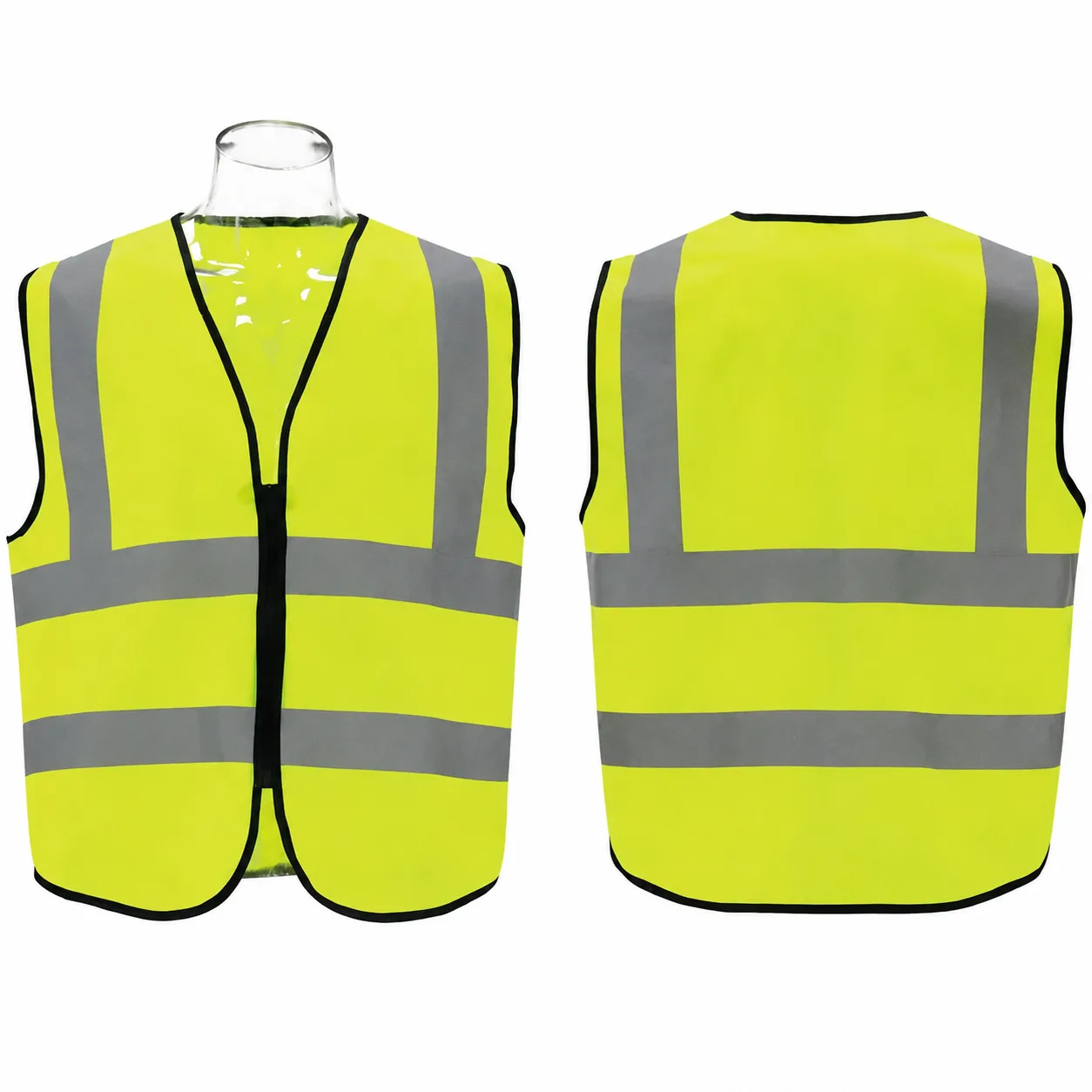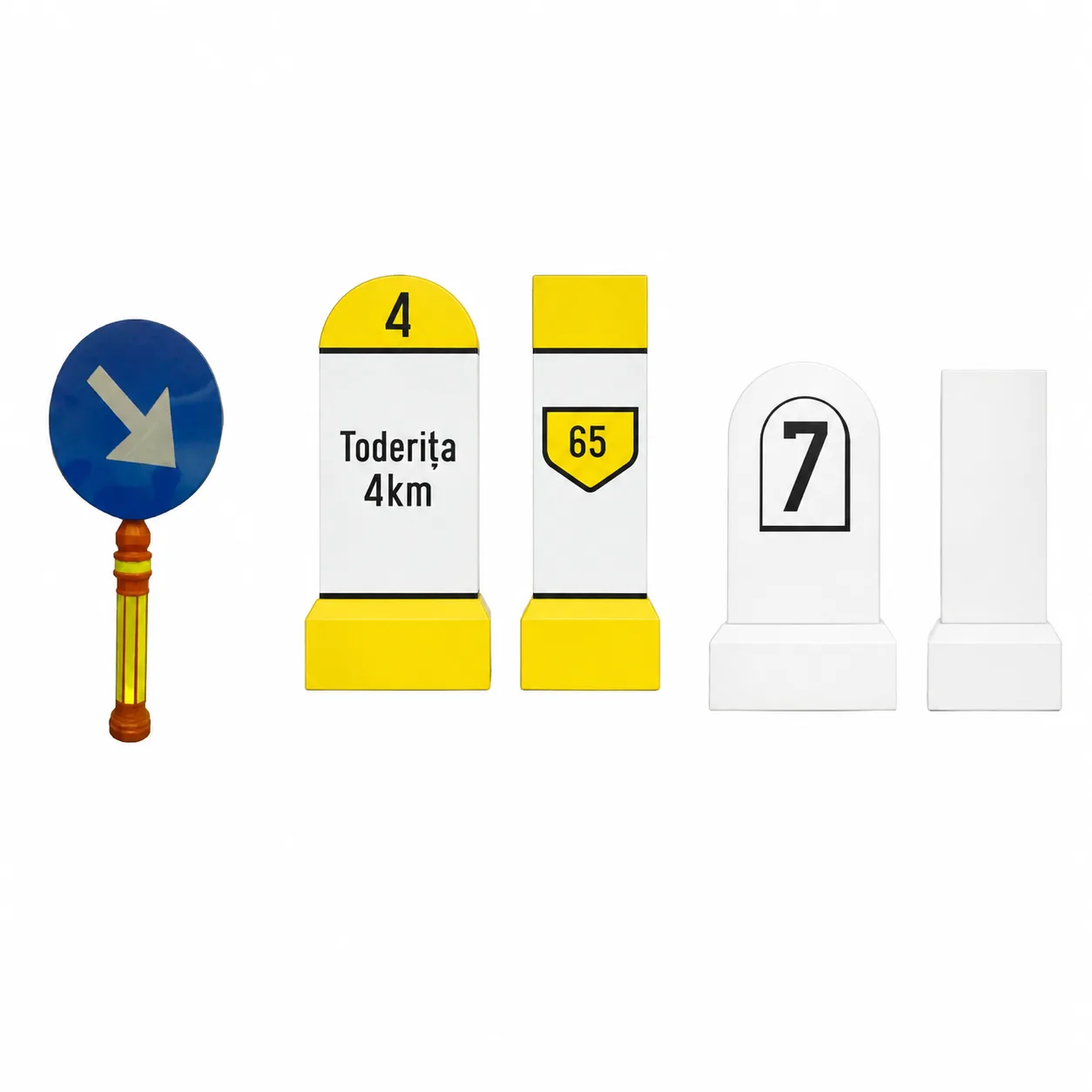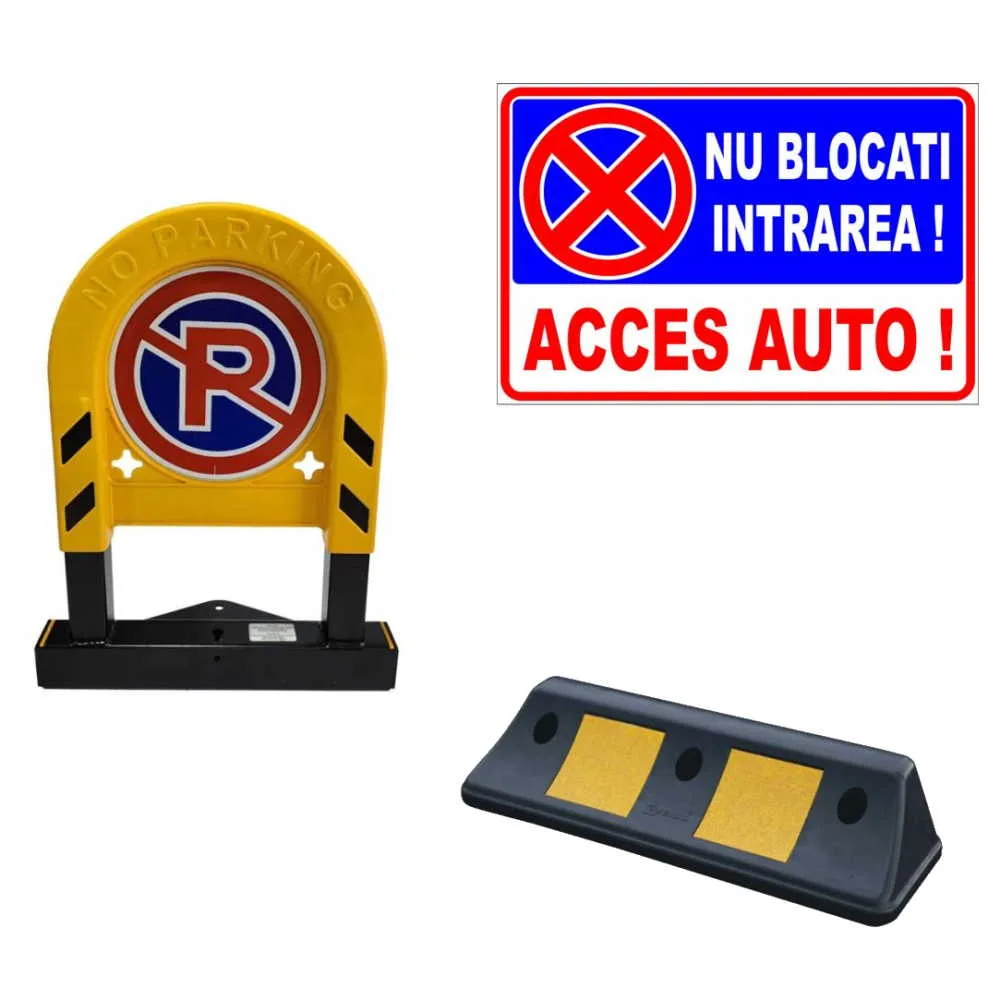
Pedestrian traffic guidance
Pedestrian traffic guidance shall bring together measures and equipment whereby persons are safely directed to public spaces, yards, parking lots or commercial areas. Correct planning reduces the risk of accidents, fluidizes traffic and provides a safer experience for all users.
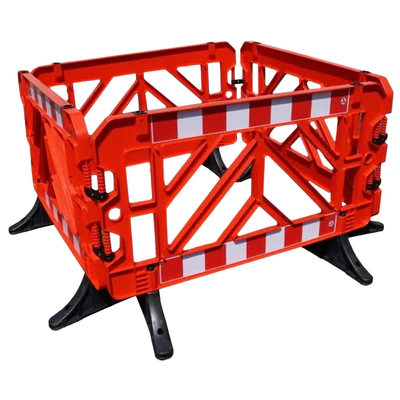
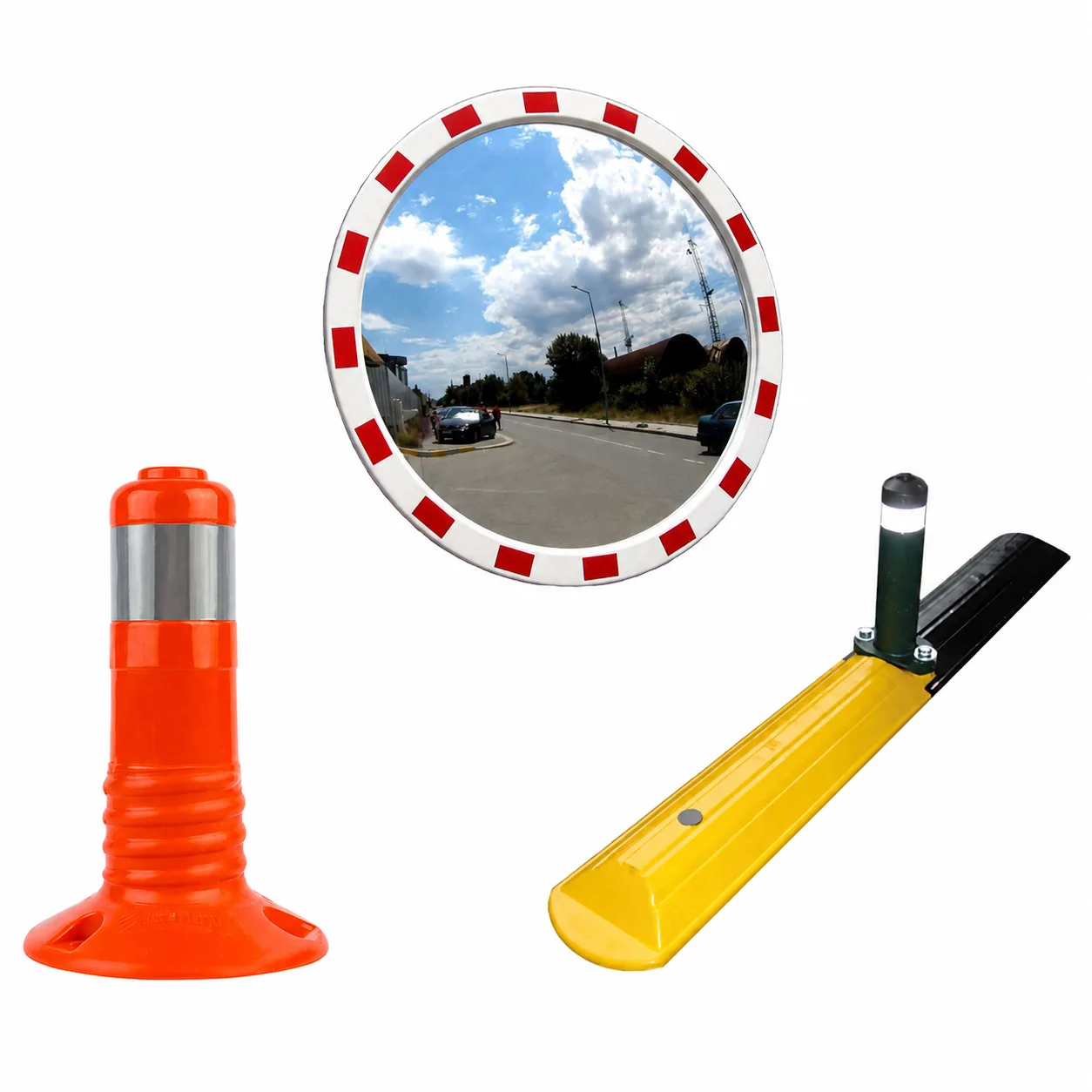
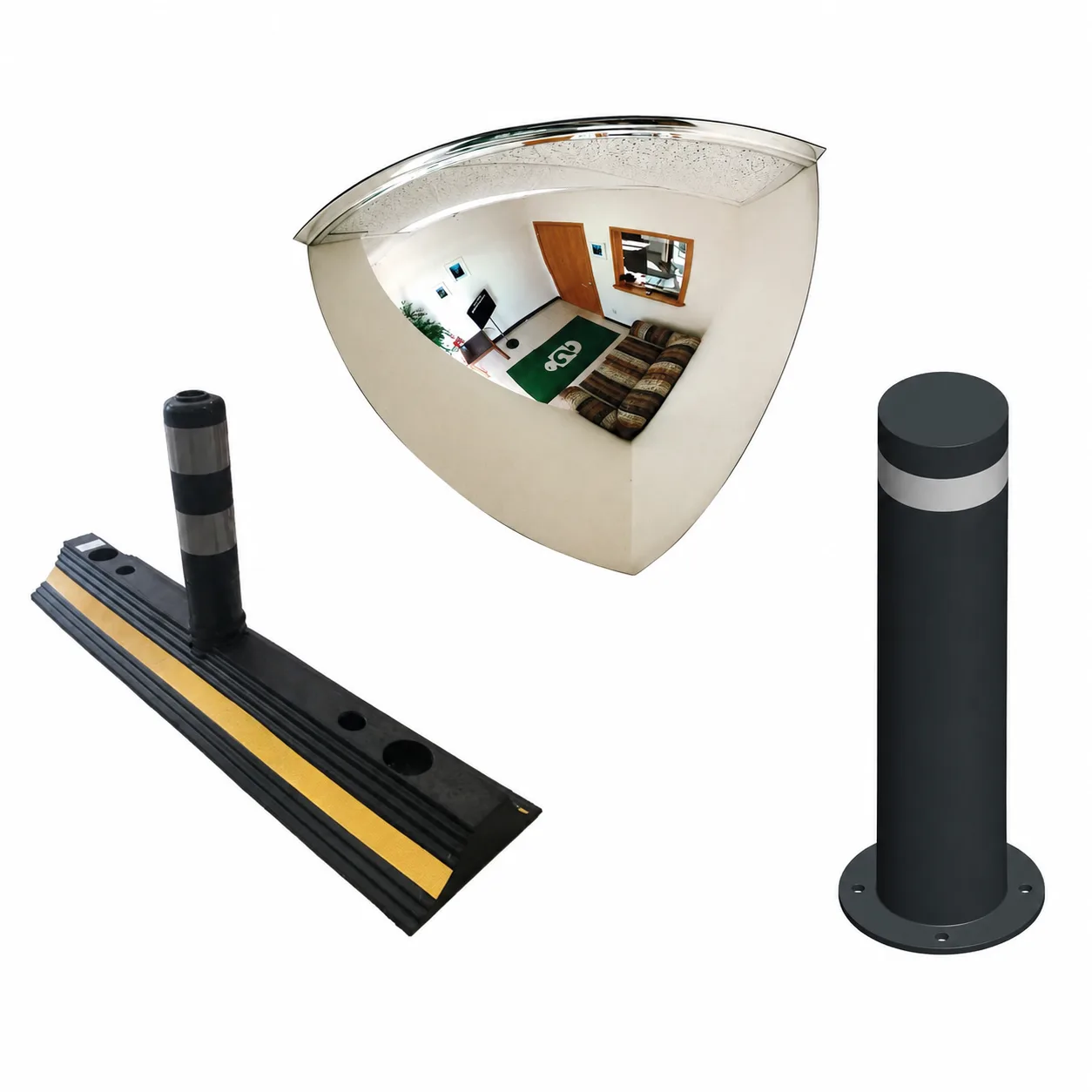
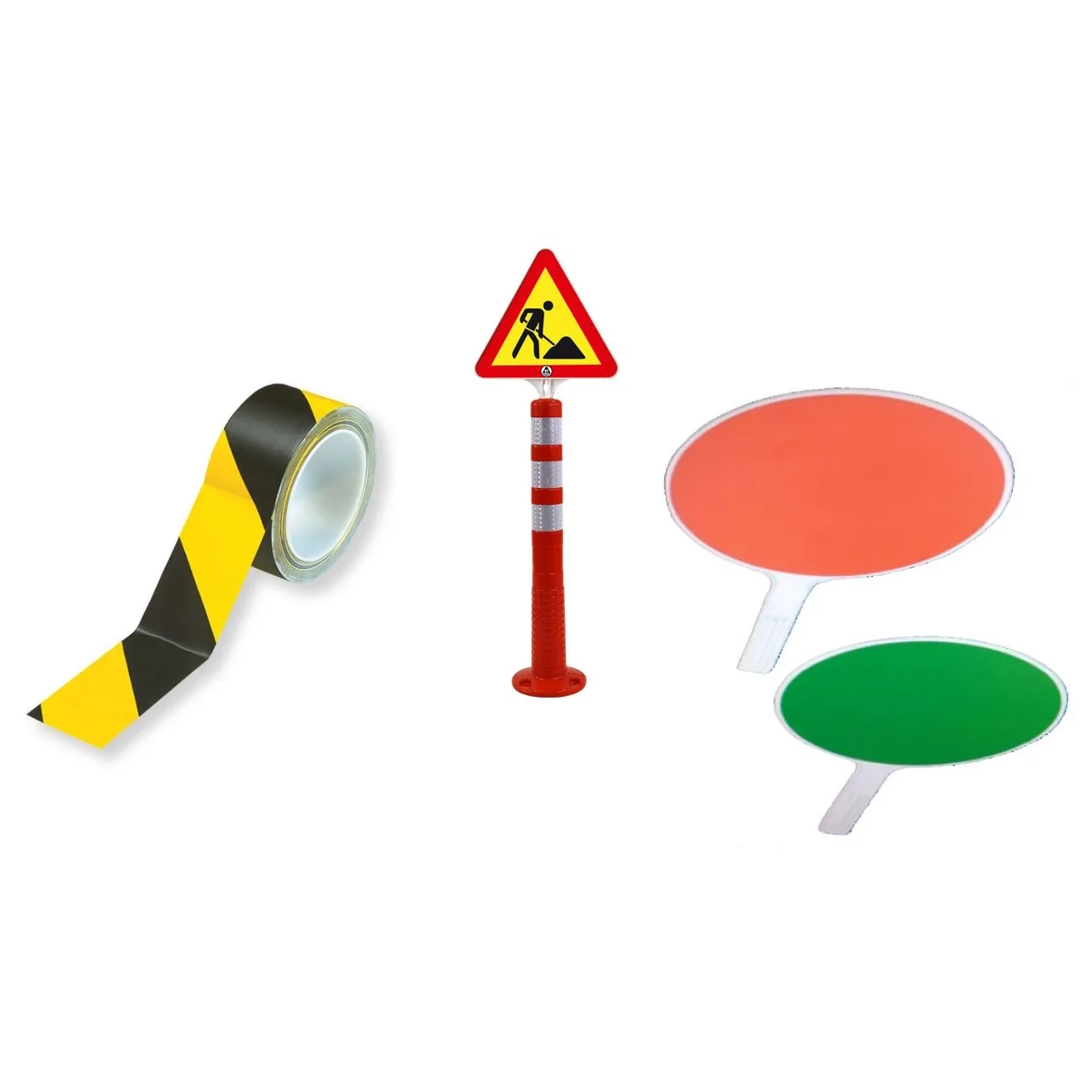
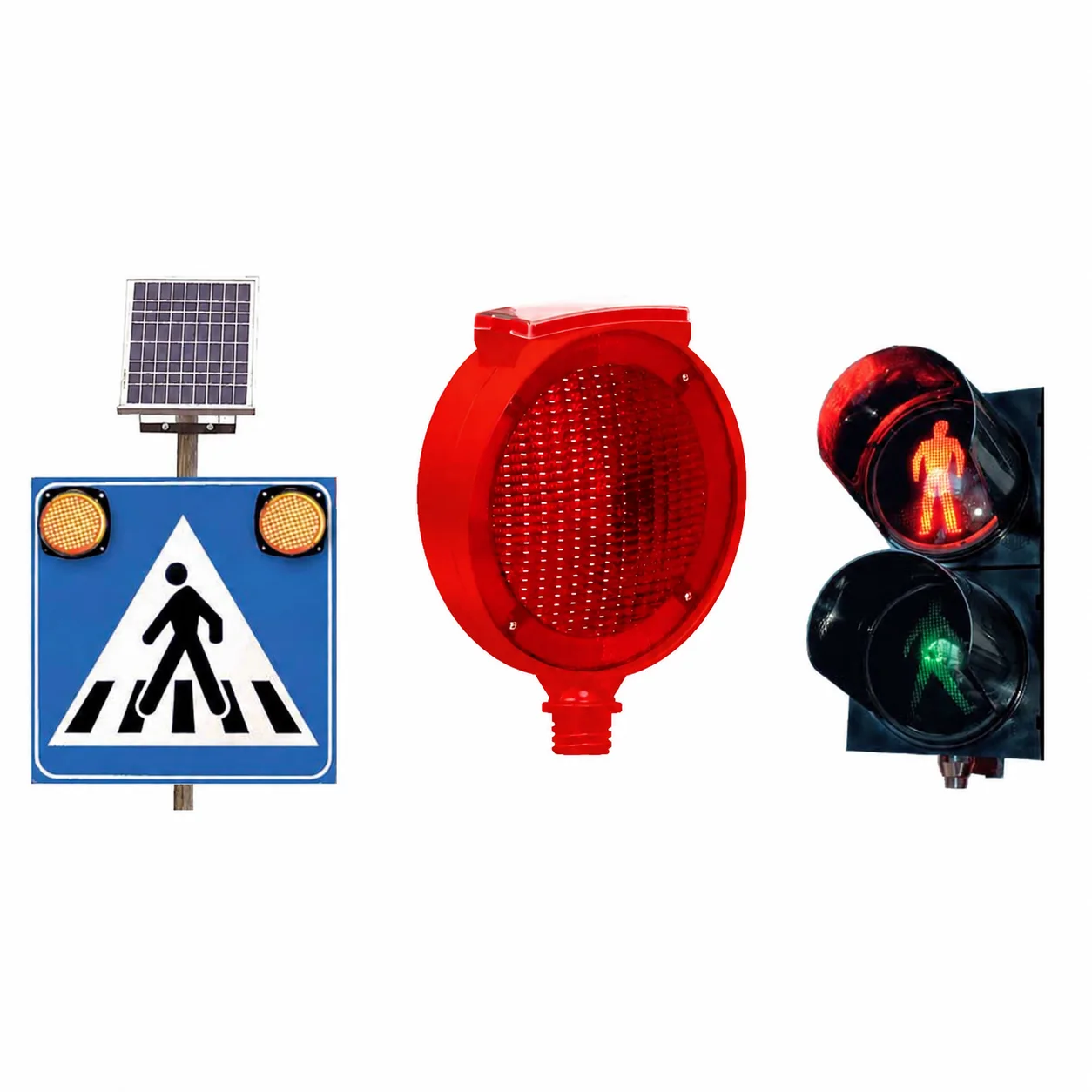
In short: mobile fences, retractable taped poles, cones, beacons, panels and ground markings, in temporary or permanent variations.
Do you need help choosing?
Tell us what you need and we'll send you the offer on the same working day.
Mobile solutions, such as fences and cones, which offer flexibility, are suitable for construction sites and temporary access restrictions. In shopping centers and institutions, retractable taped pillars, panels and floor markings create clear lines and provide a professional image. Regardless of the solution, the maintenance of equipment maintains the visibility and stability of the system, and careful planning of routes helps to meet safety requirements.
The orientation of pedestrian traffic contributes to the safety of people by effectively delineating, signalling and guiding in areas of risk or intense traffic.
Orientation of pedestrian traffic This appropriation is intended to cover expenditure relating to the implementation of the European Union's external action programme for the period from 1 January 2014 to 31 December 2020. Proper planning reduces the risk of accidents, optimizes traffic and provides a safer experience for all users.
Orientation of pedestrian traffic is an essential element in the safe management of spaces in which a large number of people circulate. Whether we are talking about construction sites, shopping centres, public institutions, events, parks or crowded urban areas, an efficient organization of pedestrian flows reduces accidents, prevents blockades and provides a safer experience for all participants.
In this guide you will find out what pedestrian traffic orientation means, what solutions exist, how you choose the right equipment and what are the recommendations of specialists to implement an effective steering and signalling system.
What is pedestrian traffic orientation?
Orientation of pedestrian traffic is the process through which the movement of persons is organised and directed so that the movement is safe, fluid and easy to understand.
This includes the use of elements such as:
- Delimiting fencing
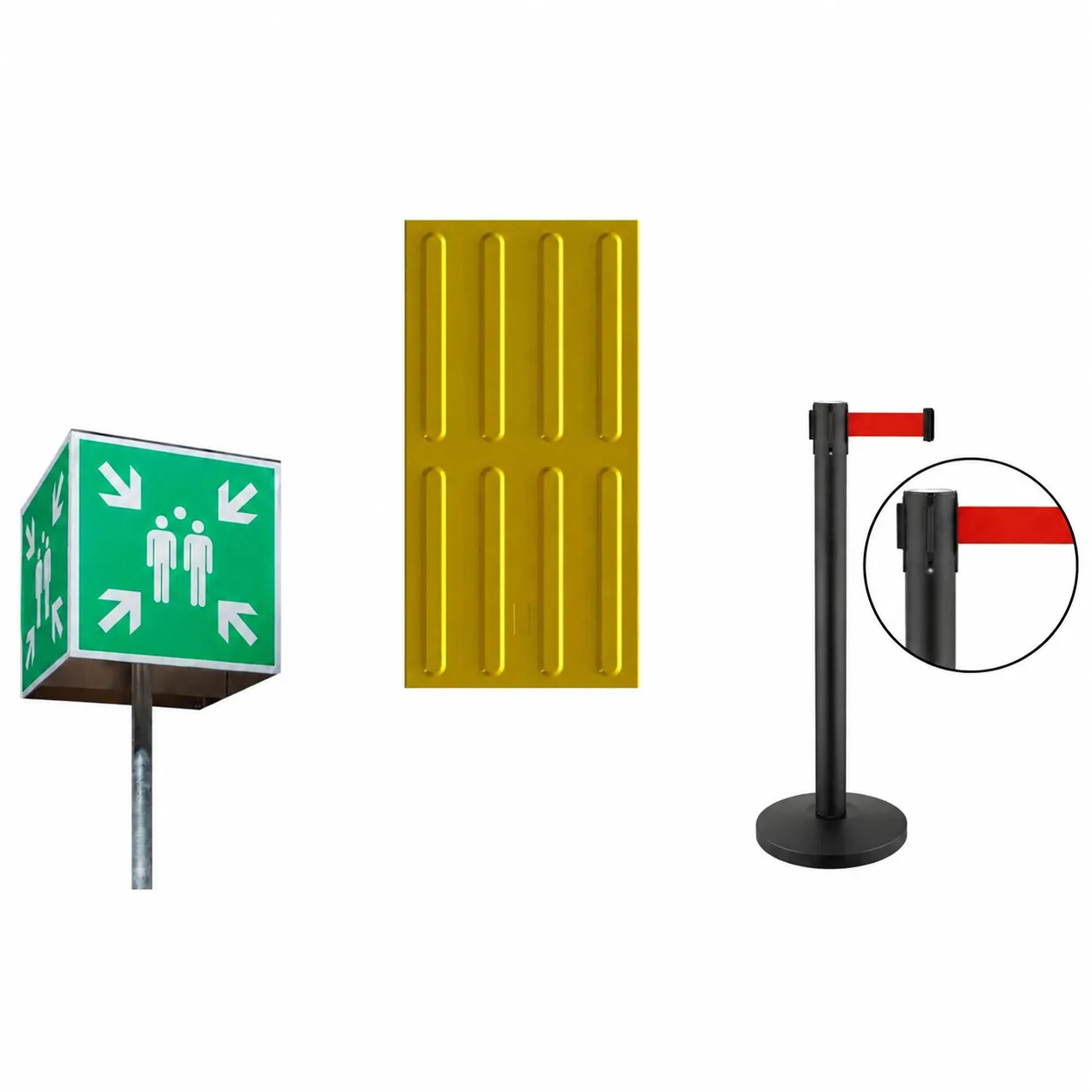
- posts with retractable tape
- tags and traffic cones
- Information panels
- temporary indicators
- guidance strips
- Pedestrian marking
- traffic separators
The main aim is to reduce the conflicts between pedestrians and vehicles and to create intuitive routes.
How does pedestrian traffic orientation work?
An efficient system starts with space analysis and identification of points where risks may arise.
Depending on the location, the following shall be established:
- travel paths;
- access and evacuation routes;
- restricted areas;
- crossing points;
- protection barriers;
- temporary or permanent alerting.
The elements used shall be visible, stable and located so that users quickly understand the correct direction of movement.
Why is it important to focus pedestrian traffic?
Unorganized traffic can lead to accidents, delays and dangerous situations, especially in areas with mixed traffic.
Among the most important benefits are:
- increasing pedestrian safety;
- reducing the risk of accidents;
- the efficient organisation of human flows;
- protection of working areas;
- compliance with the rules on safety and health at work;
- improving the experience of visitors.
In commercial spaces, a well-thought-out orientation also contributes to smoothing access and reducing congestion.
The advantages of a fair organisation
The implementation of a professional guidance system brings benefits to both administrators and users.
Increased safety
Clear delineation of routes reduces the possibility of incidents.
Fluent circulation
People get to the destination faster without unnecessary intersections.
Flexibility
Temporary solutions allow rapid spatial reorganization as needed.
Professional image
A well-organized space conveys seriousness and care for the safety of users.
Compliance with legislation
The appropriate marking and delimitation shall contribute to compliance with the requirements of traffic security and the protection of persons.
Types of solutions for pedestrian traffic guidance
There are many variations adapted to the different fields of activity.
Mobile fences
Recommended for:
- construction site;
- events;
- temporary works;
- industrial zone.
They quickly delineate the pedestal routes.
With retractable taped pillars
Use frequently in:
- airports;
- banks;
- institutions;
- magazine;
- recepții.
Allow the organization of queues and guiding visitors.
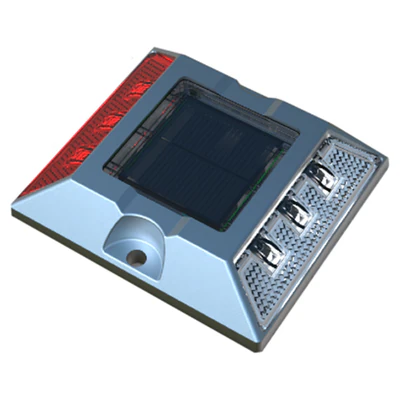
Cones and beacons
I'm ideal for:
- parking spaces;
- temporary interventions;
- road works;
- restriction of access.
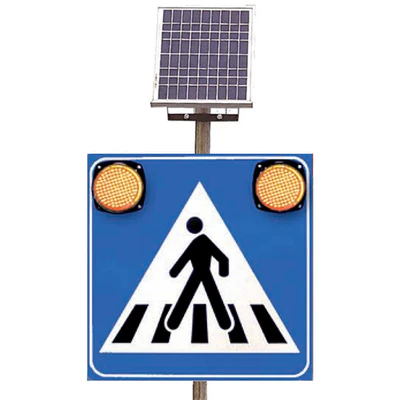
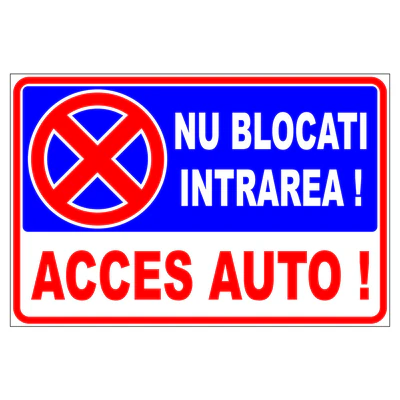
Panels and indicators
Provides clear information on:
- the direction of movement;
- exits;
- access prohibited;
- danger zones.
Marking the Sun
It contributes to intuitive orientation and is very efficient in spaces with intense traffic.
Temporary vs. Permanent Pedestrian Orientation
Temporary solutions
They are used for:
- construction site;
- events;
- maintenance work;
- rapid interventions.
The main advantage is mobility.
Permanent solutions
They meet in:
- hospitals;
- airports;
- universities;
- commercial centres;
- public institutions.
They are integrated into space infrastructure and require sustainable materials.
Common errors
Even the best equipment can become inefficient if used incorrectly.
The most common mistakes are:
- lack of analysis of pedestrian flow;
- insufficient indicators;
- too narrow a route;
- defective placement of the fences;
- hard to observe signalling;
- lack of lighting during the night;
- non-updating of routes after modification of the yard.
How do you choose the right solution?
The selection depends on several factors.
It is recommended that you consider:
- the estimated number of pedestrians;
- duration of use;
- the type of activity;
- weather conditions;
- the space available;
- the level of risk;
- the necessary visibility;
- equipment resistance.
The combination of several demarcation and signalling solutions is recommended in areas with intensive traffic.
Professional advice
Specialists recommend:
- a running plan prior to installation;
- periodic verification of equipment;
- the use of outdoor reflecting materials;
- the location of the indicators at the optimum height for visibility;
- adaptation of routes according to changes in the terrain;
- maintaining permanent escape routes free.
An effective solution must be simple, intuitive and easy to follow.
Real example of use
Construction construction
Clear separation of machine pedestrians significantly reduces the risk of accidents.
Shopping Centre
The guidance systems organise the queues and fluidize access during busy periods.
Event
Mobile guards and retractable bands allow crowd control and delimitation of VIP or technical areas.
Parking spaces
Markings and markings shall direct pedestrians to safe passes and exits.
Public institutions
Clear signage facilitates the orientation of visitors and reduces the time spent identifying the destination.
Recommendations
For optimal results, the use of certified and durable equipment adapted to the type of traffic and the conditions of use is recommended.
A complete solution includes:
- physical delimitation;
- visible signaling;
- intuitive marking;
- clear information;
- regular maintenance.
This ensures a safe, efficient and user-friendly system in the long term.
Conclusion
Orientation of pedestrian traffic is a key factor for the safety and efficient organisation of any space in which people move. Whether it's a yard, a shopping center, a public institution or an event, choosing appropriate delimitation and signalling solutions reduces risks, optimizes traffic and improves user experience. Careful planning and use of appropriate equipment is investments that contribute to the protection of people and the smooth conduct of activities.
BENEFICII COMERCIALE
- Reducing the risk of pedestrian accidents.
- Effective organisation of traffic flows.
- Compliance with safety and protection requirements.
- Rapid implementation for temporary or permanent projects.
- Adaptation to different types of spaces and activities.
- Improving the experience of visitors and employees.
- Increased operational efficiency.
- Modular solutions, easy to extend and reconfigure.
- Reduced costs generated by incidents and blockades.
- Professional and responsible image.
FAQ
What is the orientation of pedestrian traffic?
It is the process of organizing and directing the movement of persons by delineation, signalling and indicators to increase safety.
Where is pedestrian traffic to be oriented?
In yards, parks, institutions, airports, shopping centers, factories, hospitals and events.
What equipment are used?
Mobile fences, retractable tape posts, beacons, cones, information panels, markings and separators.
What are the main benefits?
Reduction of accidents, fluidisation of traffic, efficient organisation and compliance with safety rules.
How do I choose the right solution?
Depending on the number of users, the duration of use, the level of risk and the specific location.
Are different solutions needed for indoors and outdoors?
Yeah. Weather resistant and high visibility materials are recommended for outdoor use.
When is temporary signaling required?
During construction work, interventions, events and temporary access restrictions.
Why is maintenance of equipment important?
In order to maintain the visibility, stability and efficiency of the guidance system over time.
Orientation of pedestrian traffic involves the use of delineation, signalling and guidance solutions for the safe movement of persons. Choosing the right equipment and correct route planning reduces risks, optimizes circulation and contributes to meeting safety requirements in any type of space.