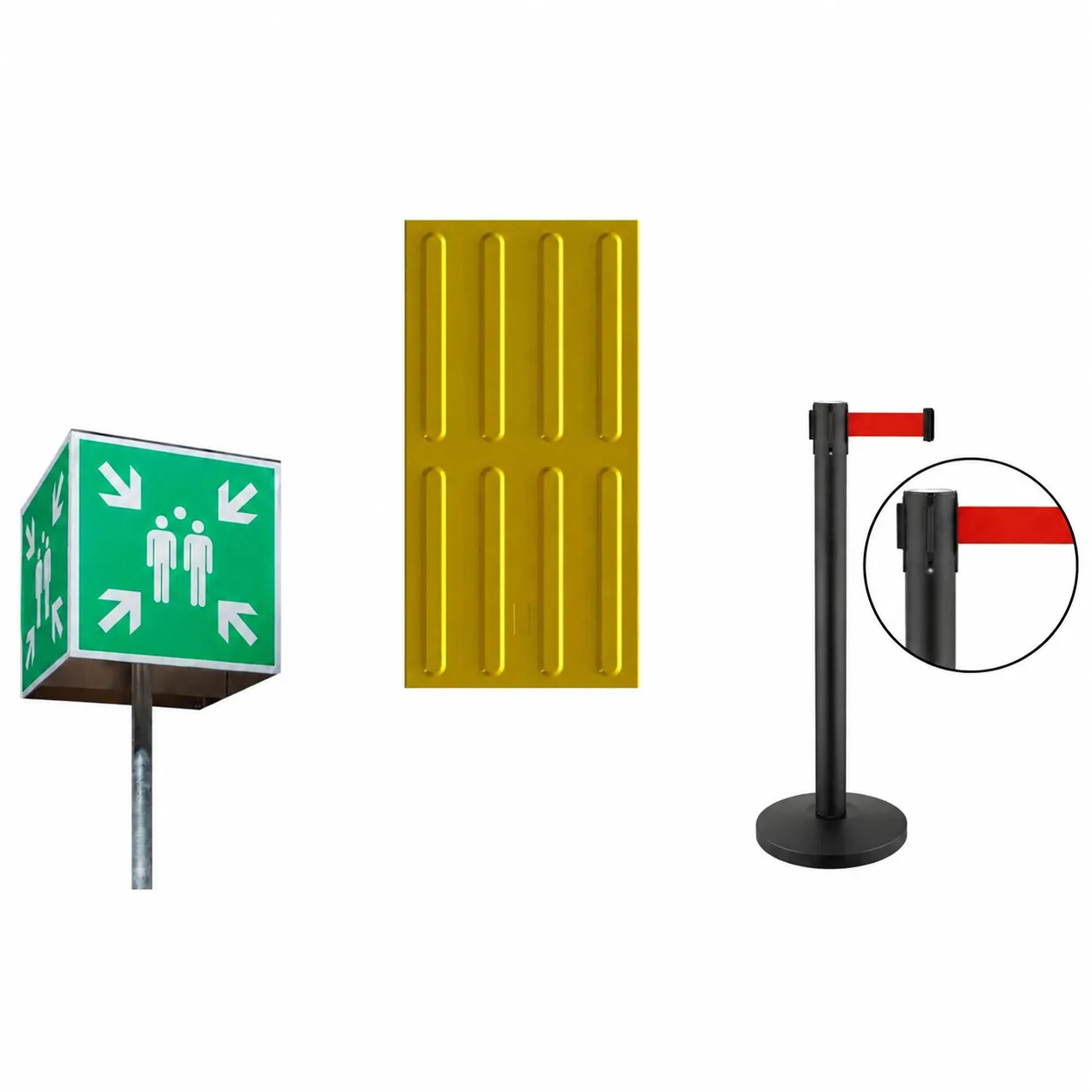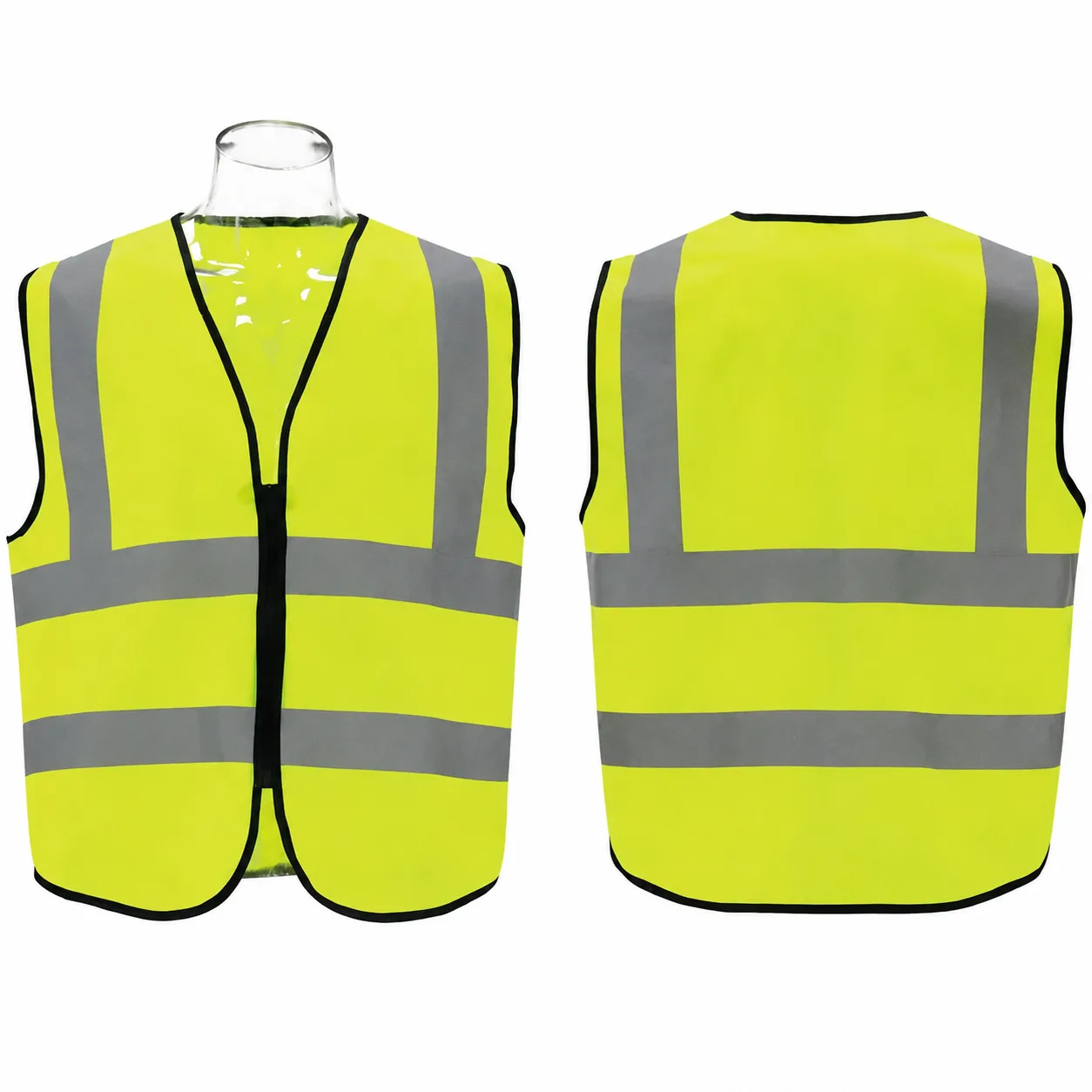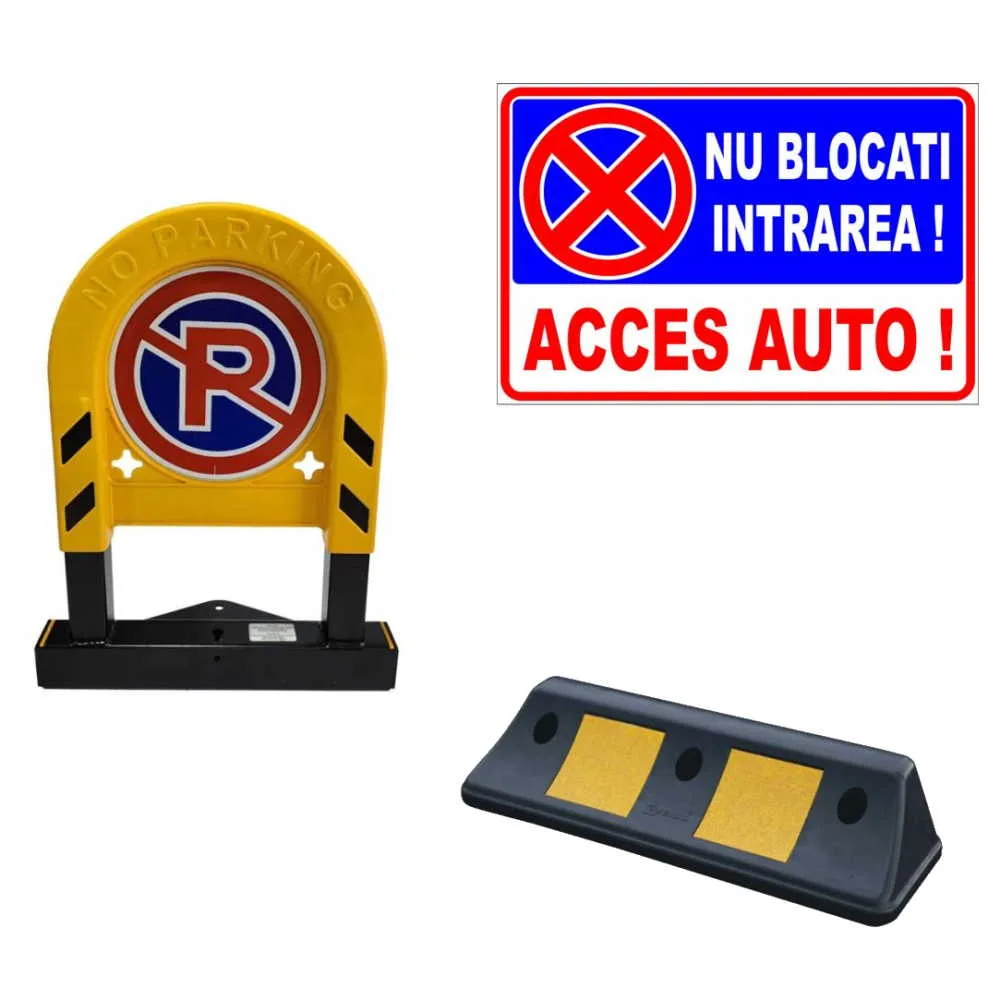
Vertical signage
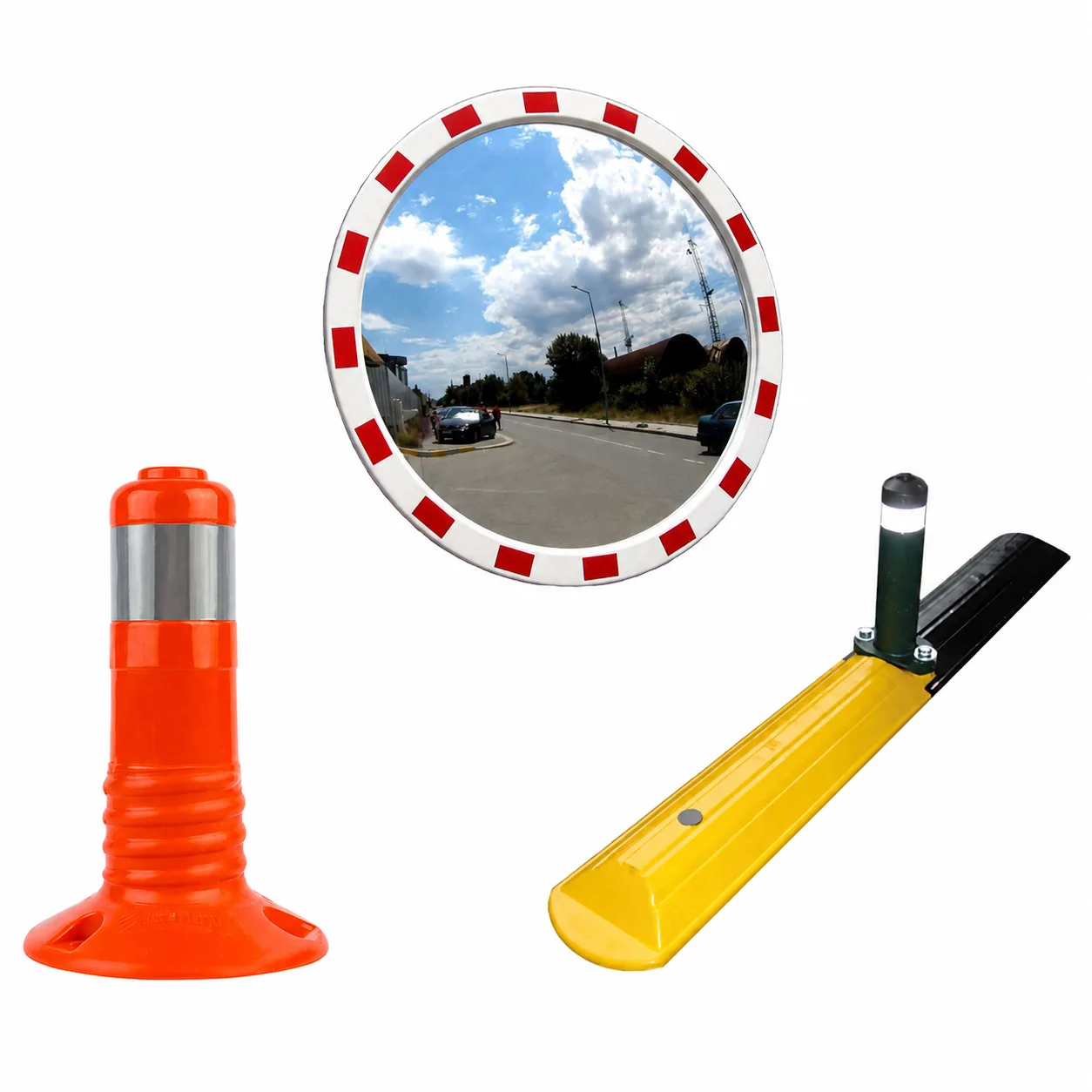
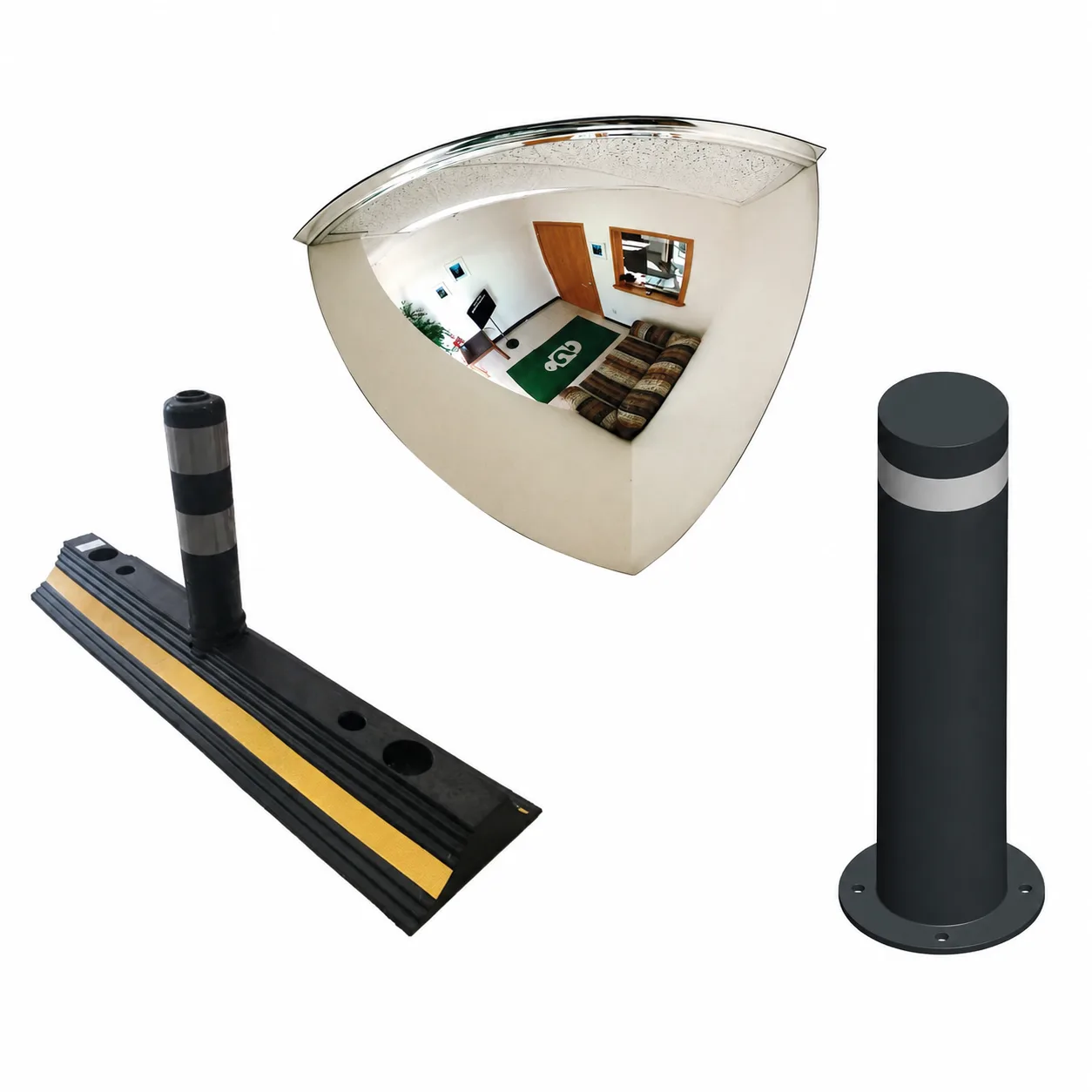
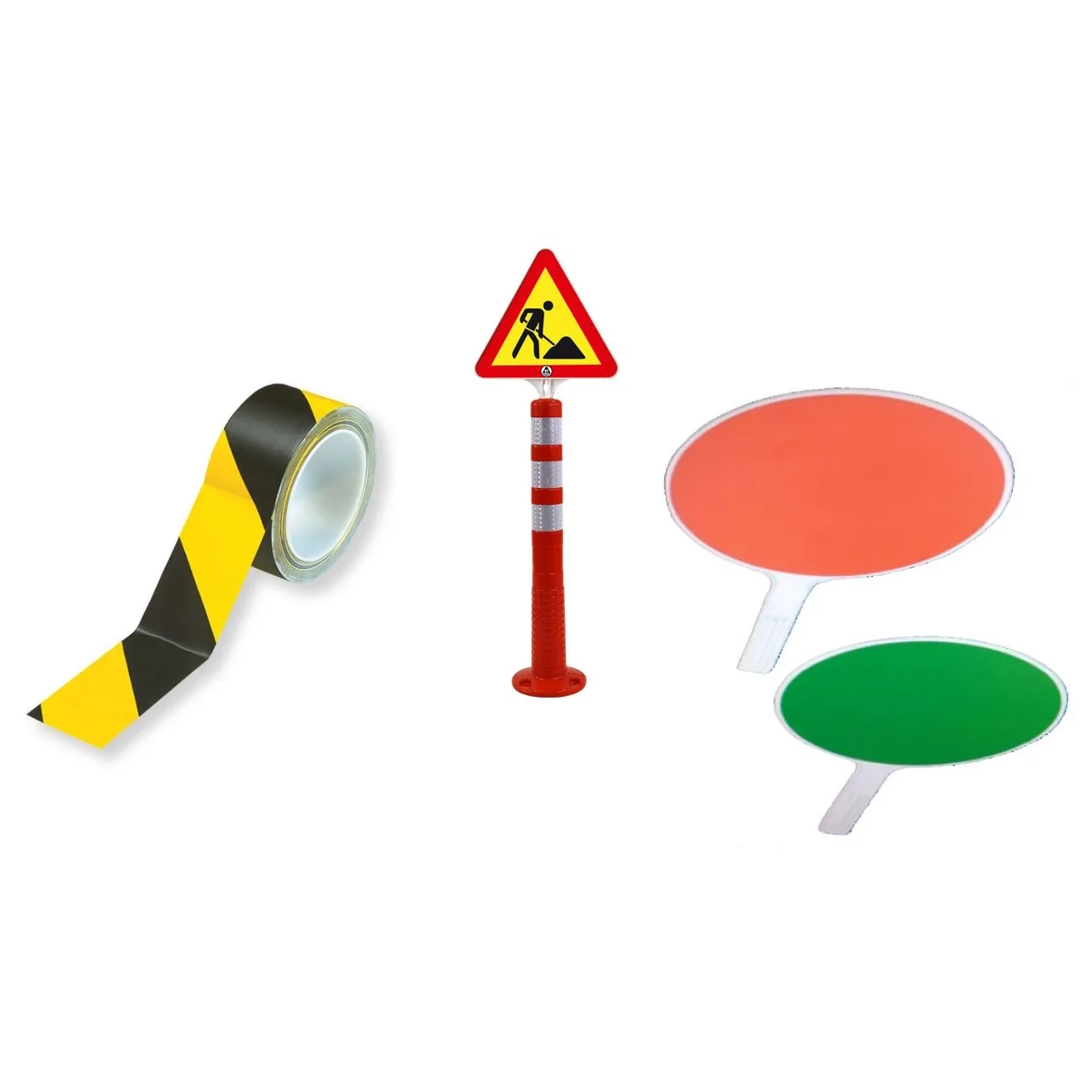
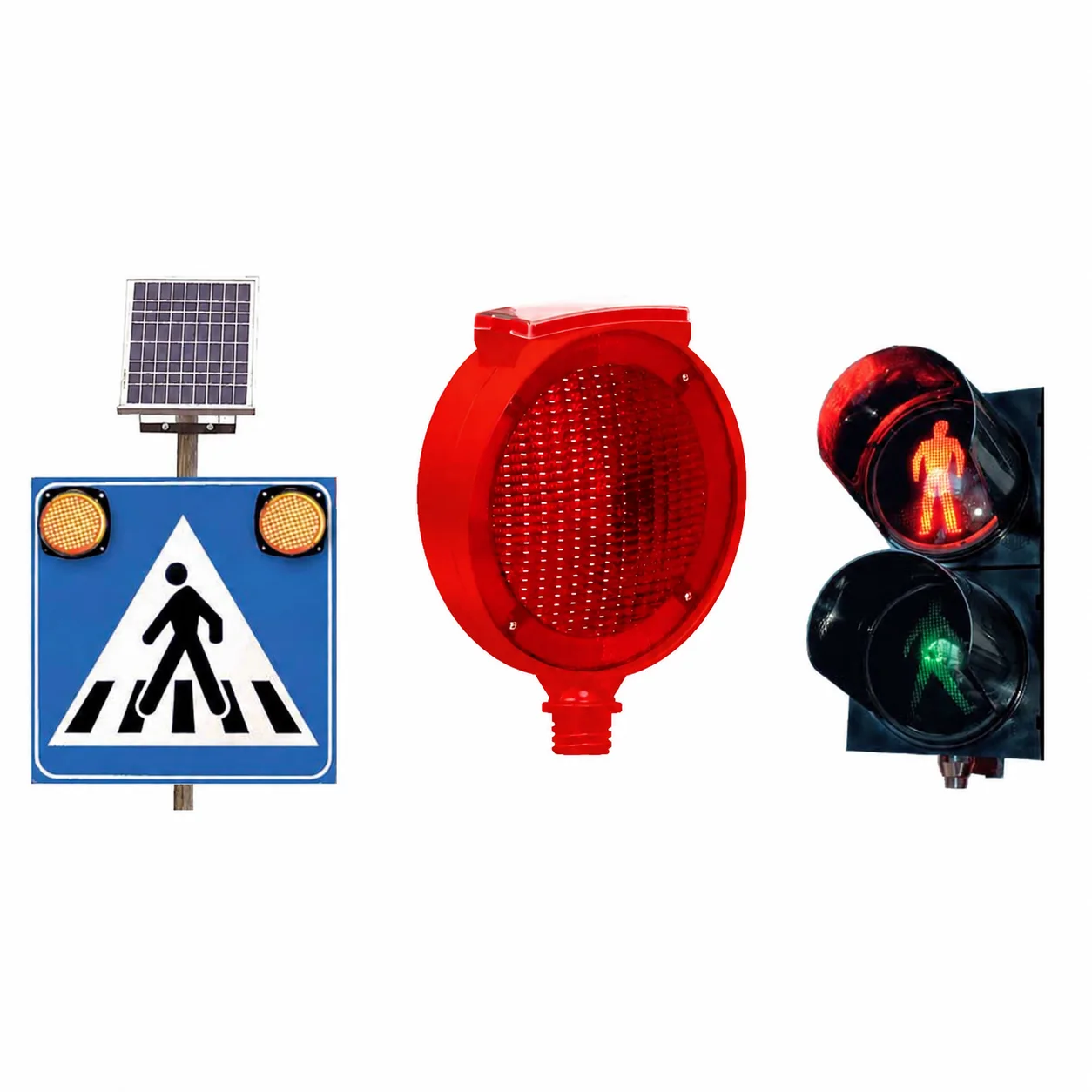
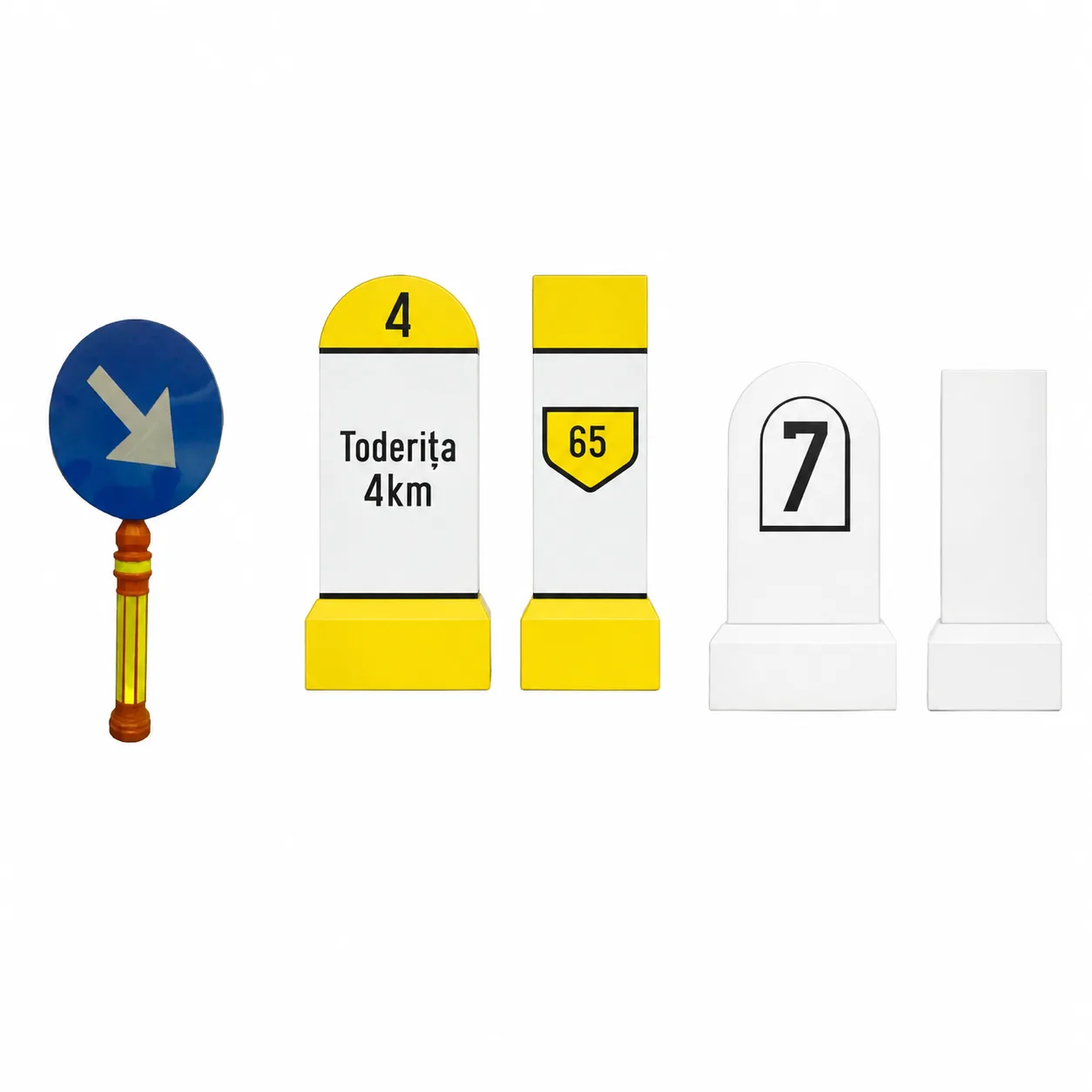
The vertical signal shall include the signs and devices mounted above the carousel or on the roadside, which informs, warns and regulates traffic. Rightly designed, it increases road safety, reduces the risk of accidents and helps guide drivers, cyclists and pedestrians.
In short: warning, regulatory, priority, guidance and information indicators chosen after the type of road and project requirements.
Do you need help choosing?
Tell us what you need and we'll send you the offer on the same working day.
For efficient vertical signalling, the conformity products, correct location and periodic maintenance shall be counted. The reflective sheet shall be chosen according to the requirements of the design and the indicators shall be replaced when damaged, are no longer legible or comply with the visibility standards. In addition to public roads, the vertical signal is also used in parking lots or other areas where traffic flows.
Vertical signalling ensures traffic orientation and safety. Discover the types of indicators, uses and criteria for the correct choice.
Vertical signalling represent the whole of the indicators and devices mounted above the level of the carousel or on the roadside to inform, warn and regulate traffic. Properly designed vertical signalling increases road safety, reduces the risk of accidents and facilitates the targeting of all traffic participants.
Vertical signalling is one of the most important elements of modern road infrastructure. Road indicators shall provide essential information to drivers, cyclists and pedestrians, contributing to safe and efficient traffic.
Whether it's national roads, highways, urban streets, private parking lots or industrial platforms, well-designed vertical signalling facilitates orientation, warns about hazards and establishes traffic rules. In this guide you will find out what vertical signalling means, how it works, which are the main categories of indicators, what standards must be respected and what aspects matter when choosing the right solutions for a road project.
What is vertical signaling?
Vertical signalling represent the totality of road signs and information devices located on posts, consoles or other support structures visible to traffic participants.
Their role is to provide rapid information on:
- Regulation of movement;
- hazard warning;
- Road orientation;
- traffic restrictions;
- priority in intersections;
- Addresses and destinations.
Unlike the markings applied on the roadway, the vertical signal remains visible and when the road is covered with water, snow or other deposits.
How does vertical signalling work?
The efficiency of vertical signalling is based on a few simple principles:
- the information must be observed in time;
- the symbols must be instantly recognised;
- the message must be understood unambiguously;
- the indicators shall be located at distances calculated according to the speed of movement.
For visibility at night, most indicators are made of materials retroreflector, which reflects the light of the headlights to the driver.
Why is vertical signaling important?
A road infrastructure without adequate indicators can cause confusion, delays and accidents.
Vertical signalling shall contribute to:
- reducing the number of accidents;
- rapid traffic orientation;
- compliance with speed limits;
- the flow of traffic;
- protection of pedestrians;
- the organisation of the yards;
- the delimitation of hazardous areas;
- increasing safety in parking lots and industrial premises.
In many situations, a properly mounted indicator can prevent costly incidents and can improve the experience of all traffic participants.
Advantages of vertical signalling
The implementation of high-quality vertical signalling offers many benefits:
- High visibility under any conditions;
- long duration of use;
- reduced maintenance;
- compliance with road legislation;
- intuitive orientation;
- reduction of traffic errors;
- increase in safety level.
Modern materials are resistant to UV radiation, extreme temperatures and precipitation, maintaining long-term readability.
Types of vertical signalling
Depending on their role, the indicators are divided into several categories.
Warning signs
I draw attention to a danger.
Example:
- dangerous curve;
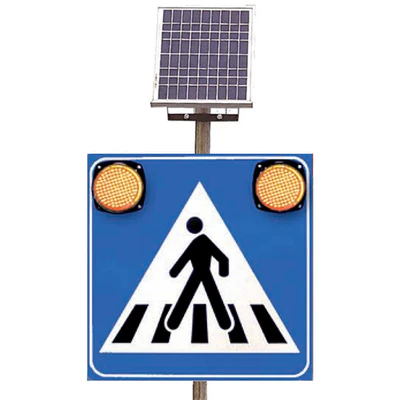
- passage for pedestrians;
- the slippery path;
- lucrări.
Regulatory indicators
I make binding rules.
Example:
- speed limitation;
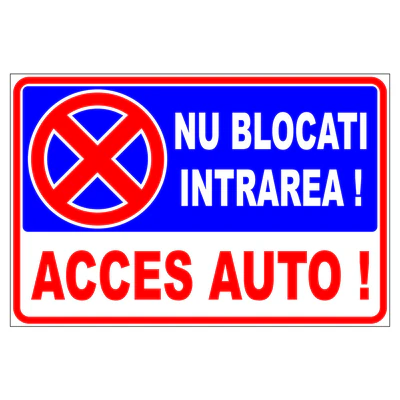
- prohibited access;
- stop-off;
- unique sense.
Priority signs
It regulates the right of passage.
Example:
- STOP;
- Give way;
- I'm on my way.
Direction signs
Helps traffic participants identify directions and destinations.
These include:
- localities;
- motorways;
- airports;
- hospitals;
- tourist objectives.
Information indicators
Please provide useful information on the services available.
Example:
- parking;
- petrol;
- hotel;
- electric charging station.
The difference between vertical and horizontal signals
Although they work together, the two systems have different roles.
| Vertical signage | Road markings |
|---|---|
| Post-mounted indicators | Markings applied on the roadway |
| Visible and when the carousable is covered | May be affected by wear or snow |
| Provides information and rules | Guide position on roadway |
| Includes indicators and panels | Includes lines, arrows and symbols |
Together they form a complete system of movement organisation.
Frequent errors in vertical signalling design
The most common problems are:
- too late the location of the indicators;
- assembly at inadequate heights;
- the use of insufficient dimensions;
- the choice of a wrong class of reflective leaflets;
- the lack of regular maintenance;
- vegetation that is conspicuous;
- use of damaged indicators.
These errors reduce the efficiency of signalling and may compromise road safety.
How do you choose vertical signal correctly?
For an efficient project, it is recommended to analyse:
Road Type
- urban road;
- the county road;
- national road;
- motorway;
- Private road.
Traffic level
The intensity of the movement shall influence the size and visibility of the indicators.
Climate conditions
Areas with fog, snow or night traffic require high performance reflective materials.
Compliance with standards
The products must comply with the applicable legislation and technical rules.
Professional advice
Specialists recommend:
- the choice of certified indicators;
- use of quality retro-reflective sheets;
- regular verification of visibility;
- rapid replacement of damaged indicators;
- a signaling project is carried out before installation.
Proper planning reduces costs and increases the efficiency of the entire road system.
Example of use
Vertical signaling is used in many areas:
- public roads;
- commercial parking;
- logistics centre;
- construction site;
- airports;
- industrial zone;
- university campuses;
- residential assemblies;
- private platforms;
- commercial spaces.
In each of these situations, indicators contribute to the organisation of movement and to risk reduction.
Recommendations
When implementing a vertical signalling project:
- carry out an analysis of traffic flows;
- use certified products;
- comply with the location distances;
- periodically check the status of the indicators;
- adapt solutions to the specifics of each location.
The investment in a quality signal is reflected in safety, compliance and reduced maintenance costs.
Conclusion
Vertical signalling is an indispensable element for any modern road infrastructure. By choosing the right indicators, complying with standards and correct assembly, a safer, more efficient and easier to use circulation system is achieved. Whether the project is for a public road, a parking lot or an industrial platform, well-planned vertical signalling contributes to accident prevention and clear guidance for all traffic participants.
Commercial benefits
- Reducing the risk of accidents and incidents.
- Compliance with legal requirements and technical rules.
- Increased visibility and traffic orientation.
- Long term operation due to the resistant materials.
- Reduced long-term maintenance costs.
- Effective organisation of movement in public and private spaces.
- Improve image of residential, commercial and industrial projects.
- Adaptation of solutions to the requirements of each project.
FAQ
What is vertical signaling?
It is a system consisting of indicators and vertical road signs for information, warning and traffic regulation.
What is the difference between vertical and horizontal signaling?
The vertical signal uses post-mounted indicators and the horizontal signal is made by markings applied on the roadway.
What materials are the road signs made of?
Usually, in galvanized or aluminium board, covered with certified retro-reflective sheets.
How long does a road sign last?
The life span depends on the material and the class of the reflective sheet, but may exceed 10 years in normal conditions.
Who determines the location of the indicators?
The location shall be carried out in accordance with the existing signalling projects and technical regulations.
Is vertical signalling mandatory in private parking?
In many situations it is recommended or necessary for the organisation of movement and risk reduction.
What reflective leaflet is recommended?
The choice depends on the category of the road, the intensity of the traffic and the requirements of the project.
When should the indicators be replaced?
When damaged, they are no longer legible or do not meet the standards of visibility.
Vertical signalling includes all road signs and panels that inform, warn and regulate traffic. The choice of compliant products, correct location and periodic maintenance contributes to increased safety, traffic flow and compliance with legal requirements in any type of road infrastructure.