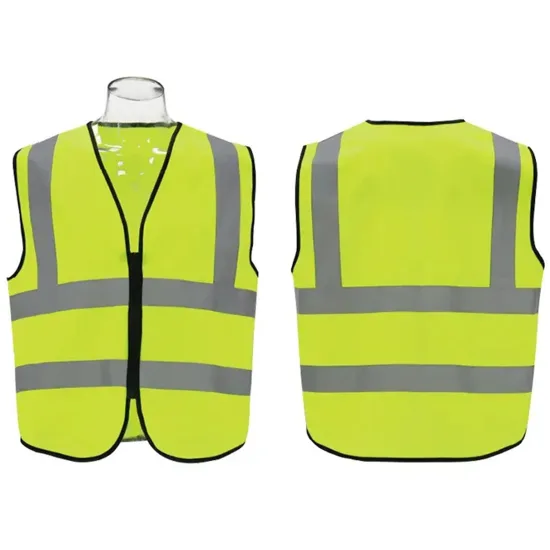
Light signalling
The light signal uses light to warn, guide or inform people in a space. It is found in buildings, industry, traffic and commercial areas, from escape signs and warning lamps to industrial light columns, increasing safety and orientation.
In short: evacuation indicators, warning lamps, industrial columns and road signs, chosen after destination, environment and food.
Do you need help choosing?
Tell us what you need and we'll send you the offer on the same working day.
The choice of a light-signalling system shall start from the destination and the environment of use: office, industrial hall, shopping centre, public institution or external space. It shall include the visibility, mode of supply and product certifications, which shall attest to compliance with the applicable standards. The operation shall be checked periodically, in accordance with the manufacturer's instructions and legal requirements, to ensure that the system is efficient at the time it is needed.
The light signal contributes to the safety of people and spaces. Discover the available types, advantages and choice criteria.
Light signal represent the whole of the devices that use light to warn, guide or inform people in a particular space. It is used in buildings, industry, traffic and commercial areas to increase safety, guidance and compliance.
Light signal is one of the most efficient methods of rapid transmission of visual information in public, industrial and commercial spaces. From evacuation indicators and warning lamps to industrial equipment or access routes, these systems contribute to accident prevention and rapid targeting.
Whether you run an office building, an industrial unit, a commercial space or seek solutions for a public institution, the choice of an appropriate light-signalling system can directly influence the level of safety and compliance with applicable legislation. In this guide you will find out what light signaling is, how it works, what variants exist and what criteria are worth analyzing before purchasing.
What is the light signal?
Light signal is a visual communication system based on light sources that transmits important warnings, indications or information.
The main purpose is to:
- warning of a danger;
- indicate the direction of movement;
- signal the operation of an equipment;
- facilitate evacuation in emergency situations;
- increases visibility under difficult conditions.
These systems are found in almost any area where safety and organisation are a priority.
How does the light signal work?
The operation is relatively simple, but the technology used may vary depending on the application.
In general, systems include:
- LED source low consumption;
- electronic controller;
- power supply to the network or from batteries;
- automatic sensors or contacts;
- integrated control systems.
Depending on the configuration, the signaling may work:
- permanent;
- intermittently;
- automatically upon the appearance of an alarm;
- synchronized with other equipment.
For example, in a factory, a bright column can change the color to indicate the state of a production line, and in a building of offices the escape signs are activated including in the event of power supply interruption.
Why is it important to signal light?
The main role is represented by increase in safety level.
The benefits are multiple:
- reducing the risk of accidents;
- rapid orientation in case of emergency;
- alerting personnel to hazards;
- compliance with fire safety rules;
- improving the organisation of spaces.
In many areas, the installation of light-signalling systems is not only recommended, but also required by occupational health and safety regulations.
Advantages of using light-signalling systems
Among the most important advantages are:
- High visibility, including under low lighting conditions;
- immediate response to critical situations;
- low energy consumption due to LED technology;
- long running life;
- reduced maintenance costs;
- easy integration into automatic systems;
- High reliability.
Compared to sound signals only, visual information can be observed simultaneously by several people and is useful including in noisy environments.
Light-signalling types
There are many categories of products, each intended for a particular purpose.
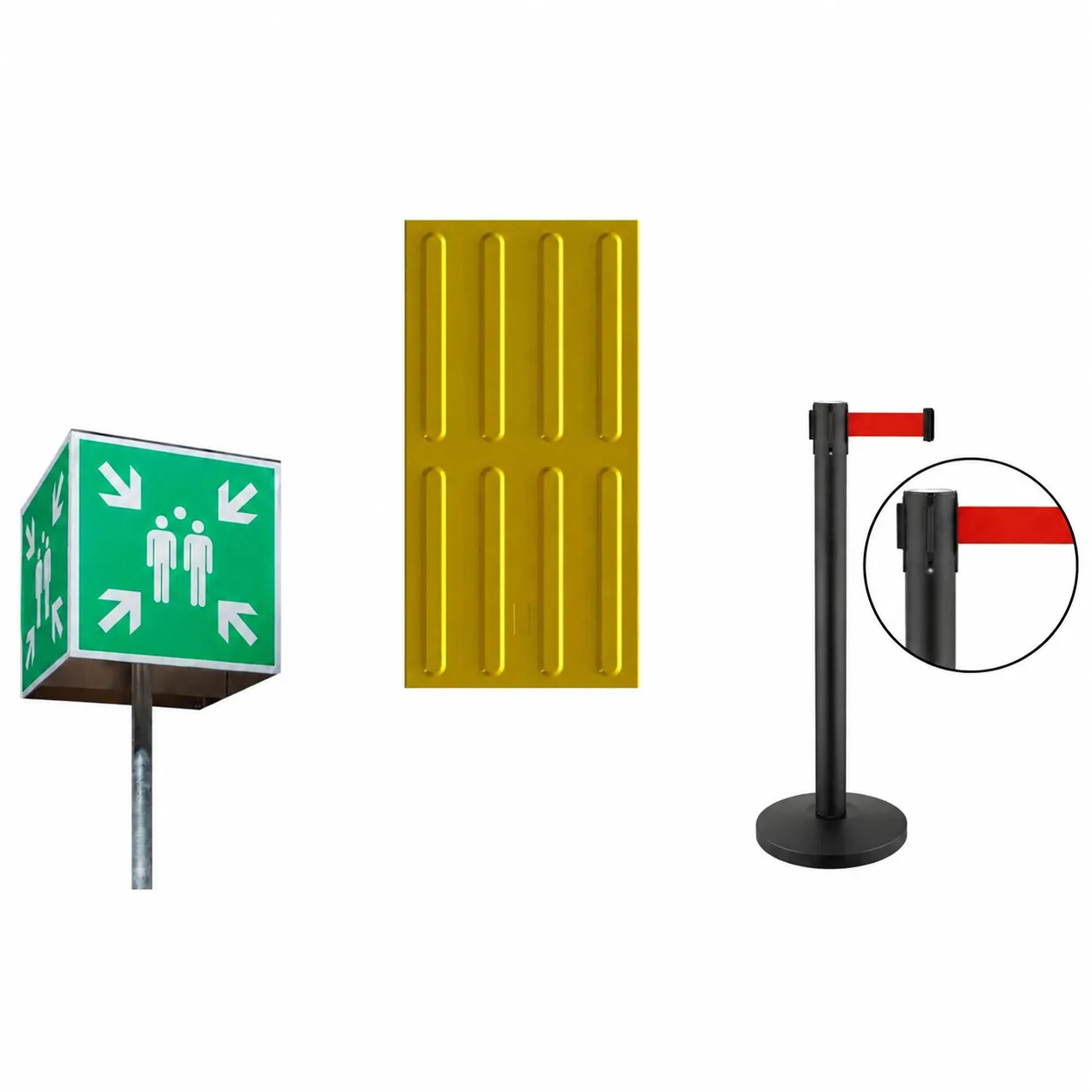
Evacuation indicators
They shall mark:
- emergency exits;
- escape routes;
- changes in direction.
I am indispensable in:
- public buildings;
- hotels;
- hospitals;
- schools;
- shopping centers.
Warning lamps
Transmit signals concerning:
- hazards;
- the operation of machinery;
- technical interventions;
- temporary restrictions.
They can have different colors:
- red;
- yellow;
- green;
- blue;
- alb.
Industrial luminaires
Very used in automation.
These indicate:
- normal state;
- warning;
- fault;
- stop;
- the need for operator intervention.
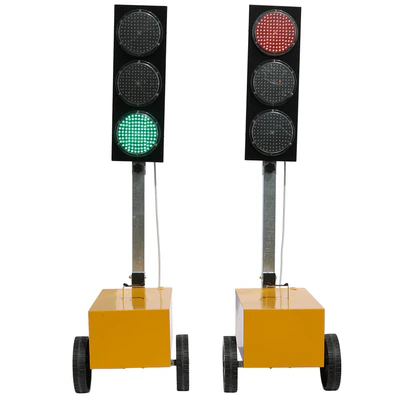
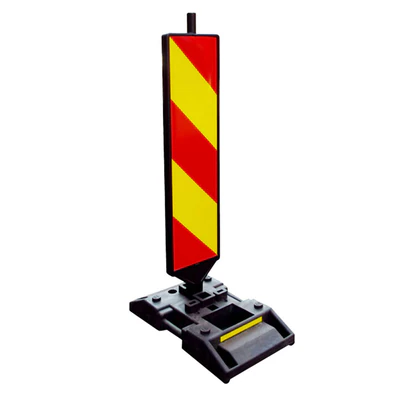
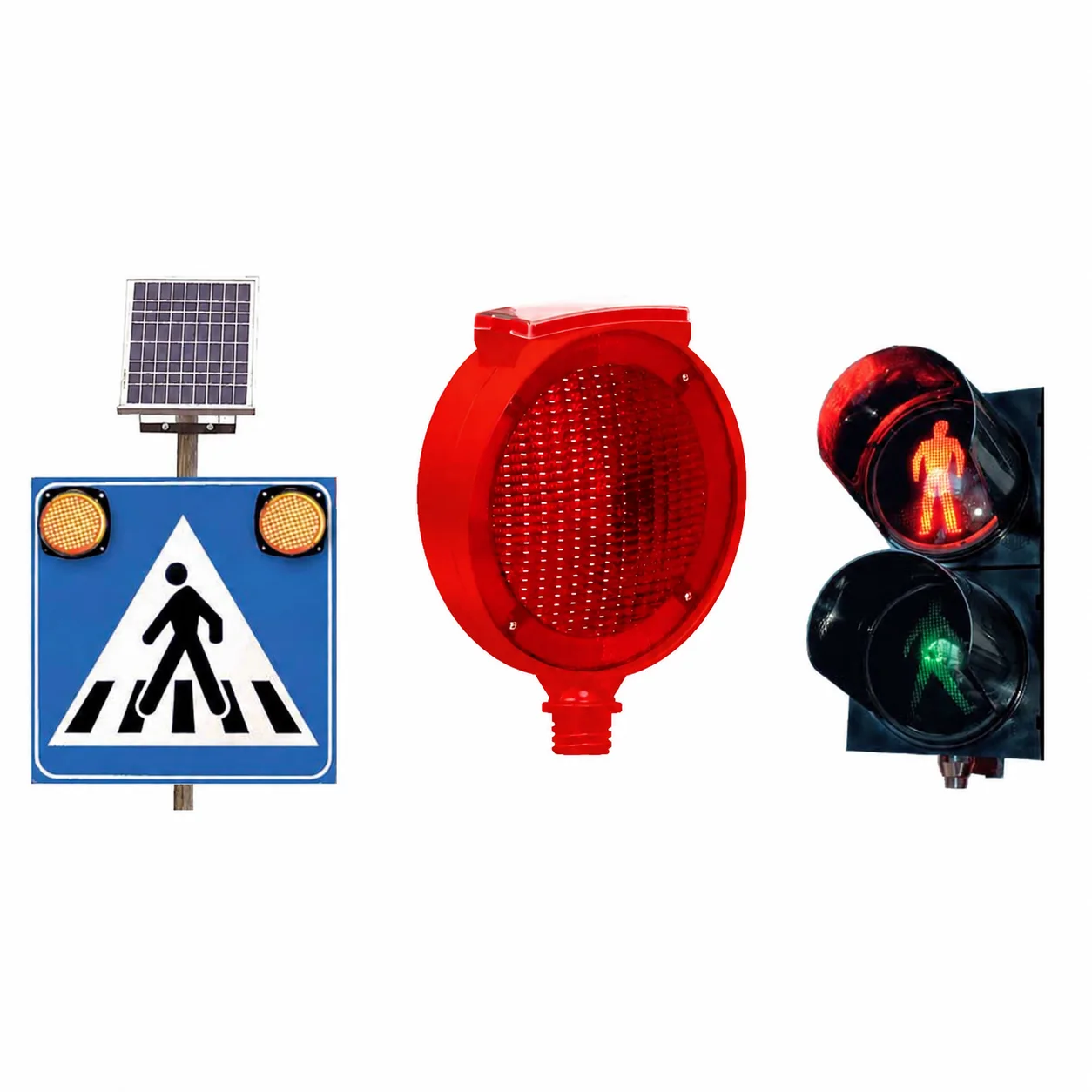
Light road signage
Includes:
- traffic lights;
- light beacons;
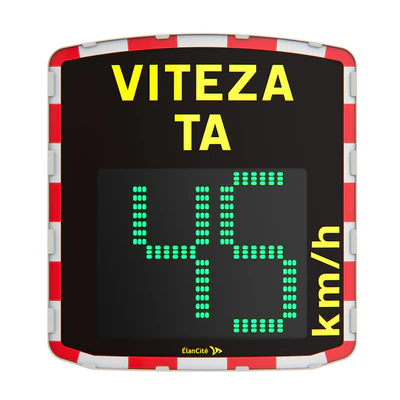
- electronic indicators;
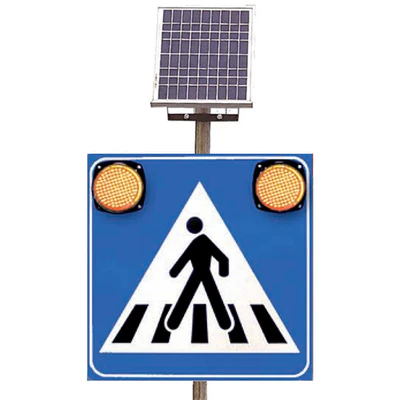
- pedestrian crossing systems.
Signalling for commercial parks and spaces
Used for:
- traffic guidance;
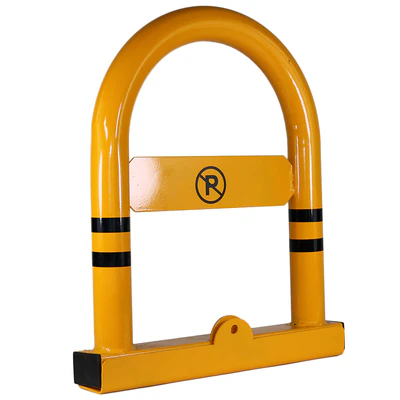
- occupation of the posts;
- access control;
- information to users.
The difference between light and sound signals
Although the two systems are complementary, there are significant differences.
Light signal:
- is visible from a distance;
- is not affected by noise;
- may transmit more information through colours and lighting modes.
Noise signaling:
- draws immediate attention;
- is effective when people do not look in the direction of the signal;
- can become difficult to perceive in very noisy environments.
In practice, the most effective solutions combine both types of warning.
Common errors in system choice
Among the most common errors are:
- the choice of an insufficient brightness;
- use of inappropriate products for the outside;
- ignoring the degree of IP protection;
- mounting in positions which are hard to see;
- the lack of regular checks;
- choice of products without relevant certifications.
These errors can reduce the efficiency of the system exactly when it is most needed.
How do you choose the right light signal?
For an appropriate choice, consider the following:
Destination
- industry;
- commercial spaces;
- institutions;
- offices;
- locuințe.
Environment of use
- interior;
- outside;
- high humidity;
- powder;
- Extreme temperatures.
Visibility
Choose products with light intensity adapted to the observation distance.
Feeding
It can be:
- 230 V;
- 24 V;
- battery;
- acumulator.
Certifications
It shall verify the existence of certifications and compliance with the standards applicable to the field in which they are to be used.
Professional advice
Specialists recommend:
- the use of LED technology for low consumption;
- periodic verification of the operation;
- the location at the recommended height;
- integration with fire detection systems;
- the choice of products resistant to environmental conditions.
Investment in a quality solution reduces long-term costs and provides a higher level of safety.
Example of use
In industry
The light columns instantly inform about the operation of the machines and help to reduce the stopping times.
In office buildings
Light indicators facilitate rapid evacuation in emergency situations.
In shopping malls
Bright signage improves visitor orientation and management of people flows.
In public institutions
Warning systems increase the level of security and compliance with legal rules.
Recommendations
When choosing a light-signalling system, it is recommended that you collaborate with specialised suppliers who can provide technical advice and certified products. A well-designed solution must meet space requirements, be easy to maintain and ensure optimal visibility under any conditions.
Conclusion
Light signal play an essential role in protecting people and in the efficient organisation of modern spaces. Regardless of the area of activity, the use of quality systems contributes to incident prevention, facilitates guidance and supports compliance with safety requirements. The correct choice involves assessing the environment, the level of visibility required and the applicable standards.
Commercial benefits
- Increases the level of safety for employees and visitors.
- Reduces the risk of accidents and incidents.
- Improves orientation in complex spaces.
- It shall contribute to compliance with legislative requirements.
- Reduce maintenance costs by using LED technology.
- Ensures long-term reliable operation.
- It can be integrated with modern security and automation systems.
- Provides excellent visibility under any lighting conditions.
FAQ
1. What is the light signal?
It is a visual system that transmits warnings, information or indications through light for increased safety and guidance.
2. Where is the light signal used?
In office buildings, commercial spaces, factories, public institutions, parking lots, hospitals, schools and road infrastructure.
3. What are the advantages of LED technology?
Low energy consumption, long lifespan, minimum maintenance and high visibility.
4. Is it mandatory to signal light?
In many situations, yes. Obligations depend on the destination of the building and on the regulations on safety and health at work or fire safety.
5. What does IP protection mean?
IP indices indicate the level of protection against dust and water penetration, being an important criterion for use outside or in industrial environments.
6. How do I choose the right system?
It shall take account of application, visibility, environmental conditions, food, certification and compatibility with other systems.
7. What is the difference between light and sound signals?
The light signal transmits the information through the light, while the sound signal uses sounds. The two are often used together for maximum efficiency.
8. How often do systems need to be checked?
Periodic inspections and tests are recommended in accordance with the manufacturer's instructions and applicable legal requirements.
Light signal is an essential solution for warning, directing and protecting people in residential, commercial and industrial spaces. Choosing a certified system, adapted to the environment and safety requirements, contributes to risk reduction and compliance with applicable standards.