Traffic protection
Traffic protection shall include measures, equipment and systems used to organise and secure road traffic. It is essential in construction, road maintenance, urban traffic organisation or the delimitation of risk areas, where participants in traffic and work teams are protected.
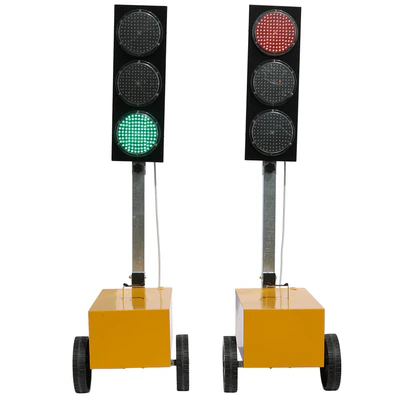
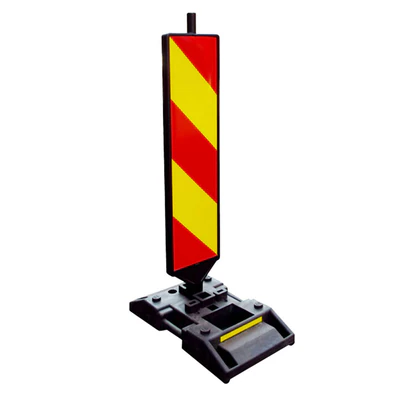
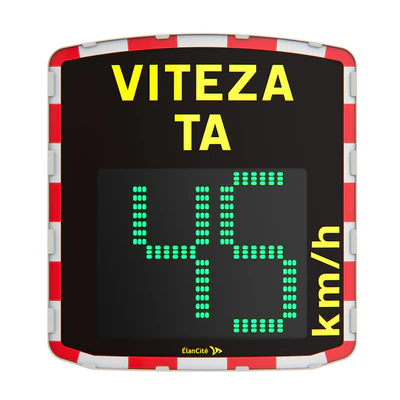
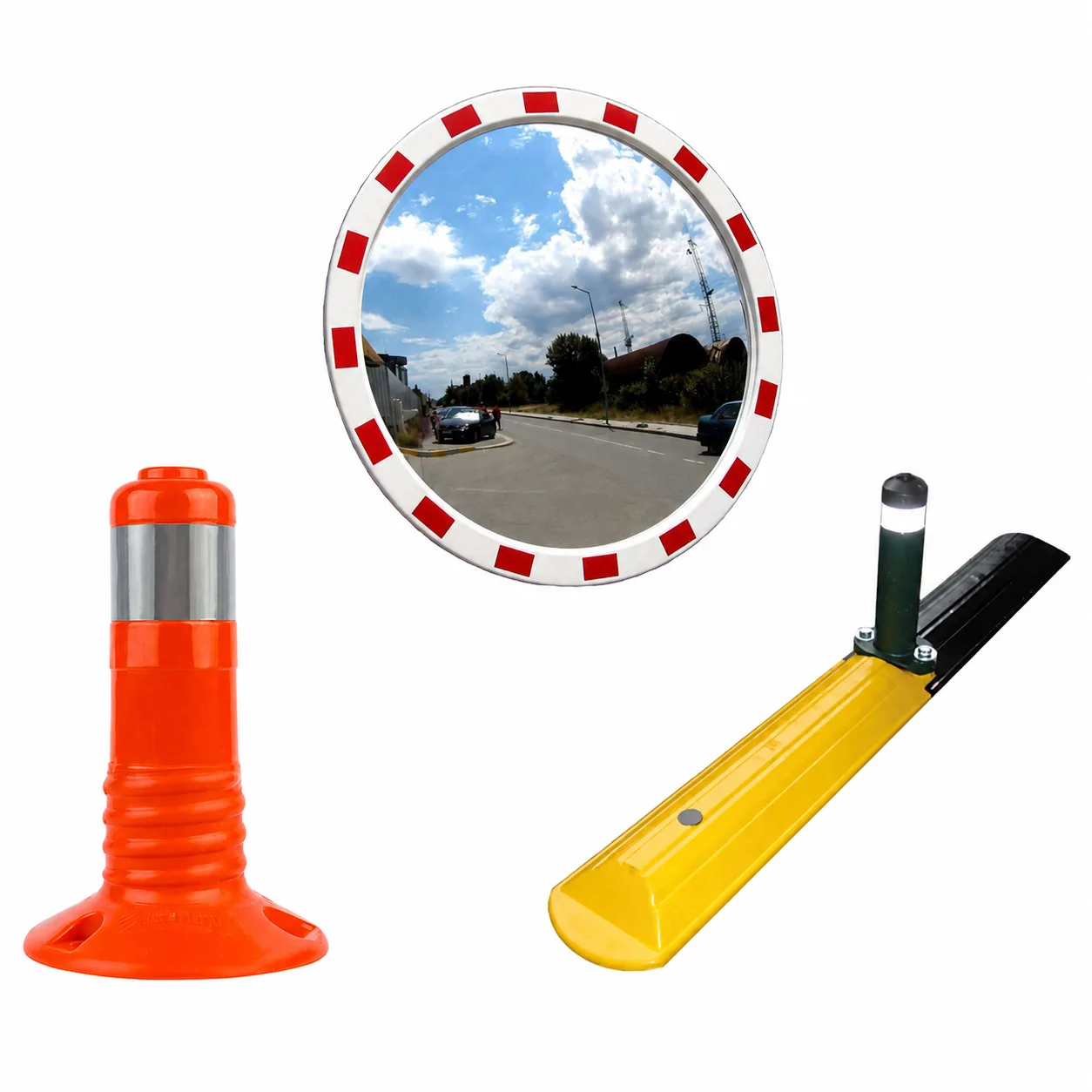
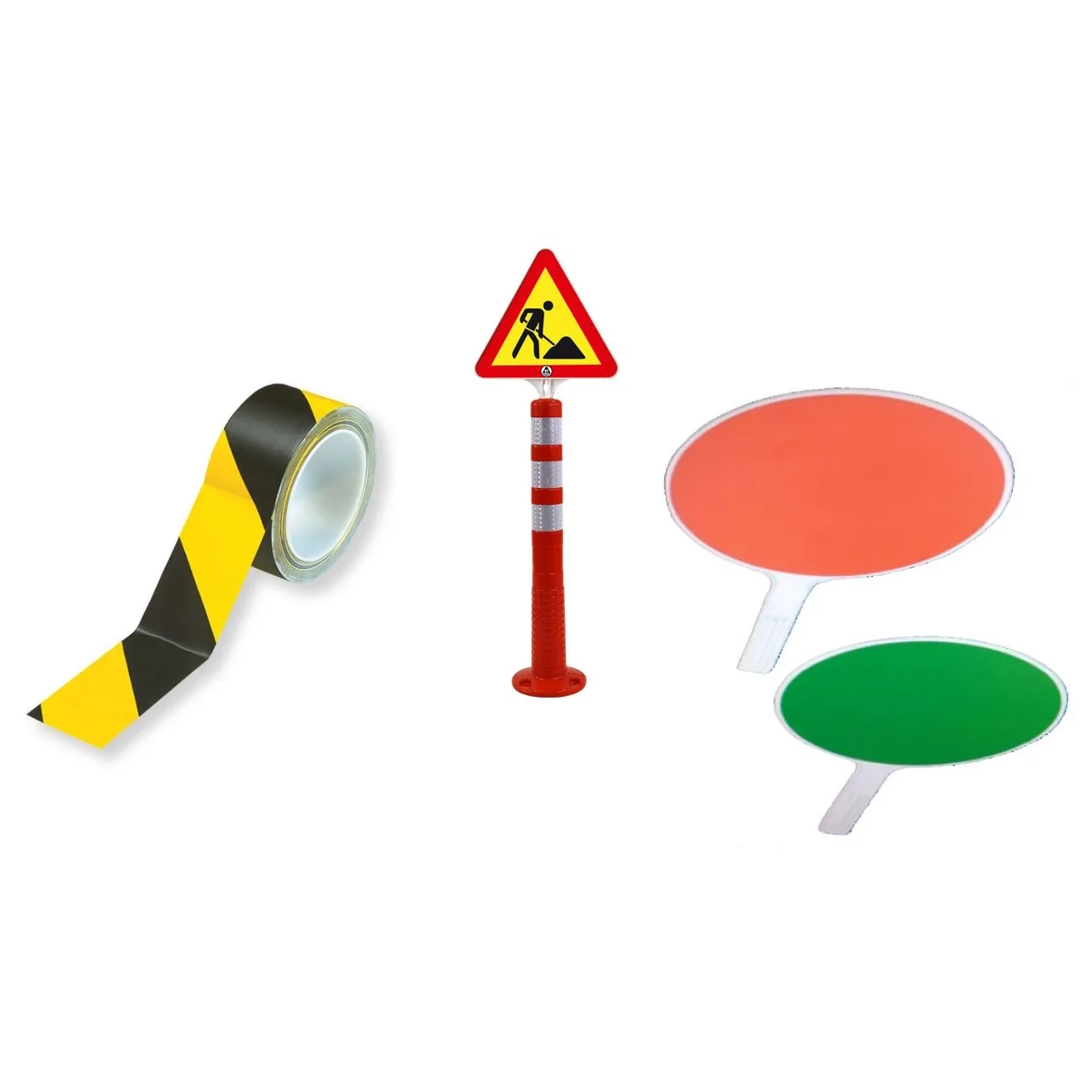
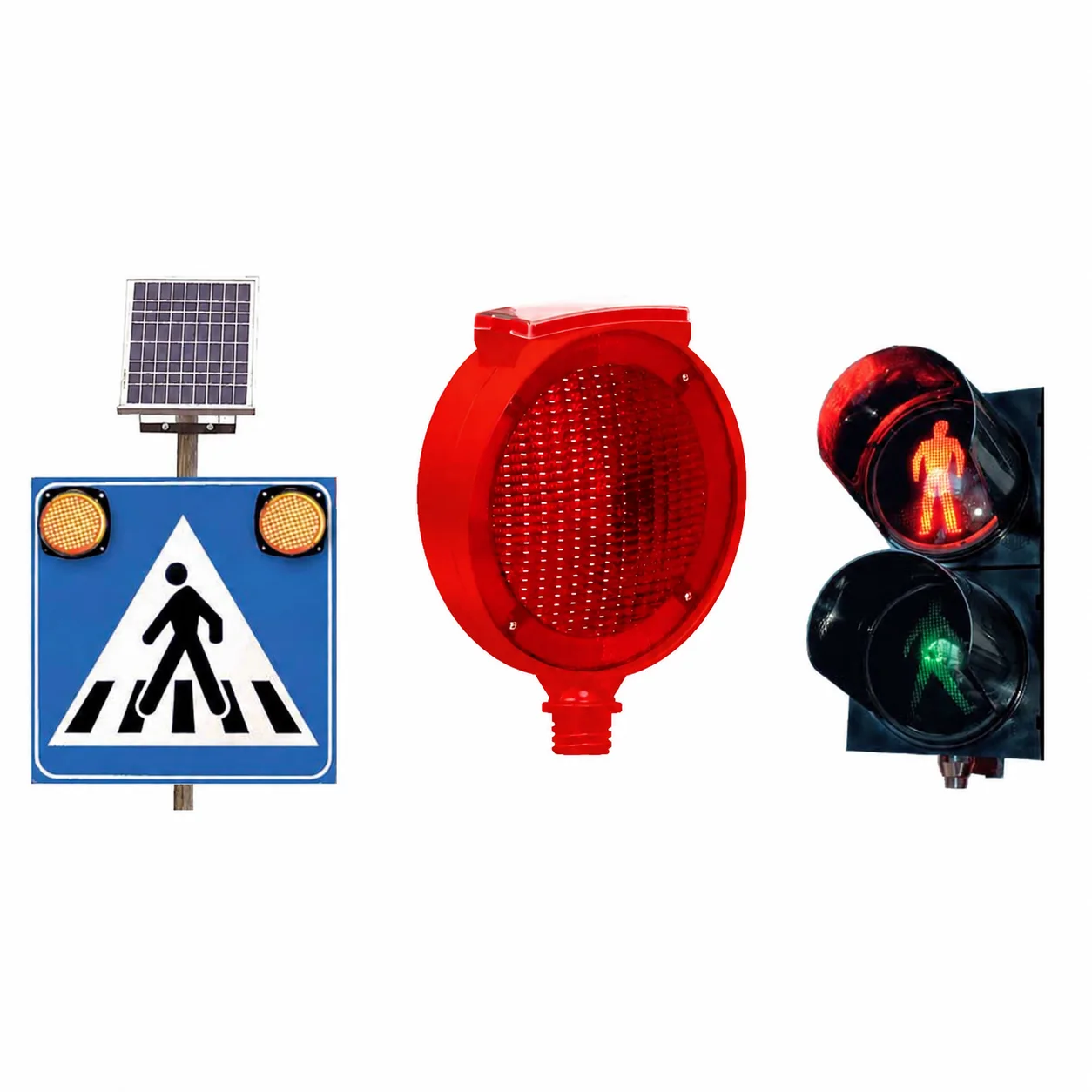
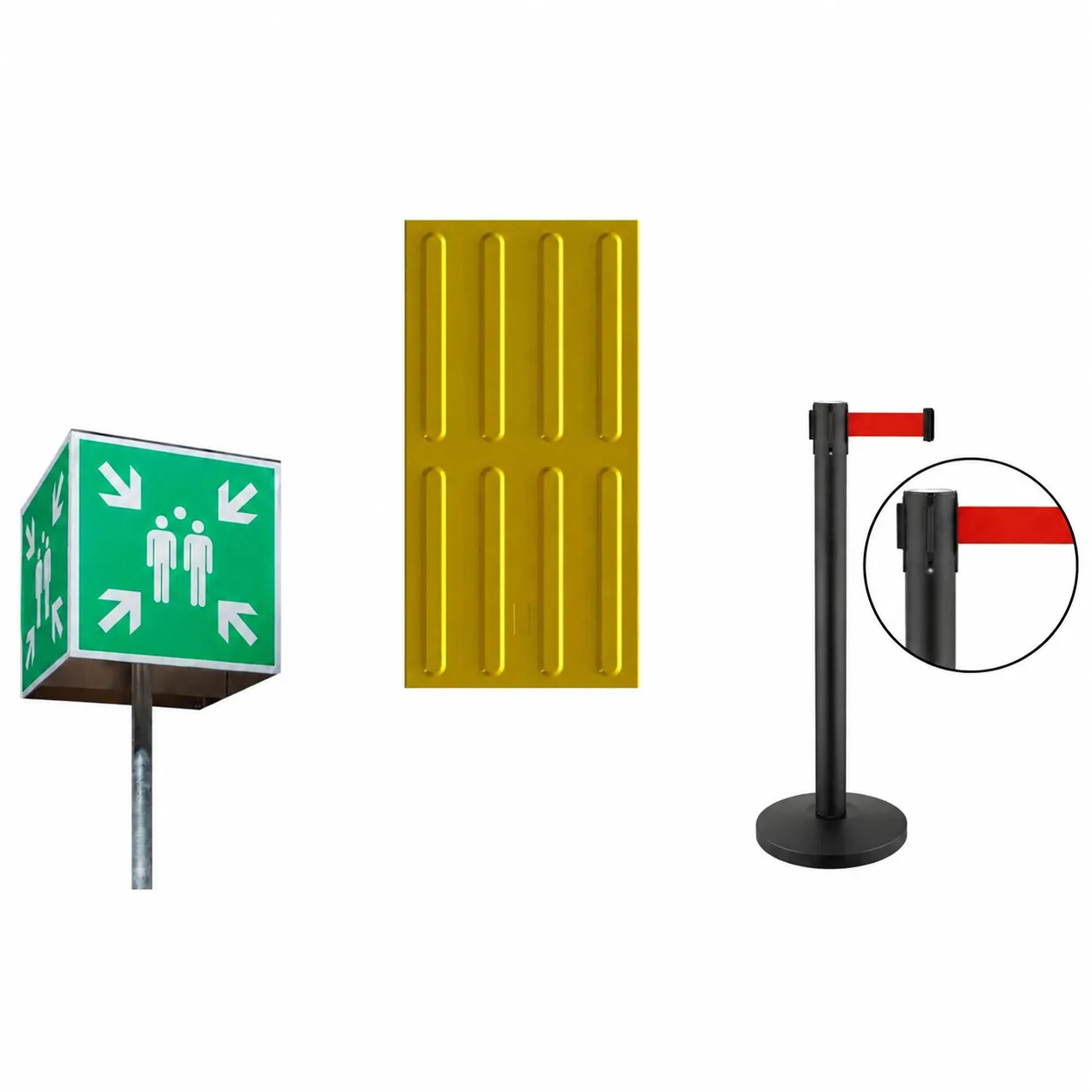
In short: cones, beacons, barriers, separators, temporary panels, parapets and warning lamps, chosen after the road, duration and traffic.
Do you need help choosing?
Tell us what you need and we'll send you the offer on the same working day.
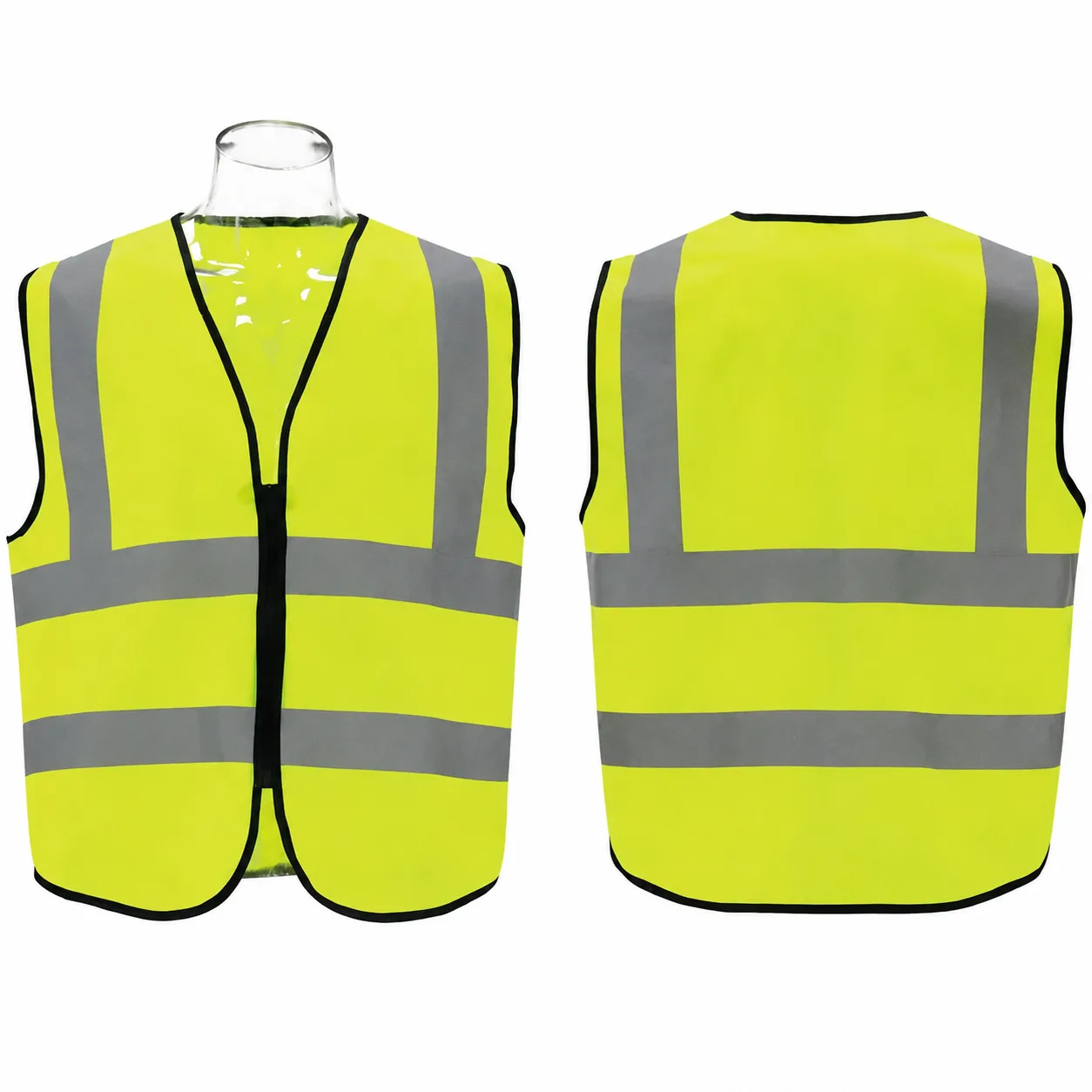
Protective equipment shall be chosen after the type of road, the duration of the project, the intensity of traffic and the conditions of visibility. Cones and beacons quickly mark the path, while barriers, separators and parapets firmly delineate work areas or at risk. Reflective products and warning lamps are especially necessary at night or in reduced visibility, and the use of products that meet standards increases the safety of everyone.
Traffic protection contributes to reducing traffic risks through systems and equipment adapted to each type of road and project.
Traffic protection represent all the measures, equipment and systems used for the organisation and safety of road traffic. This reduces the risk of accidents, protects participants in traffic and ensures the safe conduct of work or activities carried out near the carousel.
Traffic protection is an essential element in any road project, whether we are talking about construction works, road maintenance, urban traffic organisation or the delimitation of risk areas. Proper planning and use of appropriate equipment contribute to accident prevention and traffic flow.
In this guide you will find out what traffic protection involves, which are the most used equipment, how they work and what criteria should be taken into account when choosing the right solutions for a project. You will also discover practical recommendations and mistakes that may compromise the effectiveness of road safety measures.
What is traffic protection?
Traffic protection includes all measures and equipment intended for the organisation, management and safety of road traffic.
These solutions are used for:
- the protection of drivers;
- protection of pedestrians;
- the safety of construction workers;
- the delimitation of hazardous areas;
- reducing the risk of accidents;
- guidance to participants in traffic.
The main aim is to maintain safe and predictable traffic, regardless of the conditions.
How does traffic protection work?
Traffic protection systems are designed to provide clear and rapid information to traffic participants.
Depending on the situation, they may:
- warning of a danger;
- restricts access;
- deviation of circulation;
- reduce speed;
- demarcate the circulation bands;
- protect the working areas.
The combination of road signalling and protective equipment contributes to reducing the reaction time of drivers.
Why is it important to protect traffic?
An efficient traffic organisation benefits both authorities and builders as well as traffic participants.
Among the most important advantages are:
- reduction of road accidents;
- increasing the visibility of hazardous areas;
- protection of field personnel;
- flow of circulation;
- compliance with road safety legislation;
- reduction of risks during work.
In the absence of appropriate measures, even a short-term work may lead to bottlenecks or serious incidents.
Advantages of using traffic protection solutions
The implementation of modern systems offers many benefits.
Increasing safety
Traffic participants shall promptly identify changes in the route or restricted areas.
Reduction of accident costs
Preventing incidents means less material damage and less delay.
Efficient organisation
Traffic is conducted in a clear and predictable way.
Adaptability
There are solutions for national roads, motorways, parking lots, industrial areas and urban projects.
Durability
Modern equipment is made of impact-resistant materials and difficult weather conditions.
Types of equipment for traffic protection
Depending on the application, several categories of products may be used.
Traffic cones
They are used for the rapid delimitation of working areas or for restricting access.
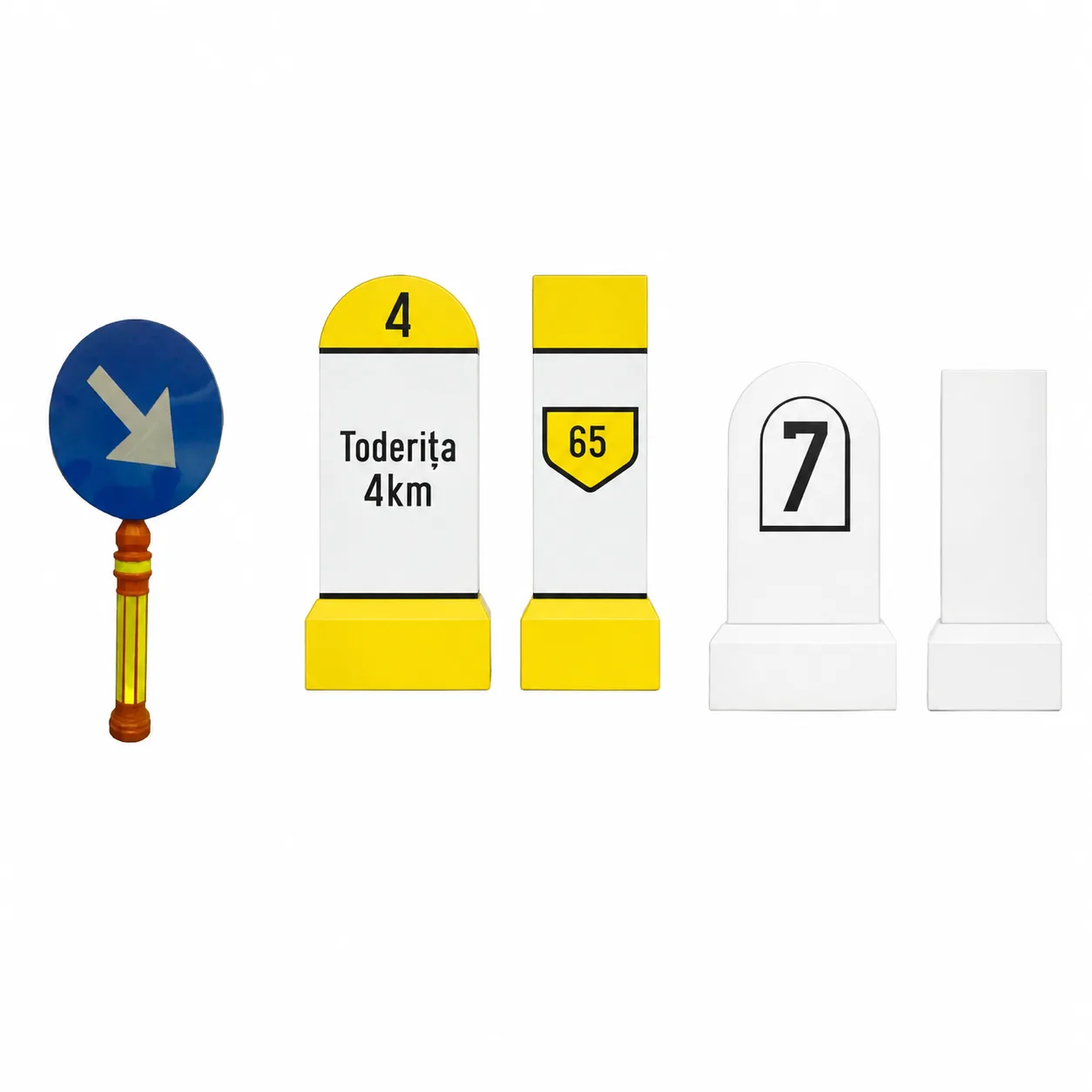
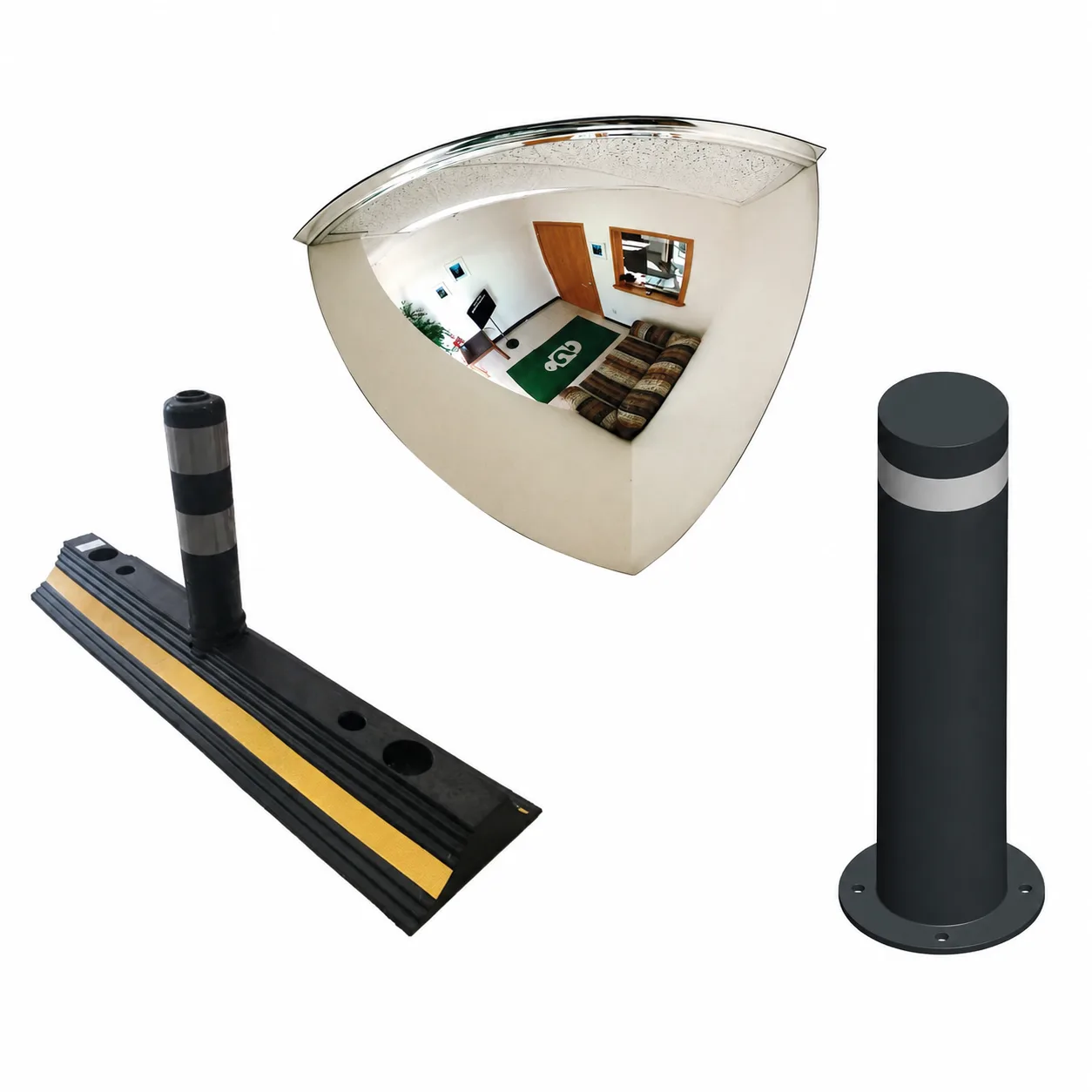
Tag and guide posts
Provides increased visibility and directs traffic safely.
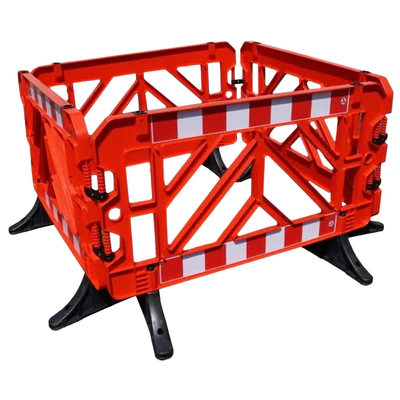
Protective barriers
It protects both traffic participants and the personnel carrying out work.
Sense separators
It helps to organize bands and reduces the risk of collisions.
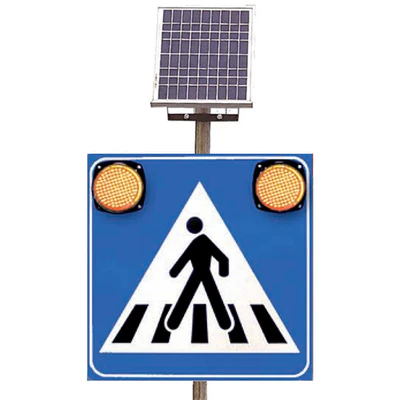
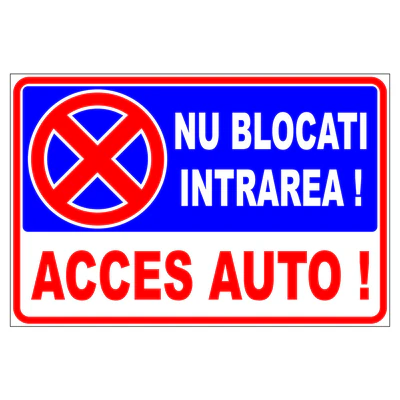
Temporary signalling panels
Inform drivers about traffic changes.
Parapets and protective systems
Reduce impact effects in accidents.
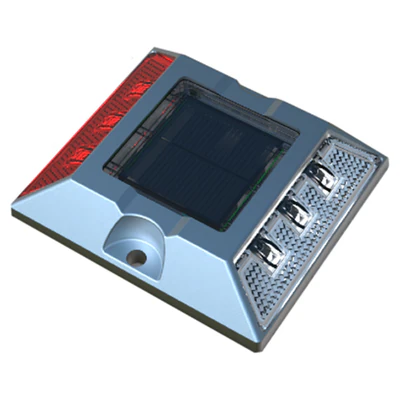
Warning lamps
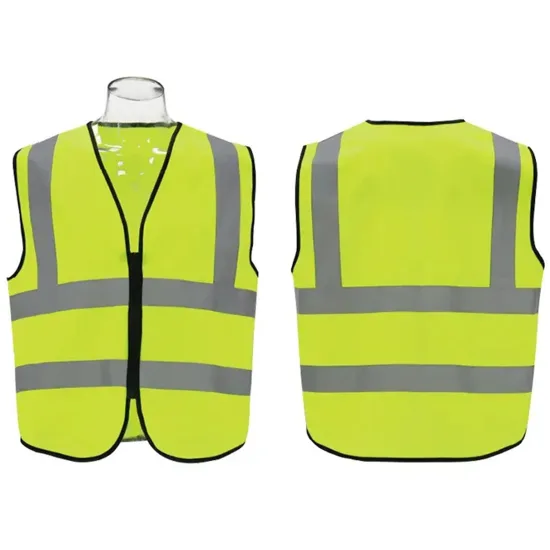
Ensures visibility during the night or under adverse weather conditions.
Difference between traffic protection and road signs
The two concepts are complementary.
Road signs transmits information via indicators and markings.
Traffic protection includes all physical equipment and organisational measures that increase traffic safety.
In most projects they are used together.
Common errors
Even quality equipment can become inefficient if used incorrectly.
The most common mistakes are:
- incorrect location of the indicators;
- insufficient distances between signalling elements;
- lack of night lighting;
- use of damaged products;
- the choice of the wrong equipment for the traffic intensity;
- Lack of regular checks.
How do you choose traffic protection solutions correctly?
The selection must be made according to several factors.
Road Type
Highways require different solutions to urban roads.
Project duration
Mobile equipment is recommended for temporary interventions.
Traffic volume
Heavy traffic requires the use of high resistance barriers and separators.
Visibility
Reflective products and light systems are recommended in poorly lit areas.
Compliance with standards
It is important that all equipment complies with the applicable road safety rules and requirements.
Professional advice
Specialists recommend:
- the implementation of a traffic management plan prior to the commencement of work;
- the daily verification of equipment;
- immediate replacement of damaged items;
- use of certified products;
- the permanent adaptation of the signaling to the evolution of the work.
These measures contribute to reducing risks and maintaining a safe traffic flow.
Example of use
Traffic protection is found in a variety of situations.
Example:
- Asphalting works;
- rehabilitation of bridges;
- intervention on utility networks;
- public events;
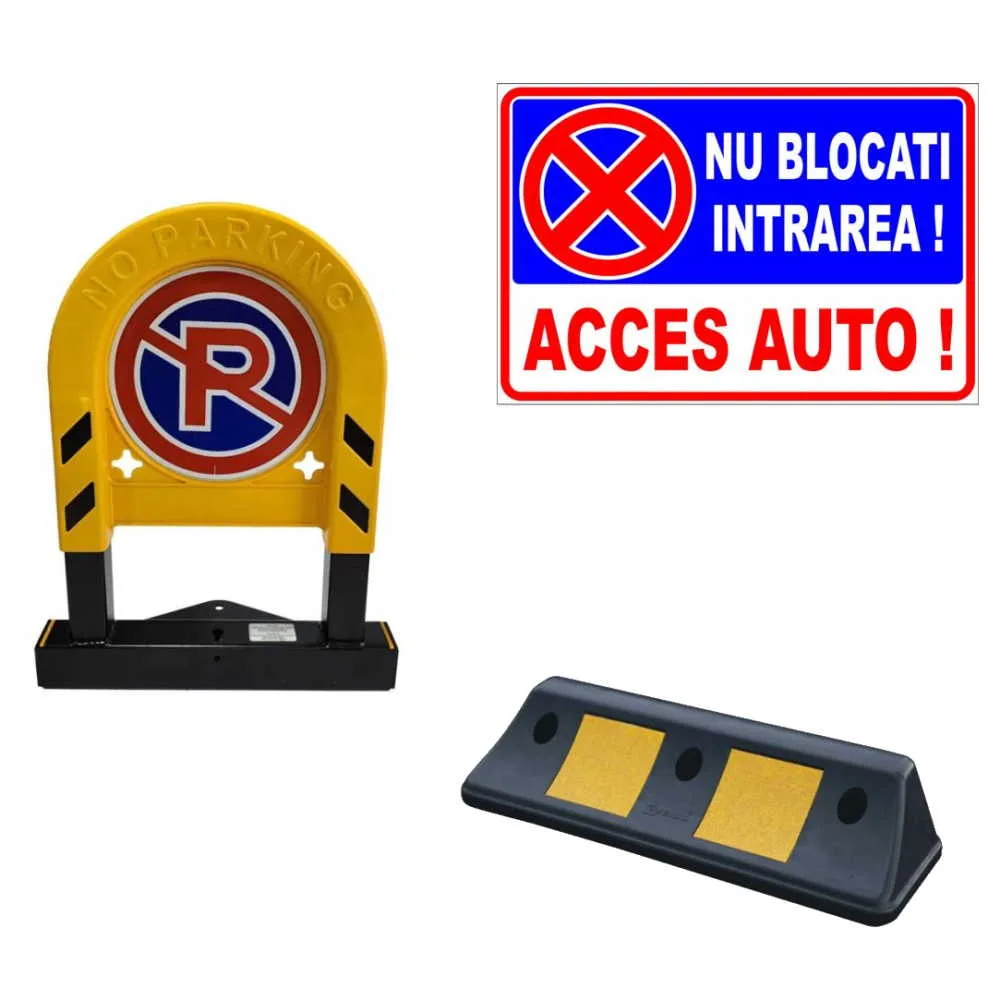
- commercial parking;
- logistics centre;
- industrial shipyards;
- Temporary pedestal areas.
In each case, the solutions used differ depending on the level of risk and the volume of traffic.
Recommendations
The use of quality equipment and compliance with the traffic organisation plan are recommended for optimal results.
A combination of road signalling, protective barriers, road cones and light warning systems provides a high level of safety and significantly reduces the risk of accidents.
Conclusion
Traffic protection is a key component of road safety, whether we are talking about temporary work, infrastructure projects or the organisation of traffic in public and private spaces. Choosing the right equipment, locating it correctly and complying with standards helps prevent incidents, protecting traffic participants and effectively carrying out activities. Investment in professional traffic protection solutions means more safety, compliance and long-term efficiency.
Commercial benefits
- Reducing the risk of accidents and incidents.
- Increased safety of drivers, pedestrians and field personnel.
- Effective organisation of movement during work.
- Compliance with road safety requirements.
- Solutions adapted for temporary and permanent projects.
- Durable, long-lasting equipment.
- High visibility under any weather conditions.
- Reduction of interrupting times and incident costs.
FAQ
What does traffic protection mean?
It is all measures and equipment used for the organisation and safety of road traffic.
Where are traffic protection systems used?
In construction sites, on public roads, in parks, industrial areas, events and infrastructure works.
What are the most used equipment?
Traffic cones, barriers, separators, beacons, temporary panels and warning lamps.
Why is it important to protect traffic?
It reduces the risk of accidents and protects traffic participants and personnel working close to the carousel.
How do I choose the right equipment?
Depending on the type of road, working time, traffic intensity and visibility conditions.
Can the equipment be reused?
Yes, if they are made of resistant materials and are properly maintained.
What role do protective barriers play?
They delineate risk areas and reduce the impact of accidents.
Are reflective products needed?
Yes, especially for works carried out at night or under reduced visibility.
Traffic protection gathers equipment and measures that organise traffic and reduce road risks. Choosing the right solutions, using compliant products and implementing them correctly contributes to increasing safety for drivers, pedestrians and teams working in the carousable area.