Vehicle traffic guidance
Driving directions shall include the measures by which traffic is managed safely in areas affected by work, accidents or events. It includes temporary signalling, indicators, barriers and authorised personnel, with the role of reducing the risk of accidents and maintaining an efficient road flow.
In short: traffic orientation applies to construction sites, events, emergency interventions and parking lots, with temporary signalling and compliant equipment.
Do you need help choosing?
Tell us what you need and we'll send you the offer on the same working day.
A traffic orientation plan starts from the type of situation: a yard, a public event, an emergency intervention or the organisation of a private parking lot. Temporary signalling, indicators and barriers shall be chosen and placed in such a way as to protect both traffic participants and field teams. Incorrect guidance can lead to accidents, blockades, sanctions and delays in work, so professional planning makes a difference.
Driving directions shall be the total of measures by which the movement is directed safely in areas affected by works, accidents or events. This includes temporary signalling, indicators, barriers and authorised personnel, with the role of reducing the risk of accidents and maintaining an efficient road flow.
Driving directions is an essential component of road safety, especially in areas where normal traffic is affected by works, emergency interventions, public events or temporary restrictions. A proper traffic organisation protects both traffic participants and teams operating close to the carousel.
In this guide you will discover what the orientation of car traffic requires, who can do it, what equipment is used, which are the advantages of a professional organization and how you choose the right solution for your project. You will also find out what mistakes should be avoided and why compliance with the legislation is essential for the safe conduct of activities.
What is the orientation of car traffic?
Driving directions means the process of organising and managing traffic temporarily when the usual road configuration is changed.
This may include:
- the location of temporary road signs;
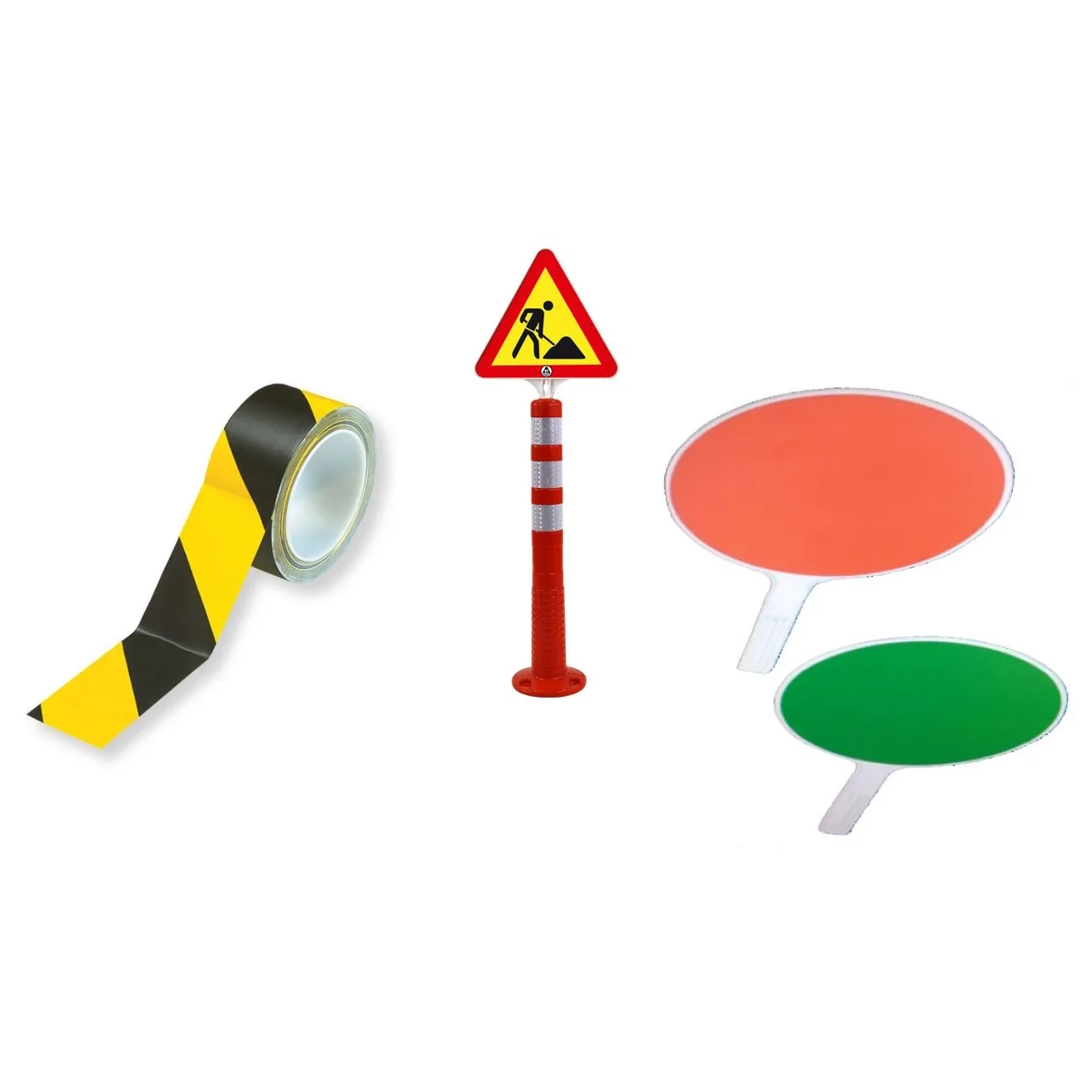
- mounting of beacons and signalling cones;
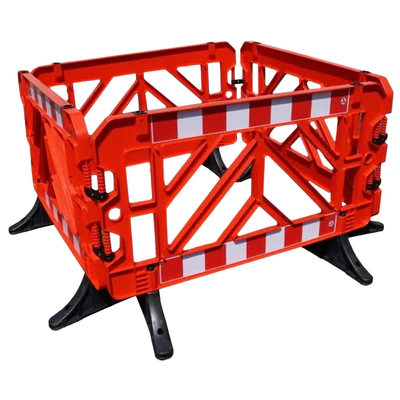
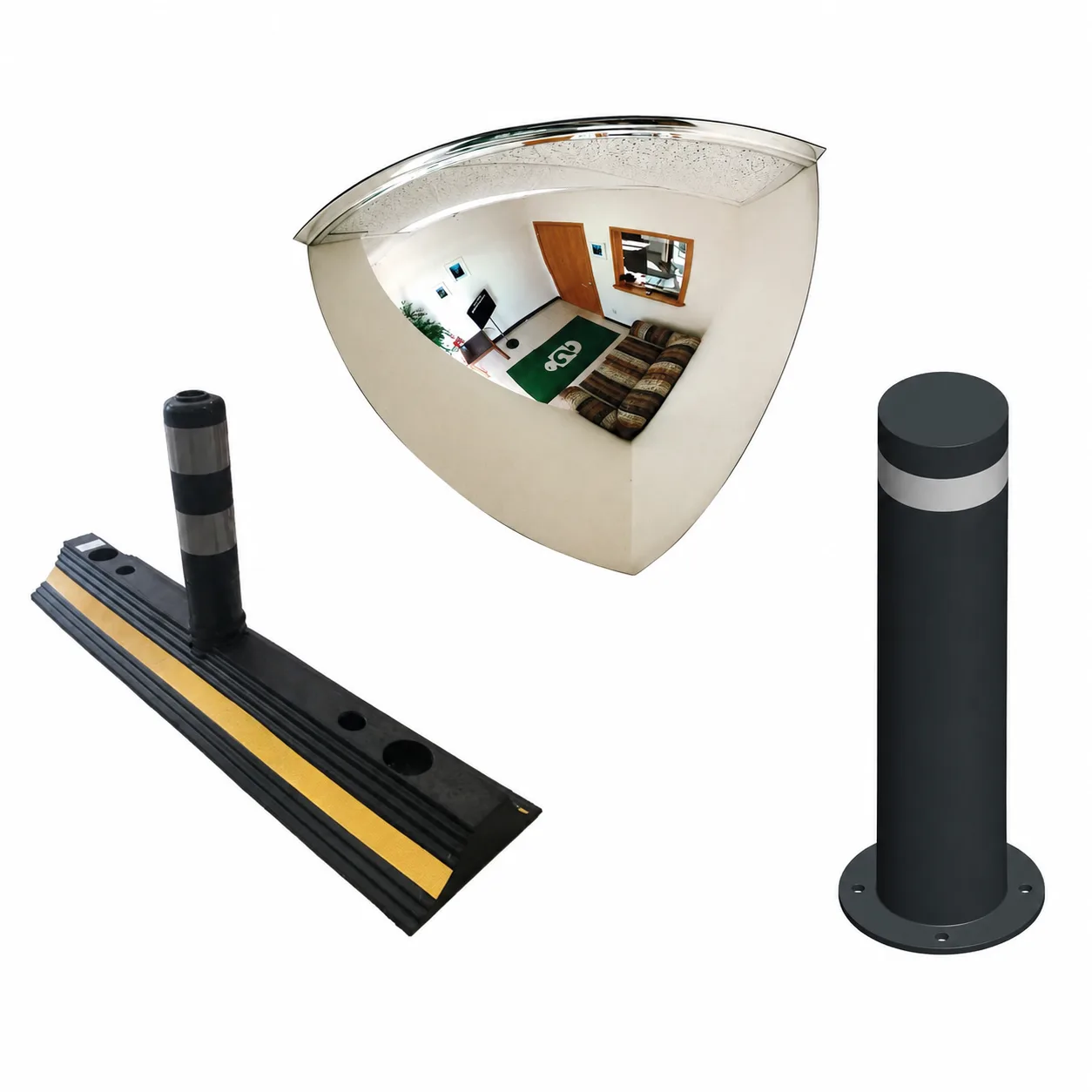
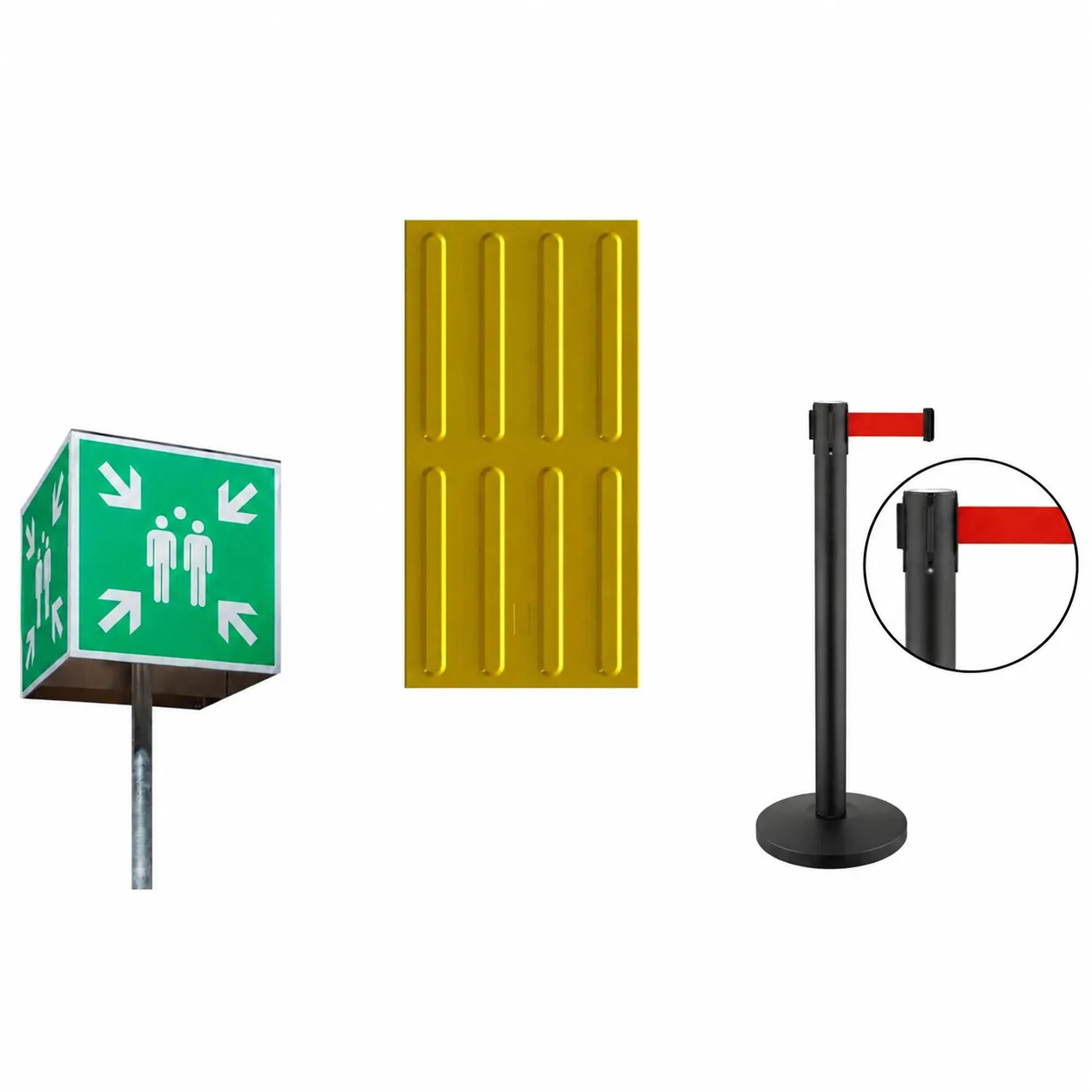
- the use of protection fences and barriers;
- the delimitation of working areas;
- the management of the movement by authorised personnel;
- implementation of bypass routes.
The main aim is to prevent accidents and to keep traffic as flowing as possible.
How does the driving of car traffic work?
The process starts with the area assessment and identification of existing risks.
Depending on the specific project, it shall be established:
- the number of bands available;
- the meanings of circulation;
- the recommended speed;
- the location of the indicators;
- the position of the protective elements;
- Alternative routes.
After implementation, the whole signal shall be monitored and adjusted if changes occur in traffic or in the conduct of work.
Why is it important?
A poor traffic organisation can generate:
- road accident;
- traffic jams;
- delays;
- legal sanctions;
- damage to the company's image.
In contrast, professional guidance provides predictability to drivers and significantly reduces risks in the field.
Advantages of professional traffic guidance
Among the most important benefits are:
- increasing the safety of participants in traffic;
- the protection of workers in the yard;
- the flow of traffic;
- compliance with legal rules;
- reducing the risk of accidents;
- efficient organisation of work;
- reduction of waiting times;
- reducing the costs of incidents.
Types of driving guidance
Depending on the situation, several solutions can be used.
Guidelines for construction sites
Used in construction, asphalt or infrastructure interventions.
Includes:
- temporary restrictions;
- marking;
- temporary semaphoreisation;
- speed limits.
Events guidance
Festivals, sports competitions or public events require the reorganization of traffic to manage a large number of participants.
Guideline in the event of emergency intervention
Accidents or damage require rapid diversion and delimitation of the affected areas.
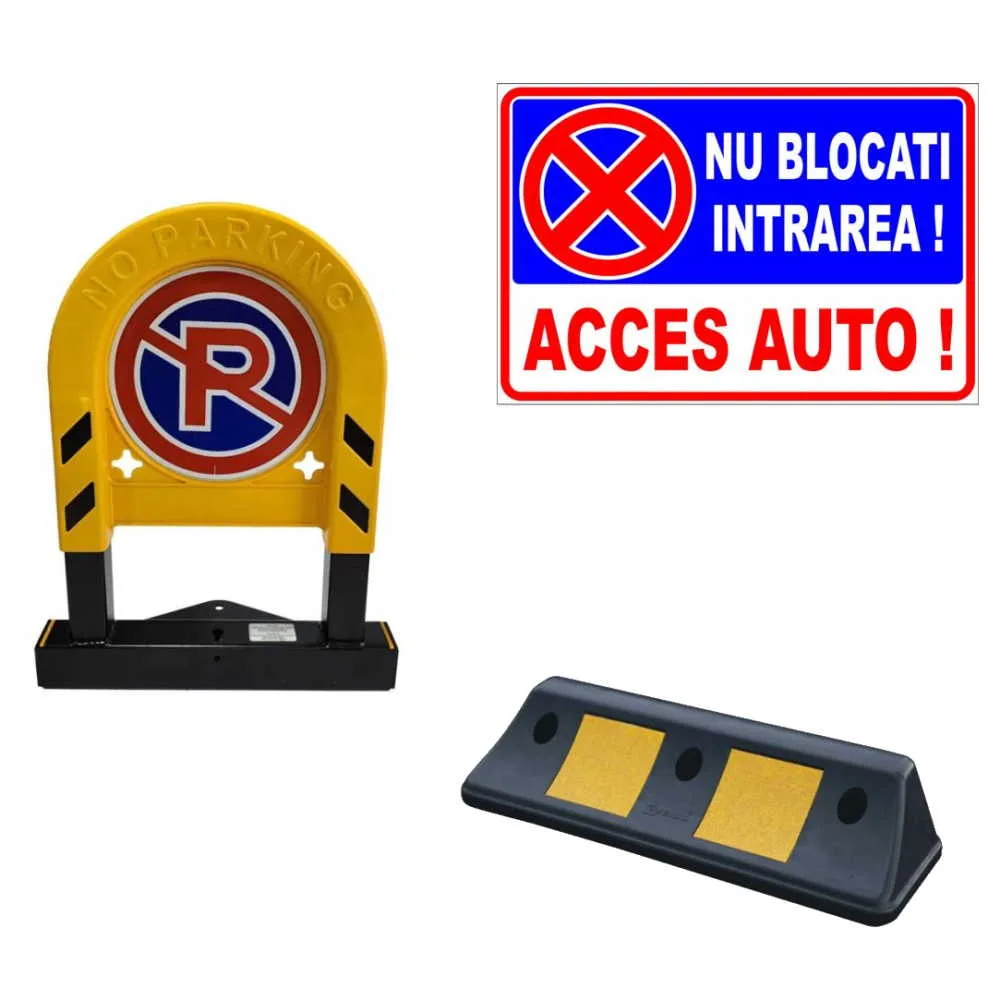
Orientation in private parks and spaces
It is used to optimize vehicle flow in:
- commercial centres;
- deposits;
- logistics parks;
- industrial complex.
Difference between traffic orientation and traffic steering
Although they are often confused, the two notions are not identical.
Traffic guidance means the organisation of the entire traffic system by means of signalling.
Driving the traffic is the direct intervention of an authorised person controlling the movement of vehicles in real time.
In many projects, the two solutions are used together.
Common errors
The most common problems are:
- incorrect location of the indicators;
- lack of marking;
- insufficient nighttime signalling;
- damaged indicators;
- the lack of updating of the routes;
- the use of non-compliant equipment;
- ignore the rules on visibility.
These errors may endanger both drivers and field personnel.
How do you choose the right car traffic guidance service?
When choosing a supplier, check:
- experience in the field;
- the necessary authorisations;
- compliance with the legislation;
- the availability of modern equipment;
- the time taken to intervene;
- the possibility of monitoring the work;
- advice provided prior to implementation.
A specialized company can adapt solutions according to the complexity of the project.
Professional advice
Specialists recommend:
- a preliminary analysis of traffic;
- the exclusive use of certified equipment;
- daily check of the signaling;
- updating the traffic plan if work progresses;
- comunicarea permanentă cu autoritățile competente;
- information to participants in traffic on restrictions.
These measures contribute to reducing incidents and effectively carrying out activities.
Real example of use
Driving is necessary in many situations:
- asphalt works on national roads;
- modernisation of utility networks;
- construction of bridges;
- interventions in road infrastructure;
- the organisation of marathons;
- concerts and festivals;
- the design of commercial parking lots;
- Industrial projects.
In each case, careful planning reduces discomfort and increases the safety of all traffic participants.
Recommendations
For optimal results:
- cooperate with specialised firms;
- use standard-compliant equipment;
- comply with the plans approved by the authorities;
- continuously monitor the work area;
- adapt measures to traffic and weather conditions.
A professional approach contributes to both the protection of people and the completion of projects without incident.
Conclusion
Driving directions is much more than the location of temporary indicators. It is a complex process involving planning, compliance with legislation and the use of efficient solutions for managing traffic under special conditions. Whether it is a yard, a public event or an emergency intervention, a proper organisation reduces risks, optimizes road traffic flow and provides a high level of safety for all traffic participants.
BENEFICII COMERCIALE
- Reducing the risk of accidents in the work area.
- Increase safety for drivers and pedestrians.
- Compliance with the legislation on temporary alerting.
- Fluidisation of circulation during restricted periods.
- Protection of the staff carrying out work.
- Effective organisation of sites and interventions.
- Rapid implementation and adaptation of each project.
- Reducing traffic disruption times.
- Professional image in relation to authorities and beneficiaries.
- Custom solutions for any type of work.
FAQ
What is the orientation of car traffic?
It is the process of organizing and managing traffic temporarily to ensure the safety and fluidity of traffic in areas affected by works or events.
When is traffic orientation necessary?
During road work, emergency interventions, public events, utility works and other situations which temporarily change traffic.
Who can achieve traffic orientation?
Specialised and authorised personnel companies, in accordance with road safety legislation and rules.
What equipment are used?
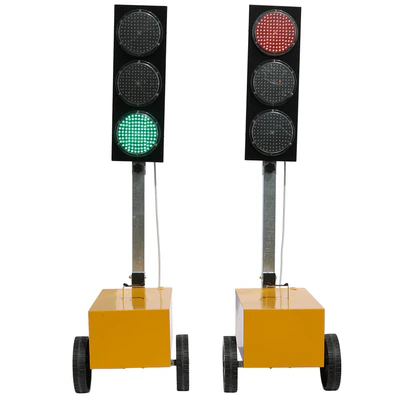
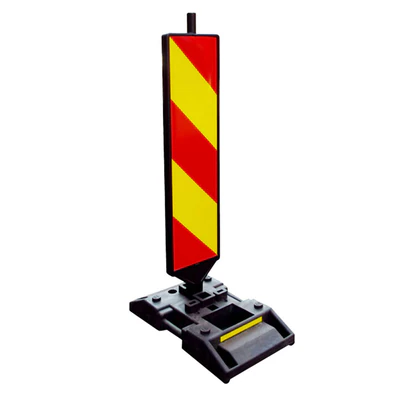
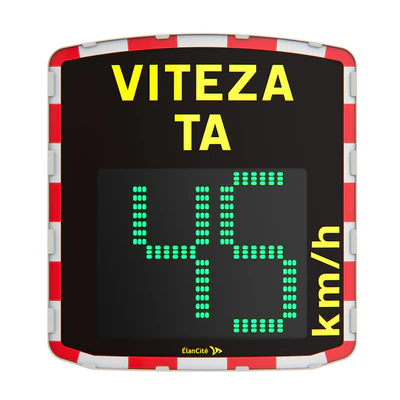
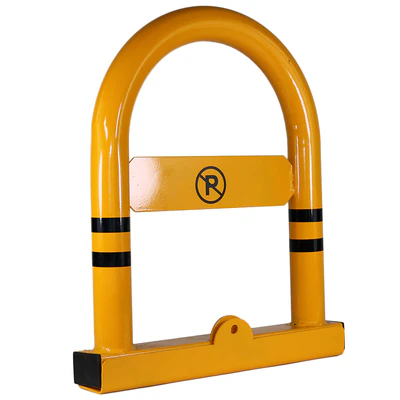
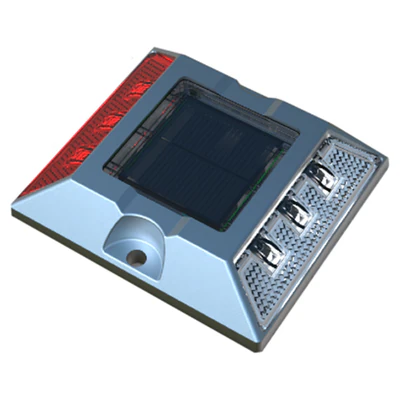
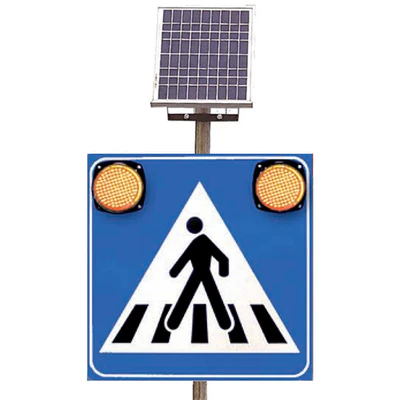
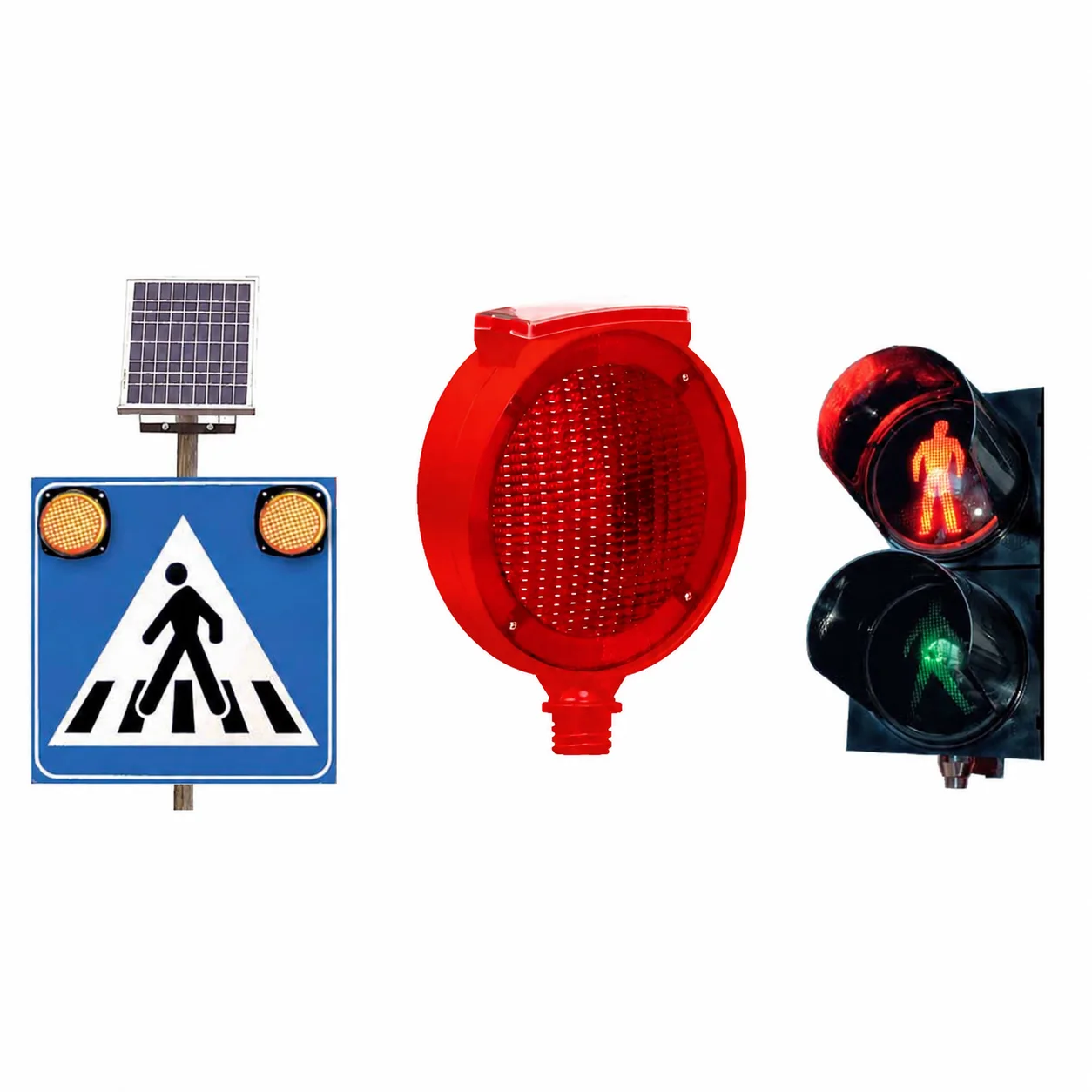
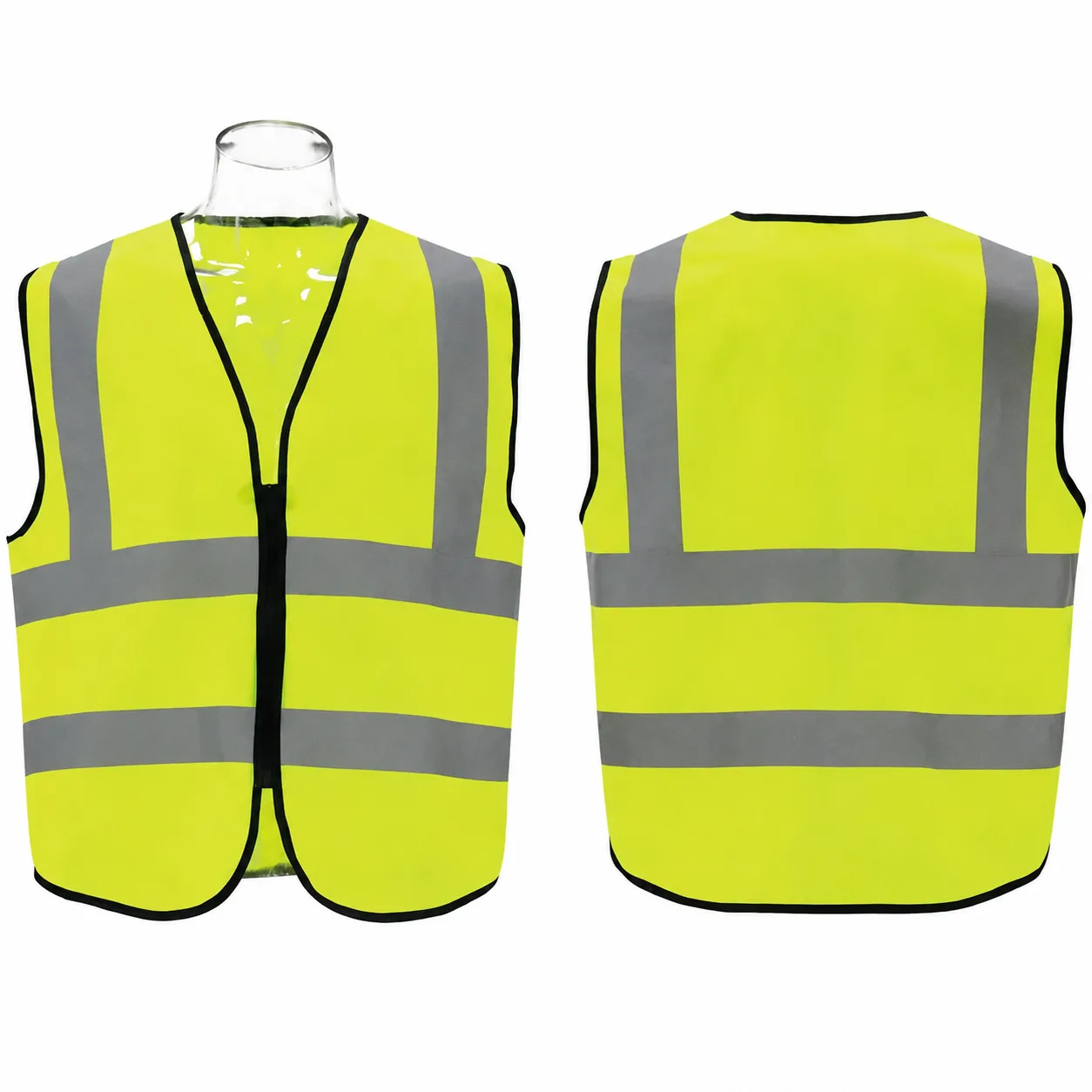
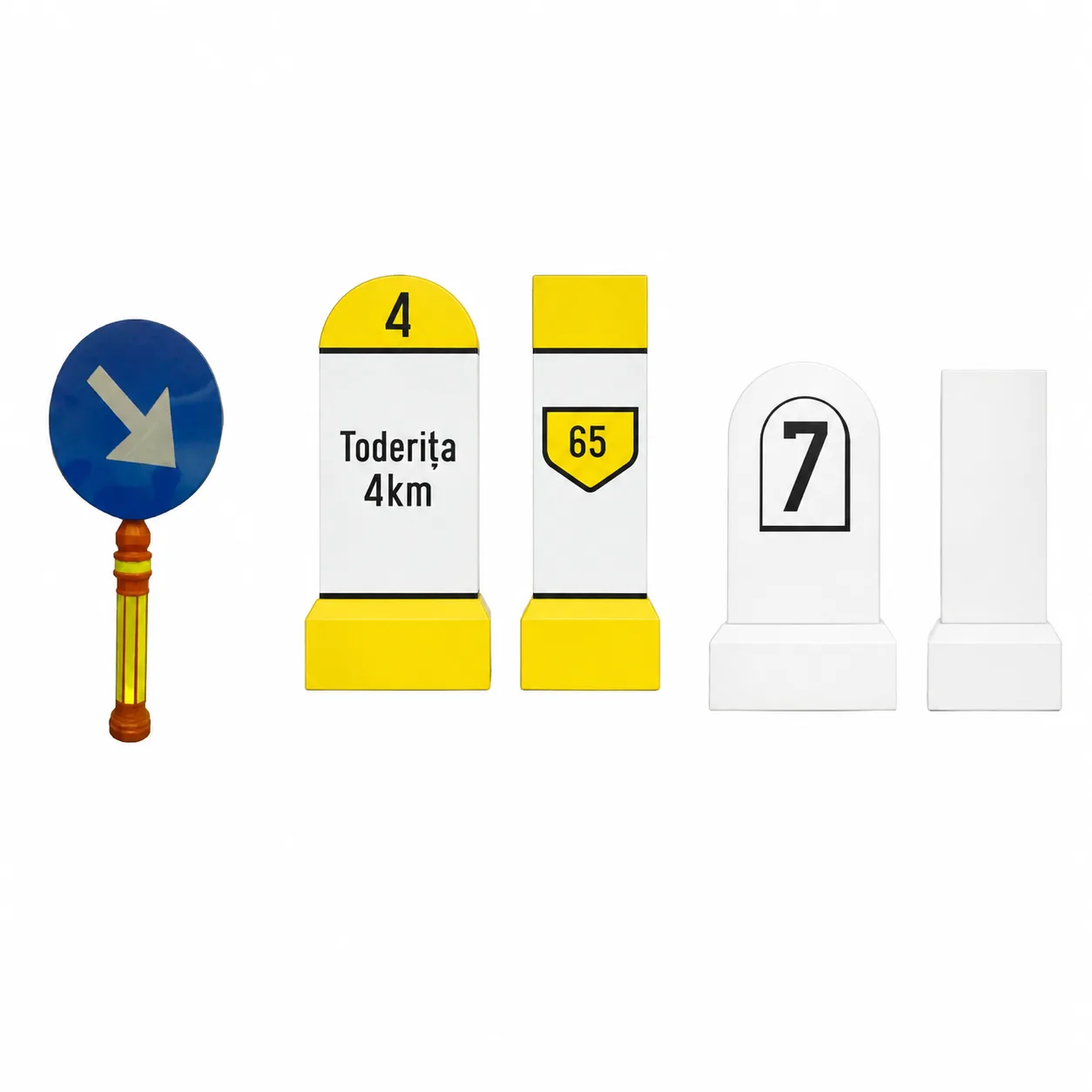
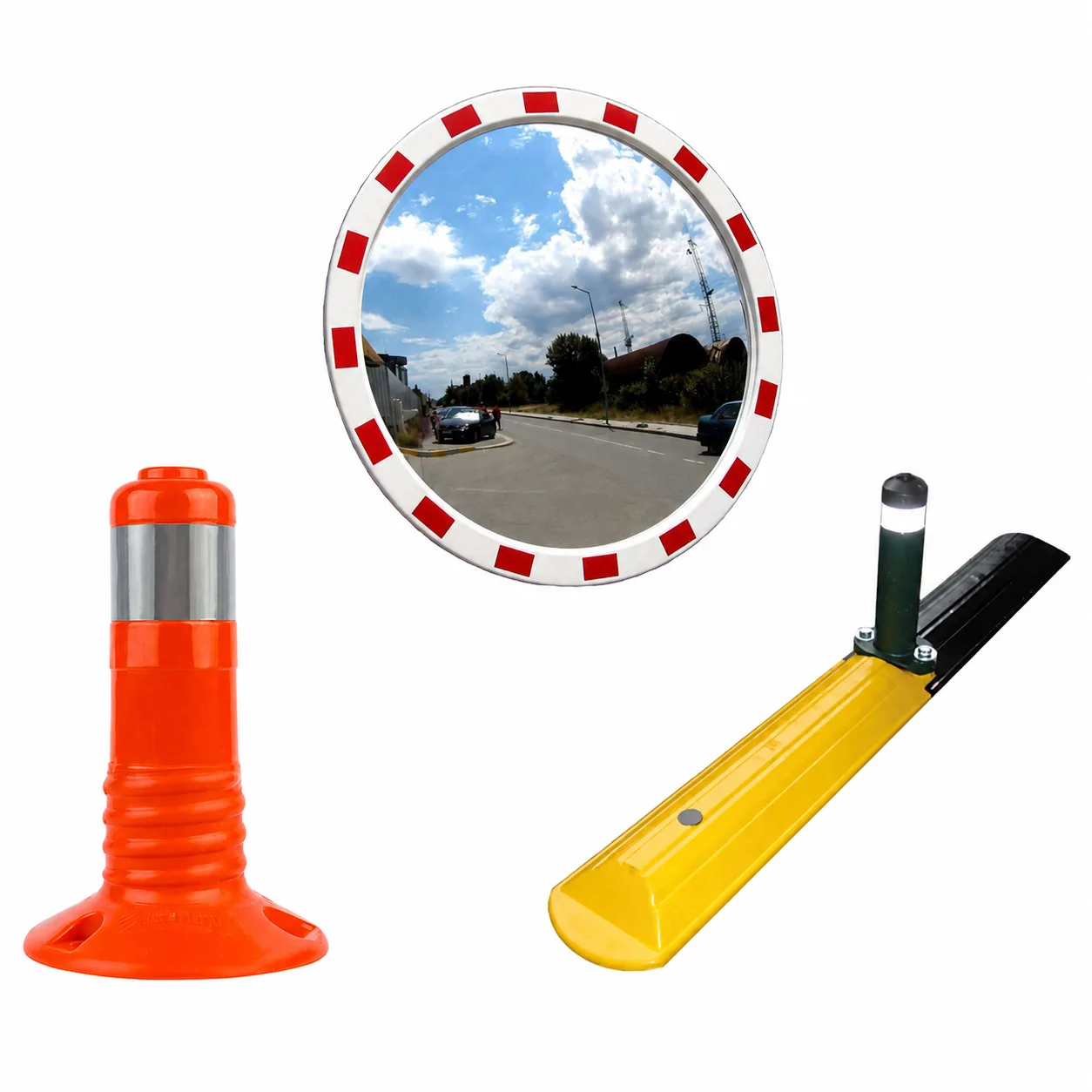
Temporary indicators, cones, beacons, protective fences, mobile traffic lights, directional panels and light devices.
Why is temporary signaling important?
In order to inform participants of time traffic and to prevent accidents in hazardous areas.
What is the difference between guidance and guidance?
The guidance organises traffic by signalling and traffic plans and direct control of vehicles by authorised personnel.
How long does it take to implement a traffic plan?
The duration depends on the complexity of the project, the size of the area and the type of restrictions imposed.
What risks arise if the traffic orientation is carried out incorrectly?
Accidents, traffic jams, legal sanctions and delays in the conduct of work may occur.
Driving directions contribute to the safe movement of traffic in areas with temporary restrictions, by appropriate signalling, compliant equipment and professional planning. A proper organisation reduces accidents, optimizes road traffic flow and protects both road traffic participants and field personnel.