Post-protection
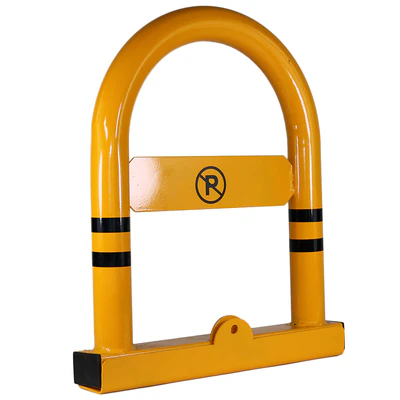
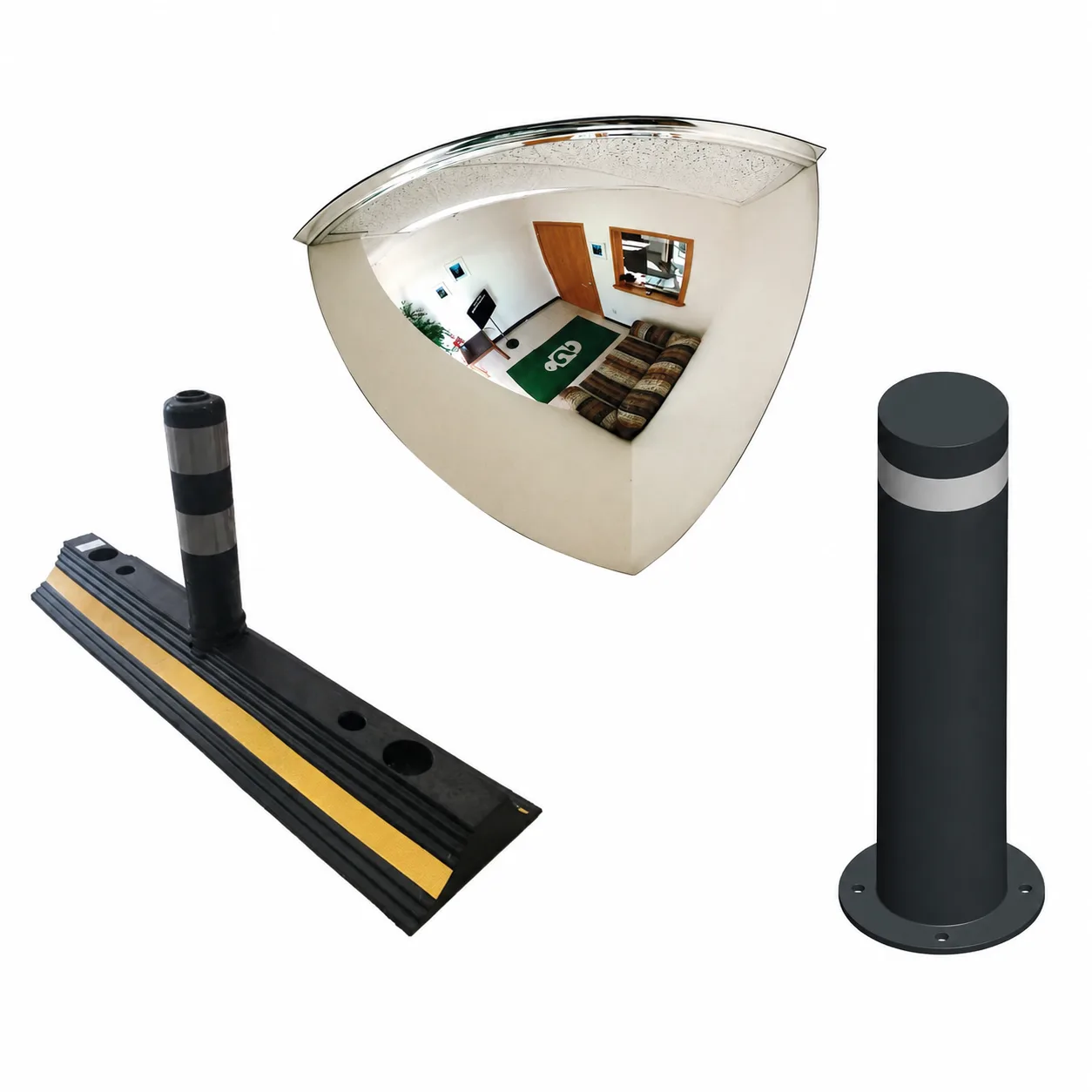
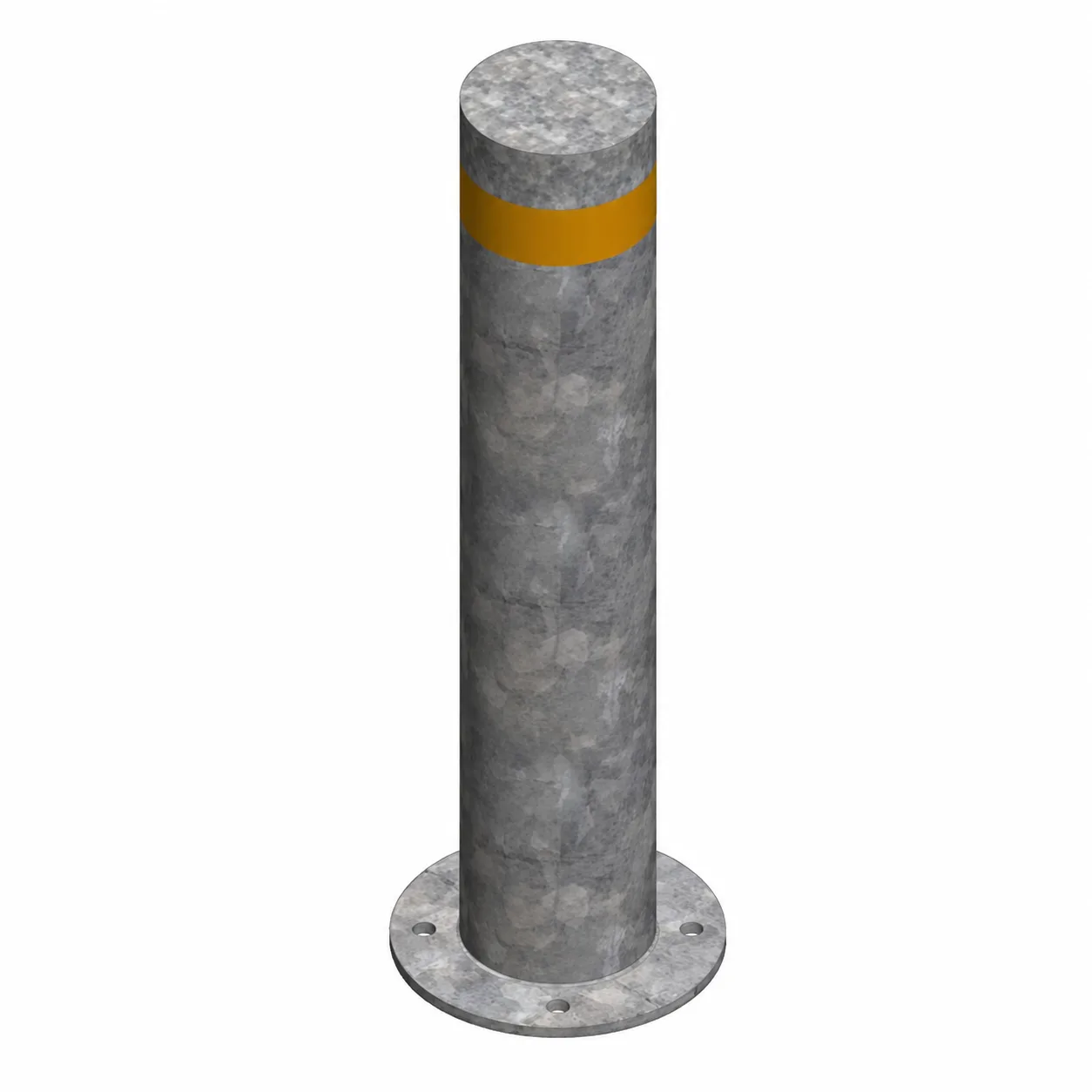
The protective pillar is a safety element that protects buildings, equipment, pedestrians and vehicles from accidental impact. They are mounted in parking lots, industrial halls, logistics warehouses and shopping centres, where they limit damage and delineate areas with controlled access.
In short: metal poles fixed in concrete, removable, folding, retractable or flexible, chosen after place, traffic and the necessary resistance.
Do you need help choosing?
Tell us what you need and we'll send you the offer on the same working day.
The model shall be chosen after the assembly place, the level of traffic and the required impact resistance. Fixed pillars offer permanent protection, while removable, removable or retractable variants allow access to be released when needed. The assembly shall be made on asphalt or concrete, by mechanical anchorage, chemical anchors or concrete, and periodic verification of fixing and any deterioration shall ensure safety and reduced maintenance costs.
The protective pillar prevents accidents and protects buildings, equipment and pedestrians. See which model matches your application.
Protection pillar is a safety element used to protect buildings, equipment, pedestrians and vehicles against accidental impact. Choosing the right model depends on the assembly site, the level of traffic and the required resistance.
Protective pillar – an essential element for safety
Protection pillar is one of the most effective solutions for limiting damage caused by vehicle impact and for delimiting areas with controlled access. We meet you in parking lots, industrial halls, logistics warehouses, shopping malls, public institutions, gas stations or residential spaces.
In addition to its protective role, a well-chosen post contributes to the organisation of traffic, to reducing the risk of accidents and to protecting infrastructure investments. In this guide you will find out what is a protection post, where it is used, what types exist and how you choose it according to the application you want.
What is a protection post?
One protection post is a metal element of steel, cast iron, stainless steel or other resistant materials designed to absorb or limit the effects of an impact.
The main purpose is to protect:
- buildings
- faces
- Industrial equipment
- access doors
- shelves
- machinery
- Pedestrian areas
- charging stations
- machines
- Pipes and installations
In many cases, mounting protective posts costs incomparably less than repairing equipment or buildings affected by an accident.
How does a protection post work?
The principle is simple.
The pillar is attached to the ground or foundation and creates a physical barrier between vehicles and the protected area.
In the event of an impact:
- the energy is taken over by the post;
- the force is dissipated to the foundation;
- the objective behind it remains protected.
Depending on the application, there are models:
- fixed;
- detachable;
- folding;
- retractable;
- flexibile.
Why is a protective post important?
Accidents produced in parking lots or industrial areas are frequent even at low speeds.
A simple impact can damage:
- walls;
- windows;
- electrical installations;
- machinery;
- structural columns;
- expensive equipment.
One protection post significantly reduce these risks and increase the overall level of safety.
In addition, the clear delimitation of spaces contributes to a more efficient and secure circulation.
Advantages of using a protection post
The use of protective posts offers many benefits.
Impact protection
Reduce the risk of damage to buildings and equipment.
Safety for pedestrians
Separate pedestrian flows from vehicle circulation.
Reduced maintenance costs
They prevent costly repairs caused by accidents.
Long lifespan
The galvanized or stainless models last for years outside.
Quick installation
Most products are easily mounted by mechanical or chemical anchorage.
Professional aspect
Contributes to the organization and aesthetics of space.
Types of protection posts
Metal posts fixed in concrete
They are used in areas where protection must be permanent.
Recommend for:
- industrial halo;
- deposits;
- logistics centre;
- parcări.
Posts detachable
I allow occasional access to certain areas.
They are ideal for:
- Courts;
- institutions;
- commercial spaces;
- Private areas.
Posts folding
Fold when access is necessary to a vehicle.
They are commonly used in:
- parking spaces reserved;
- residential access;
- Private spaces.
Removable pillars
They may be operated manually or automatically.
They are used in:
- office buildings;
- hotels;
- institutions;
- secure areas.
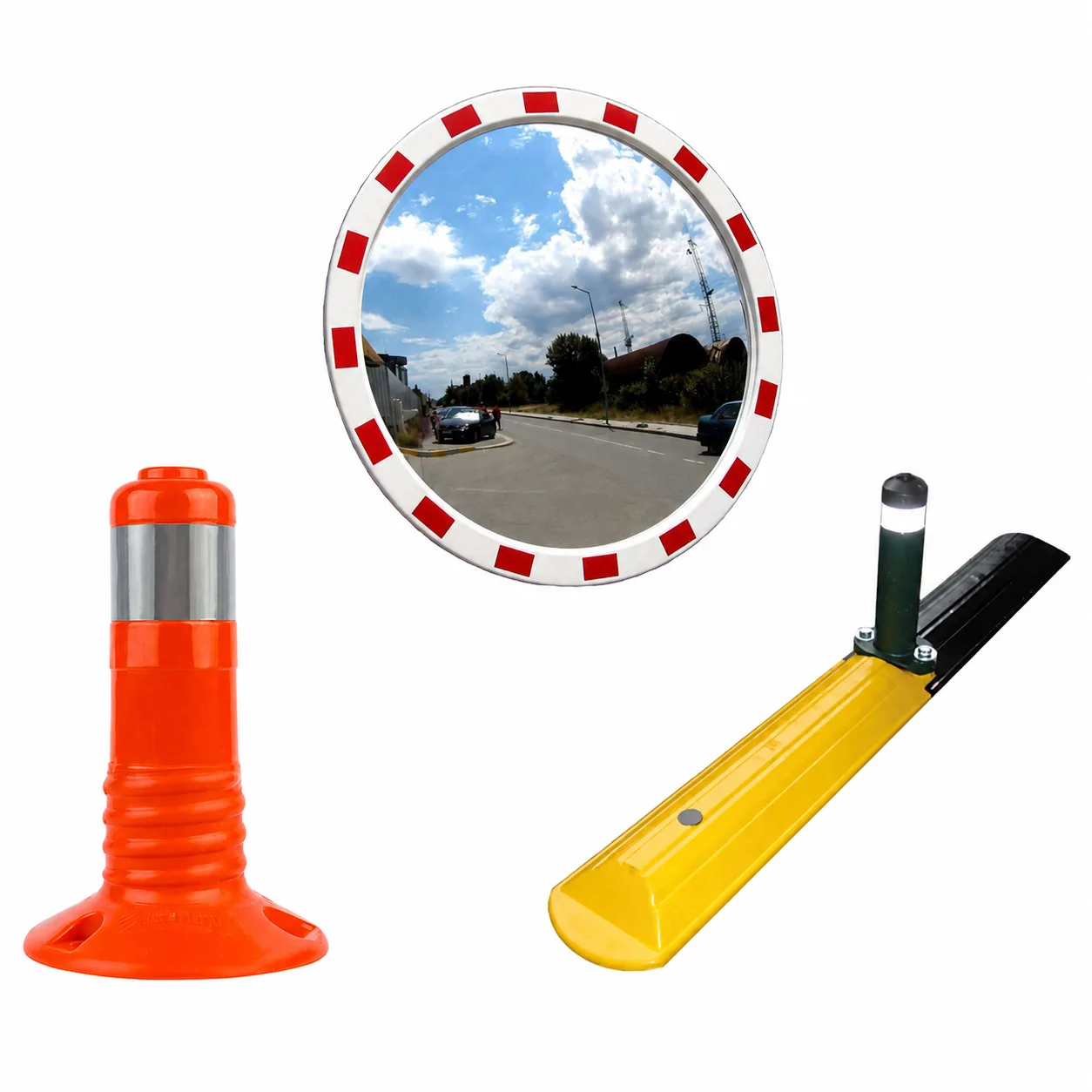
Flexible posts
I return to the initial shape after slight impacts.
They are recommended for:
- parking spaces;
- gassing;
- areas with intense traffic.
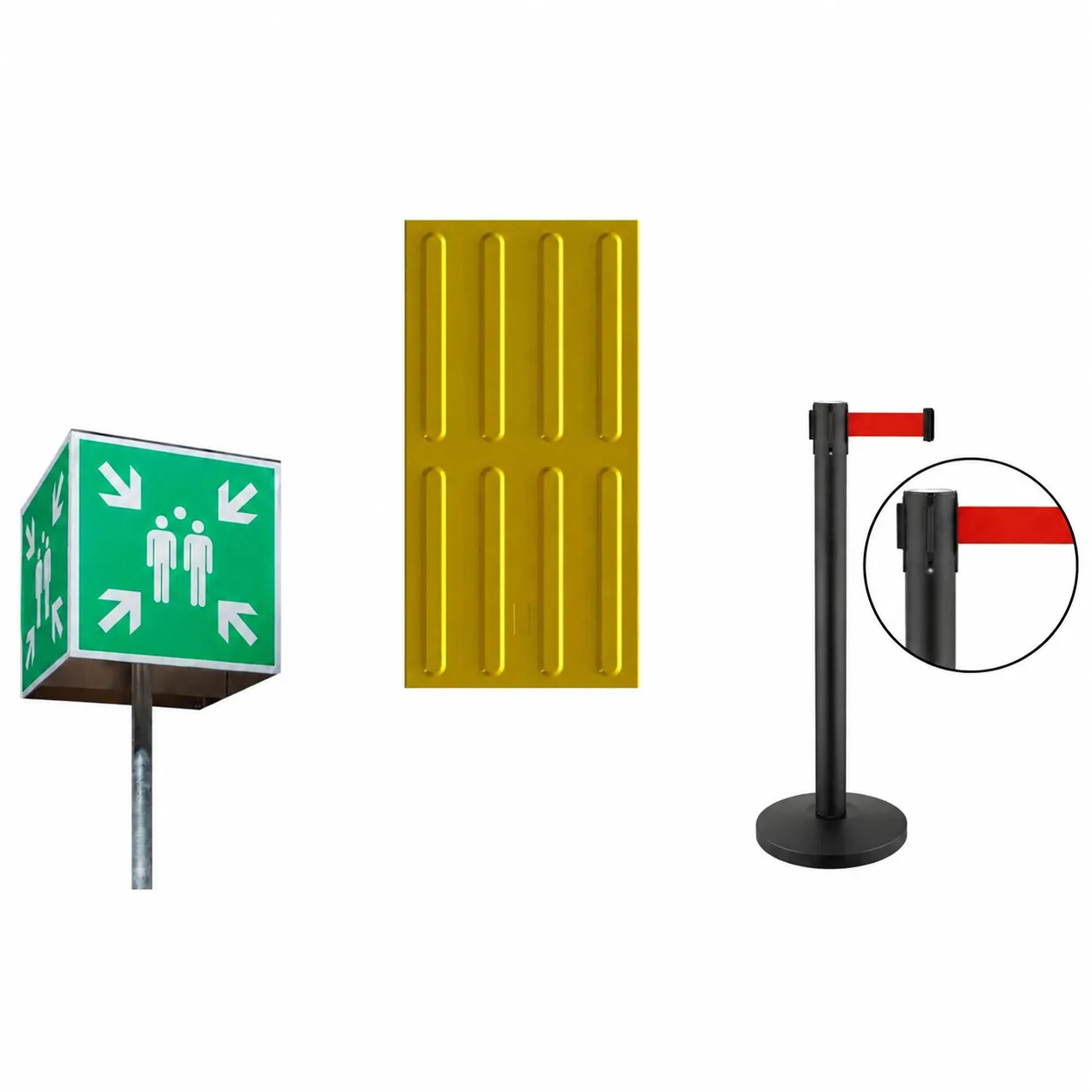
Difference between a protection post and an access limiter
Although they seem similar, the two products have different purposes.
Protection pillar is designed to withstand impact.
Access Limiter has the primary role of controlling circulation without necessarily providing high resistance to strokes.
In many projects, the two solutions are used together.
Frequent mistakes in choosing a protection post
The most common mistakes are:
- choosing a diameter too small;
- assembly without adequate foundation;
- use of a decorative model in industrial areas;
- ignoring the anti-corrosive protection;
- the choice of a product without quality certification;
- assembly too close to the protected area.
These errors can significantly reduce the efficiency of the system.
How do you choose a protection position correctly?
Before purchasing, consider some important aspects.
Type of traffic
Heavy traffic requires posts with superior resistance.
Installation site
The interior and exterior require different materials.
Material
The most popular variants are:
- galvanized steel;
- Stainless steel;
- cast iron;
- Flexible polyurethane.
Size
The diameter and thickness shall be chosen according to the desired level of protection.
Fixing system
It can be:
- by concrete;
- with a plate and anchors;
- Detachable;
- rabatabil.
Professional advice
For effective protection:
- Mount the pillars before vulnerable areas;
- comply with the recommended differences between the elements;
- use galvanised products outside;
- check catch systems periodically;
- select visible models, in contrasting colors, to reduce the risk of impact.
In industrial projects, consultation with a specialist can optimise both safety and implementation costs.
Real example of use
In parking lots, the pillars protect the windows and pedestrian access.
In industrial halls, defend shelves and machinery from stackers.
In petrol, delineate pumps and technical areas.
In hospitals, protects access routes and infrastructure.
In shopping malls, separate the flows of pedestrians and vehicles.
In residential assemblies, controls access and protects parking spaces.
Recommendations
For sustainable results:
- select products made from certified materials;
- check the corrosion resistance;
- adapts the size to the level of traffic;
- Mount the pillars according to the manufacturer's recommendations;
- invests in quality products as replacement and repair costs may exceed the initial savings.
Conclusion
Protection pillar is an efficient investment for any space where there is a risk of impact between vehicles and infrastructure. Whether used in a parking lot, in an industrial shed or in a commercial space, it contributes to the safety of people, the protection of equipment and the reduction of accident costs. Choosing the right model, correct assembly and periodic maintenance ensures reliable long-term operation.
BENEFICII COMERCIALE
- Protect buildings and infrastructure against accidental impact.
- Reduces costs with repairs and equipment replacement.
- Increases the safety of pedestrians and employees.
- Effectively delineate access and traffic areas.
- Resists intensive use and difficult weather conditions.
- Minimum maintenance is required.
- Available in fixed, folding, detachable or retractable variants.
- It offers an organized and professional aspect of space.
FAQ
What is a protection post?
It is a safety element intended to protect buildings, equipment and pedestrians against the impact of vehicles.
Where is a protective post set up?
In parking lots, industrial halls, warehouses, shopping malls, public institutions and residential spaces.
What materials are protective pillars made of?
The most common materials are galvanized steel, stainless steel, cast iron and flexible polyurethane.
What is the difference between a fixed post and a convertible one?
The fixed model provides permanent protection, and the foldable one allows controlled access when necessary.
How do I choose the right size?
Depending on the type of traffic, the level of risk, the available space and the objective to be protected.
Are they fit for the outside?
Yeah. The galvanised and stainless steel models are designed for long-term outdoor use.
Need maintenance?
Maintenance shall be reduced and shall consist of periodic verification of the fixation system and any deterioration.
Can they be mounted on asphalt or concrete?
Yeah. There are mounting solutions by mechanical anchorage, chemical anchors or concrete, depending on the application.
Protection pillar is an effective solution to protect buildings, equipment and pedestrians against vehicle impact. The choice of material, size and assembly system ensures safety, durability and low long-term maintenance costs.