Post-flexible
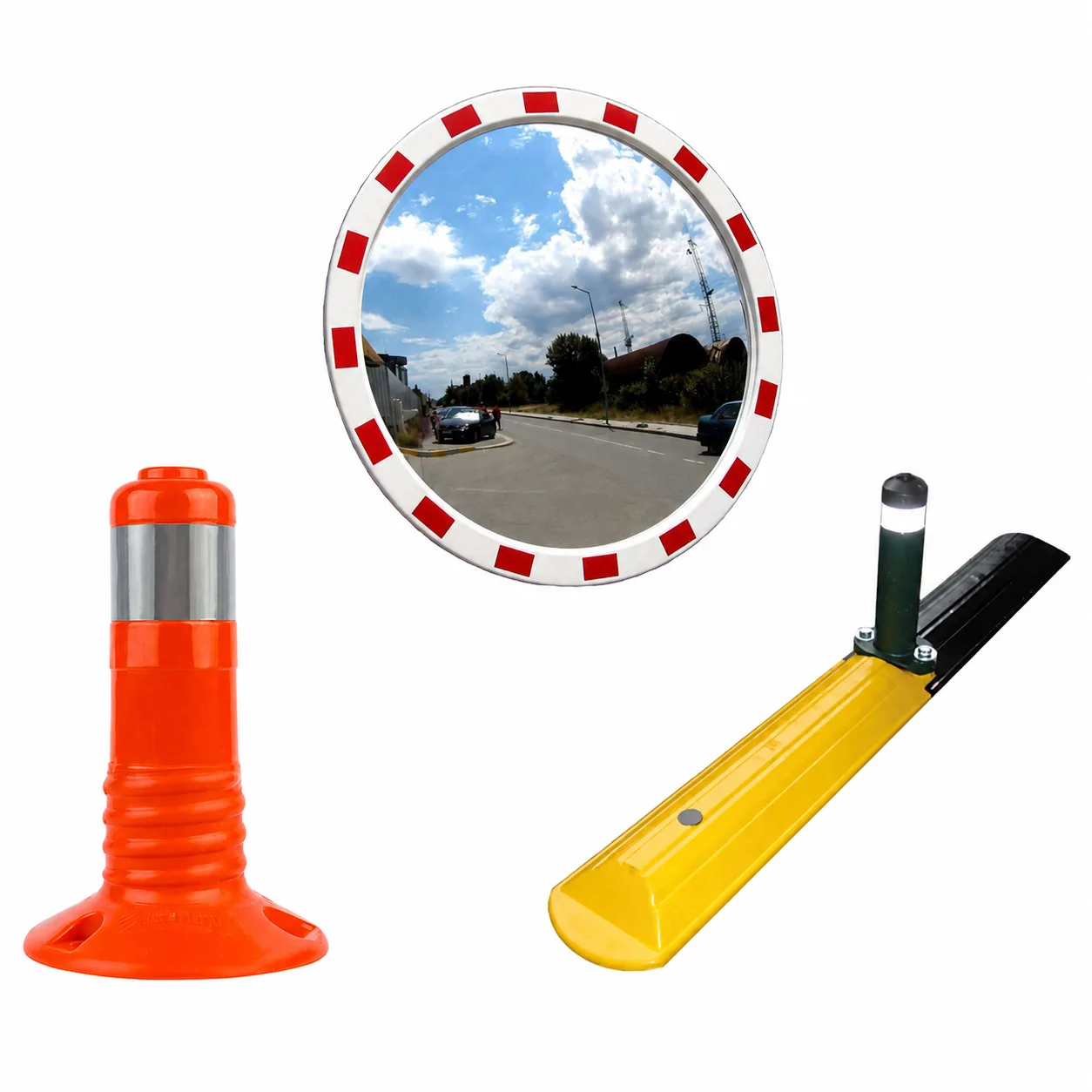
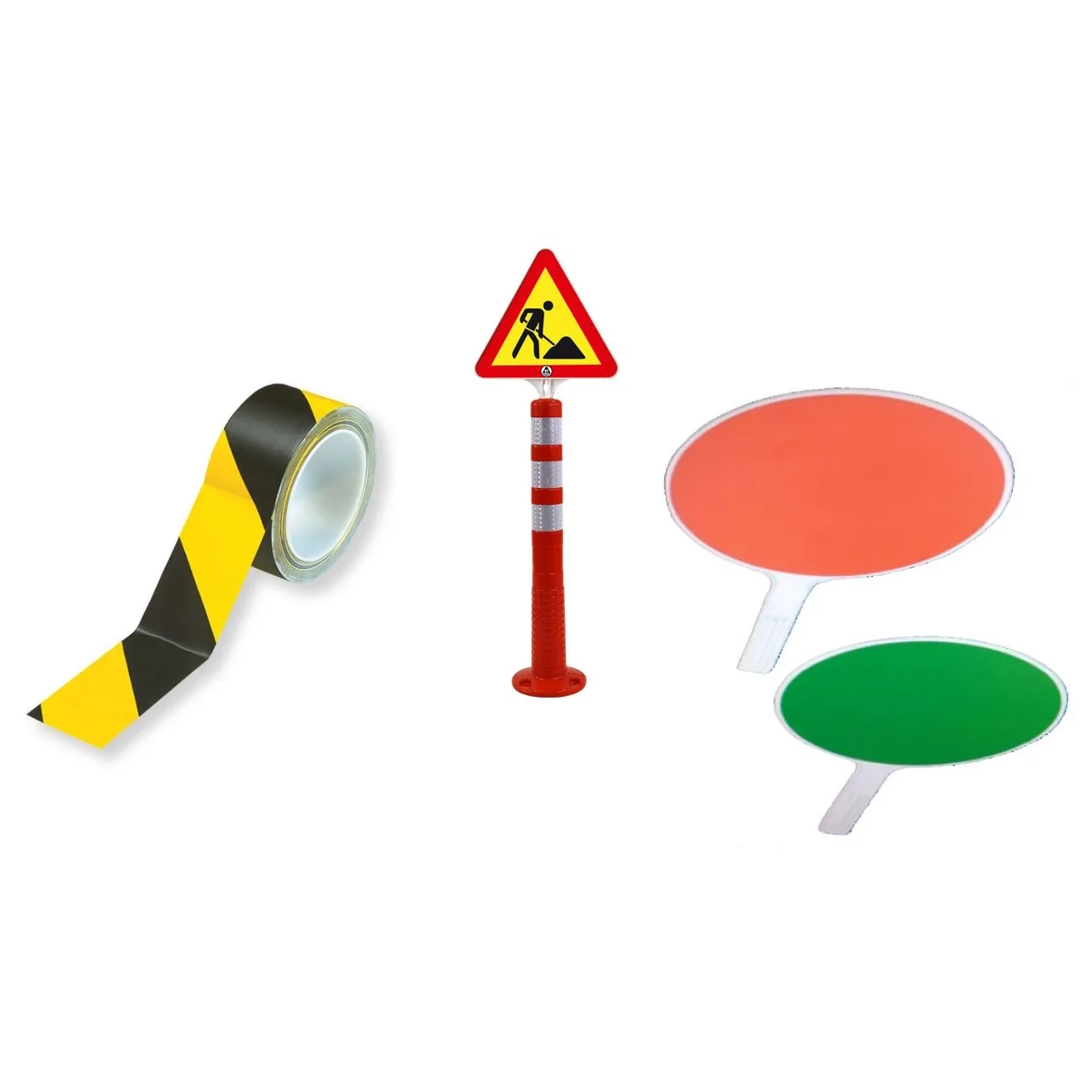
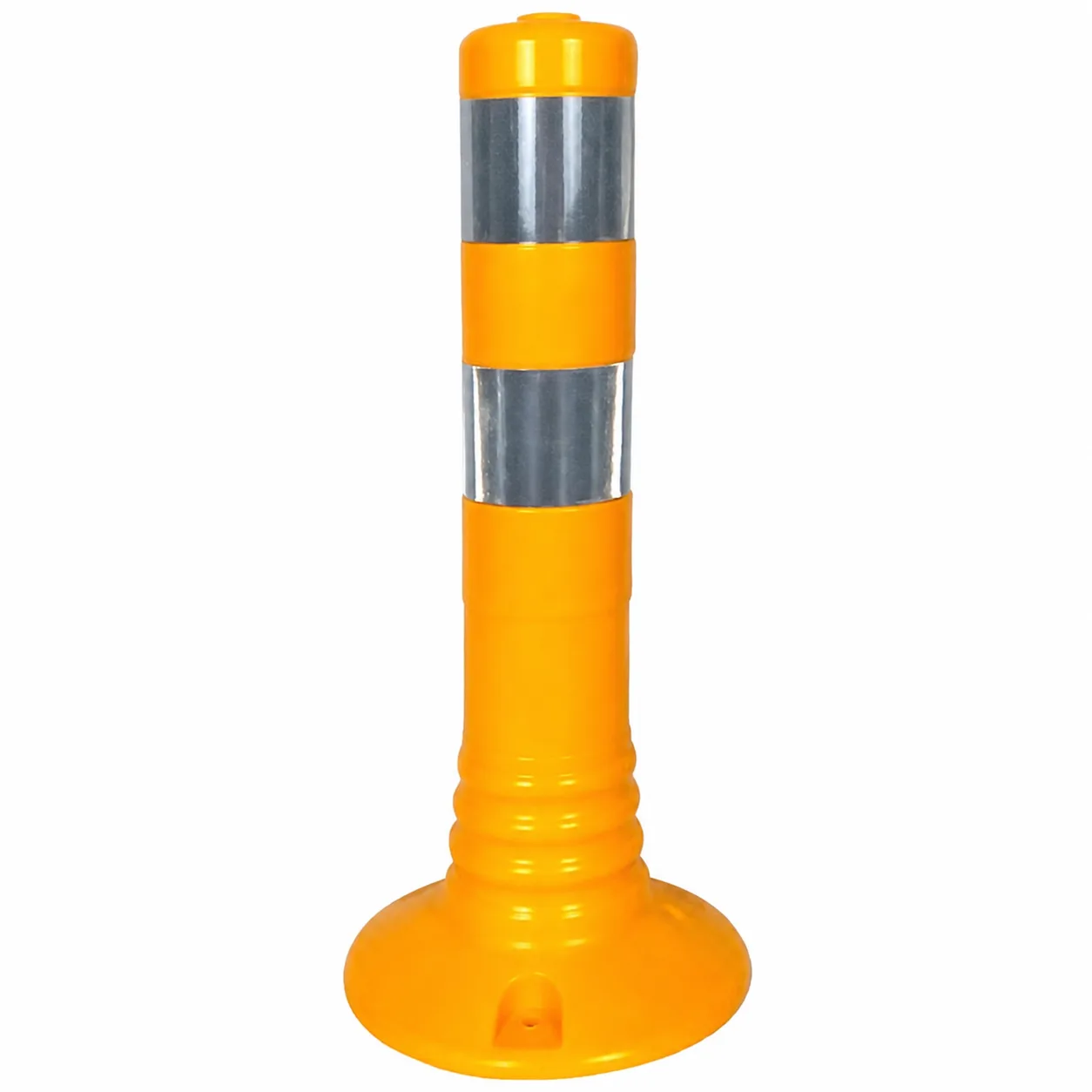
The flexible pillar is a road signalling element of elastic materials, which regains shape after impact. It shall be used for the delimitation of lanes, parking lots and traffic areas, on public roads, in industrial areas and commercial spaces, at reduced maintenance costs.
In short: flexible road pillars, for parking, industrial or detachable, chosen after traffic, material, visibility and catch system.
Do you need help choosing?
Tell us what you need and we'll send you the offer on the same working day.
Unlike rigid pillars, the flexible pillar absorbs light impacts and returns to the initial shape. The type of traffic, the material, the visibility and the catch system shall be the subject of the choice. It is a frequently used solution for separating bicycle tracks from car traffic, and the correct assembly ensures clear delimitation, impact resistance, high visibility and long-term infrastructure protection.
The flexible pillar is an efficient solution for the delimitation and protection of traffic. Discover the advantages, types and criteria of choice.
Flexible pillar is a road signalling element made of elastic materials that regains shape after impact. It is used to delineate bands, parking lots and traffic areas, contributing to increased safety and reduced maintenance costs.
Flexible pillar became one of the most used solutions for organising and securing traffic in parks, public roads, industrial areas and commercial spaces. Unlike rigid pillars, it can absorb light impacts without breaking, returning to the original shape and thus reducing the costs of frequent replacements.
In this guide you will find out what is a flexible post, how it works, what types exist, where it is recommended and how you choose the right option depending on the environment in which it will be used. You will also discover the practical advantages, the most common avoidable mistakes and useful recommendations for a sustainable investment.
What is a flexible post?
Flexible pillar is a delineation and signalling device made of elastic materials, such as polyurethane or technical rubber, designed to withstand repeated impacts without deterioration.
It is used for:
- the delimitation of circulation bands;
- the organisation of the parks;
- the protection of pedestrian areas;
- marking of obstacles;
- guidance for temporary or permanent traffic.
Due to its elasticity, a flexible post can be hit by a motor vehicle without causing major damage to the vehicle or infrastructure.
How does a flexible post work?
The principle is simple.
The body of the pole is made of materials with elastic memory, and the base is firmly fixed in asphalt, concrete or other hard surfaces.
In the event of an impact:
- the pole bends;
- energy is absorbed by the material;
- After the applied force has ceased, it returns to its original form.
This makes it much more efficient than a rigid metal or concrete post in areas with intense traffic.
Why is a flexible post important?
In many situations, the visible delimitation of space contributes directly to the reduction of accidents and the flow of traffic.
A flexible post offers:
- clear guidance for drivers;
- efficient delimitation of bands;
- protection of pedestrians;
- preventing irregular parking;
- reduction of maintenance costs.
These benefits recommend it for both authorities and private companies or parking managers.
Advantages of using a flexible post
Among the most important benefits are:
- resistance to repeated impacts;
- long-term;
- High visibility, including at night due to reflective bands;
- Quick mounting;
- reduced maintenance costs;
- UV resistance and weather;
- adaptability for various applications.
Compared to rigid solutions, investment in a flexible post is recovered faster due to reduced replacement needs.
Types of flexible posts
There are several variants available on the market.
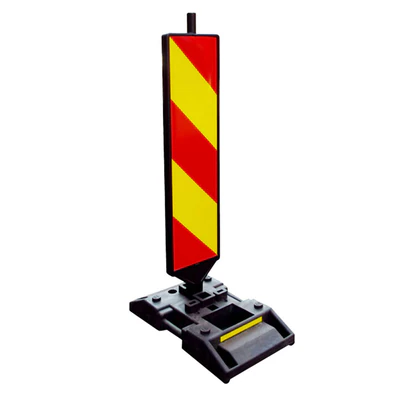
Post flexible road
It is used to separate bands and drive traffic.
Characteristics:
- high height;
- reflector bands;
- high resistance.
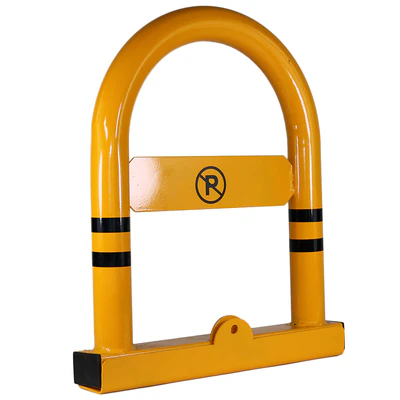
Flexible parking post
Ideal for:
- delineation of places;
- the protection of reserved areas;
- Access control.
Industrial post-flexible
For use in:
- deposits;
- logistics;
- factories;
- shopping centers.
It is designed for intense traffic and difficult operating conditions.
Post flexible detachable
Allows:
- Quick mounting and disassembly;
- temporary access;
- flexibility in the organisation of space.
Post flexible vs. post rigid
| Characteristic | Post-flexible | Post rigid |
|---|---|---|
| Impact resistance | Very good | Decrease |
| Risk of car deterioration | Small | Picked up |
| Maintenance costs | Falling | Larger |
| Duration of use | Long | Variable |
| Safety | Lifted | Average |
In most modern applications, the flexible pillar is the most efficient and secure solution.
Frequent mistakes in choosing a flexible post
The most common errors are:
- the choice of an inappropriate height;
- installation on an inadequate surface;
- lack of reflective tapes;
- the use of a model intended for easy traffic in intensive traffic areas;
- choice only after price.
A careful analysis of the use environment prevents additional long-term costs.
How do you choose a flexible position correctly?
Before purchasing, consider:
Type of traffic
- car;
- Pedestrian;
- industrial.
Material
The most recommended are:
- Polyurethane;
- TPU;
- High resistance technical rubber.
Visibility
Choose models with:
- reflector bands RA class;
- contrasting colours;
- UV protection.
Catching system
The fixing shall be adapted to the surface:
- asphalt;
- concrete;
- pavaj.
Professional advice
Specialists recommend:
- respect for the distances between posts;
- periodic verification of catch systems;
- the exclusive use of the certified elements;
- the choice of products in accordance with European standards;
- the assembly carried out in accordance with the manufacturer's recommendations.
These measures contribute to increasing the life span and maintaining the optimum level of safety.
Real example of use
A flexible post is commonly found in:
- Supermarket parking;
- gassing;
- airports;
- logistics centre;
- construction site;
- private parking;
- hospitals;
- schools;
- resident areas;
- Bicycle tracks.
In all these situations, its role is to organise traffic and reduce the risk of incidents.
Recommendations
For optimal results:
- select products made from premium materials;
- verify technical certifications and specifications;
- opt for models with quality reflectors;
- Mount the pillars according to the signalling project;
- carry out periodic inspections.
A quality solution will provide constant performance and low long-term costs.
Conclusion
Flexible pillar is one of the most effective solutions for the delimitation and protection of traffic spaces. Impact resistance, high visibility and low maintenance costs recommend it for both public projects and private or industrial applications.
Choosing a model adapted to the conditions of use, together with a correct fit, contributes to increased safety and optimise long-term operating costs.
Commercial benefits
- Reduction of costs by replacing damaged items.
- Increase safety for drivers and pedestrians.
- Clear delineation of traffic spaces.
- Fast installation and minimum maintenance.
- Excellent resistance to impact and weather.
- High visibility due to reflective tapes.
- Suitable for parking, roads, industrial and commercial spaces.
- Sustainable investment with reduced total operating cost.
FAQ
What is a flexible post?
It is an elastic signalling element that returns to the initial shape after an easy impact.
What material is made of?
Most commonly polyurethane, TPU or technical rubber.
Where is a flexible post used?
In parking lots, on public roads, in warehouses, industrial areas and commercial spaces.
Is it weather-resistant?
Yeah. The quality models are UV resistant, rain, ice and temperature variations.
How do you mount it?
By mechanical fixing with dilutes and screws on asphalt, concrete or other solid surfaces.
What is the lifespan?
Depending on the quality and intensity of use, it may exceed a few years even in areas with intense traffic.
What is the difference between a flexible post and a rigid one?
The flexible pillar absorbs the impact and returns to the initial shape, while a rigid one can bend or break and can cause greater damage.
Can it be used to delimit bicycle tracks?
Yeah. It is a commonly used solution for separating car traffic from that for cyclists.
Flexible pillar is a modern solution for traffic delimitation and organisation, appreciated for impact resistance, high visibility and low maintenance costs. Choosing the right model and setting it right helps to increase safety and protect the infrastructure in any type of project.