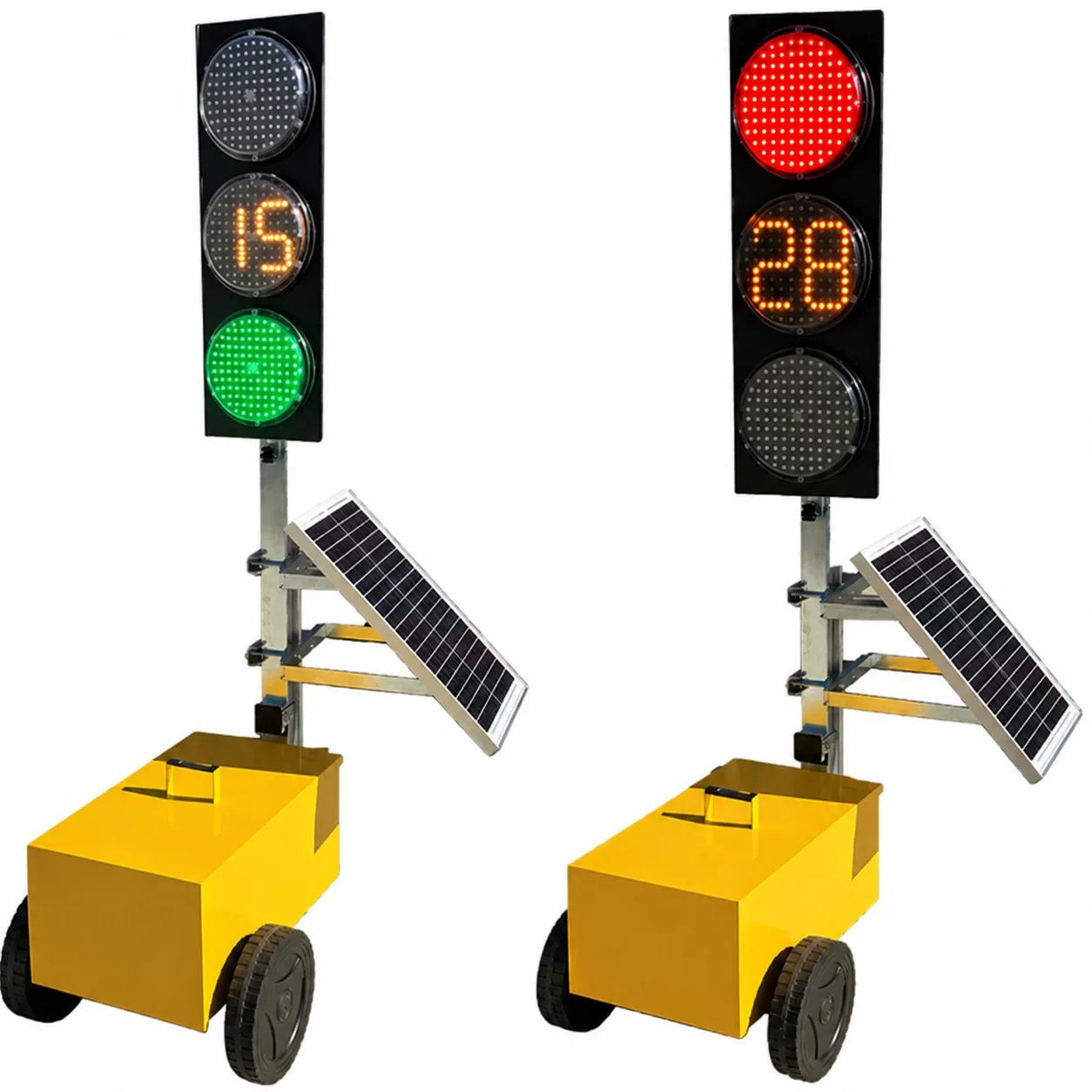
Mobile traffic lights
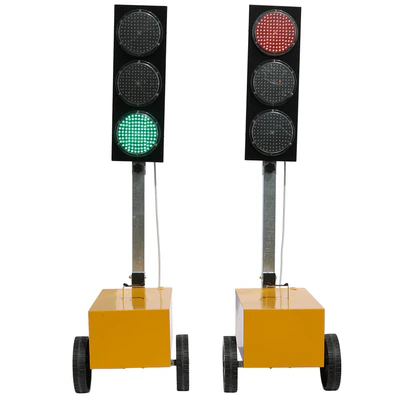
Mobile traffic semaforisation is a temporary traffic steering system used in areas with road works, traffic restrictions or interventions. By automatic switching of walking senses, it reduces the risk of accidents, fluidizes traffic and allows safe work to be carried out.
In short: there are systems for a single trunk, with traffic sensors, synchronized for temporary intersections or solar power.
Do you need help choosing?
Tell us what you need and we'll send you the offer on the same working day.
The right system is chosen according to the configuration of the work area: a single section with alternative circulation, a temporary intersection that requires synchronised traffic lights or a road where traffic sensors are useful. Where there is no electricity network, the solar powered version is practical. Faced with manual driving, mobile traffic semaforisation provides increased safety, continuous operation, more accurate traffic flow control and lower long-term costs.
Mobile traffic semaforisation optimises traffic in areas with temporary works and restrictions, providing safety, visibility and efficient traffic control.
Mobile traffic is a temporary traffic management system used in areas with road works, traffic restrictions or interventions. By automatic switching of walking directions, it reduces the risk of accidents, fluidises traffic and helps to carry out safe work.
Mobile traffic lights
Why is mobile semaphoreism important?
Mobile traffic is one of the most efficient solutions for traffic management in situations where traffic needs to be reorganised temporarily. Whether we are talking about road rehabilitation works, intervention on utility networks, bridges under renovation or areas affected by incidents, a temporary traffic semforisation system contributes to maintaining safety and a controlled flow of vehicles.
In this guide you will find out what mobile semaphoreism is, how it works, what its advantages are, what types exist and how you choose the right solution for your project.
What is mobile semaphoreism?
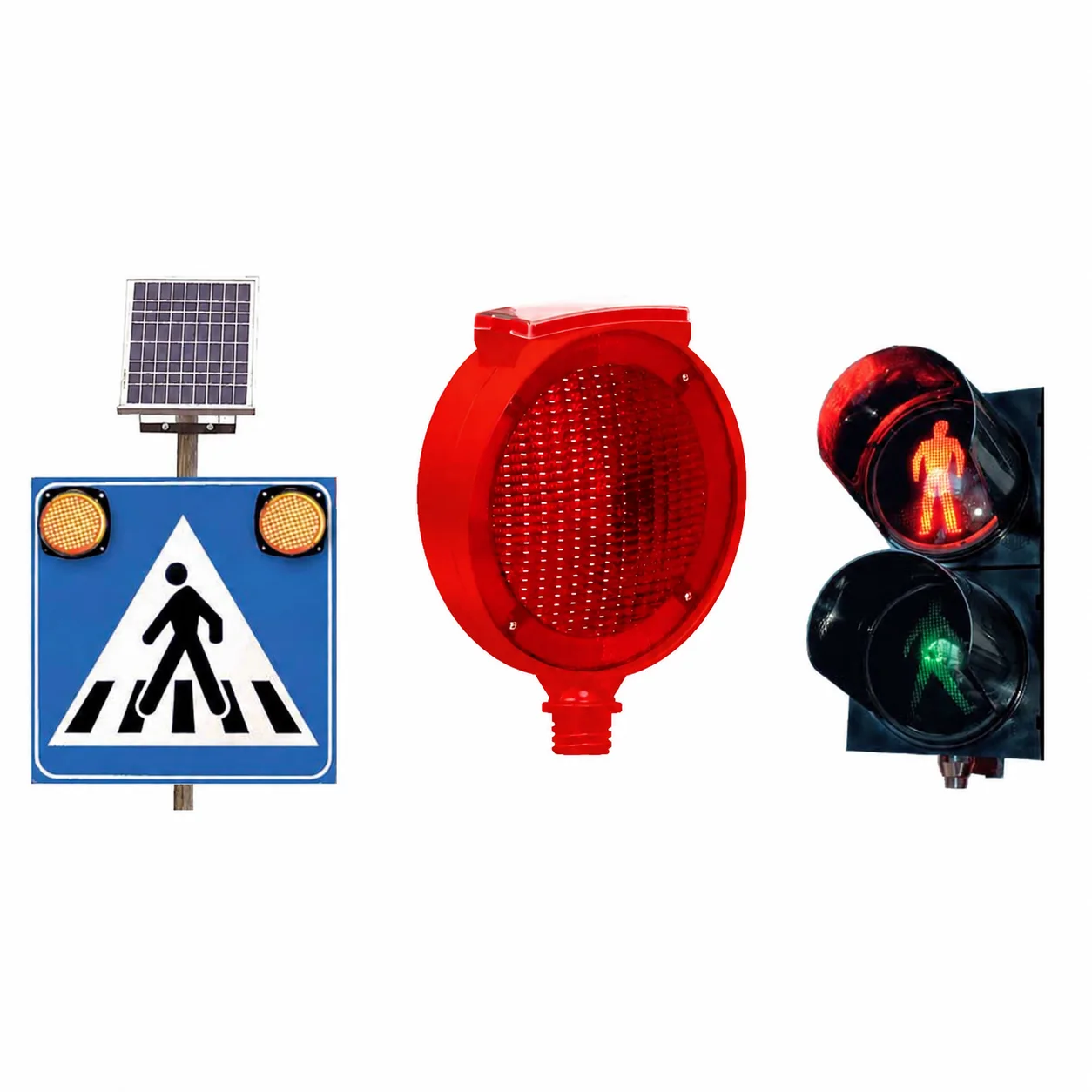
Mobile traffic is a temporary traffic control system that uses portable traffic lights for alternative traffic management in areas where the bands are restricted or where work exists.
These systems are designed to be installed and relocated quickly, without permanent infrastructure.
They are commonly used in:
- Asphalting works;
- modernisation of roads;
- construction sites;
- intervention in pipelines and cables;
- bridges and passages;
- road maintenance work;
- emergency situations.
How does mobile semaforing work?
A modern system is made up of two or more electronic synchronised traffic lights.
The operation may be carried out by:
- radio communication;
- GPS;
- cable;
- traffic sensors;
- programmable automatic control.
The traffic light allows circulation in one direction, while the other direction is stopped. After the set time has expired, the cycle is automatically reversed.
Depending on the complexity of the work, the duration of each cycle may be adapted for:
- reduced traffic;
- intense traffic;
- Heavy vehicles;
- agabaritic transport;
- peak periods.
Why is mobile semaphoreism important?
Efficient traffic management reduces the risks for both traffic participants and staff working in the yard.
The benefits are evident:
- reduction of accidents;
- the elimination of conflicts between the meanings of movement;
- traffic fluidisation;
- reduction of waiting times;
- compliance with the rules on temporary road signs;
- increasing pedestrian safety.
In the absence of an appropriate solution, restricted areas can quickly become blocking points or even sources of incidents.
Advantages of using a mobile traffic light system
A high-performance system offers many benefits.
Quick installation
It does not require permanent infrastructure and can be put into operation in a short time.
High flexibility
It can be moved easily as the work progresses.
Reduced costs
Compared to manual traffic steering, automation reduces operational costs.
Increased safety
Staff are no longer permanently exposed on the road to drive the traffic.
Self-employed
Most modern systems are powered by photovoltaic batteries and panels, ensuring extended autonomy.
Types of mobile traffic semaforisation
There are several variants, depending on the application.
Mobile Semaforisation for a single trunk
The most widely used solution for work on roads with alternative circulation.
Traffic sensor traffic light
Automatically adjusts the duration of the traffic light according to the number of vehicles.
Synchronised traffic sharing for temporary intersections
Used in complex construction sites or infrastructure projects.
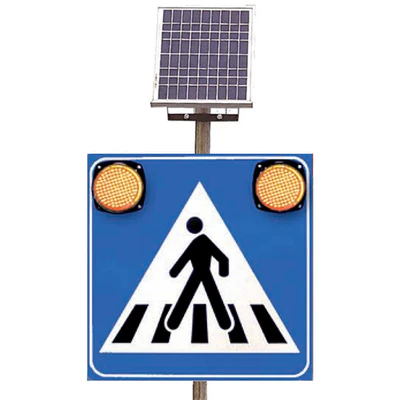
Solar powered traffic
Ideal for areas without access to the electricity grid.
Mobile traffic light versus manual driving
Both solutions can be effective, but the differences are significant.
| Mobile traffic lights | Manual steering |
|---|---|
| Continuous operation | Depends on the operator |
| Long-term reduced costs | Permanent costs of staff |
| Higher safety | High exposure of staff |
| Constant times | Possible human errors |
| Automatic programming | Permanent coordination required |
In most modern projects, mobile semaphoreisation is preferred due to efficiency and predictability.
Common errors
Improper implementation can reduce system efficiency.
The most common mistakes are:
- incorrect location of traffic lights;
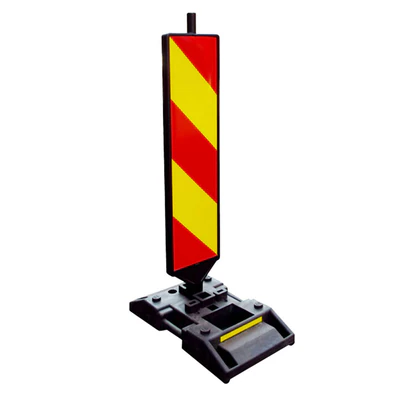
- the absence of pre-filled indicators;
- inappropriate time for semaforisation;
- insufficiently charged batteries;
- the absence of verifications before the start of operation;
- misadaptation of the programme to traffic volume.
How do you correctly choose a mobile semaphore system?
Before choosing, consider some key issues.
Duration of work
A standard system may be sufficient for short-term interventions.
Traffic volume
Intense traffic requires intelligent systems with adaptable sensors and cycles.
Length of the trunk
The precise synchronisation between the units is necessary for large distances.
Source of supply
Photovoltaic panels are recommended for long-term work.
Weather conditions
The system must be rain resistant, dust, extreme temperatures and wind.
Professional advice
For optimal results:
- check the synchronisation of traffic lights daily;
- place warning indicators at the distances provided for in the legislation;
- test the system before opening the traffic;
- adapt the cycles according to the peak hours;
- use certified equipment and comply with applicable standards.
Real example of use
Mobile traffic is used in many situations:
- rehabilitation of national roads;
- modernisation of urban streets;
- works on water and sewerage networks;
- interventions in the electricity infrastructure;
- strengthening bridges;
- railway works in the vicinity of roads;
- the arrangement of the rotating senses.
In all these cases, temporary systems contribute to the development of work without complete closure of the movement.
Recommendations
For efficient traffic management:
- select certified and approved equipment;
- cooperate with specialised suppliers;
- comply with the legislation on temporary road signs;
- plan the location of traffic lights from time to time;
- periodically check the functioning of the entire system.
Investment in a quality solution reduces risks and optimizes the deployment of projects.
Conclusion
Mobile traffic is an indispensable solution for traffic control in areas with temporary restrictions. By automating traffic management, it increases the safety of participants in traffic, protects teams in the field and contributes to the efficient conduct of work. Choosing a system adapted to the type of project and complying with the installation rules ensures optimal results for both the builders and the responsible authorities.
Commercial benefits
- Increases safety in areas with temporary works and restrictions.
- Reduce costs by eliminating the need for permanent manual driving.
- Fluidize traffic and minimizes waiting times.
- Quickly install and can be easily relocated.
- Works autonomously with batteries and solar panels.
- It shall comply with the requirements for temporary road signs.
- Reduces the risk of accidents and incidents in the yard.
- Can be configured for different traffic volumes and types of work.
FAQ
What is mobile semaphoreism?
It is a temporary traffic control system used in areas with road works, restrictions or interventions.
Where is mobile semaphore used?
On roads, bridges, national roads, works on utilities and other areas where traffic should be temporarily directed.
How is a mobile traffic light powered?
Depending on the model, by rechargeable batteries, photovoltaic panels or electrical power supply.
Can it work without an operator?
Yeah. Most modern systems are fully automated and synchronized electronically.
How long does the installation take?
Depending on the configuration, the installation can take from a few dozen minutes to a few hours.
Is the use of mobile semaphoreization mandatory?
In many cases, the authorities request the implementation of temporary signalling measures in accordance with the traffic management legislation and plan.
How do I choose the right system?
Analyses the duration of the work, traffic intensity, length of the trunk and supply requirement.
What are the advantages of manual driving?
It provides increased safety, lower long-term costs, continuous operation and more accurate traffic flow control.
Mobile traffic is the optimal solution for traffic control in areas with temporary works or restrictions. A well-chosen and properly installed system improves safety, reduces bottlenecks and ensures efficient project implementation, meeting the requirements for road traffic organisation and signalling.