Fixed traffic
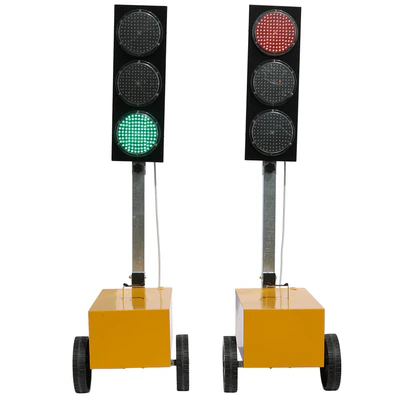
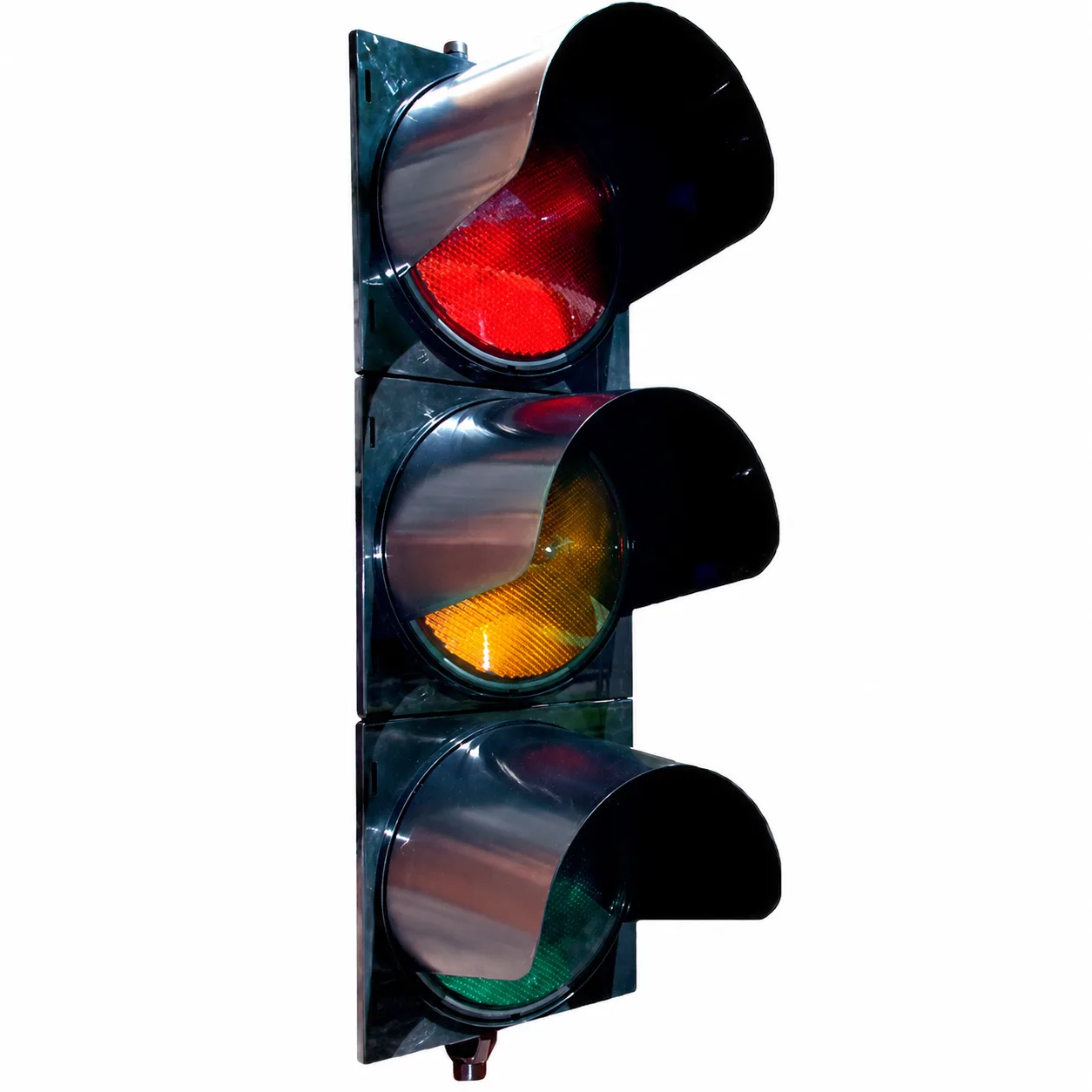
Fixed traffic semaforation shall control traffic through pre-defined operating times, which shall be repeated cyclically without real-time adaptation to the vehicle flow. It is used in intersections, pedestrian crossings and in urban areas with constant traffic, where it ensures safe and predictable circulation.
In short: suitable for intersections, pedestrian crossings, timed industrial accesses or coordinated systems, where traffic is predictable.
Do you need help choosing?
Tell us what you need and we'll send you the offer on the same working day.
The duration of the traffic cycles shall be determined by the volume of traffic, the number of lanes, the pedestrian flow, public transport and the configuration of the intersection. Fixed semaphore is recommended where circulation has a predictable pattern and brings low implementation costs, high reliability and low maintenance. Unlike smart semaphoreisation, it does not react to traffic variations, but an existing system can be modernised later.
Fixed-semaforation is a traffic control system in which the operating times of the traffic lights are set and repeated cyclically, without real-time adaptation to the vehicle flow. It is used for the safe and predictable organisation of traffic at constant traffic intersections.
Fixed traffic sharing optimises traffic at intersections with predictable traffic, providing safety, organisation and efficient road traffic flow.
Fixed semaphore – What it is, how it works and when it represents the best solution
Fixed-semaforation is one of the most widely used methods of road traffic control at intersections, pedestrian crossings and urban areas with relatively constant traffic flows. Although modern technologies today allow smart systems that adapt in real time, time-bound semaphoreisation remains an efficient, reliable and cost-effective solution in many situations.
In this guide you will find out how a fixed semaphore system works, which are its advantages and limitations, where it is recommended and what criteria should be taken into account when choosing this solution.
What is fixed semaphoreisation
Fixed-semaforation is a traffic steering system in which the duration of each traffic light phase is previously established and repeated in a constant cycle.
The operating programme shall not be influenced by the number of vehicles or pedestrians present at the intersection. Whether the traffic is intense or reduced, the colour sequence and duration of each stage remain the same.
This type of control has been used for decades because of its simplicity and reliability.
How fixed semaphore works
A fixed semaphore system consists of several synchronised components:
- traffic controller, which implements the pre-established programme;
- Vehicles and pedestrian traffic lights;
- electrical installation and power systems;
- internal clock, which controls the duration of each phase.
The operation is based on a repetitive cycle.
A simplified example may include:
- Green for the main direction – 40 seconds;
- yellow – 3 seconds;
- red – 35 seconds;
- Green for the secondary street – 25 seconds;
- yellow – 3 seconds.
After completion of the cycle, the sequence begins again.
Why fixed semaphoreisation is important
In many urban areas, traffic flows are relatively predictable throughout the day. In these situations, Fixed semaphore provides stable and easy to administer control.
The main objectives are:
- reducing conflicts between traffic participants;
- increasing road safety;
- clear organisation of priorities;
- protection of pedestrians;
- flow of traffic at standard intersections.
In addition, authorities can quickly implement such systems without complex investments in sensors or intelligent infrastructure.
The advantages and benefits of fixed semaphoreisation
The use of a system with fixed times brings many benefits.
Reduced implementation costs
Compared to adaptive systems, the necessary infrastructure is simpler and involves smaller initial investments.
High reliability
Lack of sensors and complex algorithms reduces the risk of malfunctions.
Simplified maintenance
Revisions are easier to carry out and components are standardised.
Predictable operation
Drivers and pedestrians quickly get used to operating cycles, which can help reduce unpredictable behaviour.
Rapid implementation
Setting up a fixed program takes less time than developing a smart traffic management solution.
Fixed semaphores
Depending on the application, there are several variants.
Fixed cross-border traffic
It is the most widespread application and controls the circulation between two or more arteries.
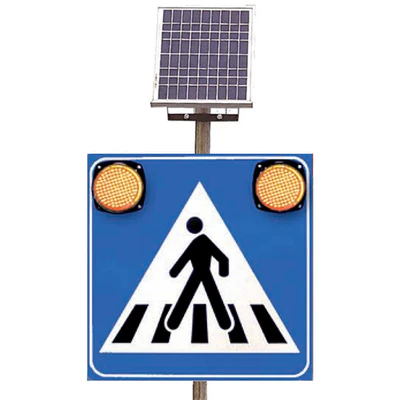
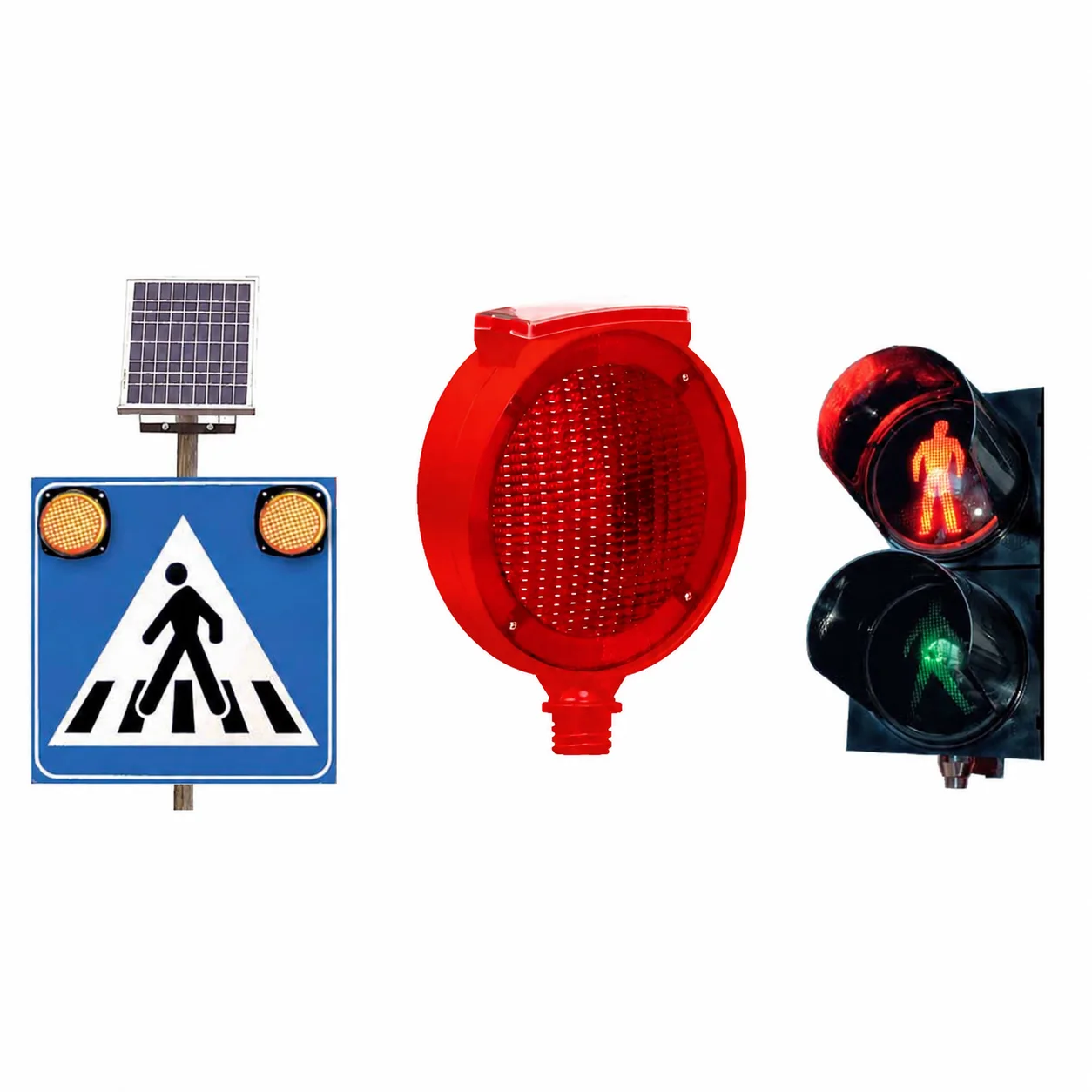
Semaforisation for pedestrian crossings
Used in the vicinity of schools, hospitals or commercial areas.
Temporized traffic for industrial access
Controls the movement of vehicles in logistics premises, industrial platforms or shopping centres.
Coordinated traffic sharing
Several intersections work synchronized to create so-called green wave, reducing the number of stops and travel time.
Fixed semaforisation vs. Intelligent semaforisation
The two solutions respond to different needs.
Fixed-semaforation is recommended when:
- traffic is constant;
- the flow changes are reduced;
- the budget is limited;
- The infrastructure is simple.
Adaptive semaforation is preferred when:
- traffic differs significantly by hour;
- congestion occurs frequently;
- it is necessary to optimise in real time;
- there is infrastructure for sensors and monitoring.
The choice depends on the characteristics of each intersection and on the objectives of the administration or the beneficiary.
Frequent errors in design of a fixed semaforisation system
A well-designed system must take into account actual traffic data.
Among the most common errors are:
- setting too long a time for certain directions;
- ignoring the pedestrian flow;
- lack of synchronisation between close intersections;
- non-updating of programmes after changing traffic;
- the incorrect size of the semaphore cycles.
These errors can lead to delays, queues and a higher level of frustration for traffic participants.
How to choose a fixed semaphore system correctly
Prior to implementation, several factors are recommended:
- the average volume of traffic;
- the type of the intersection;
- the number of bands;
- the flow of pedestrians;
- the existence of public transport;
- proximity to schools, hospitals or public institutions;
- the possibility of future expansion to intelligent systems.
A traffic study provides the information needed for the optimal configuration of operating cycles.
Professional advice
Traffic management specialists recommend:
- regular updating of the time-frames;
- correlation with road infrastructure changes;
- verification of synchronisation between intersections;
- monitoring performance indicators;
- preventive maintenance of equipment.
Even a simple system can work efficiently if it is configured and maintained properly.
Example of use
Fixed traffic is encountered in many contexts:
- urban intersections with constant traffic;
- resident areas;
- pedestrian crossings;
- commercial parking;
- Logistic platforms;
- industrial centre;
- access to public institutions;
- University campuses.
In these situations, cycle predictability contributes to more orderly and safer traffic.
Recommendations
For optimal results it is recommended:
- the design of the system on the basis of a traffic study;
- use of certified controllers;
- compliance with the rules and standards in force;
- the conduct of periodic checks;
- periodic system performance assessment.
A well-implemented solution can work efficiently for years with low operating costs.
Commercial benefits
- Reducing the risk of accidents at intersections.
- Increased safety for pedestrians and drivers.
- Reduced costs of implementation and maintenance.
- Reliable and predictable operation.
- Easy adaptation to many types of intersections.
- Simplified administration for infrastructure authorities and managers.
- Long term operation of equipment.
- The possibility of further integration into intelligent traffic management systems.
FAQ
What is fixed semaphoreization?
It is a system in which traffic traffic times are programmed and repeated cyclically, without adaptation to traffic at the time.
How does a fixed semaphore system work?
The controller shall run a pre-defined programme which shall set the duration of each light phase.
What are the advantages of fixed semaphoreization?
Reduced costs, high reliability, simple maintenance and predictable operation.
When is fixed semaforation recommended?
In intersections with relatively constant traffic and reduced variations throughout the day.
What is the difference between fixed and smart semaphoreisation?
Fixed semaphore uses pre-set times, and smart semaphore adapts cycles to real-time monitored traffic.
Can a fixed semaphore system be modernised?
Yeah. In many cases, it can be extended with sensors and adaptive control without complete infrastructure replacement.
Who designs a semaphore system?
The design is carried out by road traffic and infrastructure specialists, based on traffic studies and technical standards.
What factors influence the duration of the traffic lights?
Traffic volume, number of bands, pedestrian flow, public transport and cross-section configuration.
Fixed-semaforation provide a safe, reliable and efficient solution for traffic control in areas with predictable traffic. Through pre-established operating times and reduced maintenance, this system contributes to traffic flow, increased road safety and optimised operating costs.